

The Beauty of Pebble Stone Mosaic Art
Pebble stone mosaic art is a captivating form of decorative art that utilizes small, naturally occurring stones to create stunning patterns and images. This ancient practice, which dates back thousands of years to ancient cultures, continues to inspire artists, designers, and homeowners today. The uniqueness and charm of pebble mosaics lie not only in their aesthetic appeal but also in their versatility and the stories they tell.
A Rich History
The art of pebble stone mosaic has its roots in various ancient civilizations, including the Greeks, Romans, and Byzantines. These cultures used this technique to create intricate designs in public spaces, temples, and luxurious villas. The unique properties of natural stones allowed artisans to construct durable and beautiful surfaces that could withstand the test of time. Over the centuries, this art form has evolved but has retained its core appeal, drawing inspiration from nature and reflecting the environment from which it originates.
The Materials
Pebble mosaics are traditionally made from small stones, often sourced from riverbeds or coastal areas. The stones vary in size, shape, and color, allowing artists to create a diverse array of designs. Natural stones like marble, limestone, granite, and basalt are popular choices due to their durability and vibrant hues. The differences in texture and pattern of each stone add depth and complexity to the overall design, making each piece truly unique.
Creation Process
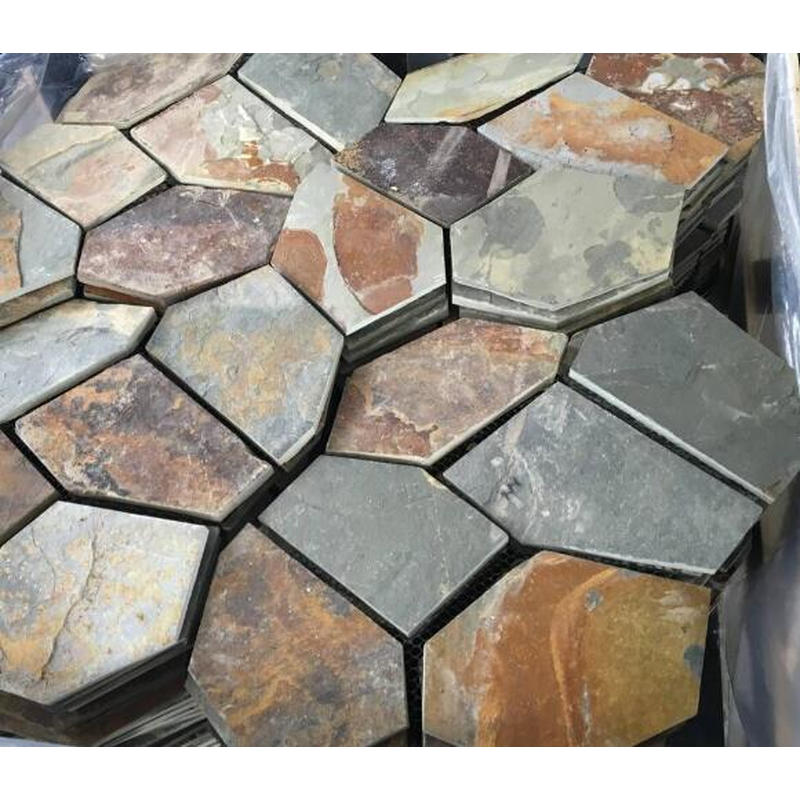
Creating a pebble mosaic is a meticulous process that requires skill, patience, and a keen eye for design. First, an artist conceptualizes the design, often sketching a blueprint that outlines the intended pattern. Then, they carefully select the stones, considering factors like color harmony, shape, and size. The stones are then arranged in the desired pattern, which is typically adhered to a substrate using adhesive. Finally, grout is applied to fill the gaps between the stones, securing them in place and giving the piece a finished look. The result is a breathtaking mosaic that showcases the natural beauty of the pebbles.
Applications in Modern Design
Today, pebble stone mosaics are popular in both residential and commercial spaces. They can be found in various settings, including gardens, patios, bathrooms, and flooring. The organic shapes and colors of the pebbles can complement a range of design styles, from rustic to contemporary. Homeowners often use pebble mosaics to create serene outdoor spaces that reflect the tranquility of nature, while businesses may utilize them to enhance their aesthetic appeal and create a welcoming atmosphere.
Environmental Connection
One of the most enchanting aspects of pebble stone mosaic art is its connection to nature. Each mosaic tells a story, capturing the essence of the environment from which the stones originated. This connection encourages viewers to appreciate the beauty of the natural world and its diverse materials. Additionally, opting for natural stones for art and design can foster a sense of sustainability, as it often utilizes locally sourced materials and minimizes environmental impact.
Conclusion
Pebble stone mosaic art is a timeless and captivating form of expression that celebrates the beauty of the natural world. With its rich history, meticulous creation process, and modern applications, pebble mosaics continue to enchant and inspire. Whether in a grand public space or a cozy home garden, these artistic creations remind us of the elegance and charm that nature can provide. Embracing this art form not only beautifies our surroundings but also deepens our connection to the earth.





