

Exploring High-Quality Wall Cladding Stones
Wall cladding is an essential element in modern architecture, serving both protective and aesthetic purposes. Among the various materials available for cladding, high-quality stones have gained immense popularity due to their durability, natural beauty, and versatility. This article will delve into the benefits, types, and installation processes of high-quality wall cladding stones, helping both homeowners and architects make informed decisions.
The Benefits of High-Quality Stone Cladding
High-quality stone cladding offers numerous advantages that cater to both aesthetic desires and practical requirements. Firstly, stone is inherently durable and can withstand harsh weather conditions, making it an excellent choice for exterior finishes. Unlike other materials that may warp, crack, or fade over time, stone maintains its integrity and appearance, providing longevity that few alternatives can match.
Secondly, stone cladding adds a touch of natural elegance to any structure. Available in a range of colors, textures, and finishes, it complements various architectural styles, from contemporary to traditional. This natural beauty enhances curb appeal and can significantly increase property value.
Additionally, stone cladding offers excellent thermal insulation properties. The natural material helps regulate indoor temperatures, reducing the need for excessive heating or cooling, which in turn contributes to energy savings and lower utility bills. Furthermore, stone is non-combustible, providing an added layer of safety.
Types of High-Quality Wall Cladding Stones
There is a wide variety of stones available for wall cladding, each with unique characteristics
1. Granite Known for its robustness and resistance to weathering, granite is a popular choice for both exterior and interior cladding. Its unique speckles and patterns make it visually appealing, while its low porosity ensures it won't absorb moisture.
2. Limestone With its soft textures and natural cream colors, limestone creates a warm and inviting atmosphere. It's often used in traditional architecture and is relatively easy to work with, although it requires proper sealing to maintain its appearance.
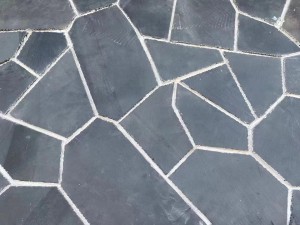
3. Slate Slate is favored for its distinctive layered appearance and comes in a variety of colors. It is highly durable and resistant to damage, making it suitable for both wet and dry environments.
4. Sandstone Sandstone provides a rustic aesthetic, often used in outdoor settings. Its natural color variations and textures enhance visual interest, while its durability ensures it withstands outdoor elements.
5. Marble Renowned for its luxury and elegance, marble is often used in upscale designs. Although more porous than other stones, proper sealing can protect it from staining.
Installation Process
The installation of high-quality wall cladding stones requires careful planning and execution. While some homeowners might consider DIY methods, hiring professional installers is advisable to ensure that the cladding is properly fitted and secure.
The process begins with preparing the wall surface. This may involve cleaning and leveling the area to ensure the stones adhere effectively. Next, a waterproof membrane is often installed to protect against moisture intrusion.
Once the preparation is complete, the stones are typically set using either mortar or a mechanical fastening system, depending on the type of stone and the desired finish. It's crucial to follow specific patterns and joints to maintain visual harmony.
Finally, after installation, a sealing process is conducted to protect the stones and enhance their color. Regular maintenance will keep the cladding looking its best, ensuring that the investment in high-quality stone pays off in aesthetics and function for years to come.
Conclusion
High-quality wall cladding stones provide a timeless and resilient solution for enhancing both the beauty and functionality of buildings. With a variety of materials available, homeowners and architects can choose the perfect stone to suit their design preferences and practical needs. Through careful selection and professional installation, stone cladding can dramatically elevate a property’s overall aesthetic while ensuring longevity and durability.





