The Fascination with China’s Crazy Paver Culture
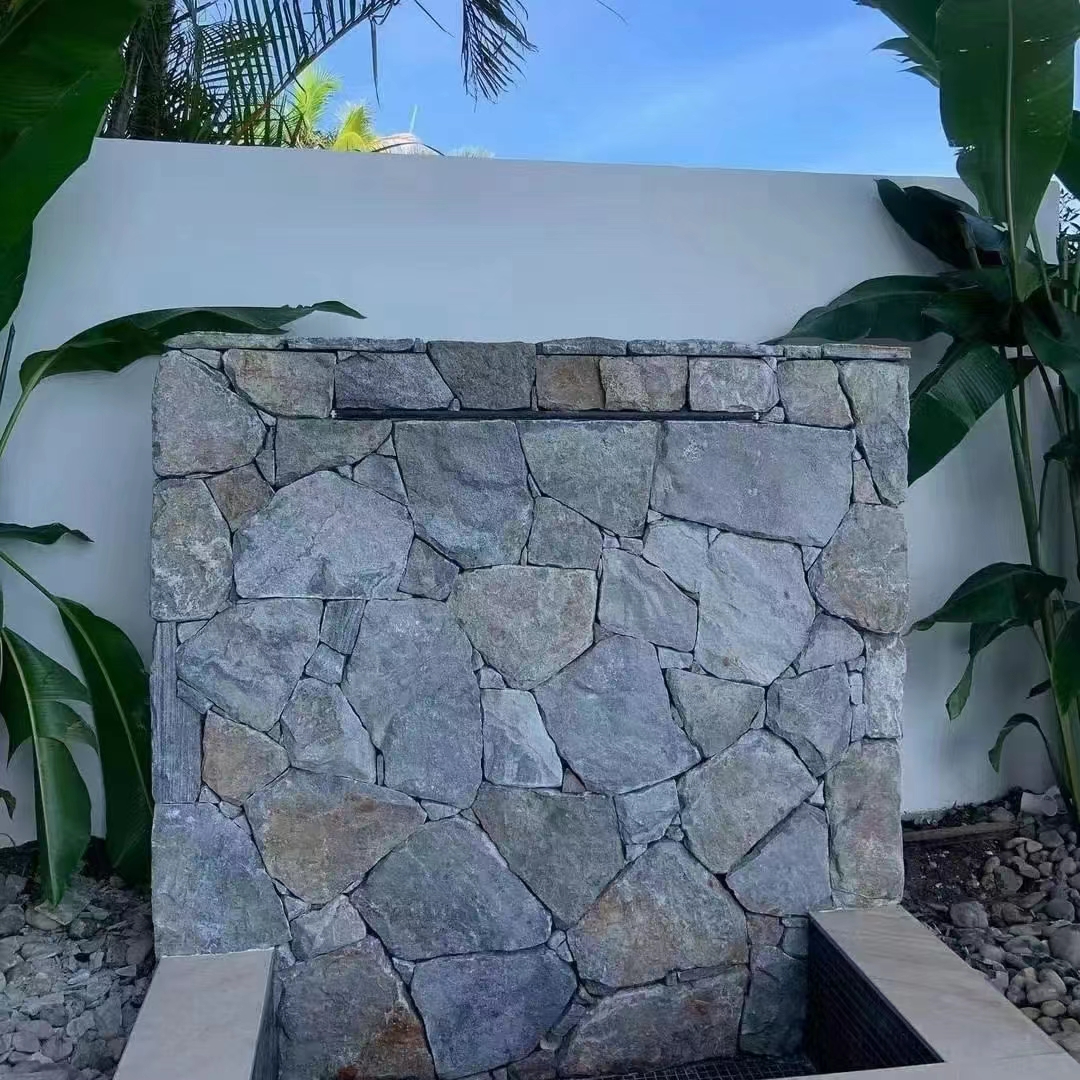
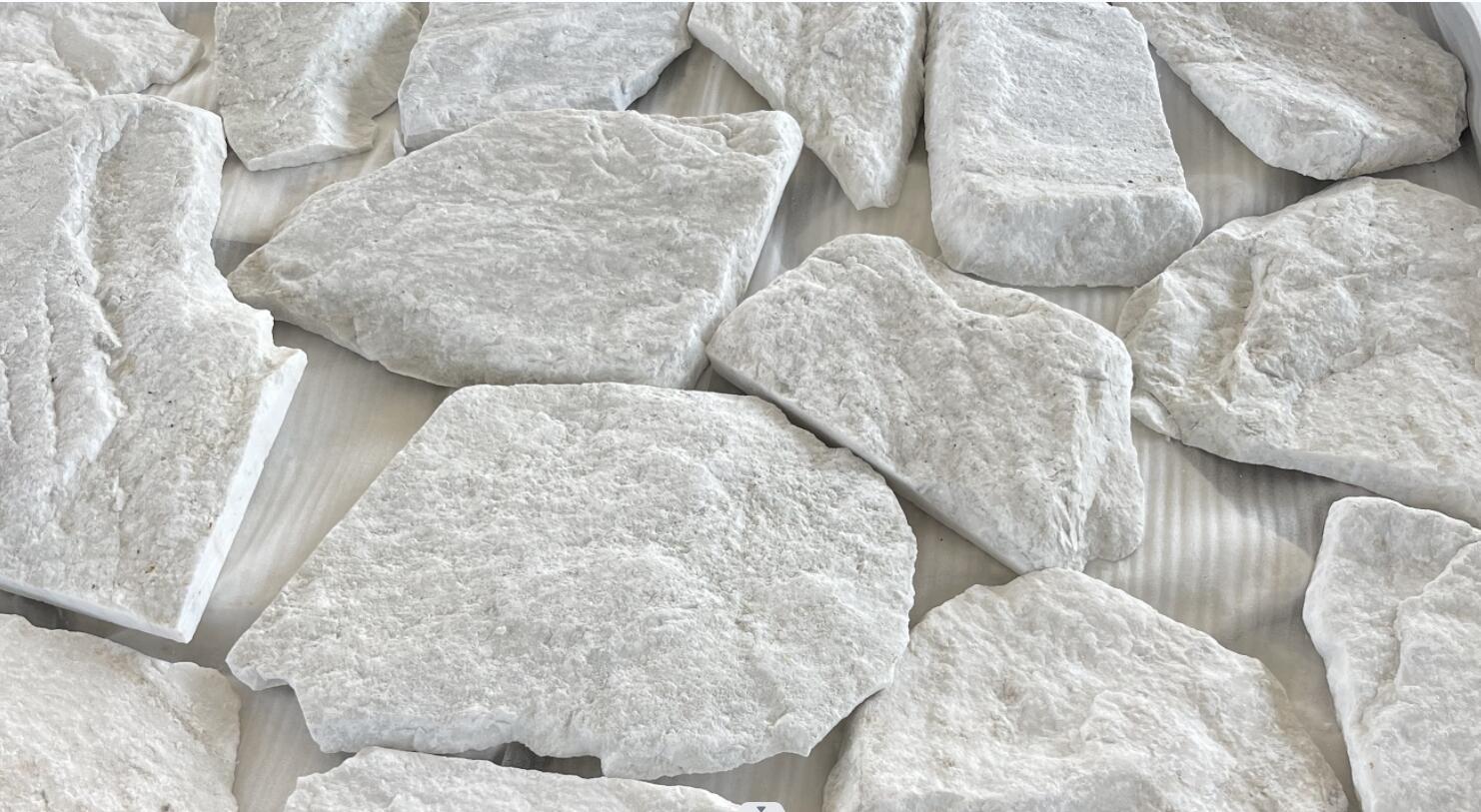
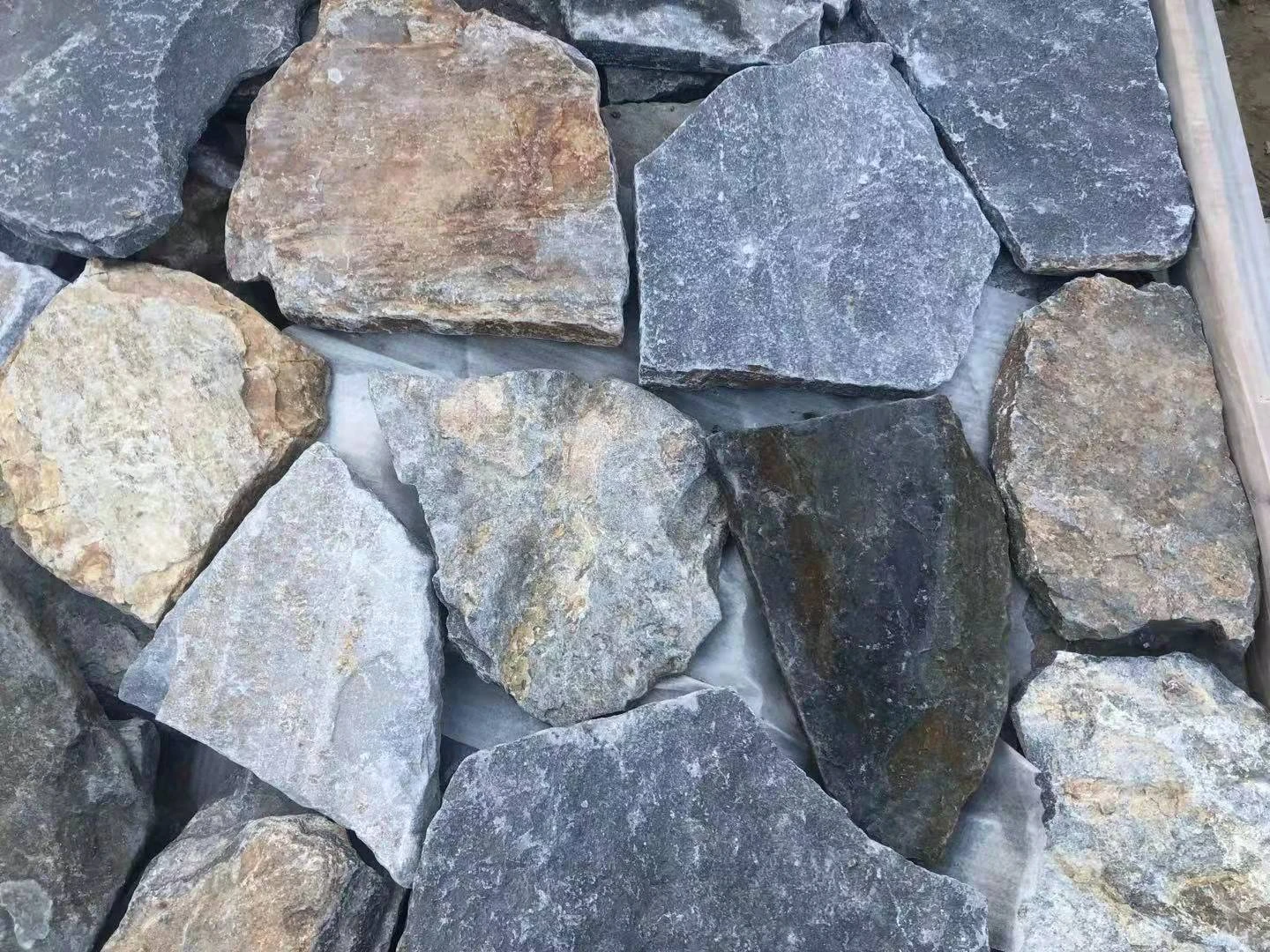
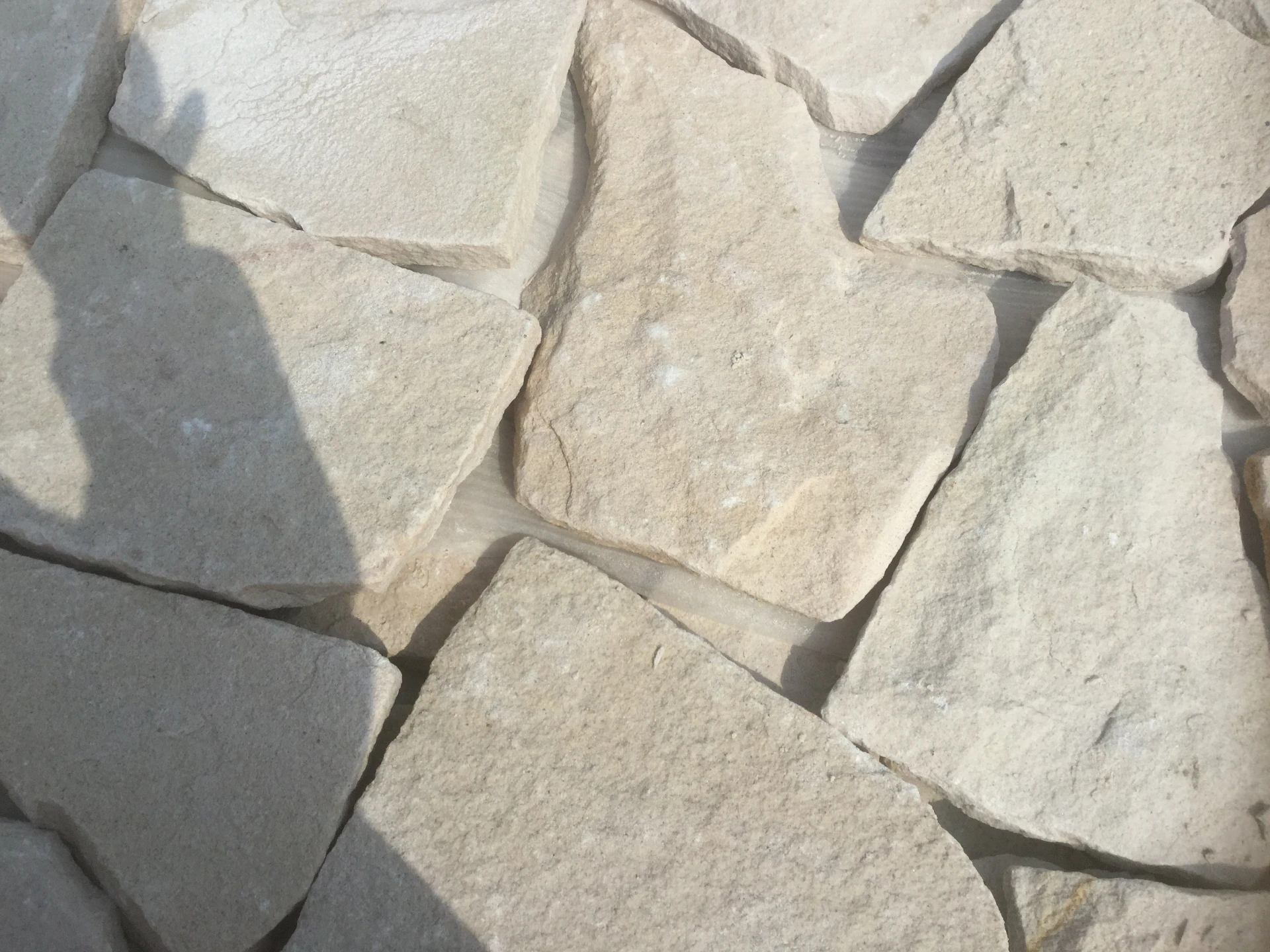
In recent years, the culture surrounding “crazy pavers” has caught the attention of many, particularly those intrigued by art, design, and innovative urban landscapes. The term “crazy pavers” refers to a style of paving where irregularly shaped stones or tiles are used to create dynamic and eye-catching surfaces. This concept finds its roots in a broader cultural appreciation for creativity and uniqueness in design, which has been notably embraced in various regions of China.
China is a country rich in history and tradition, but it is also known for its rapid modernization and urban development. The emergence of crazy pavers reflects a desire to blend traditional aesthetics with contemporary urban design. In many Chinese cities, where space is at a premium and urban landscapes are constantly evolving, the use of crazy pavers can transform mundane public spaces into vibrant works of art.
The Fascination with China’s Crazy Paver Culture
Moreover, crazy pavers resonate with the growing global trend of sustainability in design. By repurposing local stones or using environmentally friendly materials, municipalities can create pedestrian-friendly areas that encourage walking and social interaction. This design philosophy aligns beautifully with China’s initiatives to create greener cities and promote eco-consciousness among its citizens. Using diverse materials not only enhances the aesthetic appeal but also fosters local craftsmanship and industry.
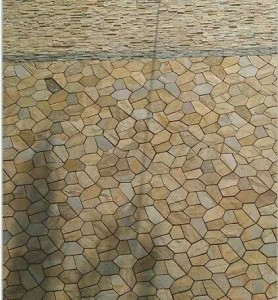
An additional aspect of the crazy paver phenomenon is its community-oriented spirit. When local artists, architects, and designers collaborate on public projects, they often involve community members in the design process, ensuring that the end result reflects the collective identity and wishes of the people. This participatory approach builds strong community ties and creates a sense of ownership among residents, which is crucial in densely populated urban areas.
While the concept may seem whimsical or eccentric, it is anchored in a profound understanding of place-making. Crazy pavers can encourage social interaction and promote cultural expression by creating spaces where people want to gather, relax, and celebrate their surroundings. Events held in these creatively designed spaces can foster community spirit and cultural awareness, as individuals engage with their local heritage in a modern context.
However, the rising popularity of crazy pavers is not without its challenges. The maintenance of these intricate designs can require considerable effort and resources, particularly in bustling urban areas where wear and tear are common. Municipalities must find a balance between creativity and practicality, ensuring that these artistic installations remain not only beautiful but also functional and durable.
In conclusion, the craze for crazy pavers in China is more than just a passing trend; it represents a shift towards more innovative, sustainable, and community-oriented urban design. As cities continue to grow and modernize, integrating these artistic elements into our public spaces can promote cultural identity and enhance the quality of life for urban dwellers. With its unparalleled blend of creativity and functionality, the crazy paver movement is set to leave a lasting mark on the urban landscapes of China and beyond.