Exploring the Phenomenon of Crazy Paving in China
In recent years, the concept of crazy paving has gained traction, especially in the realm of outdoor design and landscaping. Known for its irregular shapes and eclectic patterns, crazy paving has become a favored choice for creating visually stunning surfaces that stand out from conventional paving options. In China, this trend is not just a mere aesthetic choice; it reflects a deeper cultural appreciation for creativity, individuality, and the blending of traditional and modern design elements.
Understanding Crazy Paving
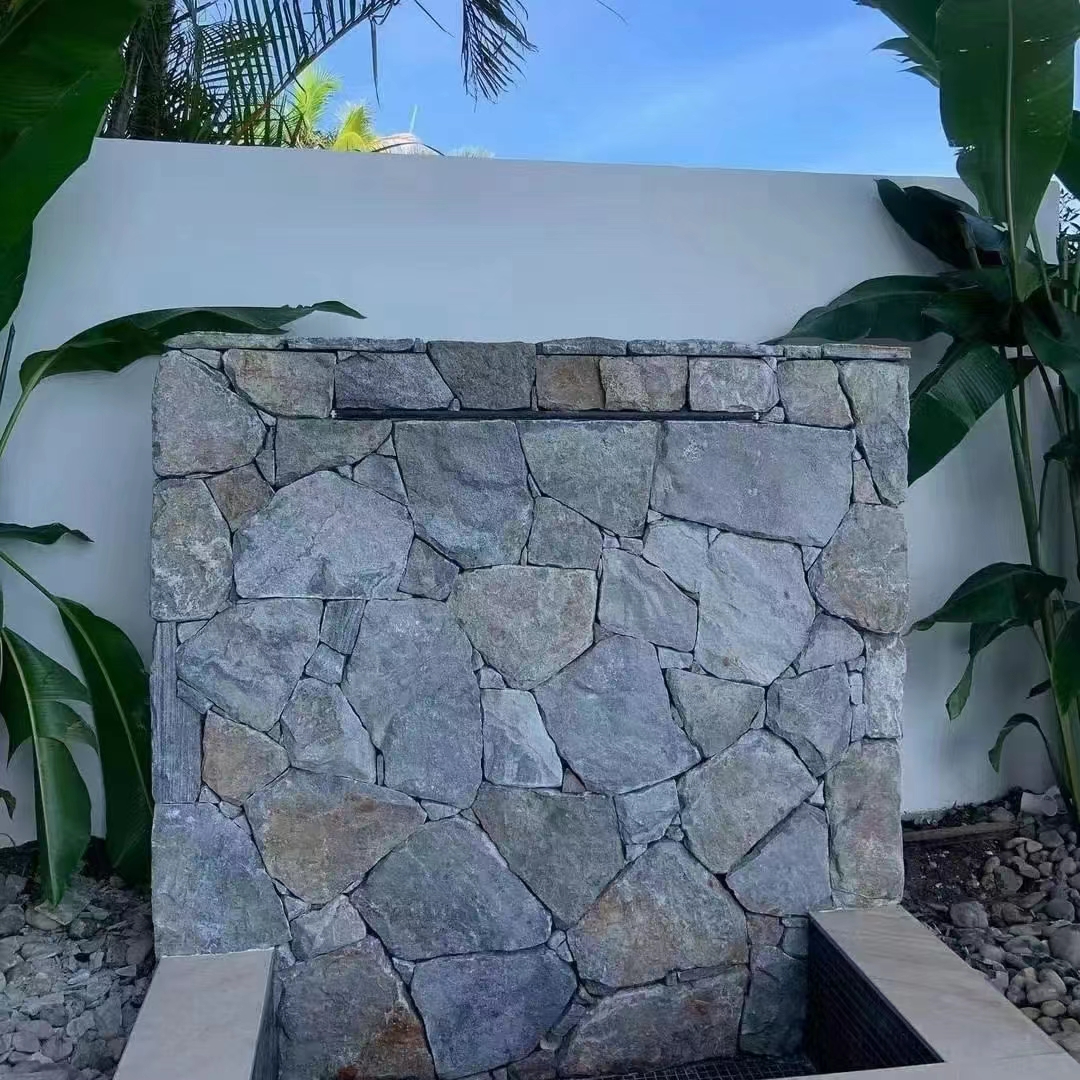
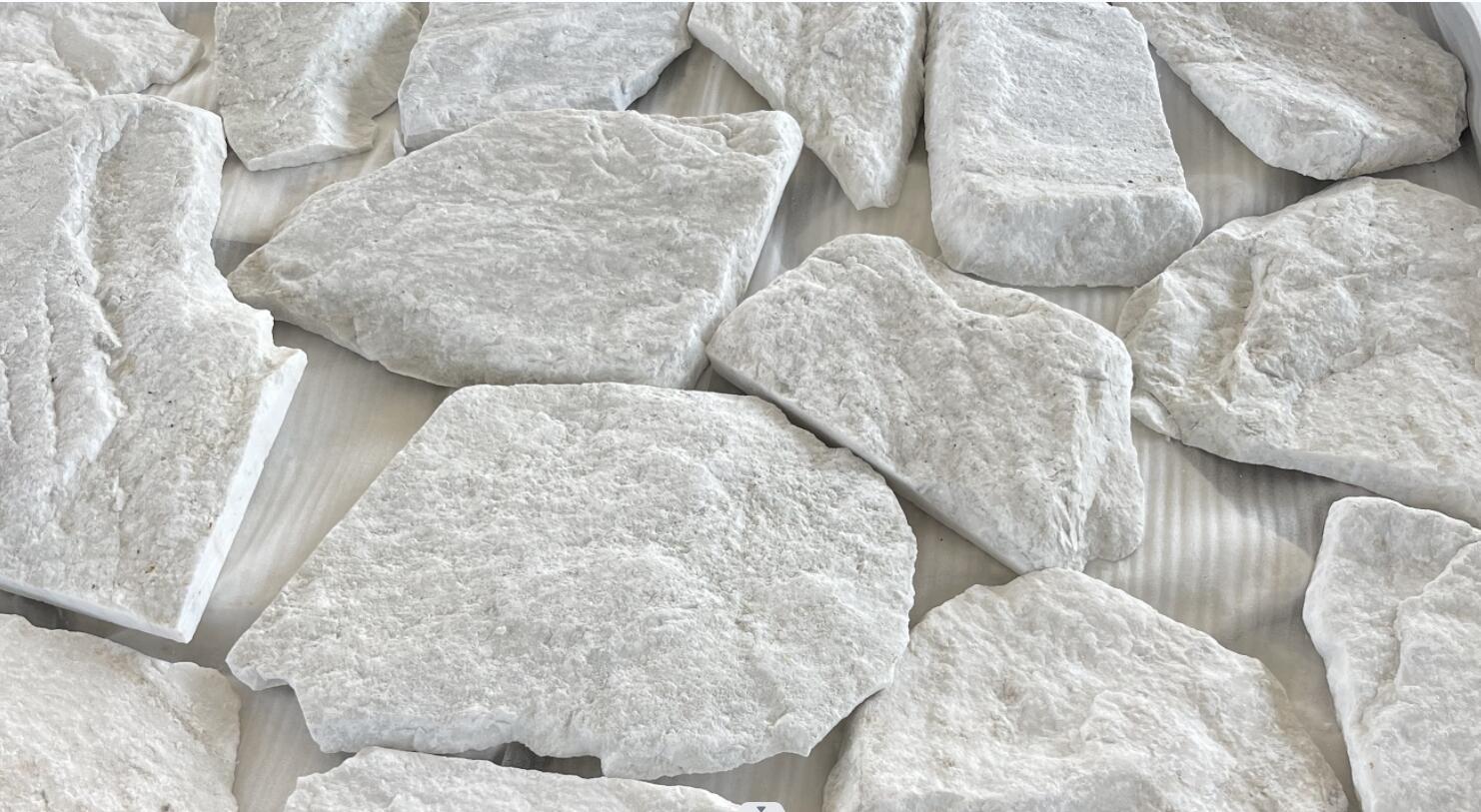
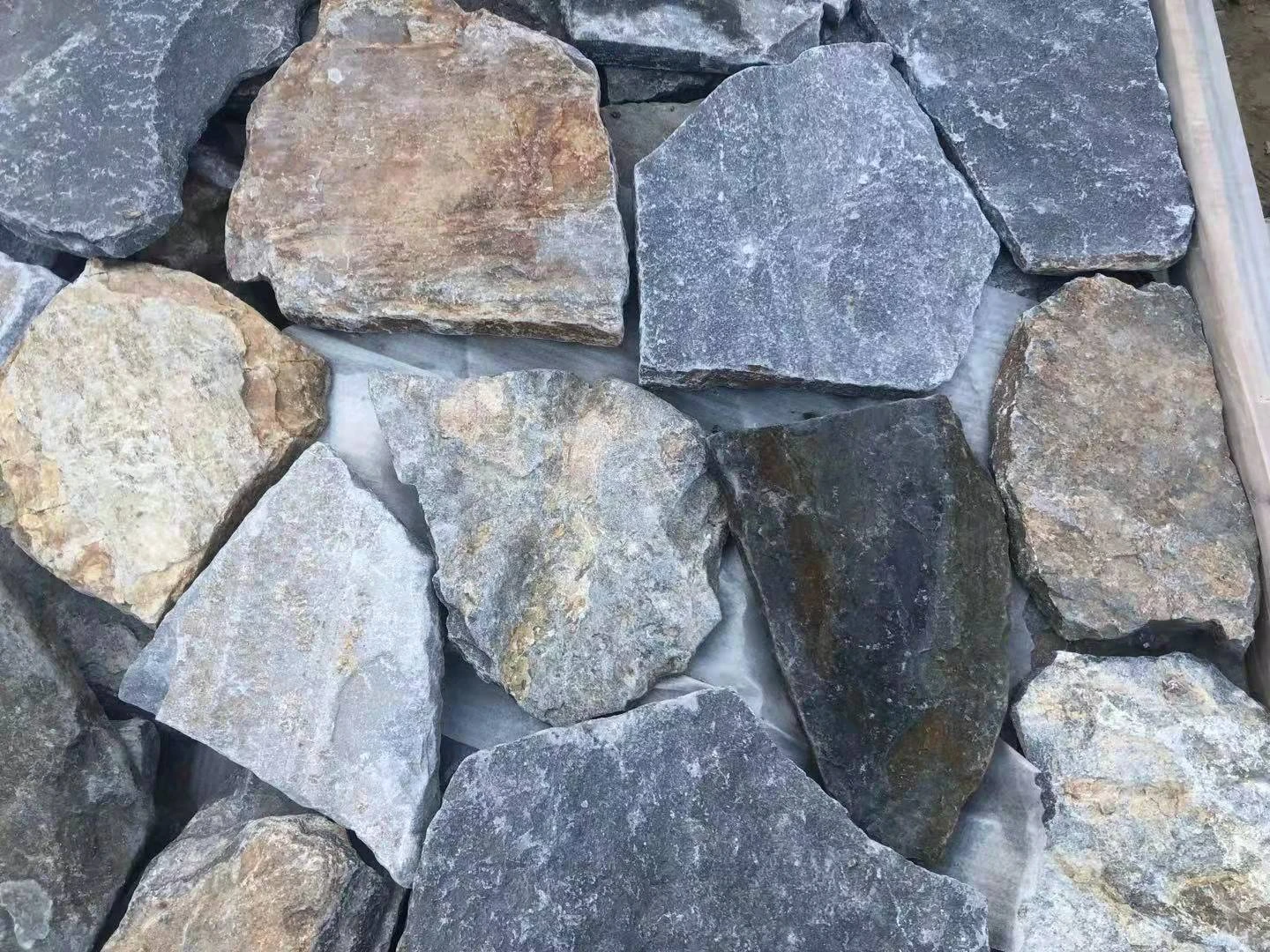
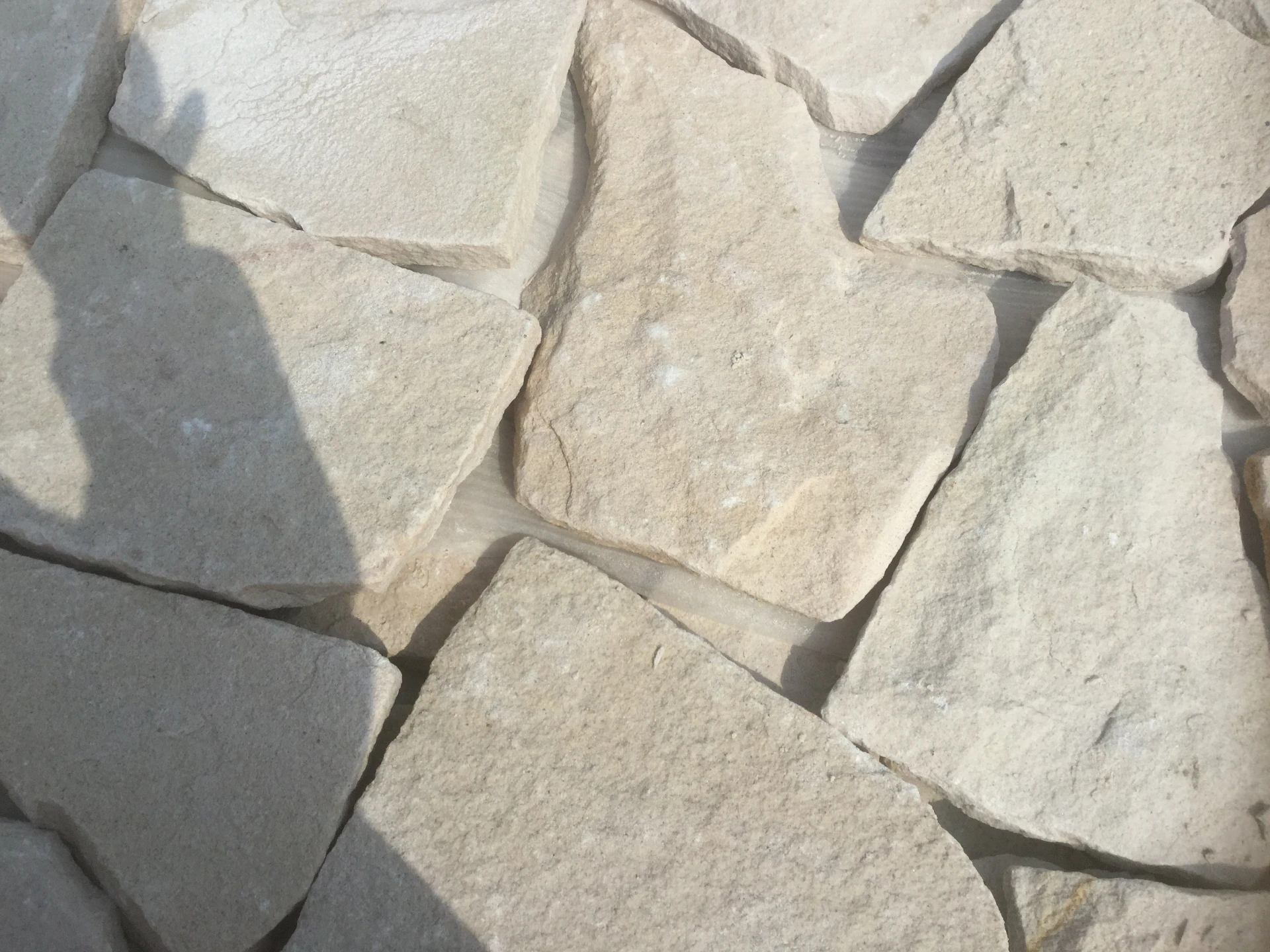
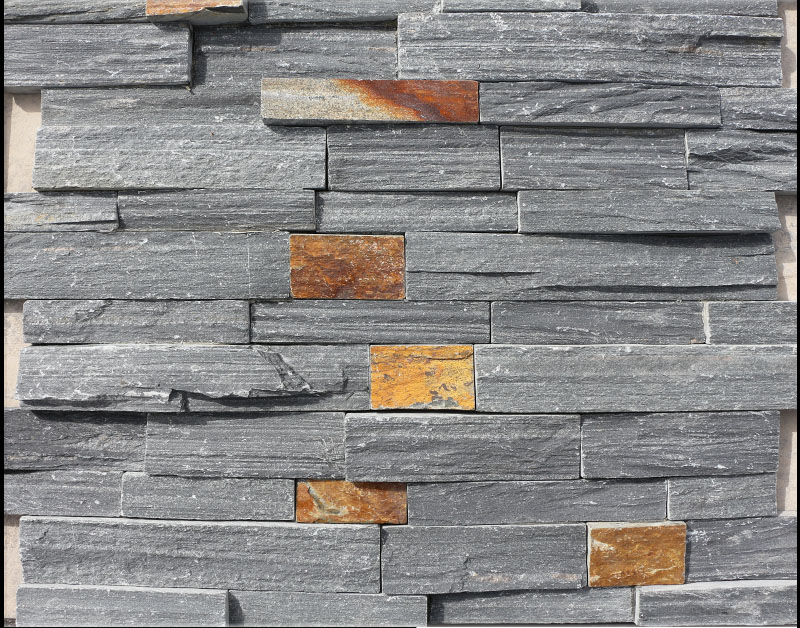
Crazy paving, also known as random stone paving, refers to a method of laying stones or tiles in an irregular, seemingly haphazard manner. The result is a unique surface that can be utilized for patios, garden paths, or even decorative indoor spaces. While the technique originated in ancient times, its revival in modern landscaping speaks to a growing awareness of design possibilities that embrace variation and personality.
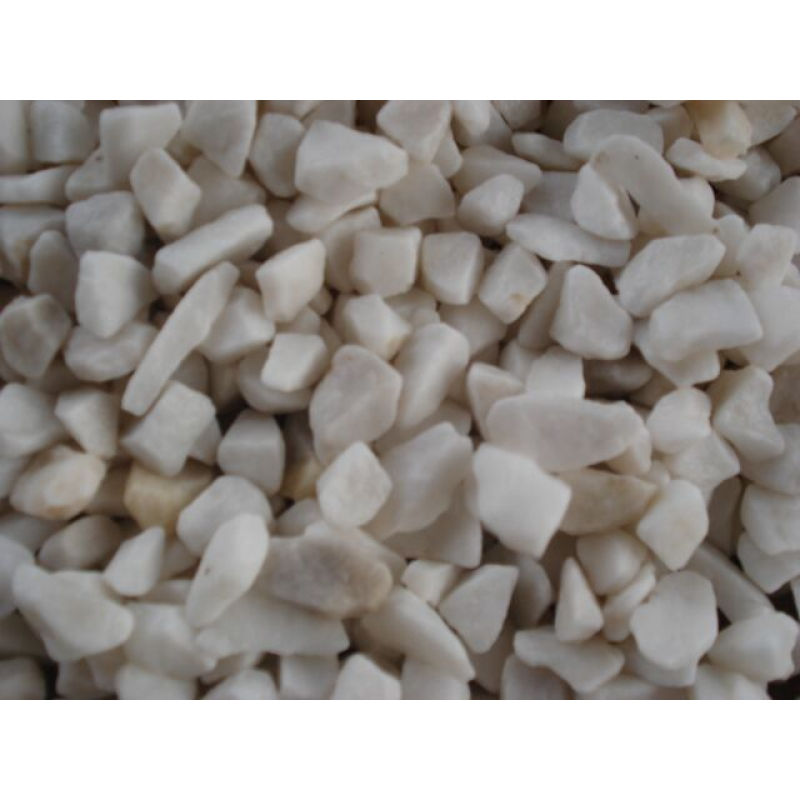
In China, crazy paving is quickly becoming a preferred option for homeowners looking to add character to their outdoor spaces. The beauty of crazy paving lies in its versatility; it can accommodate various materials—from natural stones, bricks, to tiles—making it suitable for a range of environments, from rustic gardens to contemporary outdoor lounges.
Cultural Aspects of Crazy Paving in China
The rising popularity of crazy paving in China also intertwines with the nation’s complex relationship with nature and aesthetics. Traditional Chinese gardens emphasize harmony with nature, often showcasing elements like rocks, water features, and carefully designed pathways. Crazy paving complements this ethos by offering a more naturalistic approach to paving that seamlessly integrates with the organic forms found in nature.
Moreover, the chaotic yet beautifully arranged patterns of crazy paving can be seen as a reflection of Chinese philosophy. The concept of yin and yang, where balance is created through contrasting elements, can be interpreted in the seemingly discordant yet harmonious arrangement of stones in a crazy paving setup. This connection adds an extra layer of meaning, making crazy paving not only a practical choice but also a philosophical statement.
Eco-Friendly Considerations
As environmental consciousness continues to grow, the eco-friendliness of materials used in crazy paving has become an important factor for many consumers. In China, there is a notable trend toward using sustainable and recycled materials for landscaping projects. Natural stones and reclaimed bricks are increasingly favored for their durability, aesthetic appeal, and minimal environmental impact.
Additionally, crazy paving allows for better drainage compared to more traditional paved surfaces. The gaps between stones can facilitate water absorption, reducing runoff and promoting healthier soil. As urban areas in China continue to grapple with issues of flooding and water management, the practicality of crazy paving offers a viable solution.
Conclusion
In conclusion, the phenomenon of crazy paving in China encapsulates a fusion of artistry, culture, and environmental awareness. As more homeowners and landscape designers embrace this unique approach to outdoor paving, the trend reflects a broader shift toward creativity and individuality in design. Whether used in tranquil gardens, bustling urban spaces, or serene patios, crazy paving serves as a testament to the evolving aesthetic values in contemporary China.
As we look to the future, it will be interesting to observe how this trend continues to develop and influence landscape architecture. Crazy paving stands not only as a distinctive style but also as a representation of a culture that cherishes the beauty of imperfection and the diversity of nature.