The Beauty and Functionality of Garden Pavers
Creating an inviting outdoor space is an essential part of gardening and landscape design. One of the most effective ways to enhance the aesthetic appeal of your garden while ensuring durability is through the use of garden pavers. These versatile materials come in various designs, sizes, and colors, allowing homeowners and landscapers to emphasize different aspects of their outdoor areas.
Understanding Garden Pavers
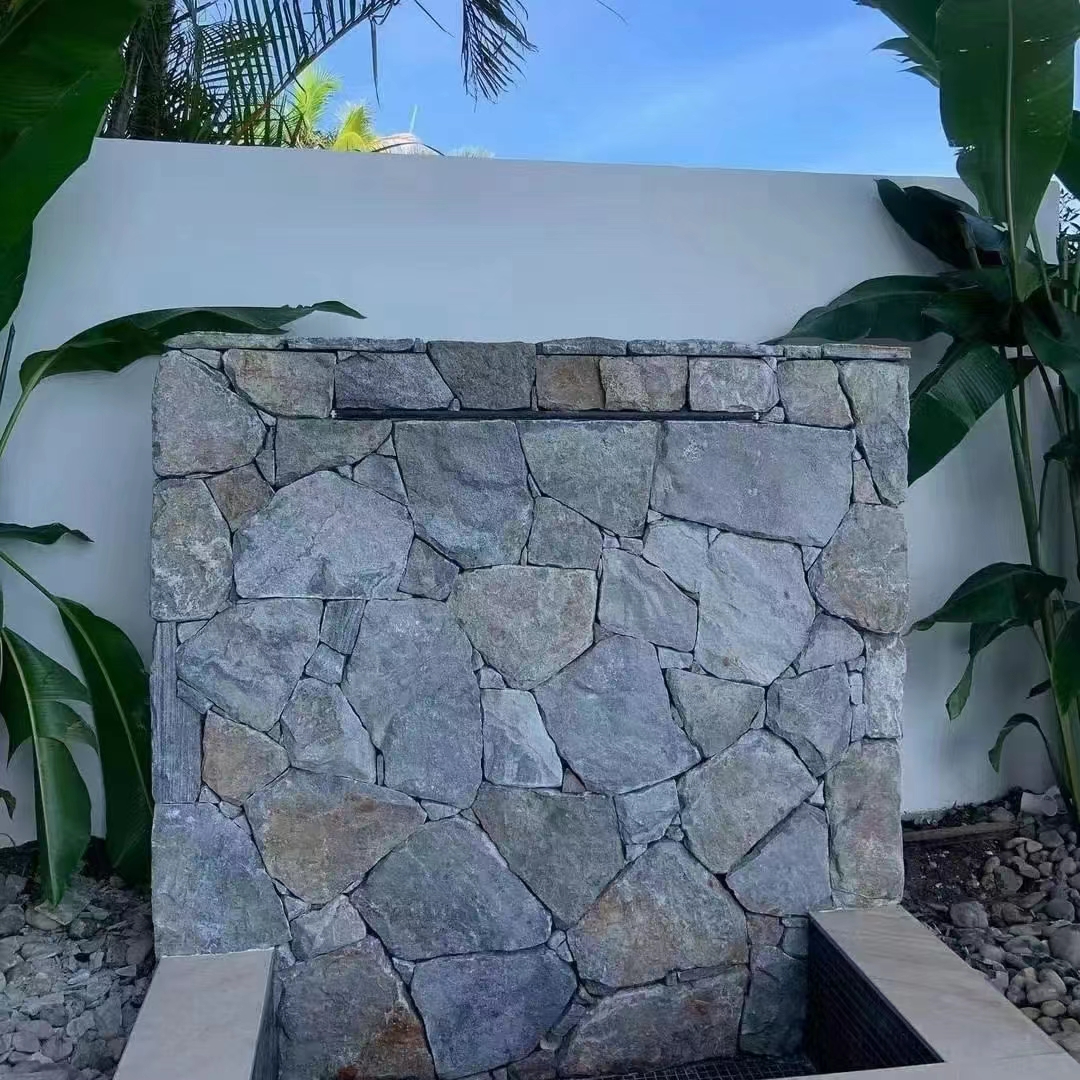
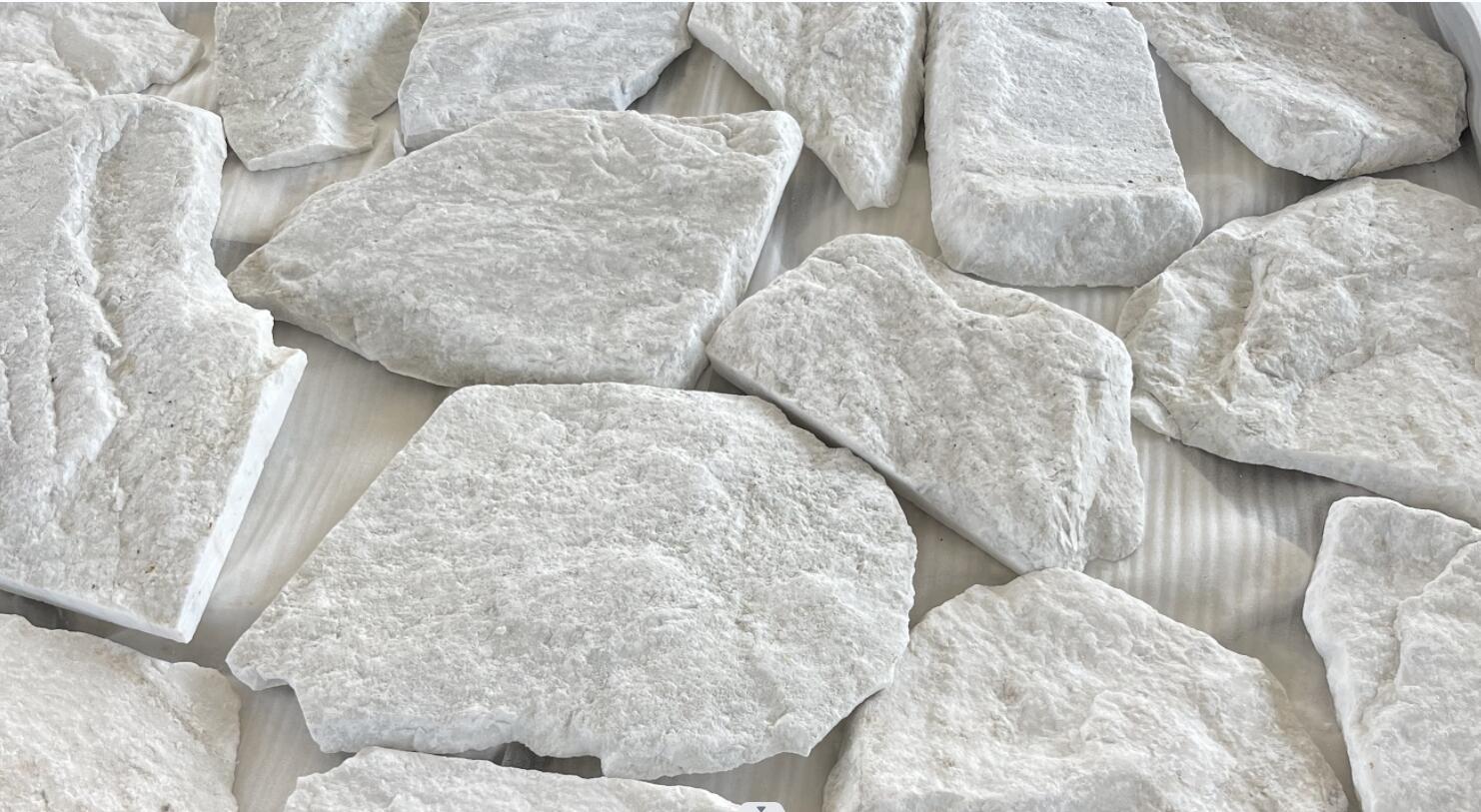
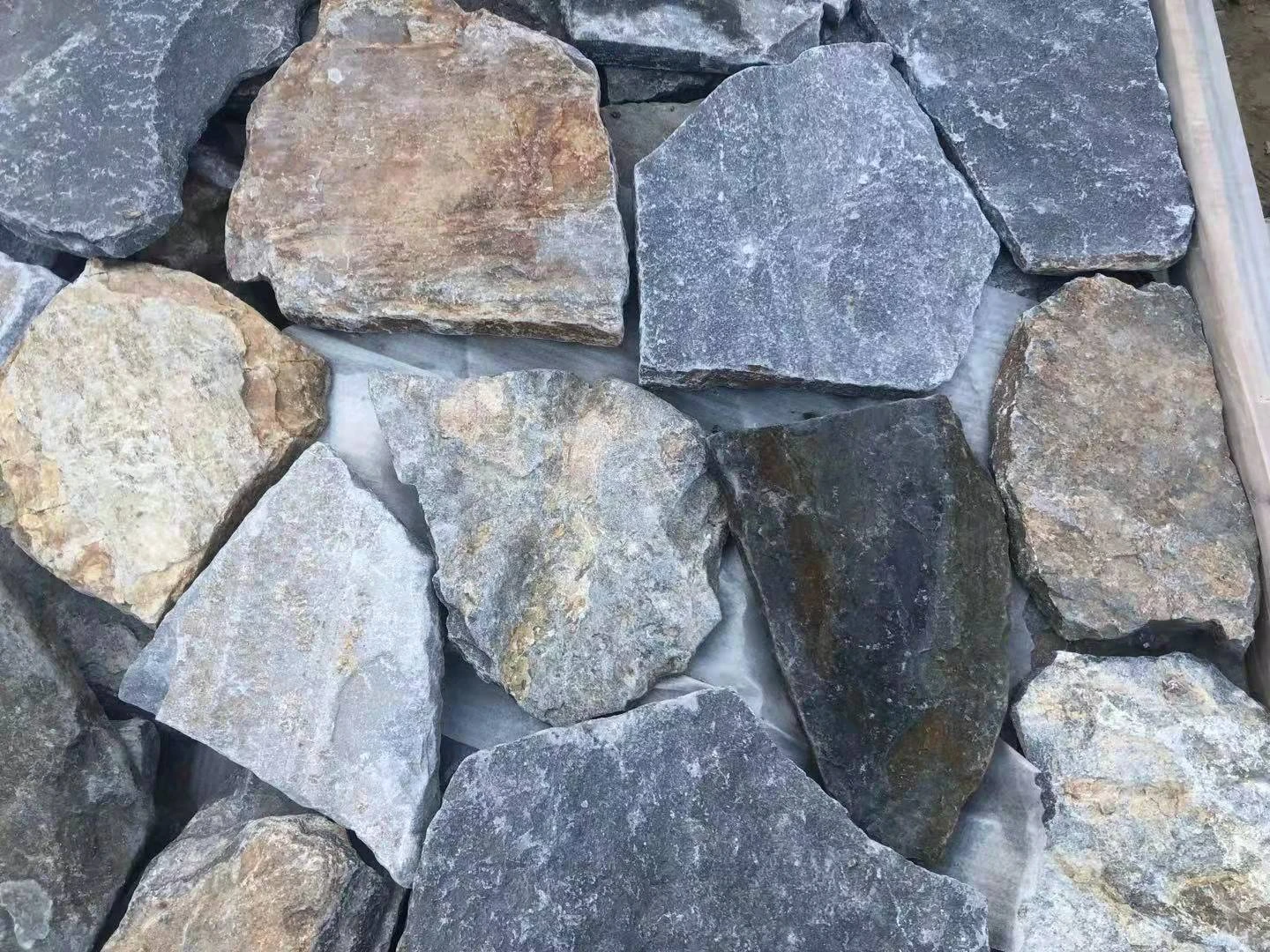
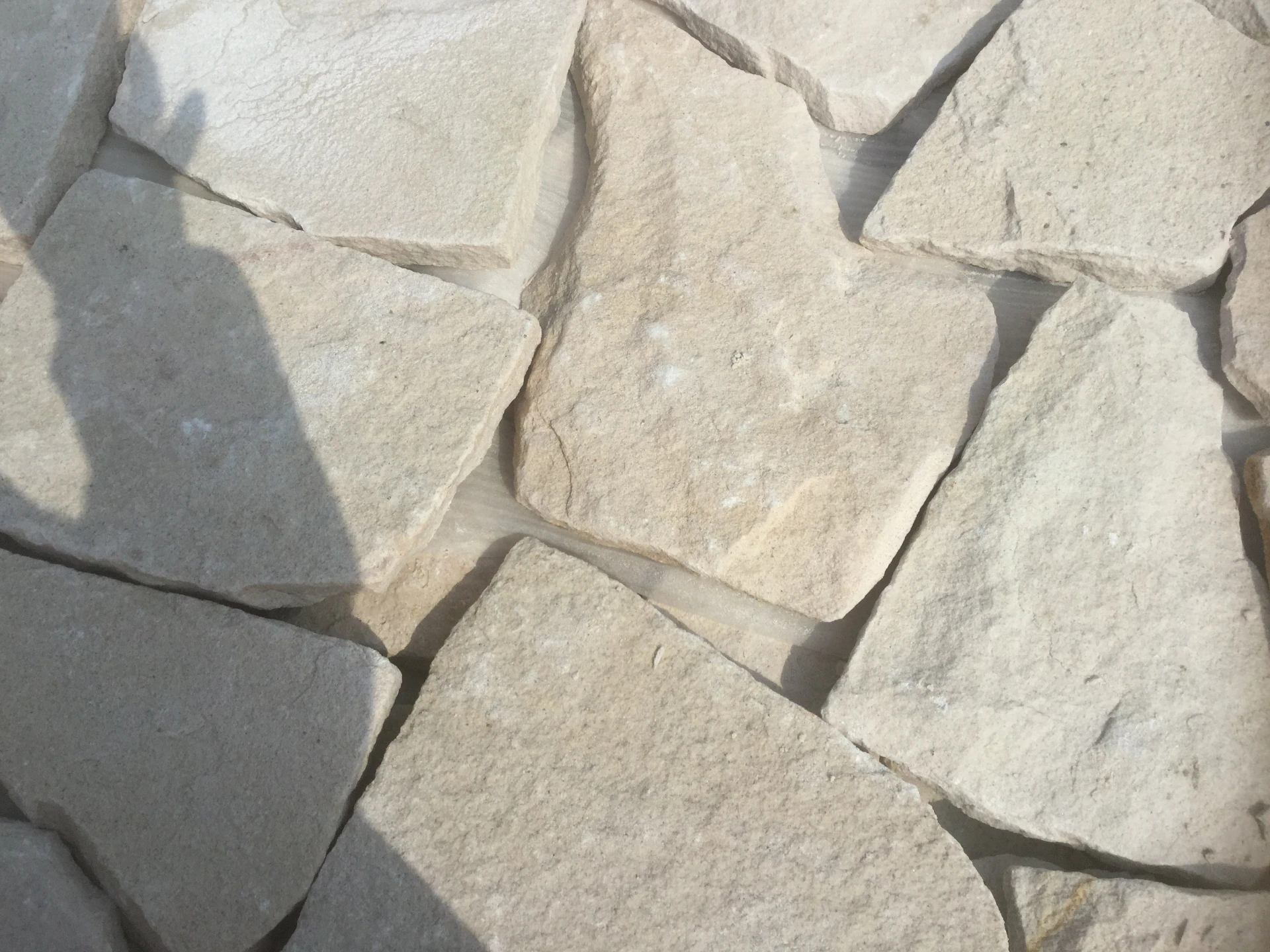
Garden pavers, often referred to as paving stones, are blocks or slabs made from materials such as concrete, stone, clay, or brick, designed to create pathways, patios, and other flat surfaces in outdoor settings. The versatility of pavers allows for creative expressions, from formal designs to rustic, country looks that complement the natural environment.
Benefits of Using Pavers
1. Durability Pavers are known for their sturdiness and resistance to weather elements. Unlike other materials that can crack or fade overtime, high-quality pavers can withstand extreme temperatures and heavy foot traffic, making them a long-term investment for your garden.
2. Ease of Maintenance One of the main advantages of garden pavers is the ease of maintenance. They are simple to clean — usually requiring just a sweep and occasional wash. Additionally, because pavers can be replaced individually, any damaged pieces can be swapped out without having to redo an entire area.
3. Aesthetic Appeal With an extensive range of styles, shapes, and colors available, pavers can be tailored to suit any garden design. From modern sleek lines to traditional cobblestones, the choice is yours, allowing your garden to reflect personal taste and style.
4. Improved Drainage Many pavers are designed to allow water to drain between them, minimizing puddles and promoting better water management in your garden. This effective drainage system helps maintain soil health and reduces the risk of erosion.
Choosing the Right Pavers
When selecting pavers for your garden, consider factors such as location, compatibility with existing landscape elements, and your personal style. For instance
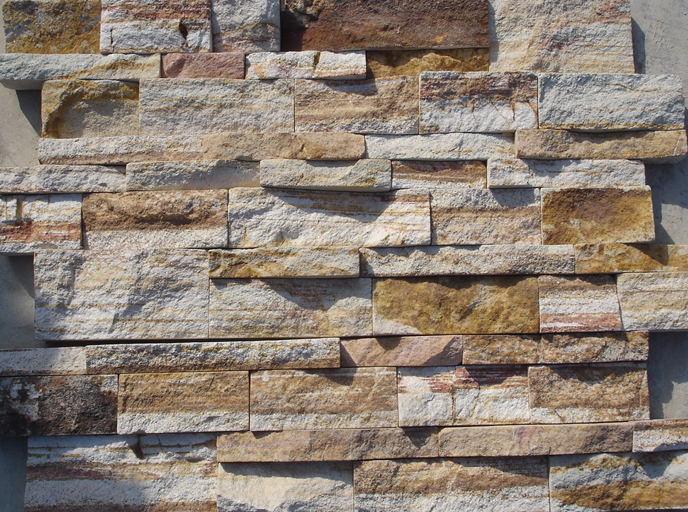
- Material Concrete pavers are economical and customizable; natural stone offers a sophisticated look but can be more expensive. Clay pavers are durable and come in classic hues, while permeable pavers provide eco-friendly options. - Texture and Color Select textures that complement other surfaces in your garden. Whether opting for smooth finishes or more textured options, letting your personal aesthetic shine will create a cohesive look.
- Size and Shape Choose pavers that fit the scale of your project. For larger areas, oversized pavers can provide a dramatic impact, while smaller pavers can offer intricate patterns and designs for pathways or patios.
Installation Tips
While many homeowners may consider installing pavers themselves, hiring a professional ensures that the job is done correctly. If you take on the project yourself, follow these essential steps
1. Prepare the Base Start by marking the area and digging out the soil to the necessary depth. Ensure proper leveling to create a solid foundation.
2. Lay a Base Material Using crushed stone or gravel as a base material prevents shifting and provides stability.
3. Arrange the Pavers Start placing the pavers in your desired pattern, allowing some space in between for sand or joint filler.
4. Fill the Gaps Once all pavers are in place, fill in the joints with sand, which will help secure the pavers and prevent weeds from growing.
Conclusion
Incorporating garden pavers into your outdoor space can create a beautiful, functional environment that increases the visual appeal of your property while providing practicality and durability. With endless design possibilities, the right pavers can transform your garden into an oasis of style and comfort — a place where you can create lasting memories with family and friends. So, whether you are looking to define pathways, build a patio, or enhance your garden's landscape, pavers are the perfect choice.