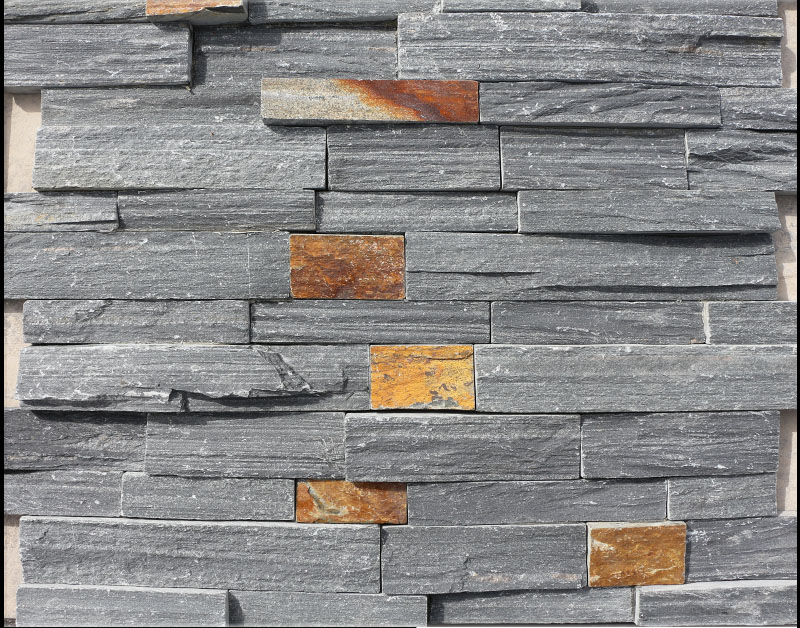
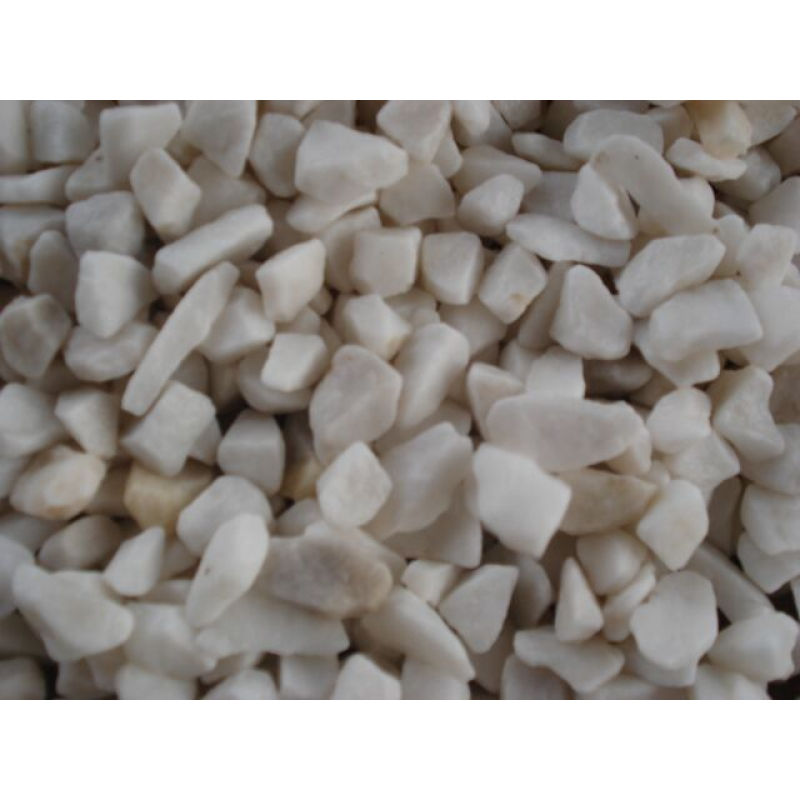
In the dynamic landscape of architectural design and interior surfacing, the selection of materials plays a pivotal role in defining both aesthetic appeal and functional longevity. Among the myriad options available, black mosaic for wall installations stands out as a sophisticated, durable, and exceptionally versatile choice, increasingly favored by architects, interior designers, and B2B procurement specialists. This material transcends mere decorative application, offering a strategic advantage in projects demanding a blend of enduring quality, profound visual impact, and low maintenance. Its deep, rich tones and intricate patterns contribute to spaces that exude elegance, modernity, and a timeless character. Beyond its immediate aesthetic benefits, understanding the technical specifications, manufacturing intricacies, and diverse application scenarios of black mosaic for wall is crucial for making informed decisions that align with long-term project goals and return on investment. The industry's evolution continually introduces refined processes and innovative applications, further solidifying the position of mosaic tiling as a premier surfacing solution.
The demand for premium surfacing materials has surged, driven by a global emphasis on high-performance buildings and aesthetically rich environments. This trend is particularly evident in commercial, hospitality, and high-end residential sectors, where distinguishing features are paramount. While a broad spectrum of materials exists, from engineered composites to natural stones, the intrinsic properties of natural stone, meticulously crafted into mosaic forms, offer unparalleled benefits. These include superior durability, resistance to wear and tear, and a unique geological signature that cannot be replicated. Furthermore, advancements in installation techniques and adhesive technologies have made black mosaic for wall more accessible and efficient to deploy across various scales of projects. From grand hotel lobbies seeking a statement piece to intimate residential bathrooms requiring a touch of luxury, the adaptability of this material ensures its relevance across diverse architectural briefs. Strategic planning in material selection, therefore, involves a holistic evaluation of aesthetic vision, performance requirements, and the long-term value proposition offered by materials such as sophisticated mosaic stone.
The increasing complexity of building codes and sustainability mandates also influences material choices. Black mosaic for wall, especially when sourced responsibly, contributes positively to green building initiatives due to the natural origin and long lifespan of its constituent materials, often reducing the need for frequent replacement and thus minimizing waste. This aligns with the growing imperative for sustainable construction practices, making it an attractive option for projects aiming for LEED certification or similar environmental accreditations. Moreover, the enduring appeal of black as a foundational color in design ensures that installations maintain their relevance and visual freshness over decades, avoiding premature obsolescence. This intrinsic resilience, both in material composition and aesthetic timelessness, underpins the strategic value of investing in high-quality black mosaic for wall solutions. The subsequent sections will delve deeper into the technical aspects, market dynamics, and operational advantages that empower B2B stakeholders to leverage this material to its fullest potential, addressing specific challenges and unlocking new design possibilities.
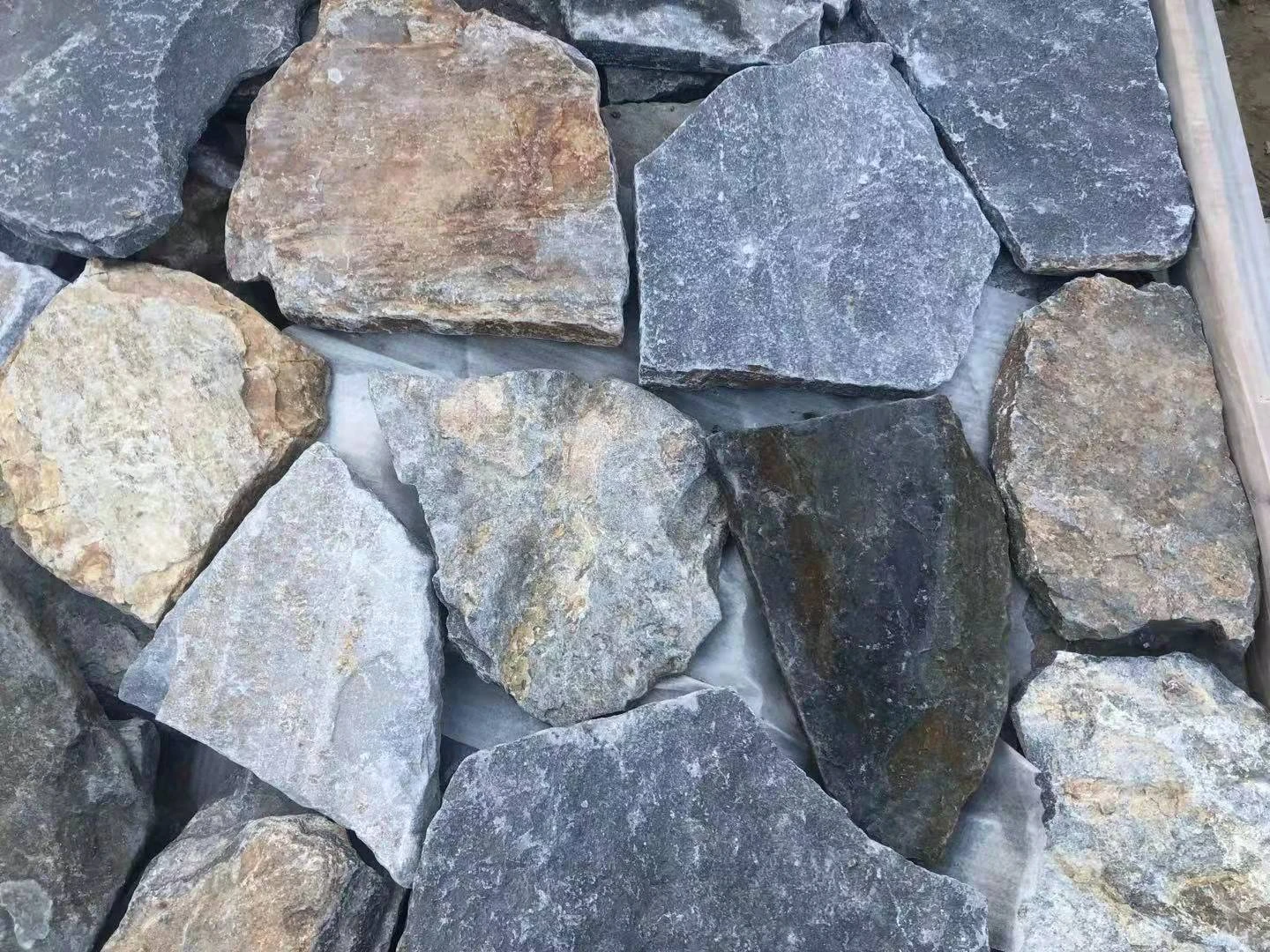
The creation of a high-quality black mosaic for wall panel is a meticulous process that combines traditional craftsmanship with advanced manufacturing technologies, ensuring both aesthetic fidelity and structural integrity. This journey typically begins with the careful selection of raw stone material, often sourcing premium variants of black marble, granite, or highly sought-after irregular black limestone, renowned for its deep coloration and unique textural qualities. The sourcing phase is critical, involving geological surveys and rigorous material quality checks to ensure the stone meets specified criteria for color consistency, density, and absence of significant geological flaws. Suppliers, such as a reputable china quartz ledgestone supplier, often maintain their own quarries or have long-standing relationships with quarry operators to guarantee a steady supply of high-grade raw materials. The initial large blocks of stone are then transported to processing facilities, where the transformation into intricate mosaic elements commences. This foundational step dictates the ultimate strength and visual appeal of the final product, underscoring the importance of material provenance.
Upon arrival at the factory, the raw stone blocks undergo a series of precision cutting operations. Utilizing advanced multi-blade gang saws or wire saws, the large blocks are first sectioned into slabs of specific thicknesses, typically ranging from 8mm to 20mm, depending on the desired mosaic tile dimension and application. These slabs are then transferred to automated cutting machines, such as CNC waterjet cutters or diamond-blade saws, which precisely cut the stone into individual mosaic pieces. The shapes can vary significantly, from standard squares and rectangles to more intricate geometric patterns, or even randomized "crazy shape" designs, sometimes utilizing off-cuts from larger projects involving limestone for paving or other architectural elements to minimize waste. This stage requires exceptional precision to ensure uniform sizing and clean edges, which are paramount for seamless mosaic assembly. The dust extraction systems and water recycling protocols implemented during this phase are crucial for environmental compliance and worker safety, reflecting the modern stone industry's commitment to sustainable practices and responsible manufacturing.
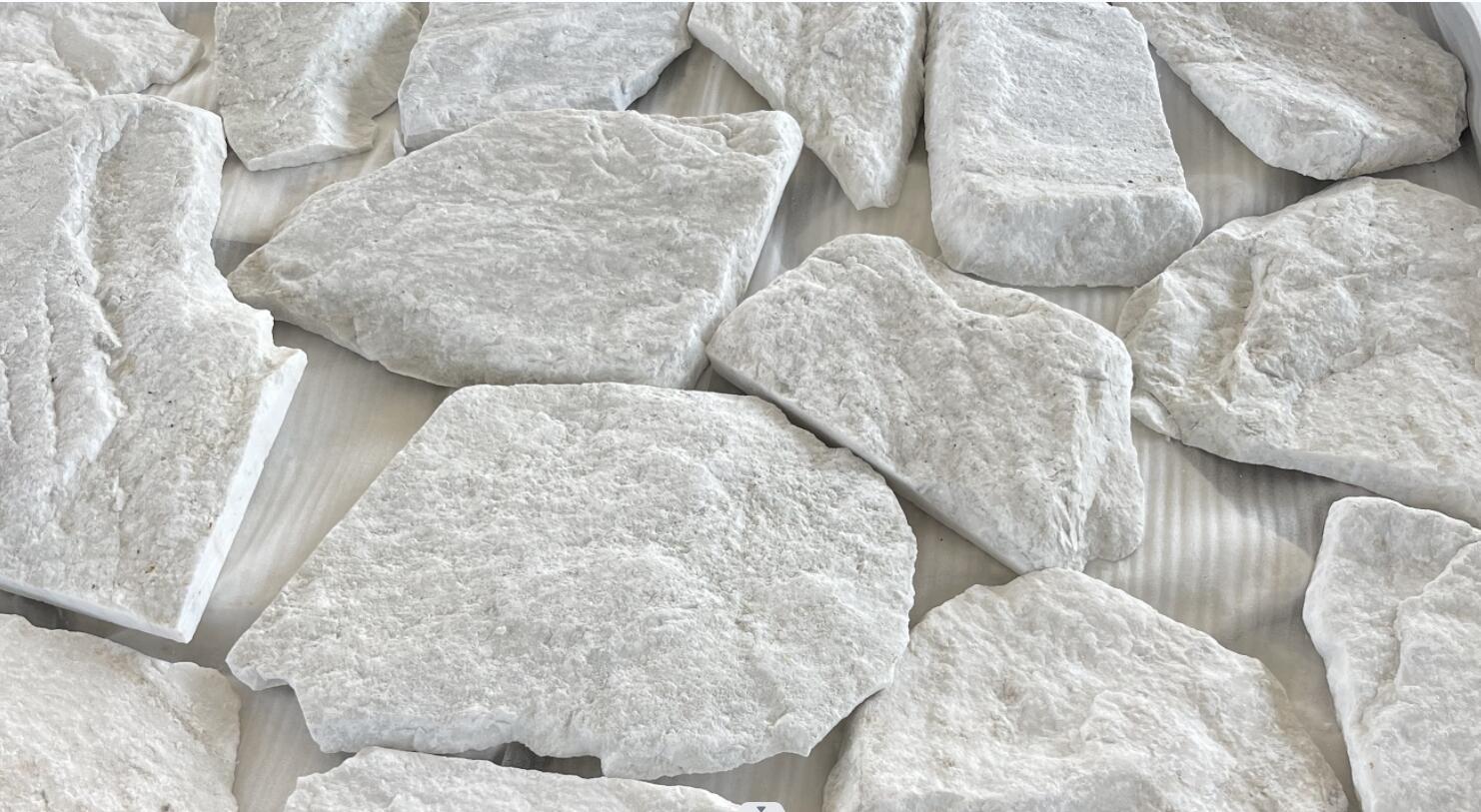
Following cutting, the individual mosaic pieces undergo a series of finishing treatments to achieve the desired surface texture and appearance. This can include tumbling for a softened, antique look; honing for a matte finish; or polishing for a high-gloss, reflective surface. Acid washing might also be applied to enhance the natural texture and color depth of certain black stones. For products like the White Quartz Water Flow Natural Stacked Stone Panel, a specific 'water flow' or 'split-face' finish is achieved by hand-splitting the stone, creating a rugged, three-dimensional texture that captures light uniquely. Quality control checks are performed at each finishing stage to ensure consistency in texture, color, and size. After finishing, the individual mosaic tiles are meticulously arranged and adhered to a mesh backing, typically made of fiberglass, to form pre-assembled sheets. This mesh backing facilitates easier handling and installation on-site, significantly reducing labor time and ensuring precise alignment of the mosaic pattern. The adhesive used for attaching the tiles to the mesh must be durable, weather-resistant, and compatible with various mortar types, adhering to standards such as ASTM C484 for adhesive strength.
The final stages of the manufacturing process for black mosaic for wall involve stringent quality inspection, packaging, and preparation for shipment. Before packaging, each mosaic sheet undergoes a comprehensive final inspection to verify adherence to design specifications, dimensions, color consistency, and the absence of defects. This stage also includes checks against international standards such as ISO 9001 for quality management systems and ANSI A137.1 for ceramic tile manufacturing, although tailored for natural stone. Key parameters like surface flatness, joint uniformity, and the integrity of the mesh backing are carefully scrutinized. For products destined for exterior applications, such as decorative wall cladding exterior or stacked slate cladding, additional tests for frost resistance (e.g., ASTM C67) and water absorption (e.g., ASTM C97) are performed to ensure long-term durability in varying climatic conditions. The mosaic panels are then carefully packed in robust crates, often with interleaf padding, to prevent damage during transit. The manufacturing process is designed for optimal efficiency, minimal waste, and consistent quality, ensuring that the final black mosaic for wall product meets the exacting demands of B2B clients, providing an elegant and resilient surfacing solution for a wide array of architectural and design projects.
Understanding the technical specifications of black mosaic for wall is paramount for architects, engineers, and procurement specialists making informed decisions for B2B projects. These parameters quantify the material's performance, durability, and suitability for various applications, ensuring compliance with industry standards and long-term project viability. The primary material composition heavily influences these metrics; for black mosaics, this often entails metamorphic rocks like marble or sedimentary rocks such as limestone or slate, each imparting distinct physical and chemical properties. For instance, the density of a mosaic tile, typically measured in kilograms per cubic meter (kg/m³), indicates its inherent strength and often its porosity. Higher density usually correlates with lower water absorption, which is critical for areas prone to moisture or outdoor installations like decorative wall cladding exterior. Water absorption, expressed as a percentage, measures the amount of water a stone can absorb by weight, with lower percentages indicating greater frost resistance and dimensional stability.
Mechanical strength is another crucial set of parameters. Compressive strength, measured in megapascals (MPa), indicates the material's ability to withstand pressure without breaking, essential for structural integrity, particularly in load-bearing applications, though wall mosaics are generally decorative. Flexural strength, also in MPa, quantifies the material's resistance to bending or breaking under stress, important for thin tiles or those exposed to impact. Abrasion resistance, often measured using tests like the Taber Abraser or the Mohs hardness scale, assesses the material's susceptibility to wear from friction, highly relevant for high-traffic areas or surfaces exposed to abrasive cleaning. For black mosaic for wall applications, particularly in commercial settings, a higher abrasion resistance rating ensures the aesthetic integrity is maintained over decades of use. Thermal expansion coefficient, measured in µm/(m·°C), describes how much the material expands or contracts with temperature changes, a vital consideration for exterior installations to prevent cracking or delamination due to thermal cycling.
Slip resistance, quantified by the Coefficient of Friction (COF), is less critical for wall applications but paramount if the mosaic extends to flooring or wet areas. However, for a product like a White Quartz Water Flow Natural Stacked Stone Panel, the textured surface inherently offers good grip, even if primarily for vertical use. Chemical resistance, while not a standard numerical parameter, is assessed based on the stone's reaction to common acids, alkalis, and cleaning agents. Some black stones, particularly those with calcite content like marbles or limestones, can be susceptible to etching from acidic substances, necessitating appropriate sealant application and cleaning protocols. Therefore, for mosaic projects, understanding the specific chemical tolerance of the chosen stone variant is key to long-term maintenance and appearance. Acoustic properties, such as sound absorption coefficients, can also be relevant in specific commercial applications where sound dampening is desired, although stone mosaics are generally more reflective than absorbent.
In addition to these intrinsic material properties, the manufacturing quality influences parameters such as dimensional tolerance (precision in tile sizing), sheet squareness, and bond strength of the mosaic pieces to the mesh backing. Adherence to standards like ASTM C503 for marble tile or relevant European CE standards is often a benchmark for B2B suppliers. Below is a representative table outlining typical technical specifications for high-quality black mosaic for wall products, encompassing various common stone types used:
| Parameter | Black Marble Mosaic | Black Granite Mosaic | Black Limestone/Slate Mosaic | General Standard / Test Method |
|---|---|---|---|---|
| Material Composition | Calcium Carbonate (recrystallized) | Quartz, Feldspar, Mica | Calcium Carbonate / Clay Minerals | Petrographic Analysis |
| Density (kg/m³) | 2600 - 2800 | 2700 - 3000 | 2500 - 2700 | ASTM C97 / EN 1936 |
| Water Absorption (%) | 0.10 - 0.25 | 0.05 - 0.15 | 0.20 - 1.50 | ASTM C97 / EN 13755 |
| Compressive Strength (MPa) | 80 - 150 | 150 - 250 | 60 - 120 | ASTM C170 / EN 772-1 |
| Flexural Strength (MPa) | 10 - 20 | 15 - 30 | 8 - 18 | ASTM C880 / EN 12372 |
| Mohs Hardness Scale | 3 - 4 | 6 - 7 | 3 - 5 | ASTM D3363 (for surface) |
| Thermal Conductivity (W/m·K) | 2.0 - 2.8 | 2.5 - 3.5 | 1.8 - 2.5 | ASTM C177 / EN 12667 |
| Tile Thickness (mm) | 8 - 15 | 8 - 15 | 8 - 20 (can vary for stacked) | Manufacturer Spec. |
| Sheet Size (cm x cm) | 30x30, 30x60 (common) | 30x30, 30x60 (common) | 30x30, 30x60, 15x60 (panel) | Manufacturer Spec. |
These technical metrics provide a quantifiable basis for comparing different black mosaic for wall options and ensuring their suitability for intended applications, whether it's a high-humidity environment like a spa, a demanding commercial facade utilizing z clad stone cladding, or a visually critical interior feature. By carefully evaluating these parameters, B2B purchasers can ensure the procured mosaic tiles will deliver optimal performance and aesthetic longevity, safeguarding their investment and project reputation.
The inherent versatility and aesthetic depth of black mosaic for wall solutions enable their deployment across an extensive range of application scenarios, from residential luxury to demanding commercial and public environments. In interior design, black mosaic for wall is frequently chosen for its capacity to create dramatic focal points or infuse a sophisticated, timeless elegance. Common interior applications include luxurious bathroom and shower surrounds, where the material's low water absorption and inherent durability are highly valued. Its dark, reflective surface can also make smaller bathrooms feel more expansive, while large-format mosaic panels can define feature walls in living areas or behind kitchen backsplashes, providing a striking contrast to lighter cabinetry or metallic fixtures. The ease of cleaning and resistance to staining, especially for materials like granite or sealed marble black mosaic for wall, further enhances its appeal in high-use areas such as kitchens and dining spaces. This adaptability extends to various interior styles, from minimalist contemporary to opulent traditional, showcasing the material's chameleon-like quality to adapt to diverse design briefs.
Beyond residential interiors, the commercial sector extensively utilizes black mosaic for wall for its durability and powerful brand impression. In hospitality, it frequently adorns hotel lobbies, corridors, and spa areas, contributing to an atmosphere of refined luxury and resilience against heavy foot traffic and wear. Restaurants and bars employ black mosaic for feature walls, bar fronts, and decorative partitions, leveraging its capacity to absorb and reflect ambient lighting, creating intimate or vibrant atmospheres. Retail environments also benefit significantly; the material's strong visual presence helps define brand identity and creates an upscale shopping experience. For example, a sleek black mosaic wall can serve as a backdrop for product displays, making merchandise pop. The robust nature of the stone also ensures longevity in commercial settings, reducing the need for costly renovations and maintenance over time, which is a key consideration for B2B stakeholders focused on operational efficiency and long-term asset value.
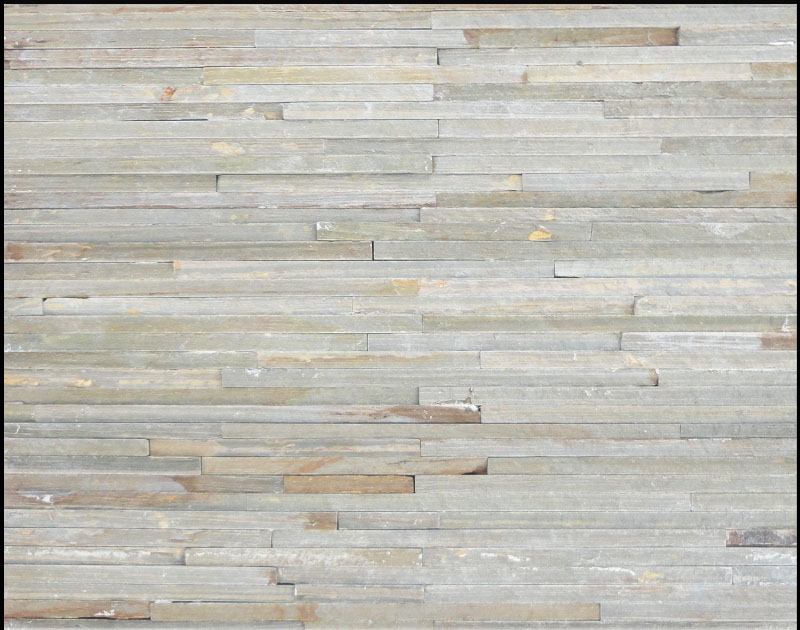
The distinctive texture and elegant finish of a White Quartz Water Flow Natural Stacked Stone Panel, showcasing similar aesthetic potential to black mosaic for wall.
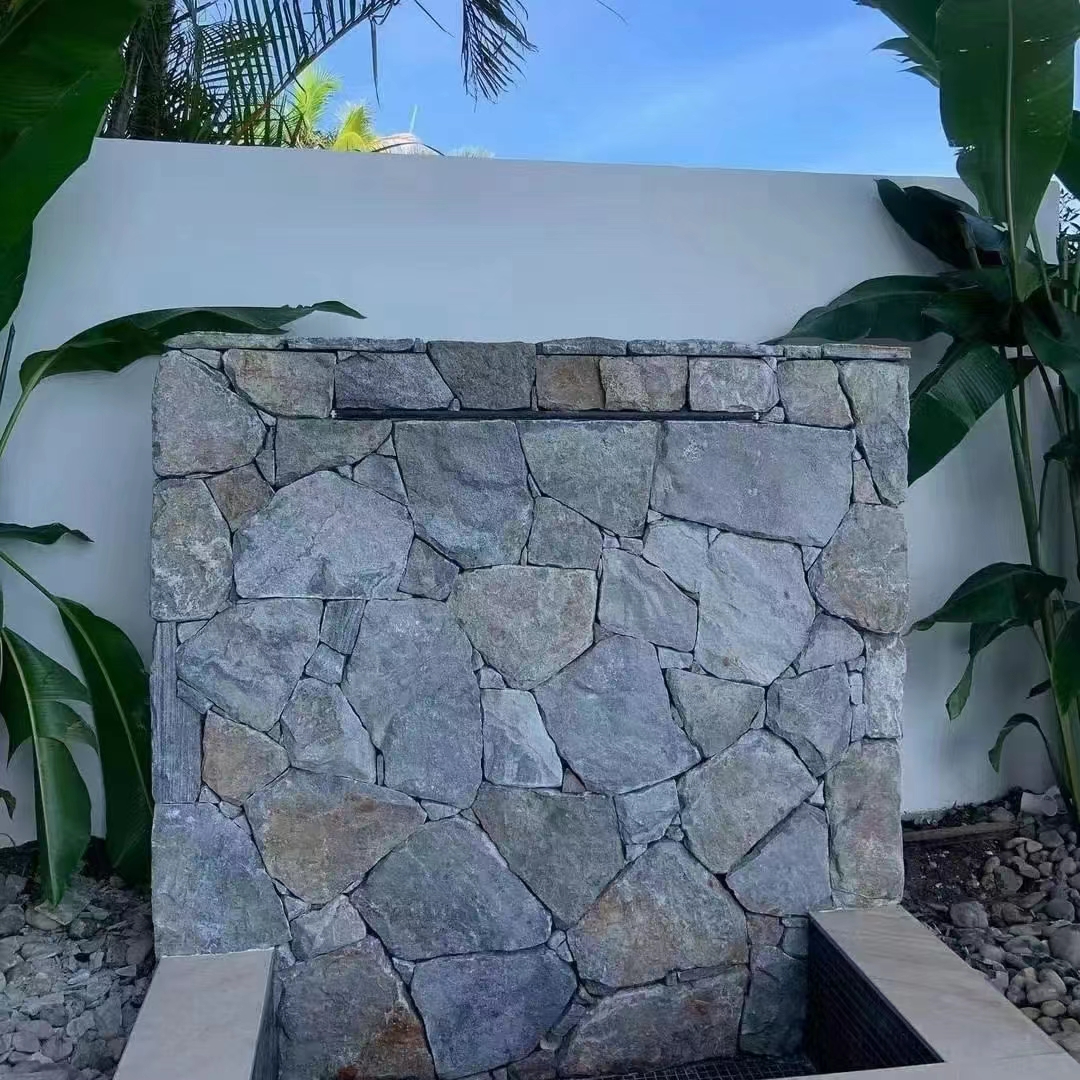
Crucially, black mosaic for wall also finds significant application in exterior projects, particularly as decorative wall cladding exterior. When engineered for external use, with appropriate sealing and installation methods, it provides exceptional resistance to weathering elements such as UV radiation, frost, and precipitation. Its deep color remains vibrant over time, unlike some painted or synthetic finishes that can fade. Stacked stone panels, which often incorporate irregular black limestone or other dark natural stones, are particularly effective for creating impressive building facades, retaining walls, or garden features in crazy shape landscaping. Products like stacked slate cladding and z clad stone cladding leverage the modular nature of mosaic-like stone elements for efficient large-scale exterior installations. The material's non-combustible nature also offers enhanced fire safety, an important factor for both interior and exterior applications in commercial and public buildings, adhering to stringent building codes.
The technical advantages of black mosaic for wall extend beyond mere aesthetics. Its natural stone composition means it is inherently durable, offering a long service life that often surpasses that of alternative synthetic materials. This longevity translates into lower lifecycle costs due to reduced replacement and maintenance requirements. While perhaps not directly "energy-saving" in the same way as insulation, the thermal mass of natural stone can contribute to temperature regulation in buildings by slowly absorbing and releasing heat, potentially reducing HVAC loads. Its resistance to biological growth, such as mold and mildew, makes it a hygienic choice, particularly in bathrooms and kitchens. Furthermore, the distinct texture and variations inherent in natural stone provide unique anti-corrosion properties against chemical degradation compared to metals in specific industrial contexts, although this is less common for decorative wall applications. The tactile and visual richness of stone, particularly its ability to create dramatic shadow play and intricate patterns, adds a sensory dimension that artificial materials struggle to replicate, reinforcing its position as a premium choice for projects demanding both high performance and sophisticated design.
For B2B entities engaged in large-scale architectural projects, the choice of a black mosaic for wall supplier is as critical as the material selection itself. The global market is diverse, ranging from small, specialized workshops to large-scale manufacturers and distributors, many of whom are based in Asia, contributing to the reputation of suppliers like a prominent china quartz ledgestone supplier. When evaluating potential partners, several key factors come into play, including product quality consistency, manufacturing capacity, adherence to international standards, ethical sourcing practices, and the breadth of customization options. Manufacturers with deep expertise in natural stone processing demonstrate superior control over material selection, cutting precision, and finishing techniques, ensuring the final black mosaic for wall product meets rigorous specifications for dimension, color uniformity, and surface integrity. This often translates into lower installation costs and reduced material waste on-site, directly impacting project profitability.
A crucial differentiator among suppliers lies in their ability to offer comprehensive quality assurance and demonstrate authoritative industry certifications. Reputable manufacturers will typically hold ISO 9001 certification for their quality management systems, indicating a commitment to consistent production processes and continuous improvement. For natural stone products like black mosaic for wall, additional certifications such as CE marking for the European market, or adherence to ASTM (American Society for Testing and Materials) standards for physical properties, provide further assurance of product performance and compliance with relevant building codes. Suppliers who conduct in-house testing or regularly submit their products to independent laboratories for verification of properties such as density, water absorption, and compressive strength offer greater trustworthiness. Furthermore, a manufacturer's service history, including the number of years in business and positive client testimonials, serves as a strong indicator of reliability and experience in handling complex B2B orders, from small custom batches to multi-container111 shipments.
The ability to provide bespoke solutions is another vital aspect, particularly for projects requiring unique aesthetic statements or specific technical adaptations. While standard black mosaic for wall sheets are widely available, many high-end projects demand custom sizes, patterns, or finishes. A proficient supplier should be capable of working with clients to develop tailored designs, whether it involves precise waterjet cutting for intricate patterns, blending different stone types (e.g., combining black marble with elements of buy irregular blue quartz or china random blue quartz stone for accent), or developing unique surface textures. This flexibility extends to packaging, logistics, and delivery schedules, which are critical for smooth project execution. Suppliers who offer robust project management support, from initial design consultation and sample provision to final delivery coordination, significantly streamline the procurement process for B2B clients. Their expertise can help navigate complexities such as international shipping regulations, customs clearance, and optimal inventory management for large-scale material requirements.
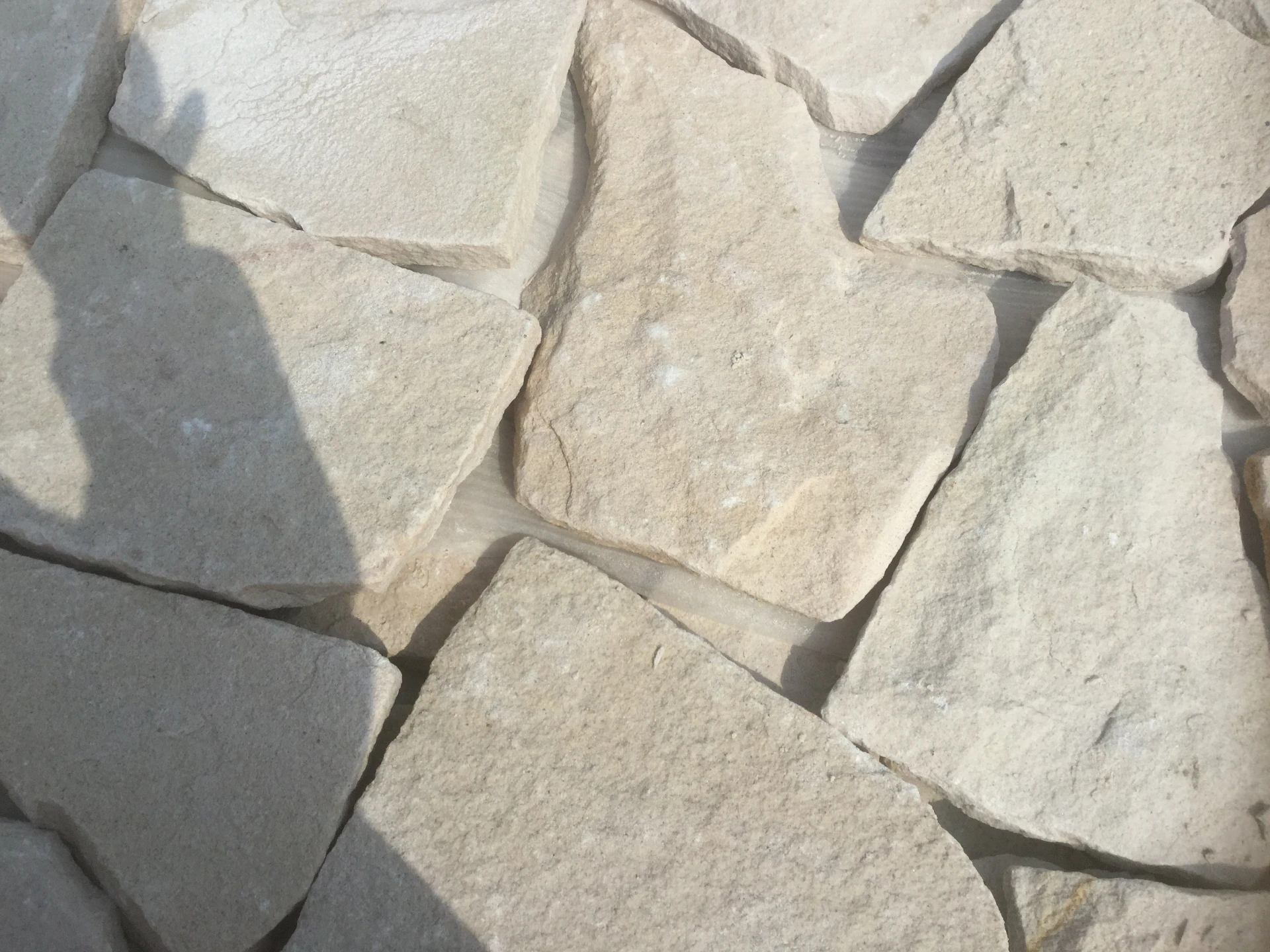
When comparing manufacturers, it's beneficial to look beyond just the unit price. A holistic cost analysis should include factors like shipping costs, lead times, minimum order quantities (MOQs), and the potential for long-term supply agreements. For example, a supplier offering a slightly higher per-unit cost might compensate with superior quality control, faster delivery, or a more flexible payment structure. Examining their track record with projects similar in scale and scope to your own can provide valuable insights into their capabilities. Some suppliers specialize in specific types of stone products, such as those focused on grey limestone cladding or complex white sandstone landscaping, which might indicate specialized expertise that could be relevant to a particular black mosaic for wall requirement. Ultimately, a strategic partnership with a reliable and experienced manufacturer ensures that the aesthetic vision for black mosaic for wall installations is realized with uncompromised quality, efficiency, and adherence to budgetary and timeline constraints.
The true testament to the value and performance of black mosaic for wall lies in its successful deployment across diverse projects, showcasing its transformative impact and long-term durability. These application cases provide crucial empirical evidence for B2B decision-makers, demonstrating how technical specifications translate into tangible benefits in real-world scenarios. For instance, a notable luxury hotel chain recently undertook a major renovation of its flagship property's lobby and main ballroom. The design brief called for a sophisticated, high-impact aesthetic that could withstand significant foot traffic and maintain its pristine appearance over decades. After extensive material evaluation, a custom blend of polished black mosaic for wall tiles, interspersed with subtle hints of dark metallic accents, was selected for a grand feature wall behind the reception desk and as part of the decorative pillars. The project utilized over 500 square meters of custom-designed mosaic sheets. Feedback from the hotel management highlighted the exceptional durability, ease of maintenance, and the profound positive aesthetic impression on guests, contributing directly to an enhanced brand image and guest experience. The mosaic has shown no signs of wear or degradation after five years of continuous heavy use, validating the initial material choice based on its high Mohs hardness and low water absorption.
Another compelling case study involves a prominent corporate headquarters building that aimed for a LEED Platinum certification. The design team sought materials that were not only aesthetically superior but also environmentally responsible and contributed to the building's overall sustainability profile. For the executive washrooms and a significant portion of the main cafeteria walls, a honed finish black mosaic for wall crafted from ethically sourced recycled irregular black limestone offcuts was specified. This choice aligned with the project’s environmental objectives by repurposing stone waste and minimizing the carbon footprint associated with new material extraction. The mosaic's inherent low porosity ensured excellent hygiene and minimal maintenance requirements, critical for high-traffic public areas. The installation process was streamlined due to the mesh-backed sheets, reducing labor time and ensuring precise alignment of the complex pattern. Post-occupancy evaluations have confirmed the mosaic’s performance, particularly its resistance to common cleaning agents and its ability to maintain a consistent visual quality, contributing positively to the indoor environmental quality rating of the building and validating the investment in sustainable materials.
Furthermore, an outdoor public art installation and urban landscaping project utilized black mosaic for wall panels as part of an integrated scheme incorporating elements reminiscent of crazy shape landscaping and monumental grey limestone cladding. The challenge here was to find a material that could withstand extreme weather variations, including freeze-thaw cycles and intense UV exposure, while providing a visually compelling and durable surface for a highly visible public space. A specialized split-face black mosaic for wall made from high-density black basalt, known for its exceptional resistance to weathering and abrasion, was chosen. The textured surface provided unique visual depth and effectively shed rainwater. The project team reported that the uniform thickness of the mosaic panels facilitated straightforward installation, even on complex curved surfaces, and the material's inherent strength minimized breakage during handling and installation. Years later, the mosaic elements of the installation retain their original color and texture, demonstrating the material's superior longevity and resilience in demanding outdoor conditions, proving it to be a more robust solution than other white sandstone landscaping alternatives that might suffer from spalling or staining.
These case studies underscore that investing in high-quality black mosaic for wall solutions, whether for interior elegance or exterior resilience, yields significant long-term benefits. The feedback from clients consistently emphasizes superior durability, reduced maintenance overheads, and the enduring aesthetic appeal that directly contributes to asset value and user satisfaction. These examples reinforce the confidence in specifying black mosaic for wall for critical applications where performance and visual impact are paramount, validating the technical specifications and the expertise of reputable manufacturers in delivering solutions that consistently exceed expectations. The collective experience from these projects highlights that the initial investment in premium natural stone mosaics pays dividends through their extended service life and sustained aesthetic quality, making them a strategically sound choice for discerning B2B clientele.
Building trust with B2B clients, particularly when dealing with high-value architectural materials like black mosaic for wall, necessitates clear communication, robust support systems, and transparent policies regarding product quality and service. A comprehensive Frequently Asked Questions (FAQ) section serves as a vital resource, addressing common concerns and providing immediate clarity on various aspects of the product and procurement process. Typical FAQs include inquiries about the best adhesive types for black mosaic for wall, recommended cleaning agents, suitability for specific environments (e.g., wet areas, direct sunlight), the expected lifespan, and customization options. For instance, clients often ask if the mosaic requires sealing, to which the answer depends on the stone type (e.g., marble and limestone generally require sealing, while granite is less porous). Another common question might relate to color variation; natural stone inherently possesses unique variations, and reputable suppliers will clarify expected ranges and provide samples to manage expectations effectively, especially when dealing with nuanced materials like china random blue quartz stone elements.
Delivery and logistics are paramount for B2B projects, where timely material arrival directly impacts project timelines and budgets. Suppliers of black mosaic for wall should provide detailed information on lead times, which can vary based on order volume, customization complexity, and shipping destination. For standard products, lead times might range from 2-4 weeks for production plus shipping, while custom orders can extend to 6-12 weeks. Reputable companies will have established global logistics networks, ensuring efficient and secure transport of fragile stone products. This includes robust packaging methods, such as wooden crates with reinforced corners and protective foam padding, designed to minimize transit damage. Clear communication channels for tracking shipments and addressing any unforeseen logistical challenges are also essential. For international shipments, knowledge of customs procedures and import duties is a value-added service that experienced suppliers readily provide, streamlining the entire procurement chain from factory to job site.
A strong warranty and comprehensive quality assurance protocol further solidify trustworthiness. For black mosaic for wall, a standard warranty typically covers manufacturing defects for a specified period, often ranging from 1 to 5 years, ensuring the product is free from material flaws or workmanship errors. This warranty usually covers issues such as tile detachment from the mesh backing under normal conditions, significant color discrepancies beyond natural variation, or dimensional inconsistencies outside accepted tolerances. However, it typically excludes damage resulting from improper installation, inadequate maintenance, exposure to harsh chemicals not recommended for natural stone, or acts of God. A transparent warranty policy, clearly outlining coverage and claims procedures, empowers clients with confidence in their investment. Beyond the written warranty, suppliers committed to long-term client relationships often offer lifetime customer support, including technical advice on installation, maintenance, and troubleshooting, leveraging their extensive product knowledge and industry experience.
Customer support extends beyond troubleshooting to proactive engagement and partnership. This includes providing detailed installation guides specific to the type of black mosaic for wall and its intended application, offering recommendations for compatible grouts and sealants, and training installers on best practices. For large-scale projects, some suppliers offer on-site technical assistance or conduct pre-installation material inspections to ensure optimal outcomes. The availability of dedicated account managers for B2B clients ensures personalized service, facilitating seamless communication and efficient resolution of any issues that may arise. Furthermore, a commitment to post-sales service, including provisions for replacement tiles or handling claims efficiently, distinguishes reliable suppliers. The complete package of clear communication through FAQs, reliable delivery, solid warranty backing, and ongoing customer support transforms a transactional relationship into a strategic partnership, ensuring clients feel confident and supported throughout the entire lifecycle of their black mosaic for wall project.
The trajectory of black mosaic for wall and natural stone surfacing solutions is characterized by continuous innovation, driven by evolving architectural demands, technological advancements, and a heightened global consciousness towards sustainability. As urban landscapes become denser and building aesthetics lean towards sophisticated minimalism or bold statements, the role of materials like black mosaic for wall becomes even more critical. Future trends indicate a greater integration of smart technologies within building materials, where embedded sensors could monitor environmental conditions, and perhaps even dynamic lighting systems could be integrated into transparent or translucent stone composites. While direct integration into dense natural stone mosaic presents challenges, advancements in thin-veneer technologies could make it more feasible, allowing for materials like stacked slate cladding to become truly interactive surfaces. The development of self-cleaning or anti-microbial coatings for natural stone surfaces will also enhance their hygienic properties, making them even more suitable for healthcare facilities and high-traffic commercial spaces. This constant evolution ensures that natural stone mosaics remain at the forefront of material innovation, adapting to the increasingly complex demands of modern architecture.
Customization will continue to be a dominant trend, moving beyond standard patterns to highly individualized designs. Advancements in robotic fabrication and AI-driven design tools will enable architects and designers to create incredibly complex and intricate mosaic patterns with unprecedented precision and efficiency. This means that designing a black mosaic for wall with bespoke motifs or even incorporating elements of crazy shape landscaping into interior wall features will become more accessible and cost-effective. The ability to seamlessly blend different materials, such as contrasting natural stones (e.g., grey limestone cladding with irregular black limestone), or even integrate metals and glass within natural stone mosaic matrices, will unlock new creative possibilities. This level of bespoke manufacturing will further differentiate premium natural stone products from mass-produced alternatives, catering to a market segment that values unique artistry and high-performance bespoke solutions, ensuring that the character of each installation is truly distinctive.
Sustainability and circular economy principles will increasingly influence material sourcing and manufacturing. The industry will see a greater emphasis on responsibly quarried stone, reduced water and energy consumption in processing, and increased utilization of recycled content, as exemplified by the growing trend of using reclaimed limestone for paving or repurposing stone offcuts into mosaic tiles. Manufacturers of black mosaic for wall will focus on optimizing their supply chains to minimize environmental impact, from quarry to installation. This includes developing more eco-friendly adhesives and grouts that reduce VOC emissions and improve indoor air quality. The long lifespan inherent in natural stone products already positions them favorably in terms of sustainability, as they minimize waste generated from frequent replacements. Future innovations will further enhance this, potentially through modular repair systems or advanced material decomposition methods at the end of a building's life cycle, facilitating the reuse or recycling of stone elements.
The market for black mosaic for wall is also expanding geographically, with emerging economies contributing significantly to demand as their infrastructure and luxury sectors develop. This global reach necessitates manufacturers to adhere to a wider array of international standards and cultural design preferences, promoting a richer exchange of ideas and techniques. Online platforms and virtual reality tools will play a more significant role in material selection and visualization, allowing clients to virtually experience how different black mosaic for wall patterns and finishes will look in their projects before physical samples are even produced. This digital transformation will streamline the design and procurement process, making high-quality natural stone products more accessible to a broader B2B audience. Ultimately, the future of black mosaic for wall lies in its continued evolution as a material that not only meets the highest aesthetic and performance standards but also aligns with the global imperative for sustainable, smart, and highly customizable architectural solutions.
As articulated in a recent architectural forum, "The enduring appeal of natural stone, especially in sophisticated forms like mosaic, lies not just in its aesthetic depth but in its inherent resilience and ability to tell a story of geological time."
A key insight from the Journal of Building Materials is that "material longevity and low lifecycle impact are increasingly critical metrics for B2B procurement, pushing premium natural solutions like structured stone cladding into new prominence."
Experts at the Global Stone Congress emphasized, "Advancements in precision cutting and sustainable quarrying techniques are redefining the capabilities of natural stone mosaics, enabling designs previously deemed impossible."