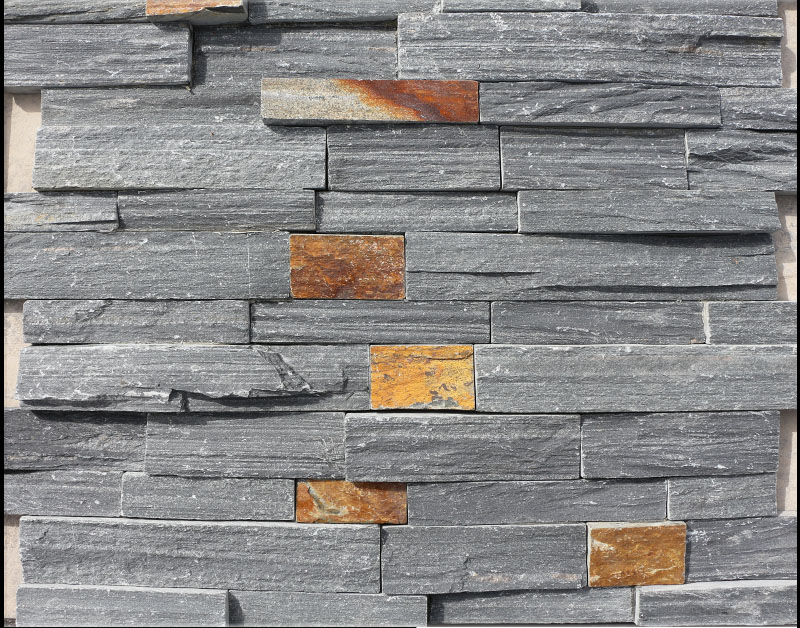
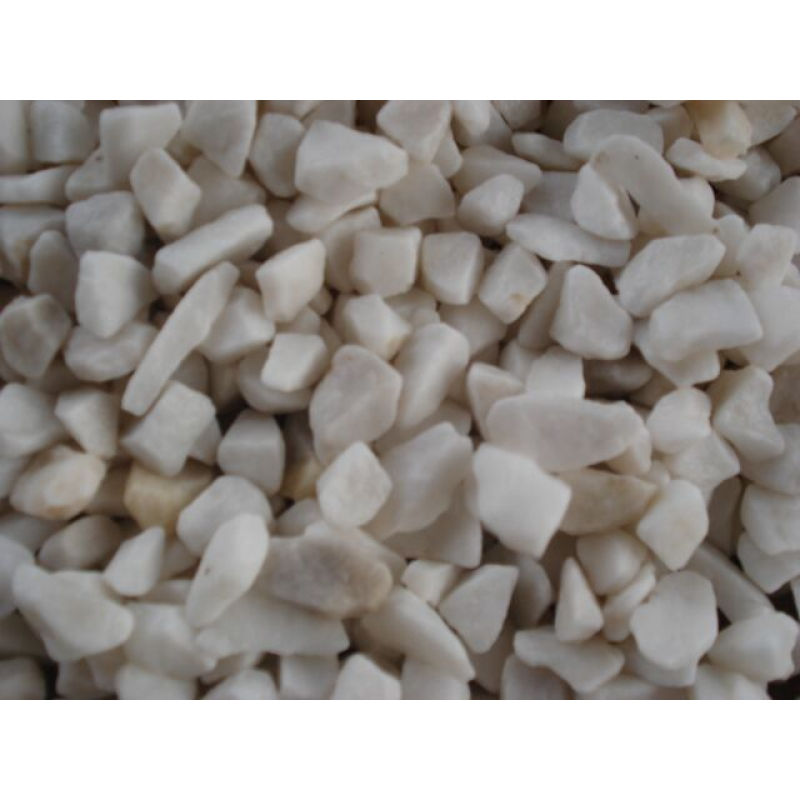
The Aesthetic and Functional Appeal of Stone Facades in China
In recent years, stone facades have emerged as a significant trend in architectural design across China, blending traditional aesthetics with modern innovations. As Chinese cities expand and evolve, the selection of materials plays a crucial role in both the structural integrity and visual appeal of buildings. Stone, with its timeless beauty and exceptional durability, has found its way into various facets of urban architecture, enhancing both residential and commercial structures.
The Historical Context
Stone has been a fundamental building material in China for centuries, evident in ancient structures like the Great Wall and traditional temples. Historically, it symbolized strength and permanence, making it a favored choice for palaces and significant buildings. As urbanization surged in the late 20th and early 21st centuries, the rise of modern architecture prompted a revival of stone as an expressive material. Architects began to incorporate stone facades not only for structural benefits but also for decorative purposes, giving old materials a contemporary twist.
Aesthetic Appeal
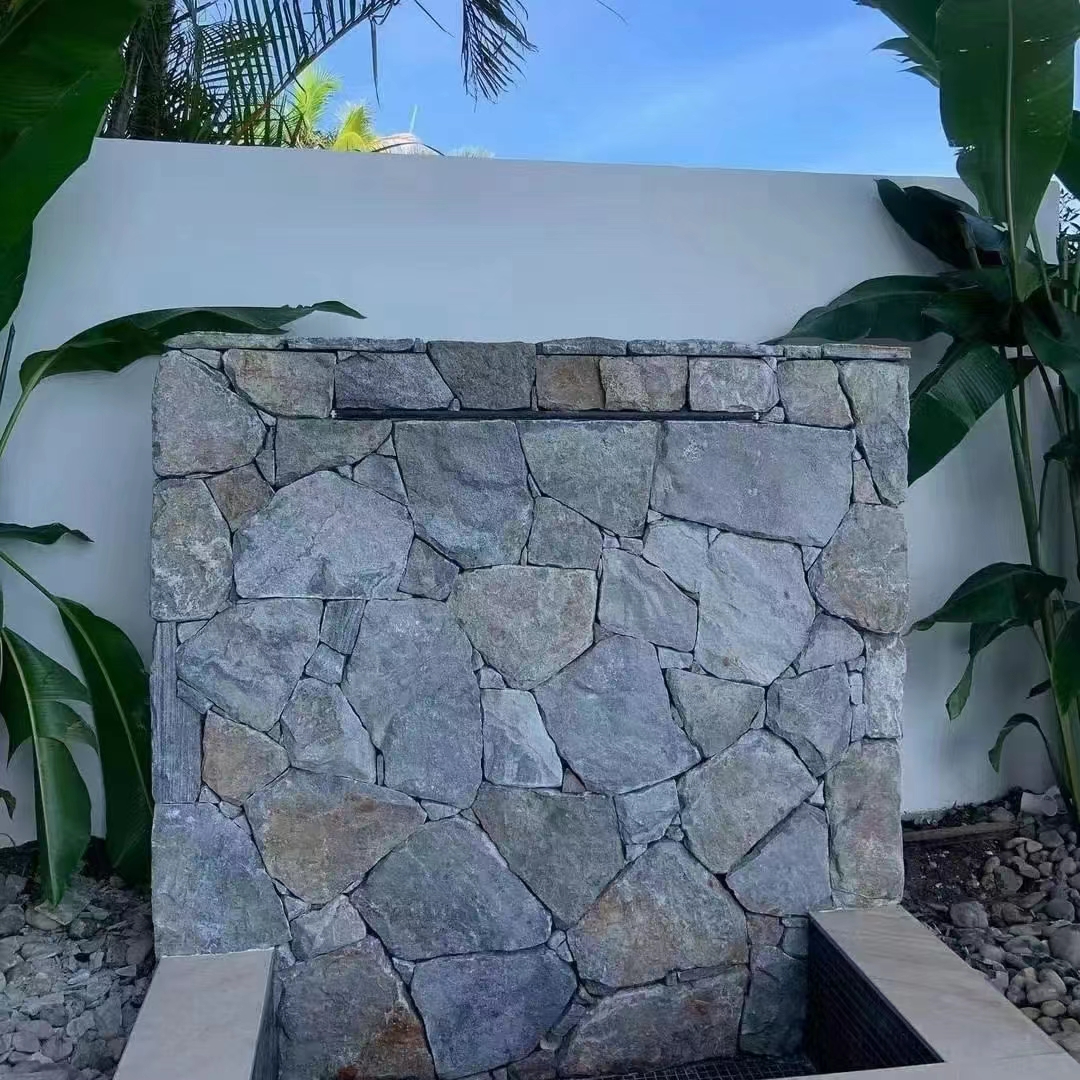
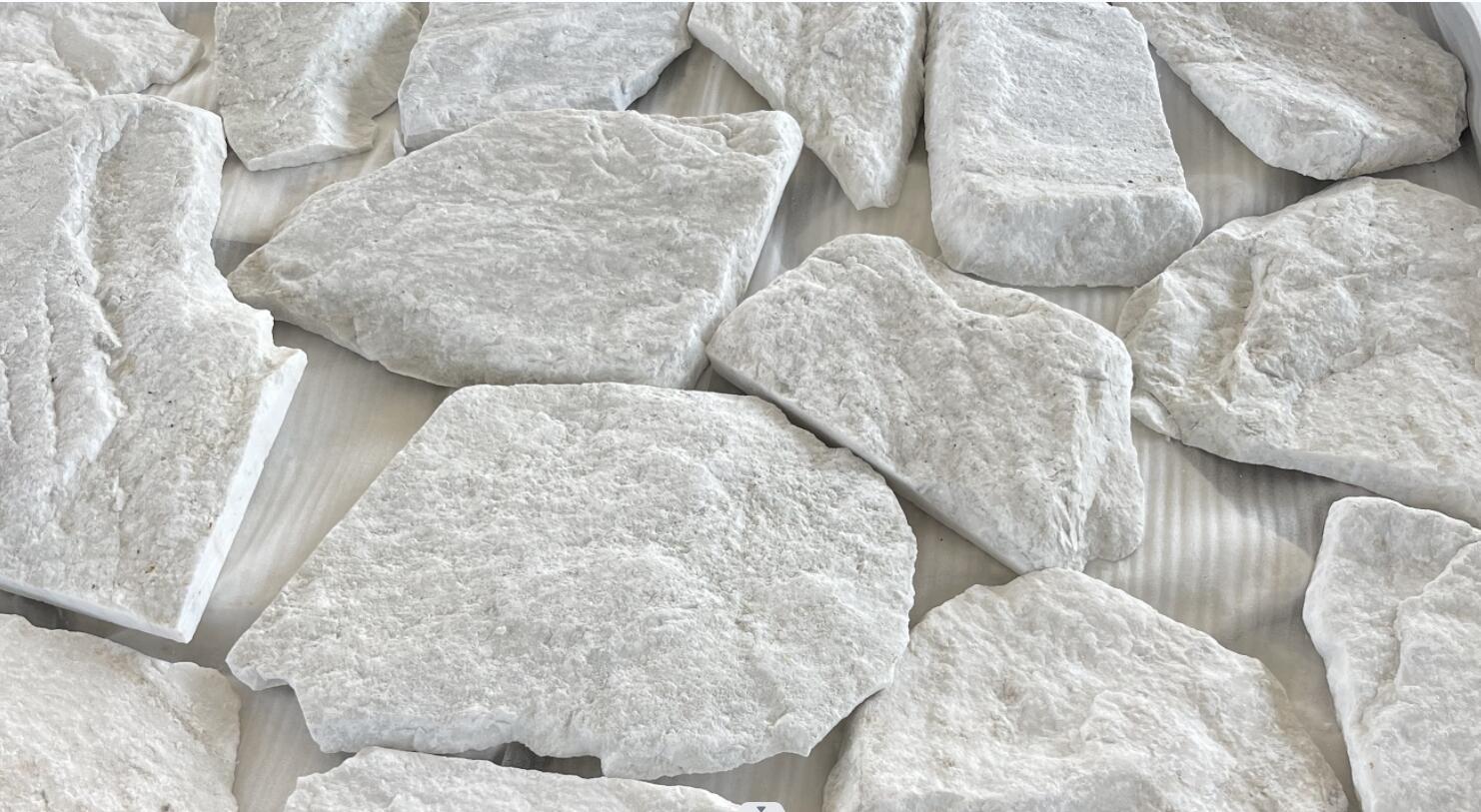
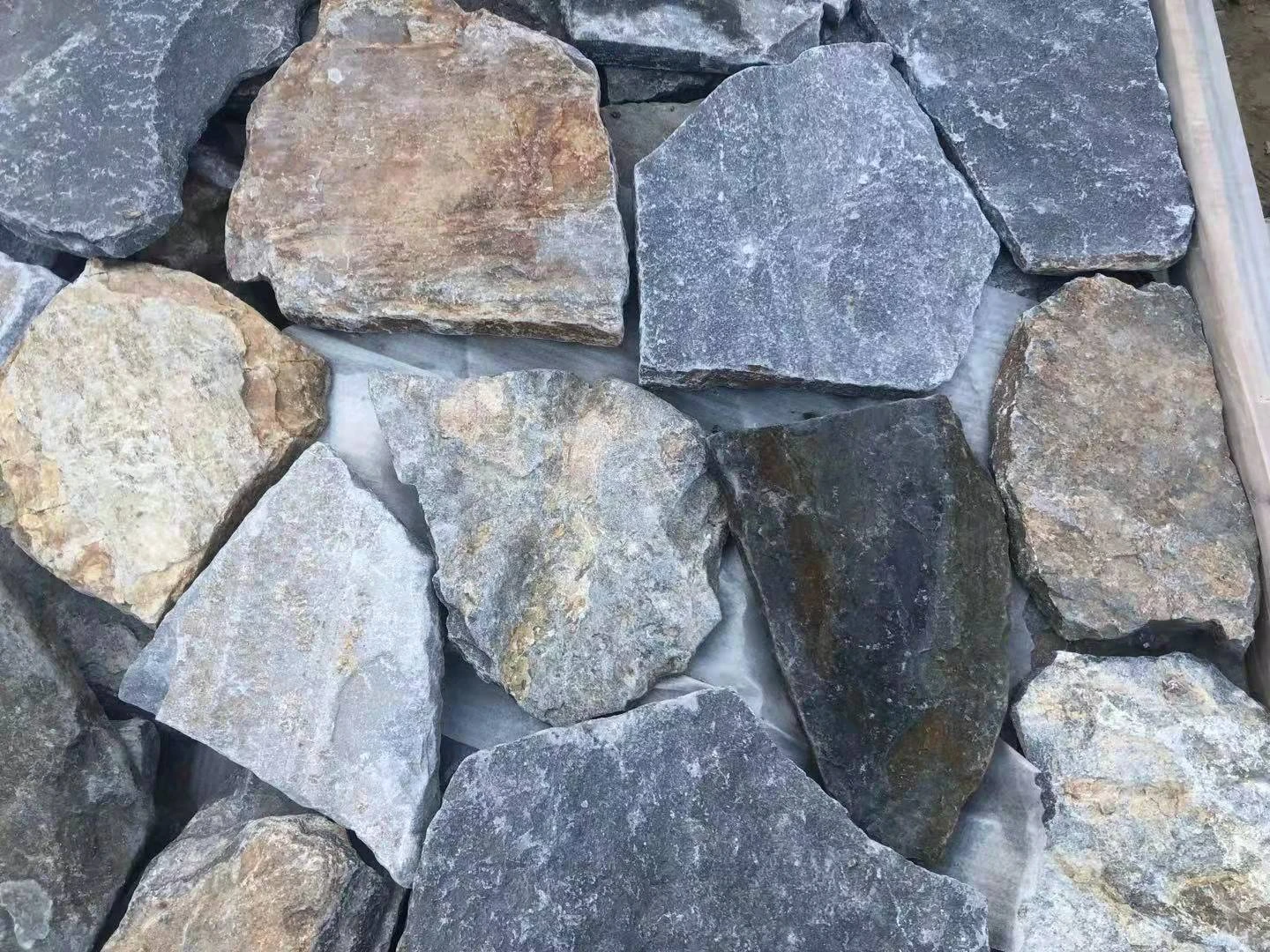
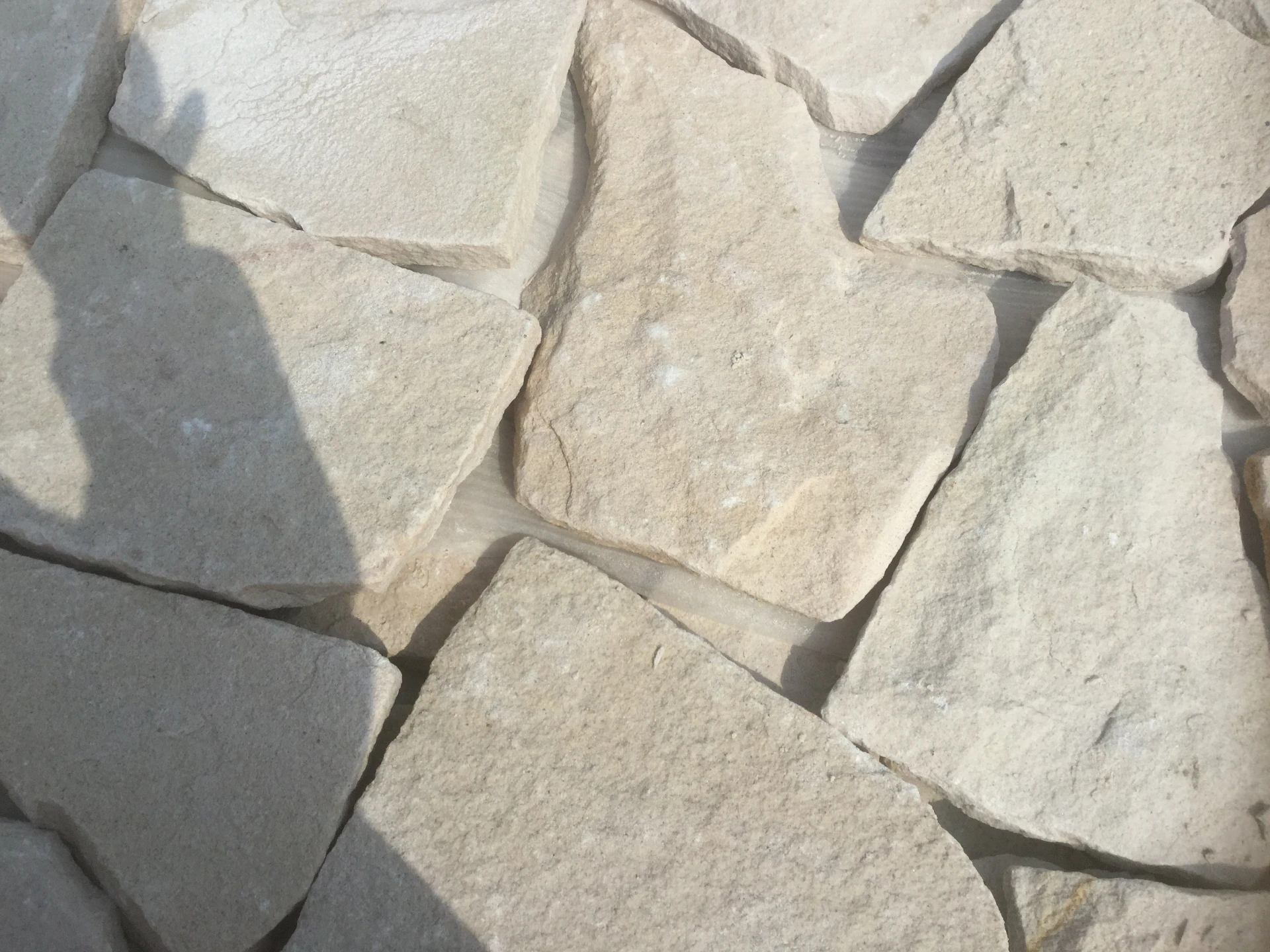
One of the most compelling reasons for the popularity of stone facades is their aesthetic versatility. Stone can be cut, polished, and finished in countless ways, allowing architects to create stunning visual contrasts that enhance the overall design of a building. Whether it's the rustic charm of granite, the sleek sophistication of marble, or the unique textures of limestone, each stone type brings its own character. Furthermore, these materials can reflect light in beautiful ways, changing the appearance of a building throughout the day and in different weather conditions.
In bustling cities like Beijing and Shanghai, the use of stone facades helps to ground modern steel and glass structures, creating a harmonious balance between old and new. Projects often feature local stones, connecting urban residences with their geographical context. The rich palette of colors and textures in stone facades can evoke a sense of nostalgia and continuity, reminding residents of the deep cultural heritage of China.
Functional Benefits
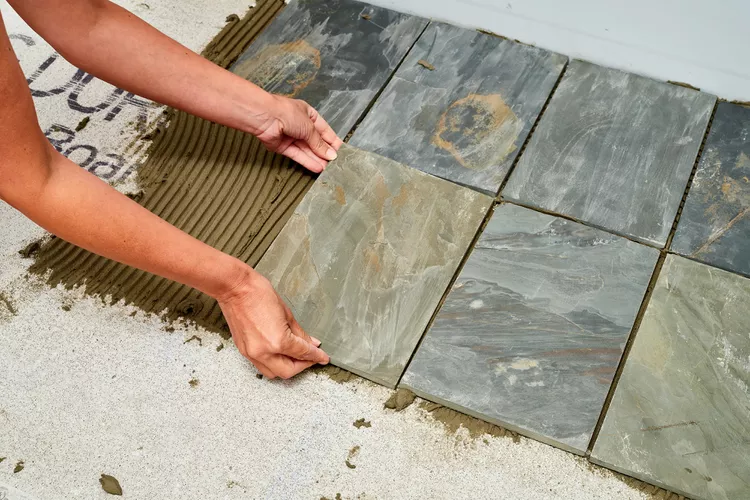
Beyond aesthetics, stone facades are known for their practical advantages. These natural materials boast outstanding durability, resisting weathering, wear, and tear far better than many other façade options. This quality is particularly important in China, where environmental factors such as pollution and extreme weather conditions can compromise the integrity of a building over time. Stone facade systems can also provide effective insulation, aiding in energy conservation by keeping indoor temperatures stable.
Additionally, maintenance costs for stone facades are relatively low. While initial installation may involve a higher cost compared to some alternative materials, the longevity and resilience of stone make it a cost-effective choice over the lifespan of a building. In a rapidly urbanizing nation with a focus on sustainable development, choosing materials with long life cycles is becoming increasingly critical.
Sustainability and Environmental Considerations
As sustainability becomes a key consideration in modern architecture, stone facades align well with eco-friendly practices. Many stone materials can be sourced locally, reducing transportation costs and environmental impact. Furthermore, stone is a natural material that does not emit harmful chemicals, contributing to improved indoor air quality.
Architects and builders are also finding innovative ways to incorporate stone into green building practices. This includes using reclaimed stone, which not only reduces waste but also adds historical character to new constructions. The focus on sustainability is essential in China’s efforts to combat pollution and climate change, making stone facades a step toward greener urban planning.
Conclusion
The increasing use of stone facades in Chinese architecture signifies a revival of traditional craftsmanship married with modern design principles. As cities continue to grow and evolve, the trend toward incorporating stone reflects a broader appreciation for natural materials and sustainable practices. With their unique aesthetic appeal, functional benefits, and alignment with environmental goals, stone facades are likely to remain a cornerstone of architectural design in China for years to come. Through this blend of beauty and functionality, stone facades not only pay homage to China’s rich history but also pave the way for a sustainable urban future.