Exploring Decorative Wall Cladding for Exteriors
In the quest to enhance the aesthetic appeal and functionality of buildings, decorative wall cladding has emerged as a popular choice among architects and homeowners alike. This innovative approach to exterior design not only elevates the visual charm of a structure but also serves many practical purposes, making it a compelling investment for residential and commercial properties.
What is Decorative Wall Cladding?
Decorative wall cladding refers to the application of pre-formed materials to the exterior surfaces of a building. These materials can range from natural stone, wood, and brick to more modern options like metal, composite, and vinyl. The primary purpose of cladding is to protect the building against the elements while simultaneously enhancing its beauty.
Benefits of Decorative Wall Cladding
1. Aesthetic Appeal One of the most significant advantages of decorative wall cladding is its ability to transform the appearance of a building. Whether it’s a contemporary sleek metal finish, rustic wooden panels, or elegant stonework, cladding can create a unique visual identity and enhance curb appeal.
2. Durability Many cladding materials are designed to withstand harsh weather conditions, including rain, wind, and UV radiation. For instance, stone and metal options are particularly resistant to decay and corrosion, ensuring that a building maintains its beauty for years to come.
3. Energy Efficiency Cladding can contribute to improved insulation in a building. By acting as an additional layer of protection, it can help maintain internal temperatures, thereby reducing energy costs. Insulated cladding systems are particularly beneficial in climates with extreme temperature variations.
4. Low Maintenance Unlike traditional siding materials that may require frequent painting or sealing, many decorative cladding options are designed to be low-maintenance. For example, certain composites are resistant to fading and don’t require regular upkeep, allowing homeowners to save time and money over the years.
5. Sustainability With the growing emphasis on eco-friendly construction practices, many modern cladding materials are made from sustainable resources. Wood cladding, when sourced from responsibly managed forests, and recycled materials for composites provide environmentally conscious alternatives.
Popular Types of Decorative Wall Cladding
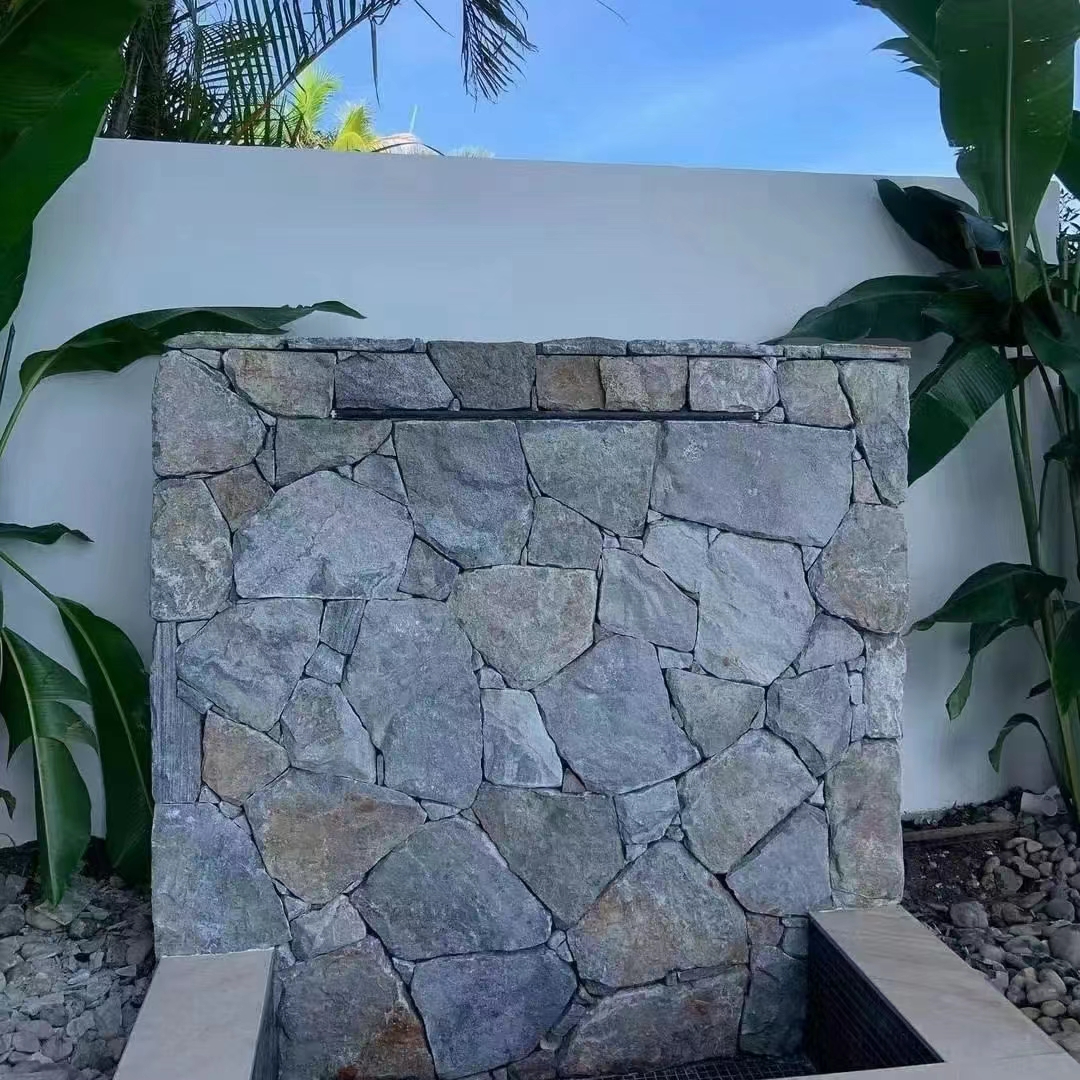
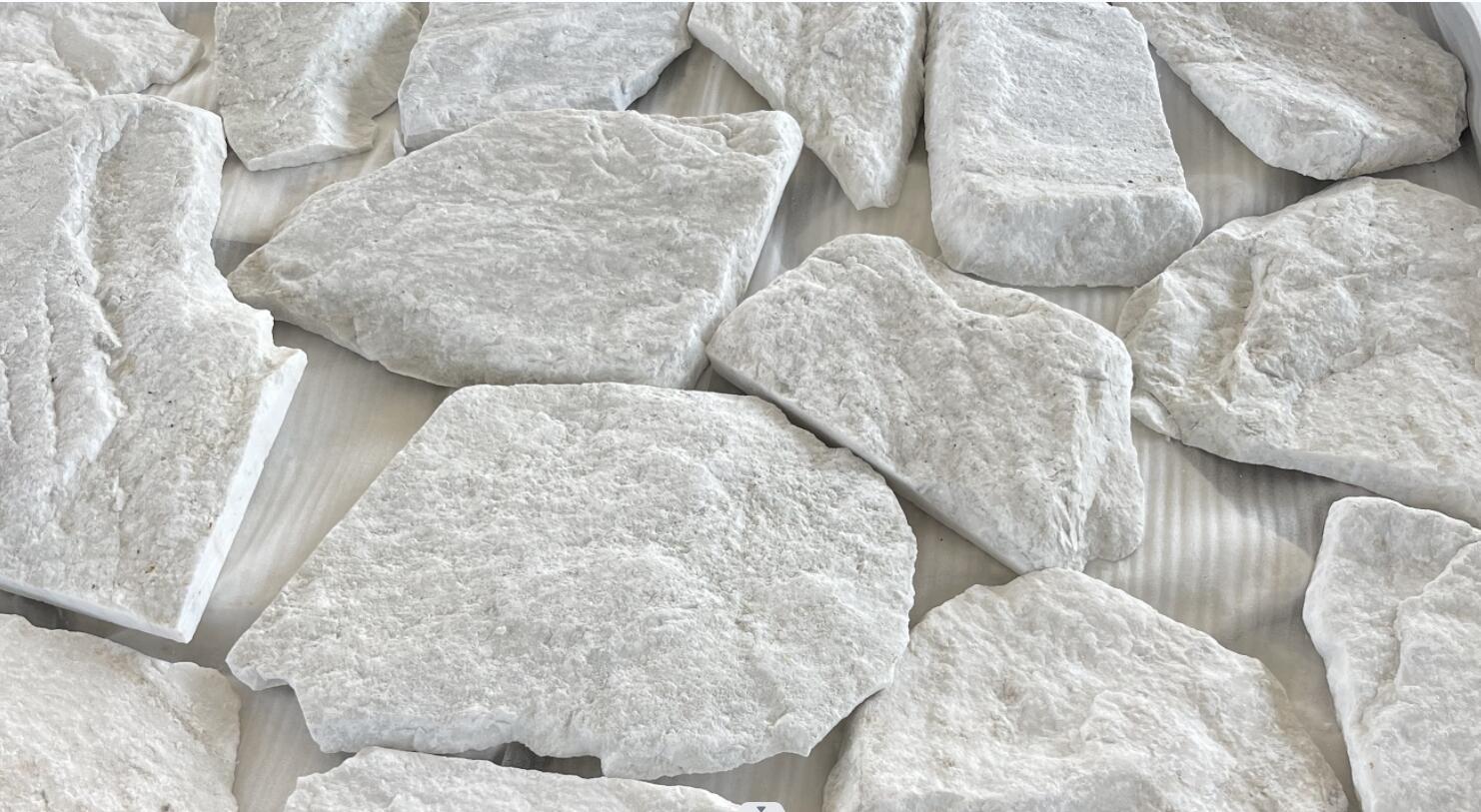
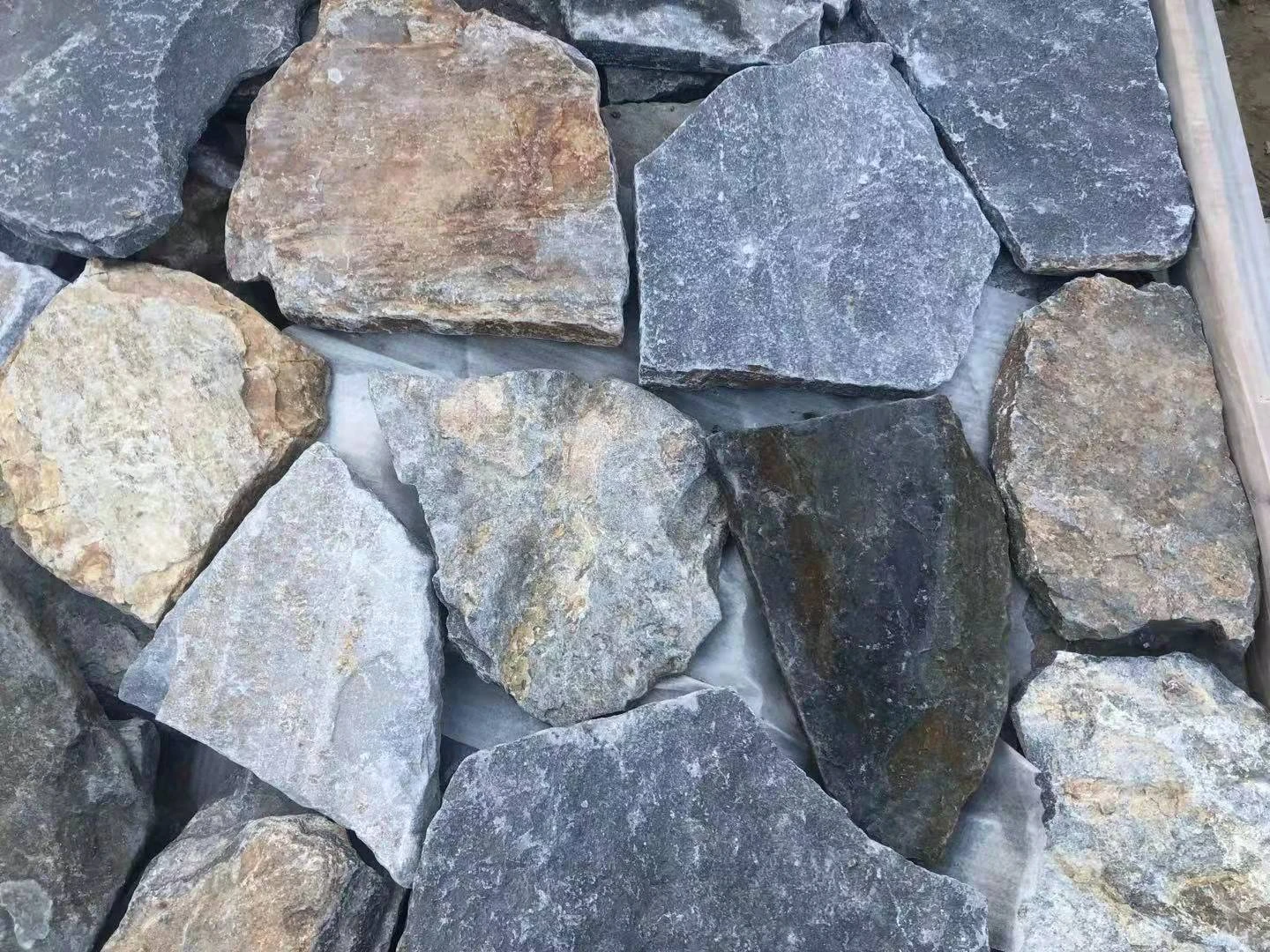
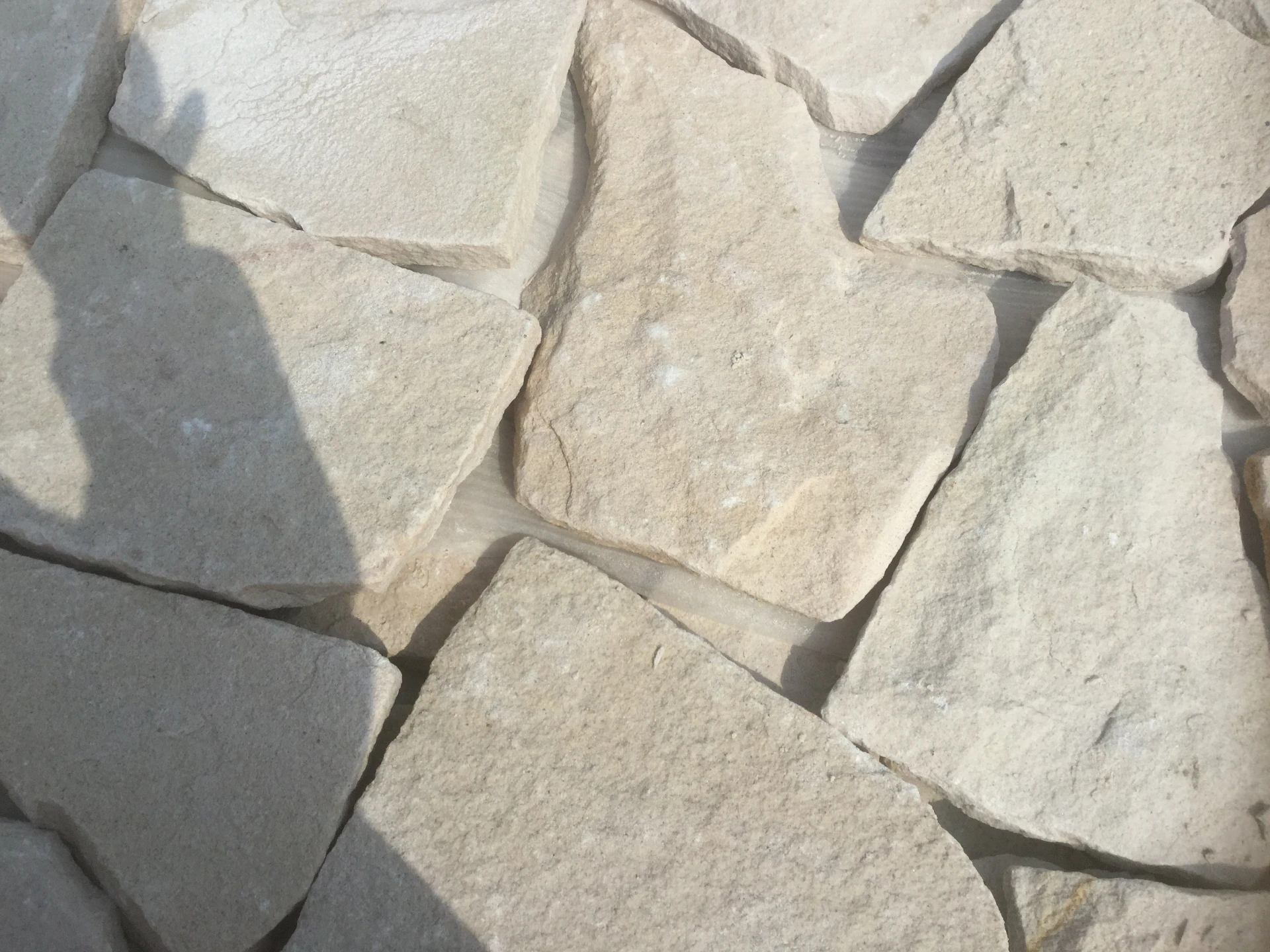
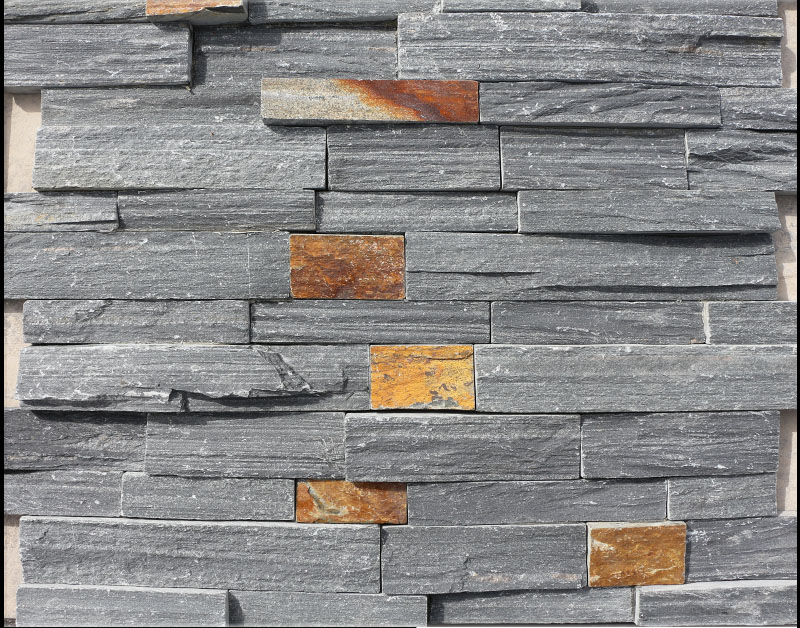
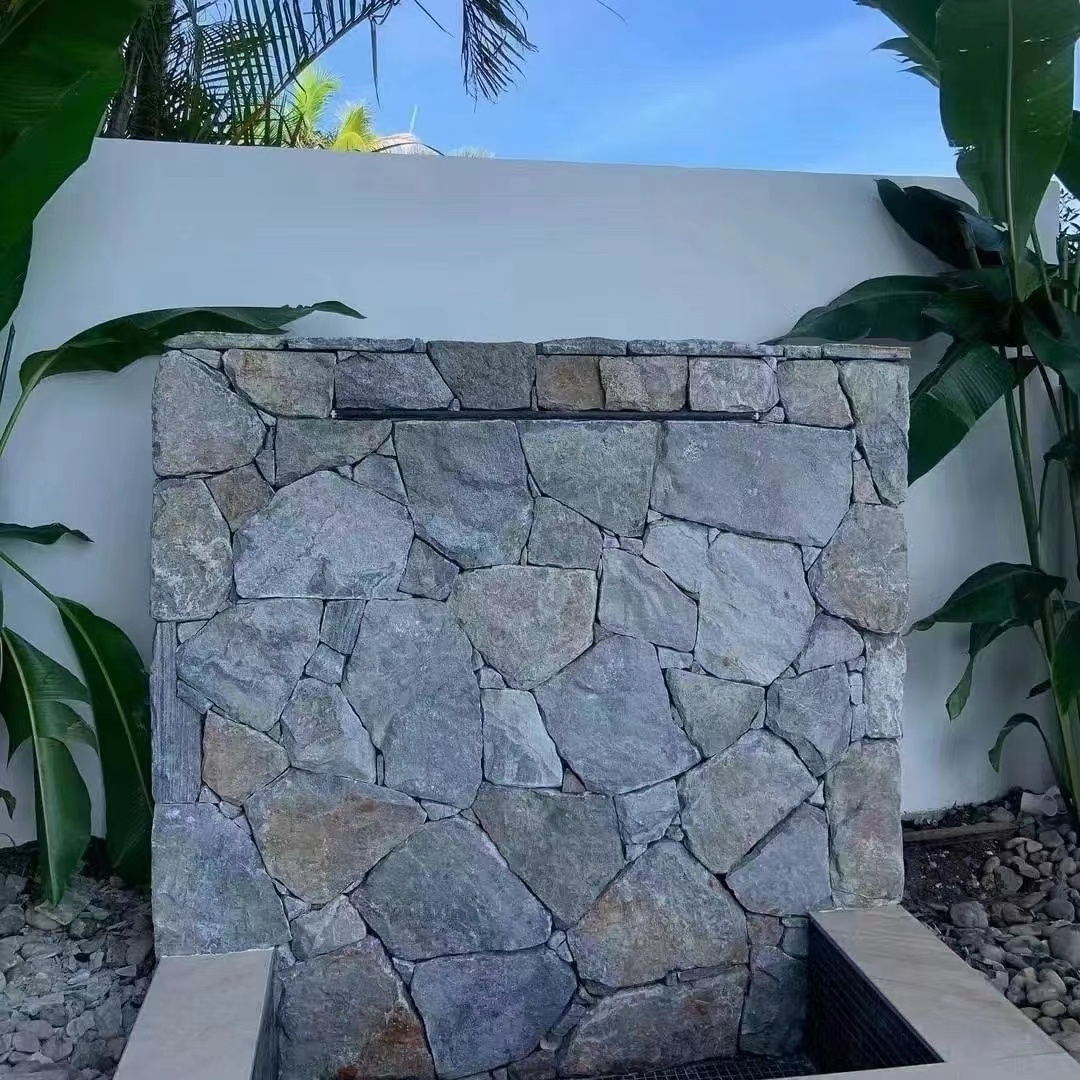
- Natural Stone Cladding A timeless choice, natural stone adds elegance and sophistication. Options like granite, limestone, or slate not only provide a stunning appearance but also offer unmatched durability.
- Wood Cladding Known for its warmth and character, wood cladding can lend a cozy, natural look to any building. With treatments available to enhance durability, it is an excellent option when properly maintained.
- Vinyl Cladding An affordable and versatile option, vinyl is lightweight and available in a myriad of colors and styles. It mimics the appearance of wood or other materials while being resistant to insects and rot.
- Metal Cladding Popular in contemporary architecture, metal cladding can create a striking look. Options like aluminum and steel are not only visually appealing but also fire-resistant and long-lasting.
- Composite Cladding Made from a blend of materials, composite cladding offers the advantage of low maintenance with the appearance of natural wood. It is resistant to warping, cracking, and fading, making it a practical choice for many homeowners.
Conclusion
Investing in decorative wall cladding for your exterior is not just a matter of style; it is an enhancement of the building’s functionality and longevity. By choosing the right material and design, you can create a stunning, durable facade that stands out and endures the test of time. Whether you are looking to renovate an old structure or build anew, decorative wall cladding offers a wealth of options to explore. Embrace the opportunity to transform your property with this stylish and practical solution, making it a welcoming and impressive space for all.