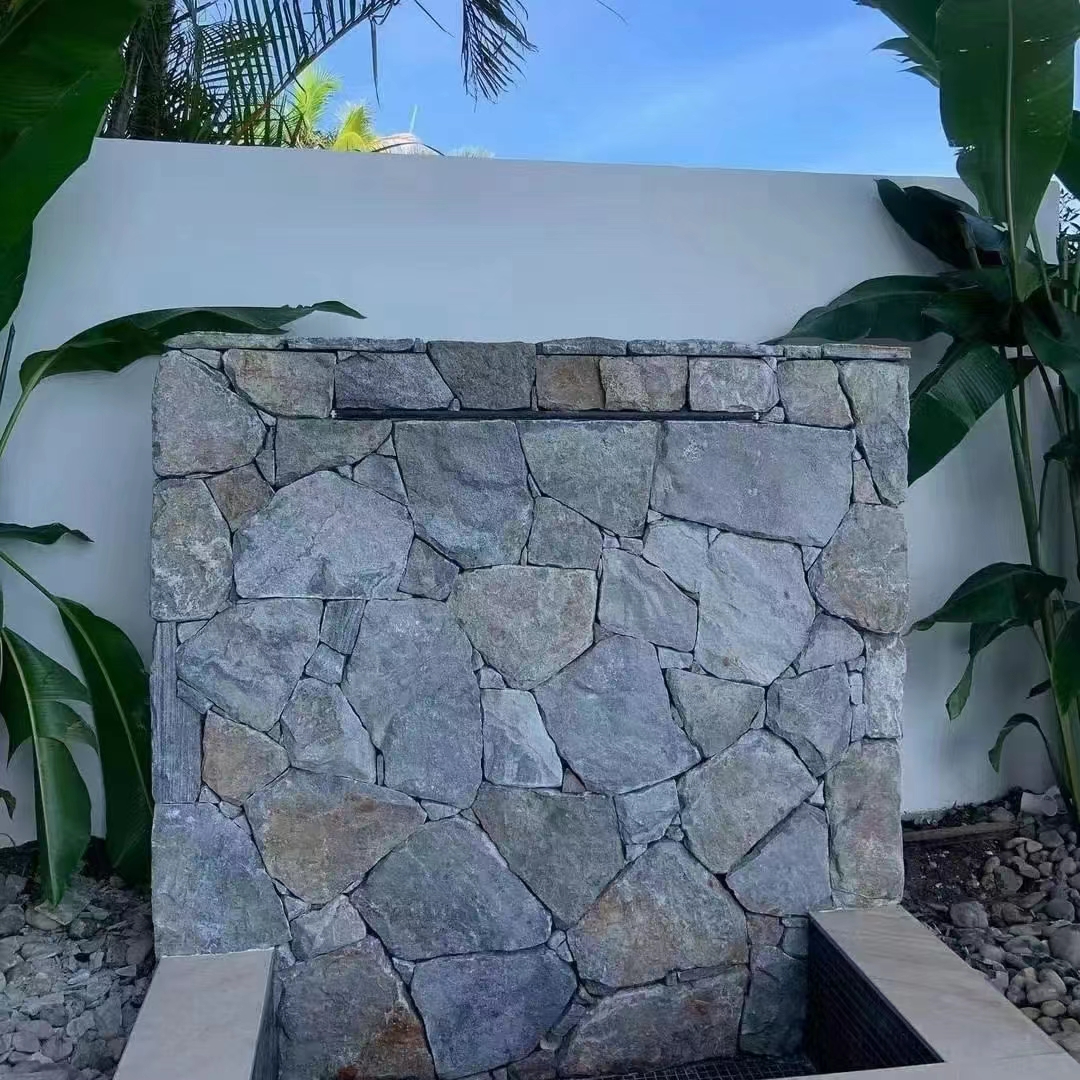
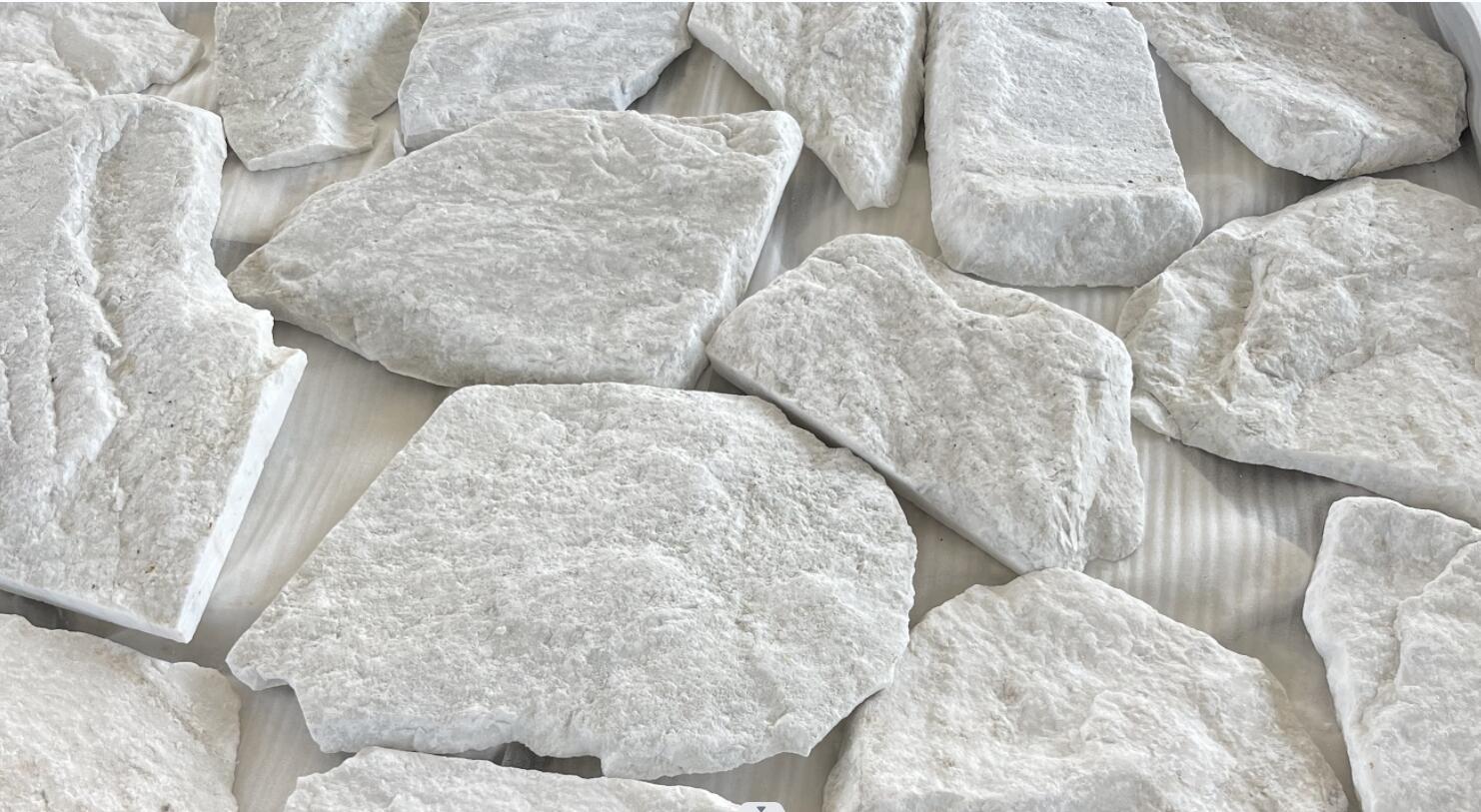
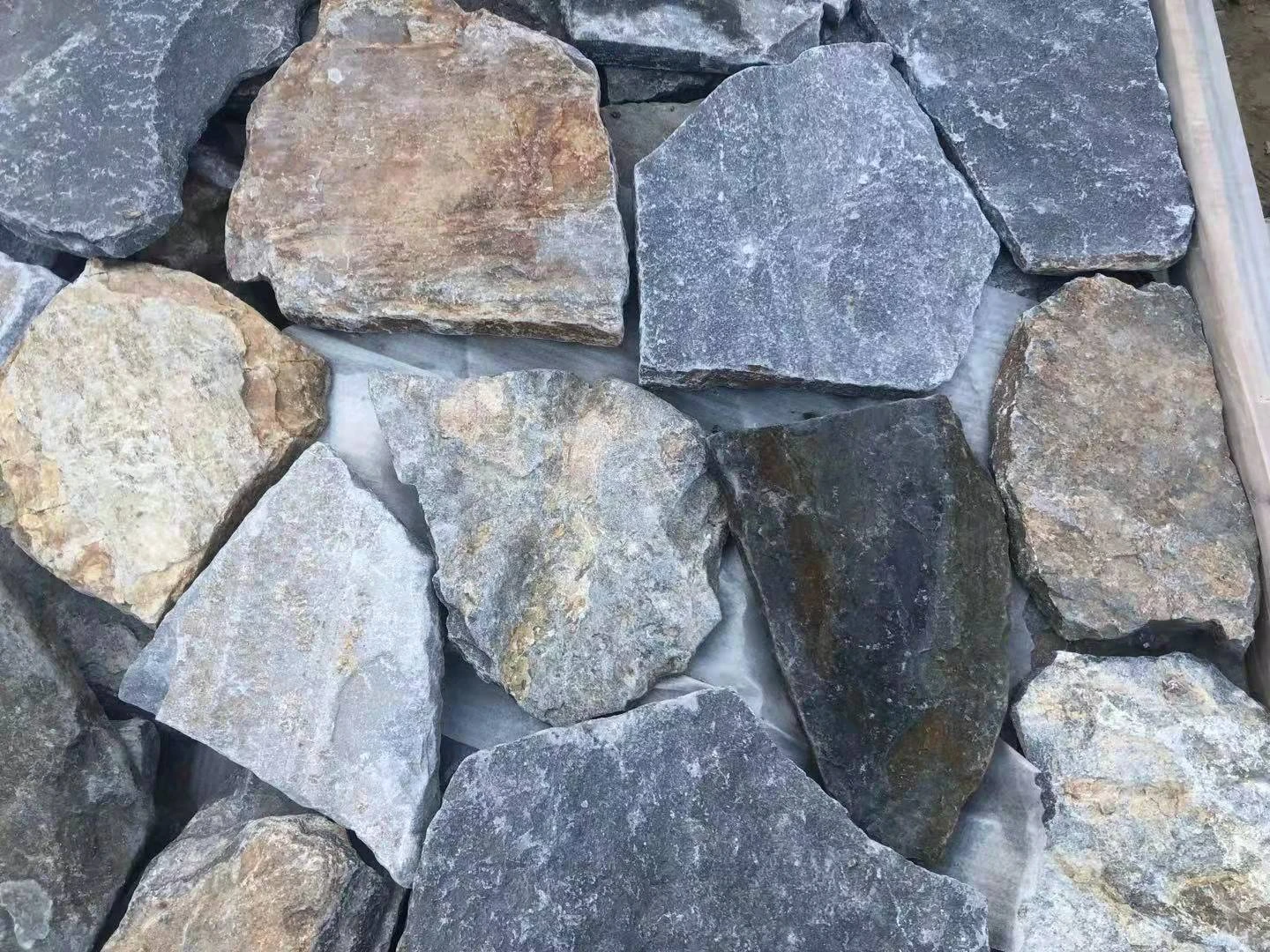
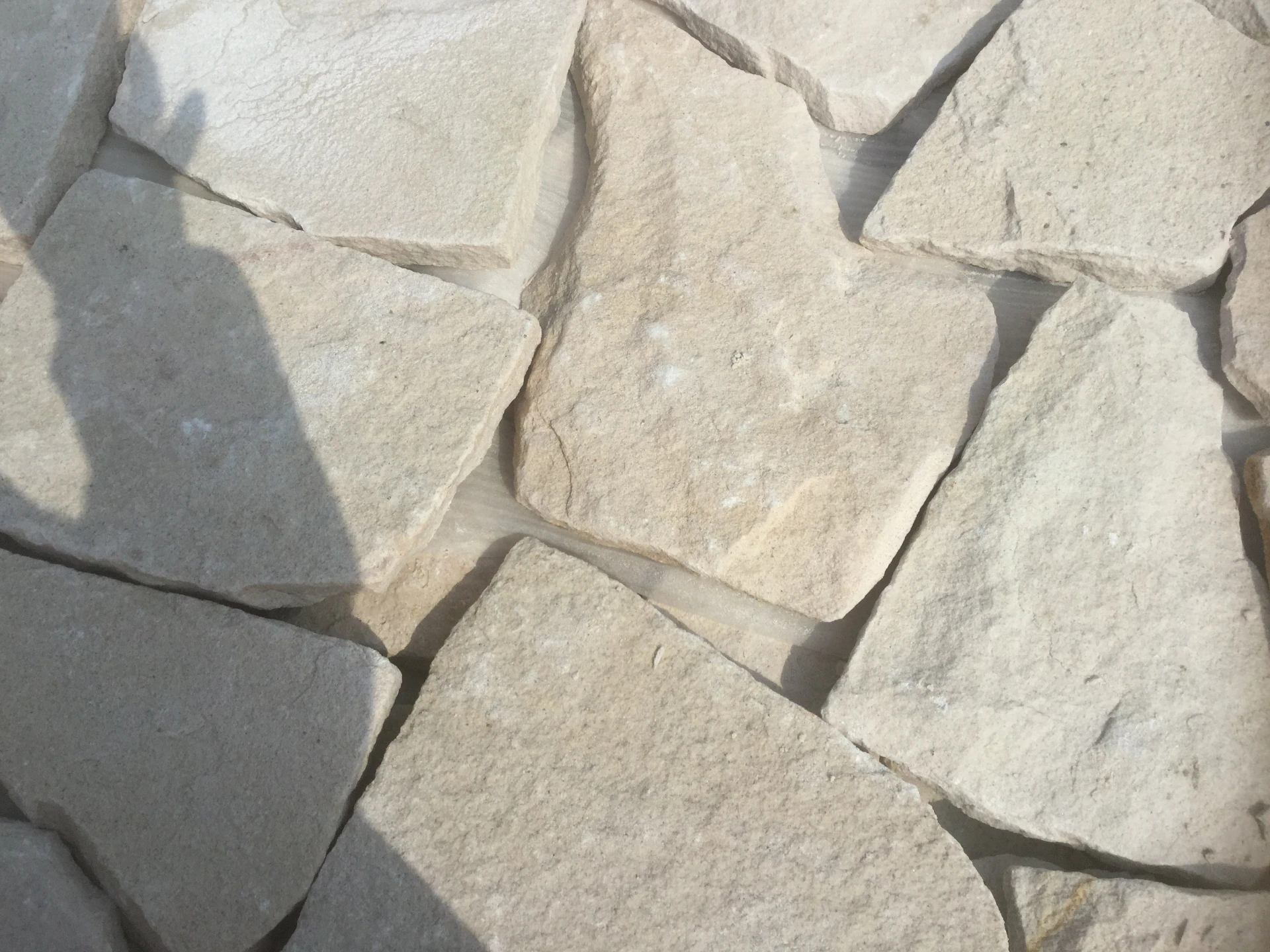
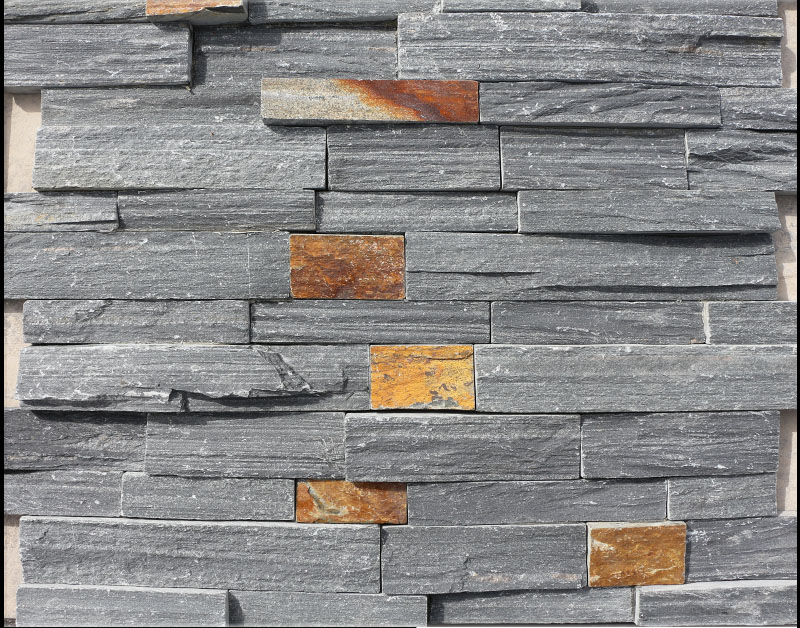
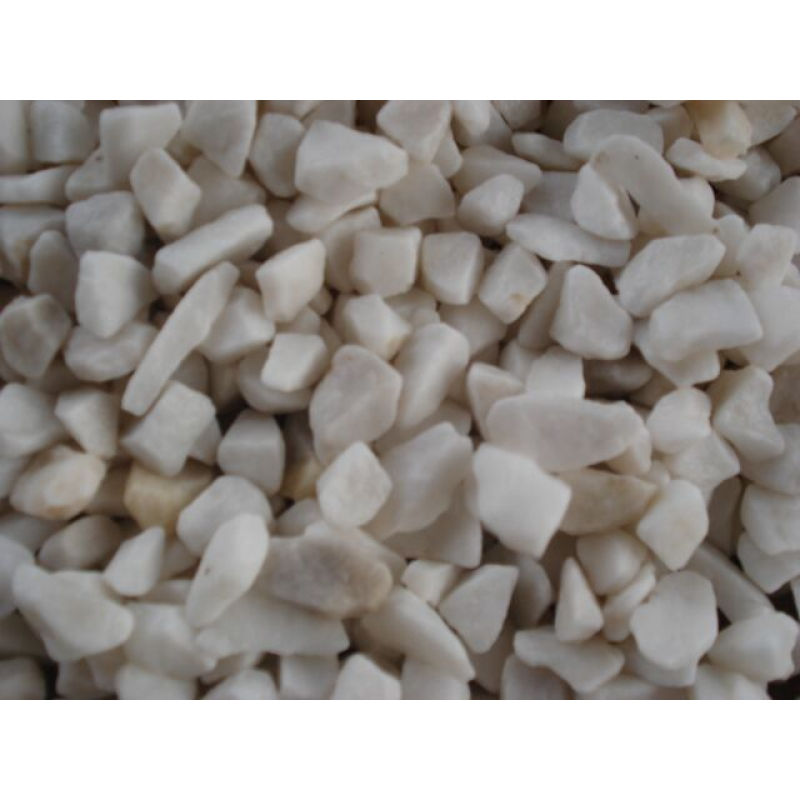
Stone veneer, an architectural and design marvel, has been transforming spaces with its blend of aesthetic appeal and functional benefits. This versatile material, mimicking the appearance of natural stone, offers a lightweight, affordable, and sustainable alternative suitable for various applications.

Incorporating stone veneer into a project starts with understanding its composition. Unlike solid stone, which can be cumbersome and difficult to install, stone veneer is manufactured from a mix of cement, iron-oxide pigments, and aggregates. This formulation results in a product that is not only visually comparable to natural stone but also easier to handle and apply. Those looking to enhance their homes or commercial spaces are often attracted to its ability to provide the look of luxury without the associated costs.
Installation of stone veneer is a key area where expertise shines. Unlike natural stone, which requires specific techniques and the expertise of seasoned masons, stone veneer is designed for ease of use. It can be applied directly to a variety of surfaces, from wood to cement, with the help of specialty adhesives and fasteners. However, the precision in cutting, alignment, and adherence is crucial. It's recommended to hire skilled professionals familiar with the material to ensure a flawless finish. An expert installer will meticulously manage seams and edges, ensure proper drainage, and avoid common pitfalls such as moisture entrapment, which could otherwise compromise the integrity of the veneer over time.
From practical experience in various climates and environments, stone veneer has proven its robust nature.
It withstands a range of weather conditions when installed properly. Despite being lighter, the material is engineered to resist fading from sunlight exposure and damage from wind, rain, or snow. This durability extends its lifespan, making it a cost-effective solution for those looking to invest in long-lasting design elements.
stone veneer
Given the rising environmental consciousness, the sustainability of stone veneer is another appealing attribute. The manufacturing process involves lower energy consumption compared to that of natural stone extraction, reducing the overall carbon footprint. Additionally, many manufacturers are now producing veneers with recycled materials, further enhancing their eco-friendly properties.
For those prioritizing design and personalization, stone veneer offers diverse styles, colors, and textures, enabling homeowners and designers to create customized looks. Whether the project requires a rustic charm, modern elegance, or a traditional aesthetic, stone veneer’s versatility caters to a wide array of design preferences.
Ultimately, trustworthiness in selecting stone veneer also lies in choosing reputable suppliers and manufacturers. Established brands provide warranties and are transparent about the quality and source of their materials, adding an extra layer of assurance for consumers. As with any building material, performing due diligence, reading reviews, and seeking testimonials can provide insights into the experiences of other users, building confidence in product selections.
In conclusion, stone veneer stands out as not only a practical and cost-effective building material but also as a beacon of luxury, sustainability, and style. Its adaptability and resilience make it a favored choice in both residential and commercial projects, ensuring that spaces are not only beautiful but also enduring and efficient. As more individuals continue to discover its benefits, stone veneer is swiftly becoming a staple in modern design and architecture, backed by the solid pillars of experience, expertise, authority, and trust.