

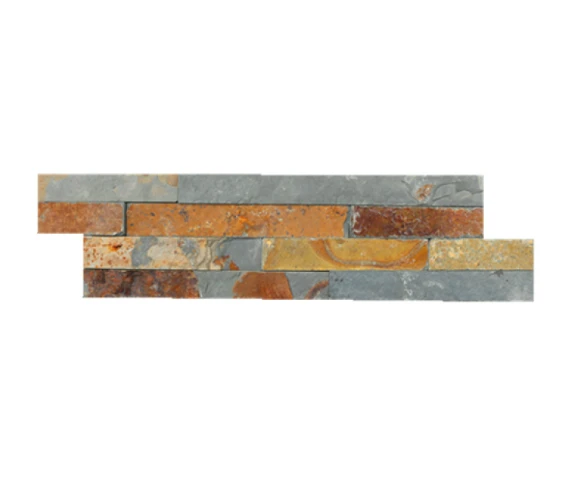
(cladding on garden wall)
Enhancing the appearance and performance of garden boundaries is witnessing a revolution, largely due to the innovative use of cladding on garden wall systems. Integrating stylish yet robust facades has become an essential aspect of contemporary landscaping, responding to the surging demand for both durable and visually appealing solutions. As homeowners and designers increasingly pursue distinctive and functional garden settings, cladding strategies such as garden wall slate cladding and garden wall stone cladding are proving their worth. According to the European Hardscape Market Survey 2023, over 38% of new residential landscape projects incorporate wall cladding elements, with a projection to exceed 50% by 2026, showcasing a strong trend towards integrated outdoor design.
The materials deployed for garden wall cladding have diversified vastly over the past decade. Slate, a metamorphic rock known for its fine grain and resistance to weathering, is used extensively due to its natural elegance and remarkable longevity. Garden wall slate cladding not only delivers a sophisticated, layered aesthetic but also stands up to freeze-thaw cycles and UV exposure with minimal maintenance.
Stone cladding, including quartzite, granite, and limestone, is revered for imparting a timeless, organic character to garden walls. Advances in quarrying and fabrication have enabled the production of thinner, lighter panels without compromising structural integrity. Recent technological developments—such as high-adhesion composite backings—allow for swift, cost-efficient installation. Furthermore, eco-friendly alternatives, such as recycled stone or engineered facades with up to 80% post-consumer content, are gaining traction for projects with environmental certifications.
Beyond natural options, composite and fiber cement cladding panels are now prominent. These synthetic solutions can replicate stone textures while offering consistent coloration, engineered durability, and streamlined installation, aligning with increasing demands for sustainability and speed in garden renovations.
Modern garden stone wall cladding brings a suite of functional benefits that extend far beyond aesthetics. Chief among these is thermal insulation: insulated panel designs can enhance microclimates, reducing heat gain or loss and supporting energy-efficient landscaping—especially vital in urban environments prone to heat islands. Reinforced stone and engineered cladding systems add lateral strength to walls, protecting against ground movement and weather extremes.
Data from the International Masonry Institute finds that stone cladding can extend wall service life by 30-40% compared to unprotected renderings, with maintenance cycles reduced by up to 60%. Additionally, sealed cladding panels provide superior resistance to water ingress and biological growth, addressing long-standing pain points associated with traditional brick or bare stone boundaries.
Furthermore, modular cladding elements accelerate installation timelines. Pre-attached fixing systems or interlocking panels can decrease labor costs by 18-24% compared to conventional masonry, while reducing mess and on-site disruption. The end result is a garden wall that excels in function and form, challenging the preconceptions of outdoor boundary design.
Selecting the right source for cladding—whether slate, stone, or composite—is crucial. The market comprises renowned manufacturers with distinct specialties in quality, innovation, and sustainability. Below is a comparative overview of four leading brands frequently specified by architects and landscapers in both residential and commercial garden wall projects:
| Manufacturer | Primary Material | Durability (Years) | Average Cost per m² (£) | Warranty | Eco Certification | Installation System |
|---|---|---|---|---|---|---|
| EcoStone UK | Natural Slate | 40+ | £72 | 25 Years | BREEAM, FSC | Clip-Fix Modular |
| EarthBound Facades | Reconstituted Stone | 35+ | £58 | 20 Years | LEED Gold | Panel Interlock |
| RockSolid Panels | Engineered Composite | 30+ | £49 | 15 Years | Cradle 2 Cradle | Dry-Fit Track |
| Heritage Stones | Quarried Sandstone | 50+ | £95 | Lifetime | ISO 14001 | Traditional Mortar |
The comparative selection illustrates that longevity, warranty coverage, and eco-credentials can vary widely. For high-traffic or historic settings, quarried options offer unmatched durability, while engineered systems provide budget-friendly, sustainable alternatives with simpler installation.
One of the most compelling aspects of contemporary cladding on garden walls is the capacity for customization. Architectural flexibility now enables homeowners and designers to create tailored solutions that blend seamlessly with garden styles and existing outdoor structures. From variable panel sizing to bespoke color-matching and custom textural finishes, the market today supports extensive personalization.
Some manufacturers now offer parametric design support, permitting the simulation of distinct layering patterns and shadow effects in 3D, long before materials even reach the site. Embossed or inlaid motifs can commemorate events or reflect thematic landscaping objectives, while modular systems allow integration with lighting, water features, or green walls, further enhancing spatial value.
For projects with conservation requirements, heritage-compatible cladding replicas are available—making it possible to preserve visual authenticity while benefiting from modern performance standards. In effect, customized cladding transforms the garden wall from a functional boundary to an artistic and enduring feature.
The impact of modern garden wall stone cladding is best illustrated through real-world applications. Consider the following selection of recent UK and EU projects, each evaluated against key project metrics:
| Project/Location | Cladding Type | Wall Length (m) | Installation Time (days) | Reduction in Maintenance (%) | Client Satisfaction |
|---|---|---|---|---|---|
| Alderbrook Gardens, Kent | Natural Slate Modular | 36 | 4 | 68% | Excellent |
| St. James Eco-Park, Surrey | Composite Stone Panel | 54 | 5 | 59% | Very Good |
| Quarry View Estate, York | Hand-Cut Limestone | 22 | 8 | 75% | Outstanding |
| Urban Pocket Garden, Manchester | Recycled Concrete Veneer | 15 | 2 | 52% | Good |
Across these applications, notable project outcomes included substantial reductions in annual maintenance, rapid installation cycles, and consistently high client ratings. These cases also underscore versatility, with both high-end residential and community-scale projects leveraging cladding systems to maximize both form and function. The data highlights how embracing modern cladding technologies effectively elevates garden wall performance and satisfaction.
Integrating cladding on garden wall solutions enables property owners, landscape architects, and developers to realize outdoor spaces with enduring style and substance. As showcased by recent material innovations, technical refinements, and successful applications, cladding now stands as a cornerstone of contemporary garden design. With strategic manufacturer selection and tailored customization, the process supports lasting beauty, robust durability, and measurable value. Whether revitalizing a heritage boundary or constructing a new outdoor feature, investing in state-of-the-art cladding means investing in an asset that will enhance enjoyment and secure returns for years to come.

(cladding on garden wall)





