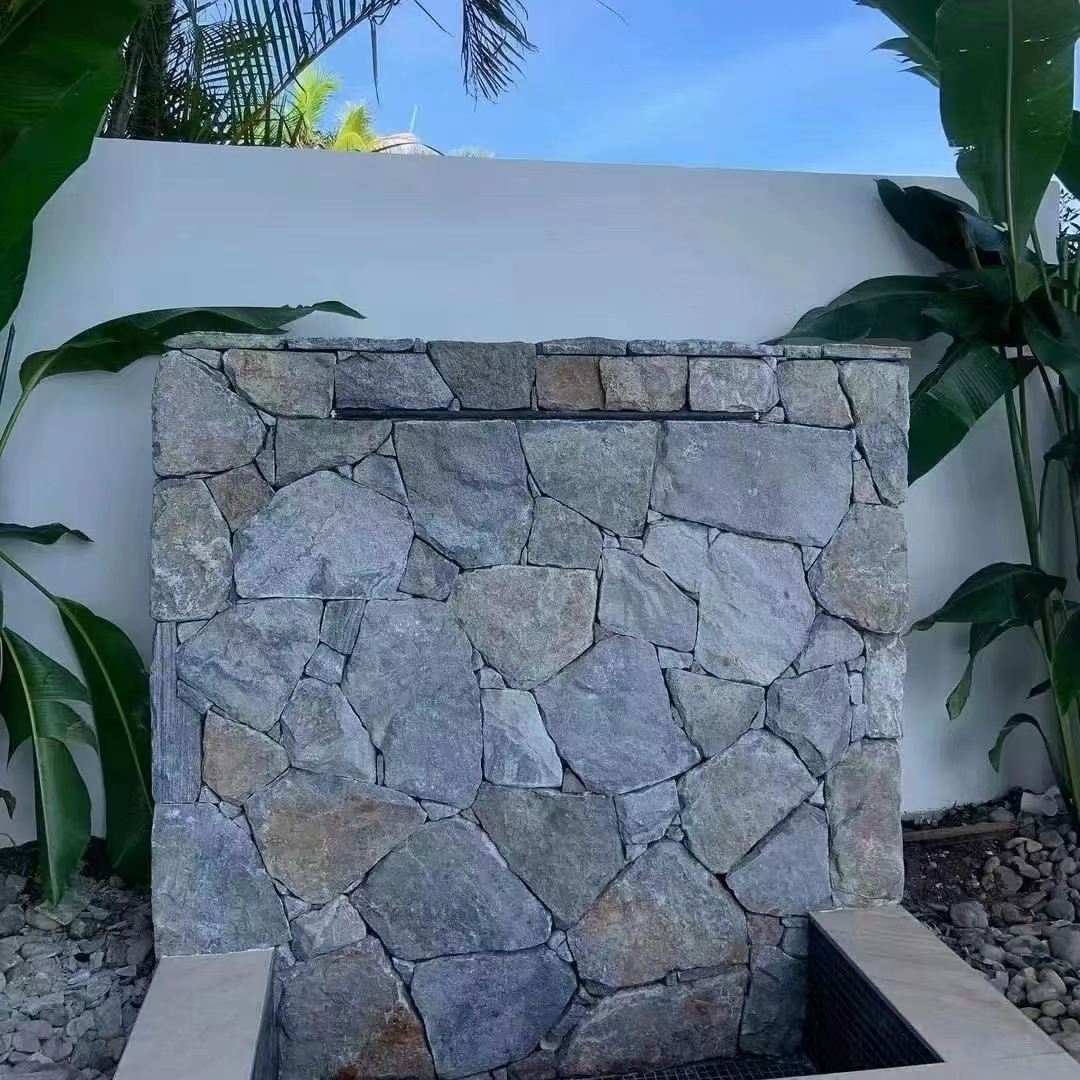
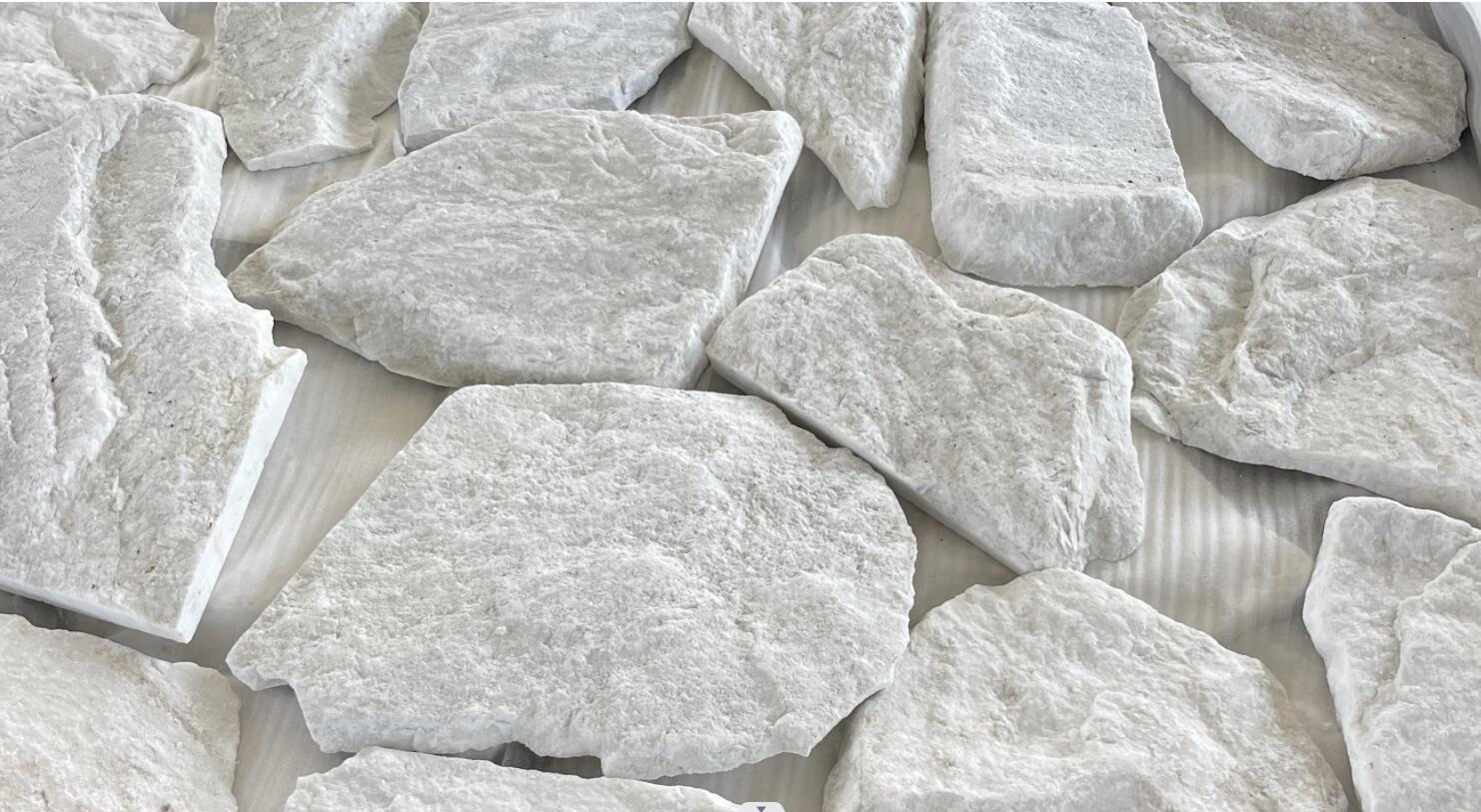
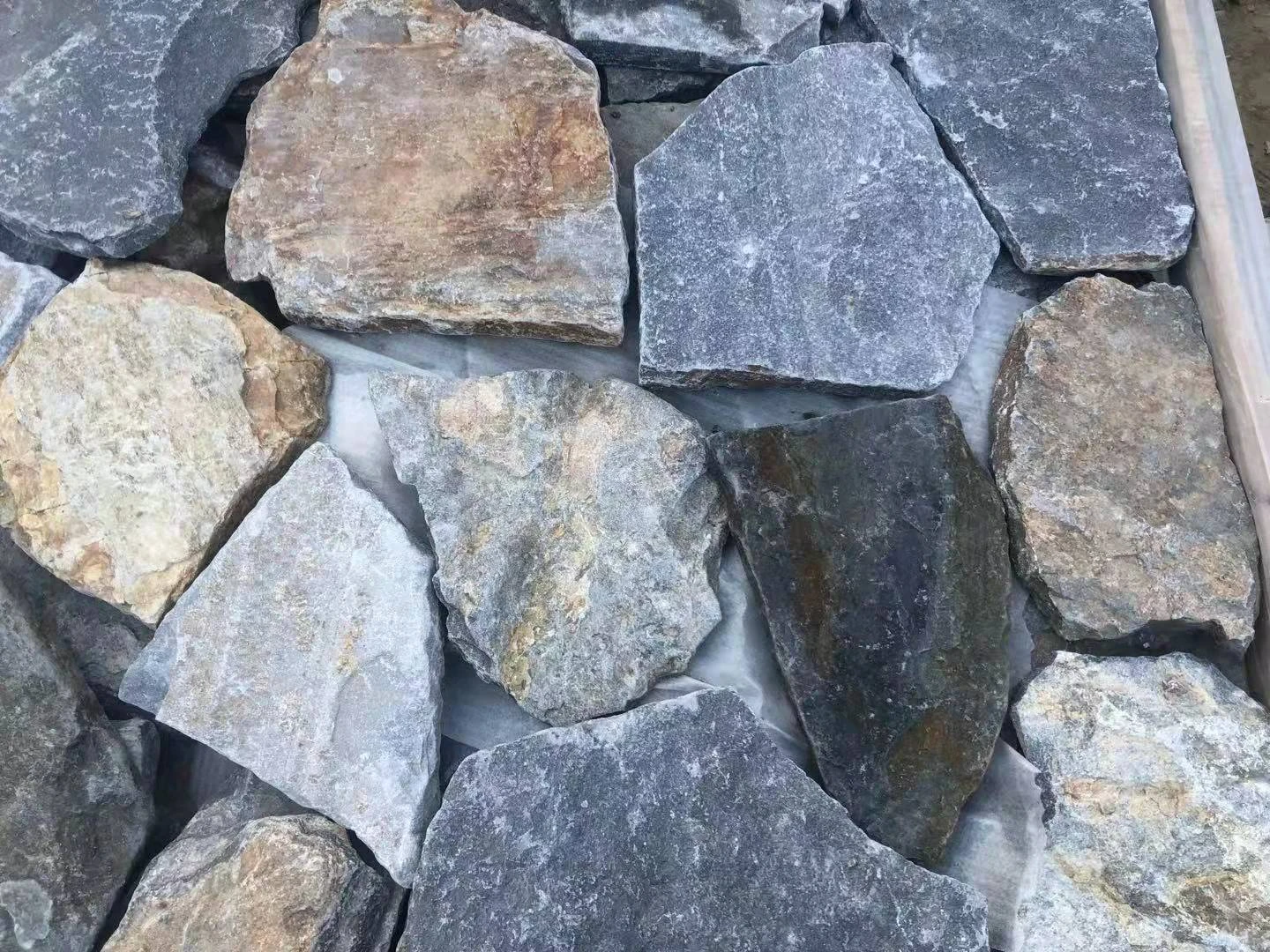
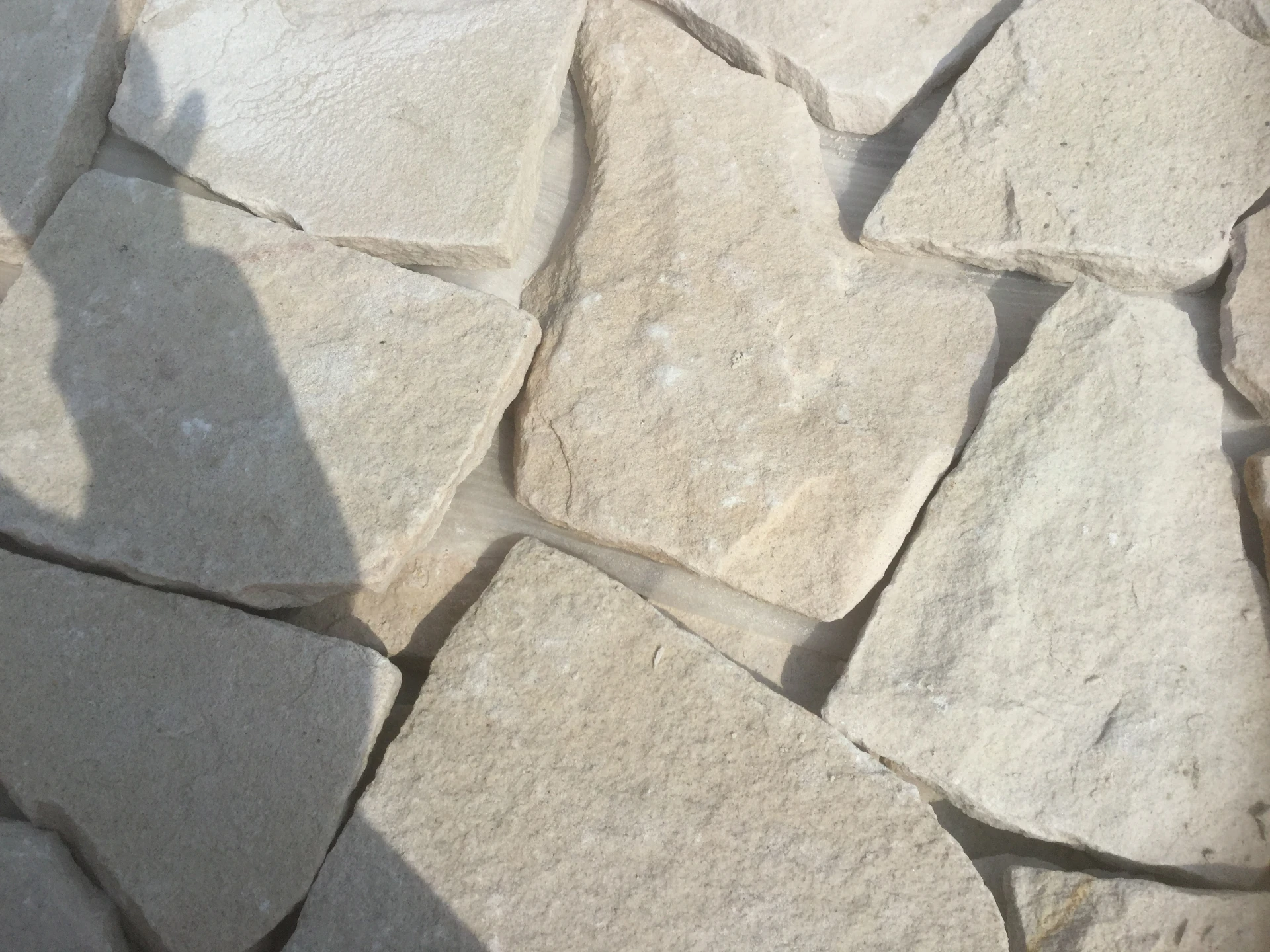
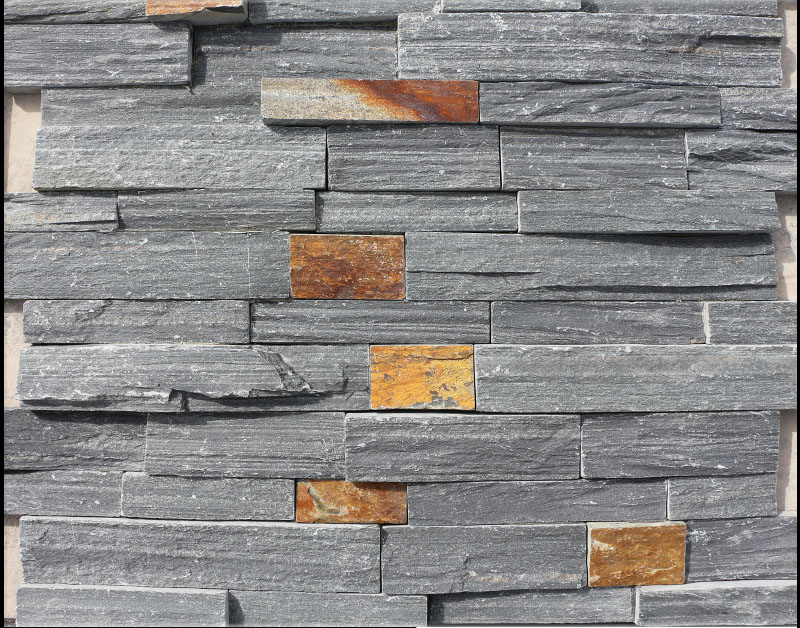
Thin stone, The introduction of natural stone with a thickness typically between 3 and 10 millimeters into the field of architectural design marks an important advancement in building materials. This material not only maintains the aesthetic characteristics of natural stone, but also demonstrates significant advantages in terms of lightweight, flexibility, and construction convenience. With the development of technology and the continuous evolution of architectural design concepts, ultra-thin stone has become increasingly widely used in architecture and has become a promising innovative material in modern architecture.
Traditional stone often limits the design and construction of building structures due to its thickness. The emergence of thin stone veneers significantly reduced the overall weight of buildings, thereby lowering the requirements for infrastructure. This not only reduces material costs, but also lowers the demand for heavy equipment during the construction process. Architects can therefore design bolder and more unique shapes, providing greater flexibility for the visual effects of buildings. For example, using ultra-thin stones on the exterior of some high-rise buildings can effectively extend the service life of the building and improve its aesthetics.
Due to its lightweight nature, thin stone panels are relatively easy to transport and install, greatly improving construction efficiency. In addition, ultra-thin stones can be processed in different ways to meet various architectural needs, such as their application in curved and irregular structures. This flexibility allows ultra-thin stones to play an important role in complex architectural projects, such as modern art galleries, exhibition centers, and other buildings that require avant-garde design.
Architects and engineers must conduct thorough evaluations and tests on the durability and strength requirements of materials. Although the aesthetics and lightweight of ultra thin stone make it visually and design appealing, in some cases, its compressive strength and wear resistance may not be comparable to traditional thick stone. This requires architectural professionals to comprehensively consider the physical properties and usage environment when selecting and applying ultra-thin stones.
As a natural material, thin stone panels can effectively reduce the environmental burden of building construction. Meanwhile, the maintenance and repair costs required during installation and use are relatively low, further enhancing its sustainability.
In short, the application of ultra-thin stones in architecture demonstrates the innovative potential of combining traditional materials with modern technology. With the increasing demand for material performance in the construction industry and the advancement of design concepts, ultra-thin stones, with their unique advantages, will continue to play an irreplaceable role in architectural art and functionality. In the future, ultra-thin stones will be applied in more construction projects and become an important element of modern architectural design.
 الأفريقي
 الألبانية
 الأمهرية
 عربي
 الأرمينية
 أذربيجاني
 الباسك
 البيلاروسية
 البنغالية
 البوسنية
 البلغارية
 الكاتالونية
 السيبيونو
 الصين
 الصين (تايوان)
 كورسيكية
 الكرواتية
 التشيكية
 دانماركي
 هولندي
 إنجليزي
 الاسبرانتو
 الإستونية
 الفنلندية
 فرنسي
 الفريزية
 الجاليكية
 الجورجية
 ألمانية
 اليونانية
 الغوجاراتية
 الكريولية الهايتية
 الهوسا
 هاواي
 اللغة العبرية
 لا
 مياو
 المجرية
 الأيسلندية
 الإيغبو
 الاندونيسية
 الأيرلندية
 ايطالي
 اليابانية
 الجاوية
 الكانادا
 الكازاخستانية
 الخمير
 الرواندية
 الكورية
 كردي
 قيرغيزستان
 السل
 اللاتينية
 لاتفيا
 الليتوانية
 اللوكسمبرجية
 المقدونية
 Malgashi
 لغة الملايو
 المالايالامية
 المالطية
 الماوري
 المهاراتية
 المنغولية
 ميانمار
 النيبالية
 النرويجية
 النرويجية
 الأوكيتانية
 الباشتو
 اللغة الفارسية
 تلميع
 البرتغالية
 البنجابية
 روماني
 الروسية
 ساموا
 الغيلية الاسكتلندية
 الصربية
 إنجليزي
 شونا
 السندية
 السنهالية
 السلوفاكية
 السلوفينية
 الصومالية
 الأسبانية
 السودانية
 السواحلية
 السويدية
 التاغالوغية
 الطاجيكية
 التاميل
 التتار
 التيلجو
 التايلاندية
 اللغة التركية
 التركمان
 الأوكرانية
 الأردية
 الأويغور
 الأوزبكية
 الفيتنامية
 تهرب من دفع الرهان