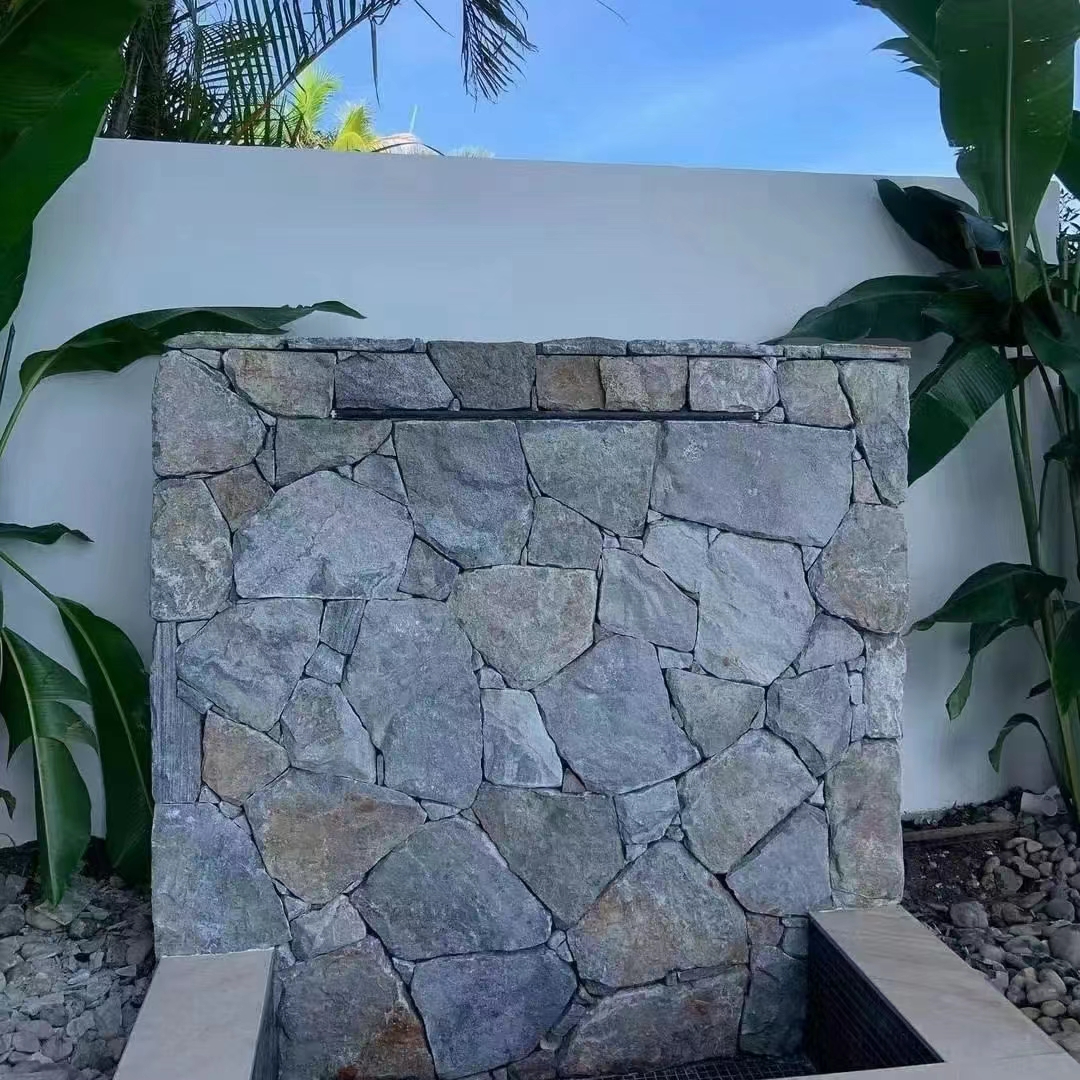
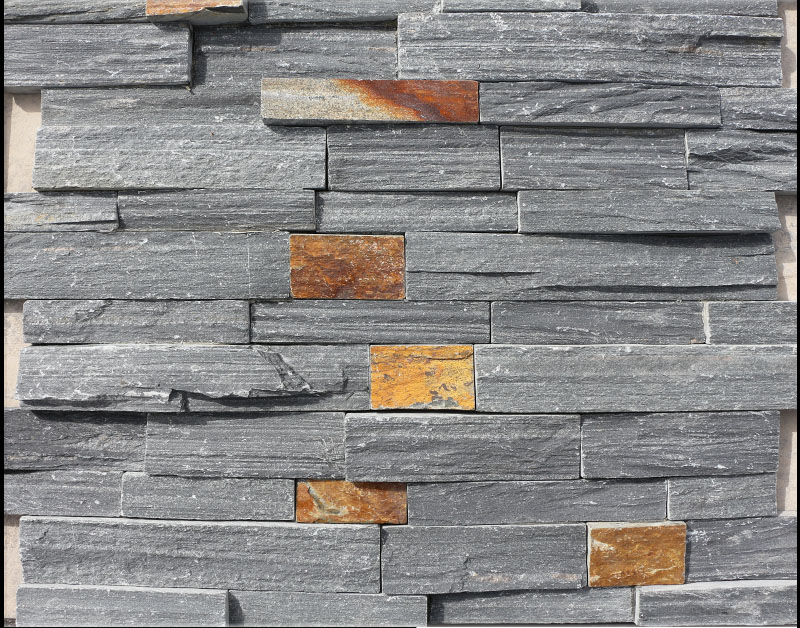
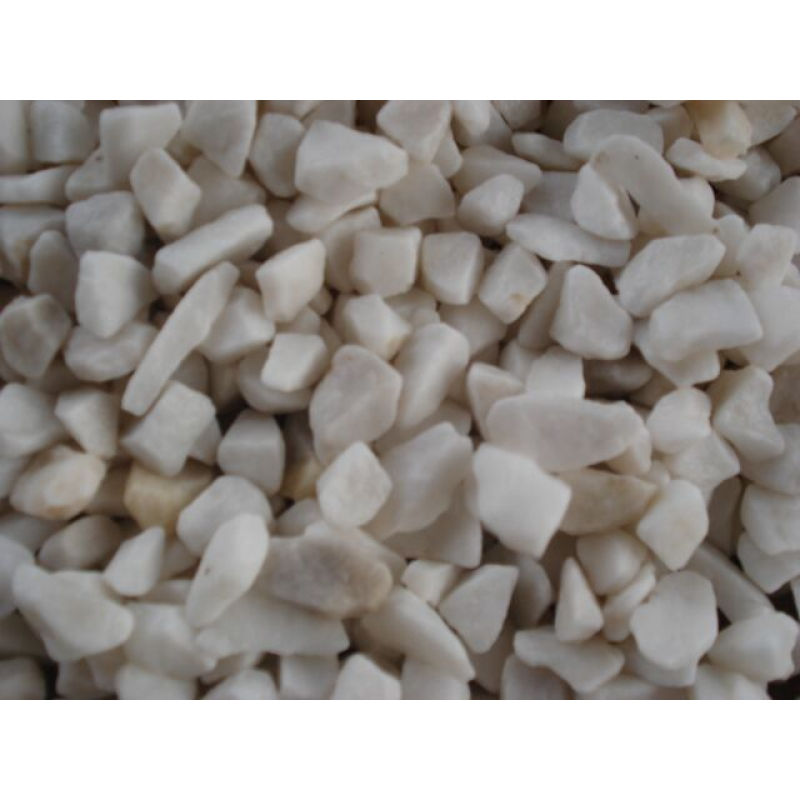
Natural stone is one of the most time-tested and popular building materials in the world, beloved for its timeless beauty and natural properties and gracing the most famous architectural structures in history. Each part of the globe offers a unique environment where different elements and mother nature combine to create a large variety of different patterns, colors, and textures. These endless options make every natural stone application one-of-a-kind and provide an artist’s palette to showcase the masterwork of nature in any space.
Natural stone also offers great flexibility of design, as each stone offers its own unique design properties and possibilities. Let’s dive into what makes natural stone so special – from the different types of stones to the pros and cons of incorporating natural stone tile in your designs.
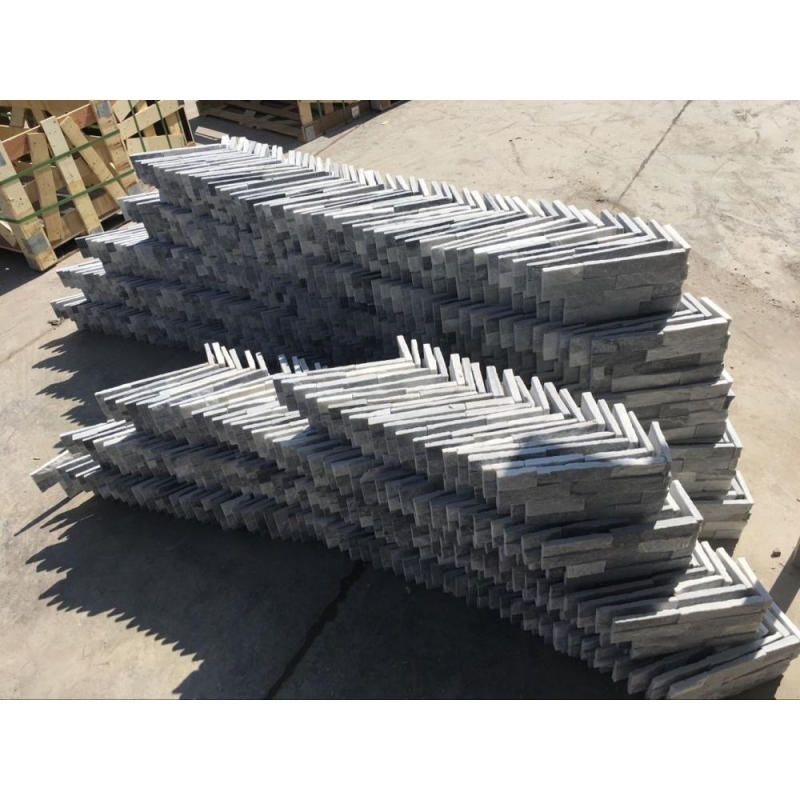
“Natural Stone” is defined as an organic solid composition made up of natural minerals quarried from the earth. The origin story of natural stone starts million years ago, as a combination of heat and pressure condensed various minerals to form solid rocks in the ground. As the earth’s crust began to grow and erode, it pushed these minerals from its core and formed massive rock deposits, which serve as the quarries from which we mine natural stone today.
Kini nga mga produkto sa yuta labaw pa sa mga bato. Ang bato nga gikubkob alang sa disenyo ug arkitektura gipili gikan sa labing maayo, labing taas nga kalidad nga mga gigikanan. Ang mga eksperto sa bato sa tibuok kalibutan nagpili sa labing makanunayon, matahum, ug lig-on nga natural nga mga bato, nga naghiusa sa arte ug siyensya aron makahimo og walay katapusan nga mga produkto.
Itom ug Puti nga mga Disenyo sa Banyo nga Makadasig
Ang mga quarry sa natural nga bato makita sa tibuok kalibutan, ilabina sa Italy, Spain, Portugal, China, India, Canada, ug United States. Niini nga mga quarry, ang mga eksperto sa bato nagtrabaho uban ang katukma ug kahibalo pinaagi sa mga proseso nga naghiusa sa tradisyon ug teknolohiya.
Human makuha ang bato gikan sa yuta, putlon kini ngadto sa mga bloke, nga ang matag usa motimbang ug mga 15,000 ngadto sa 25,000 ka libra. Kini nga mga bloke dayon putlon ngadto sa nipis nga mga piraso nga gitawag og mga slab. Ang mga slab gidala ngadto sa mga fabricator, nga sa katapusan nag-umol ug nagproseso niini aron mohaum sa komersyal nga mga panginahanglan.
There are many different types of natural stone, and each type has its own set of properties. Before selecting a stone to design with, it’s important to what are the unique traits of each stone and what is the recommended application for it.
Marble – Gihigugma tungod sa matahum nga veining ug kolor niini, ang marmol nagtanyag usa ka istilo nga kaluho nga hitsura sa bisan unsang aplikasyon. Kining medyo humok nga bato daling makulit, makulit, ug maputol, nga maghimo niini nga usa sa labing daghang gamit nga mga bato sa merkado. Kasagaran nga nakig-uban sa matahum nga arte ug tradisyonal nga arkitektura, ang marmol labi ka sikat sa bag-ohay nga mga tuig, ug salamat sa pag-uswag sa teknolohiya mas dali nga magamit ug mahigalaon sa badyet kaysa kaniadto.
Granite – Usa sa labing inila nga mga bato sa merkado, ang granite nagtanyag dili hitupngan nga kusog ug kalig-on. Salamat sa talagsaon nga densidad niini, ang granite usa ka hilabihan ka gahi nga bato, nga naghimo niini nga perpekto alang sa dagkong mga proyekto sa arkitektura, ingon man sa mga lugar nga adunay daghang trapiko. Ang Granite nagtanyag usa ka talagsaon nga lainlaing mga kolor ug pagkahuman, nga nagtanyag usa ka pangdekorasyon nga kantidad ingon usab usa ka magamit.
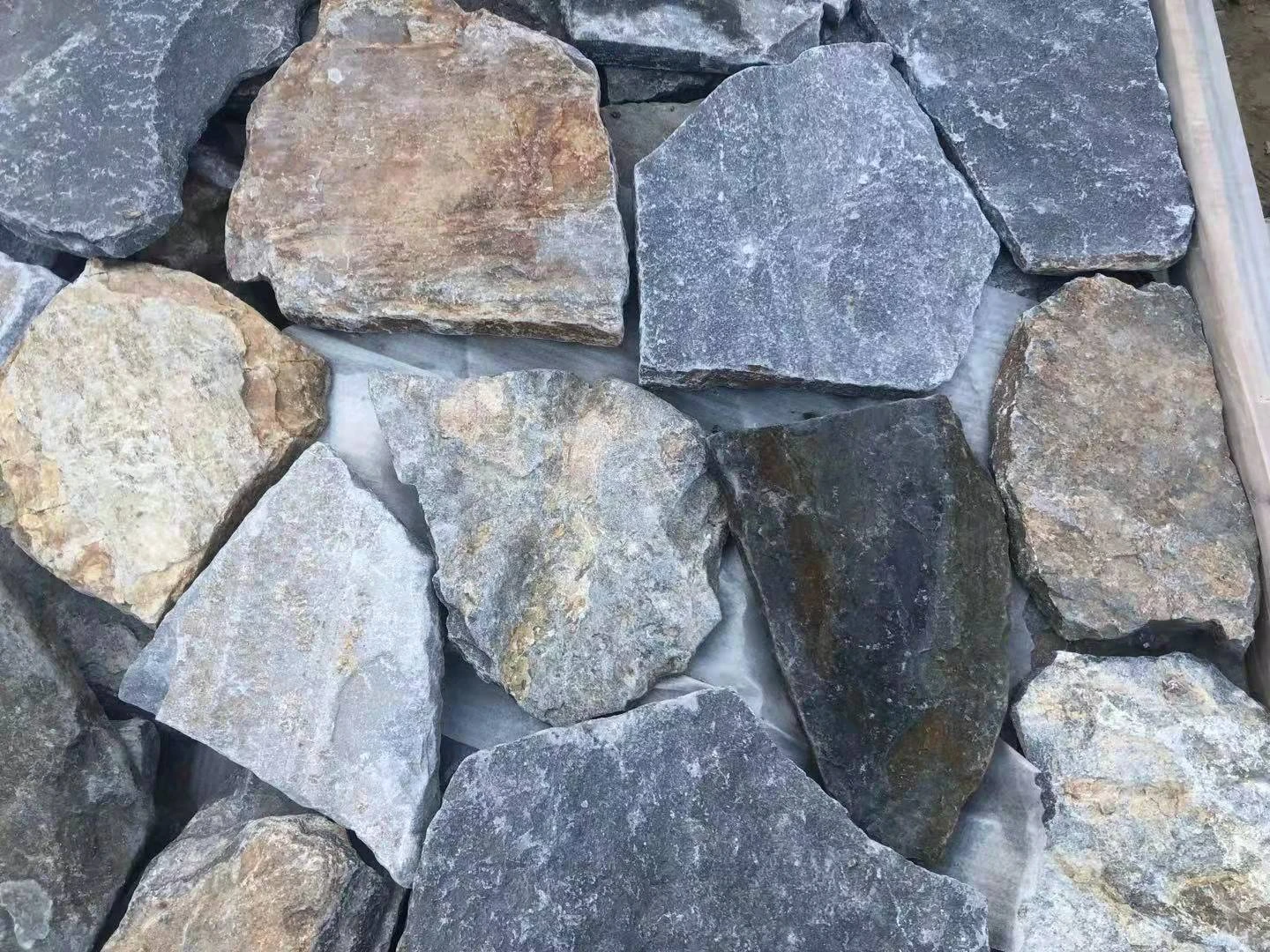
Slate – Ang usa ka metamorphic nga bato, ang slate usa ka dasok, lig-on, ug resistensya nga natural nga produkto, nga naghimo niini nga sulundon alang sa salog, mga lugar nga adunay daghang trapiko, ug mga aplikasyon sa gawas. Naporma sulod sa liboan ka tuig nga sedimentary deposit ug compression, ang slate nagpresentar ug nindot nga textured layers sa lain-laing shades.
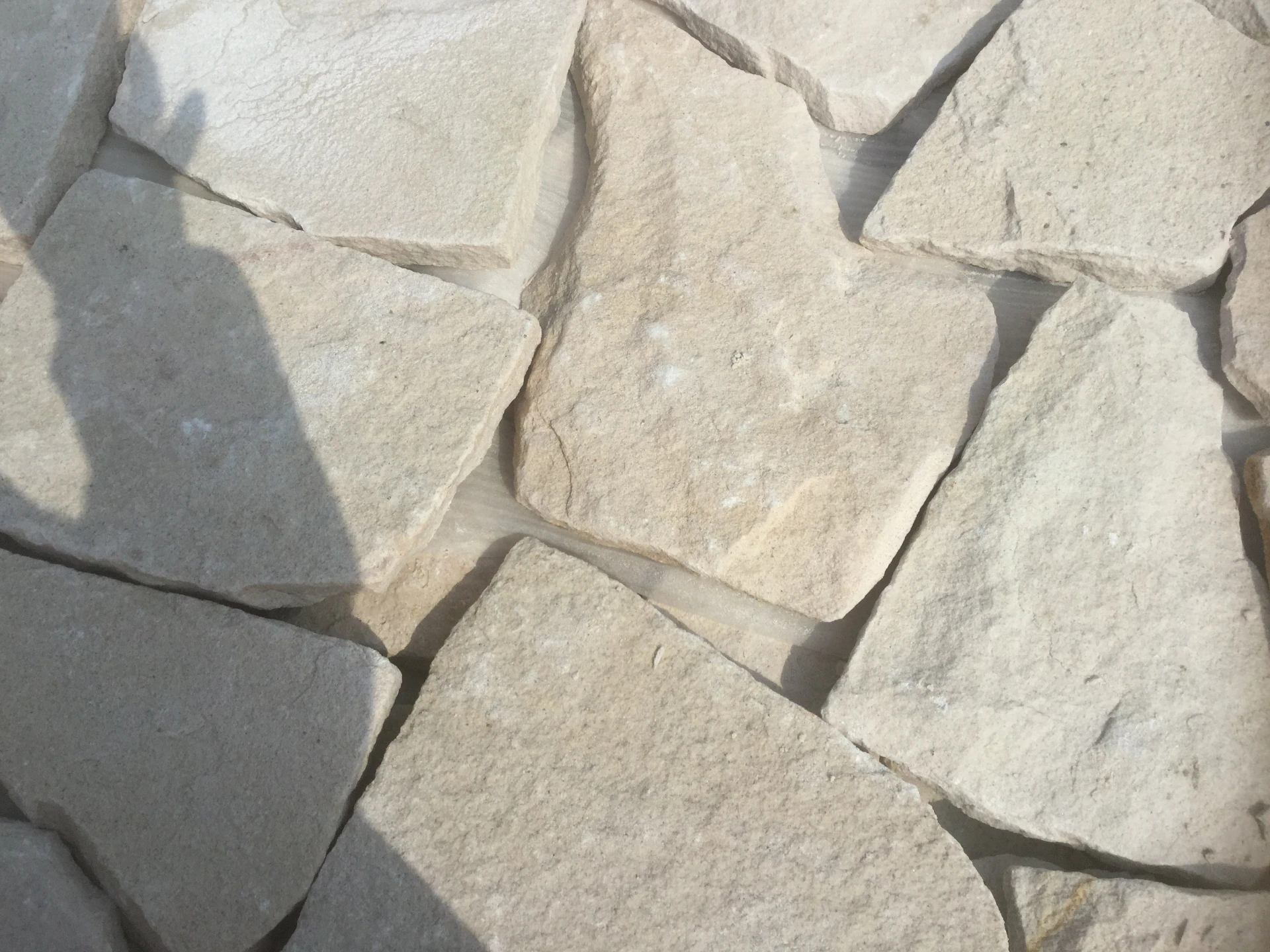
Limestone – Nagpakita sa muted ug humok nga natural nga mga tono, ang anapog usa ka hinungdan ug gamay nga bato nga mohaum sa lainlaing mga instalasyon. Ang anapog usa ka sedimentary nga bato nga gilangkoban sa panguna sa mga deposito sa calcium ug gigamit sulod sa liboan ka tuig sa mga bilding sa tibuok kalibotan. Ang mga produkto nga anapog hilabihan ka daghang gamit, nga nagtanyag usa ka neyutral ug lig-on nga hitsura alang sa mga countertop, salog, banyo, ug mga aplikasyon sa gawas.
Onyx – Nagtanyag usa ka talagsaon nga hitsura, ang onyx usa ka translucent nga bato nga adunay natural nga semi-glossy nga nawong. Ang onyx gilangkuban sa kristal ug silica, ug tungod sa pagkaparehas niini sa agata, nagmugna kini usa ka matahum nga biswal nga nagpahinumdom sa mga mahal nga bato. Ang onyx dili kaayo lig-on kay sa ubang mga bato ug busa kasagarang gigamit alang sa pangdekorasyon nga mga disenyo sa pahayag, sama sa feature nga mga bungbong ug mga fireplace.
Travertine – Nailhan tungod sa banded, pitted nga hitsura niini, ang travertine usa ka porma sa anapog nga gideposito sa mga mineral nga tubod, nga nagpakita sa usa ka adunahan ug lahi nga hitsura. Kasagaran nga makit-an sa mas init nga mga shade sama sa tan, brown, ug beige, ang travertine adunay usa ka talagsaon nga mainit nga kinaiya. Tungod sa natural nga mga fissure niini, ang travertine kanunay nga puno sa grout, resin, o semento aron makamugna ang usa ka hapsay, mas resistensya nga nawong.
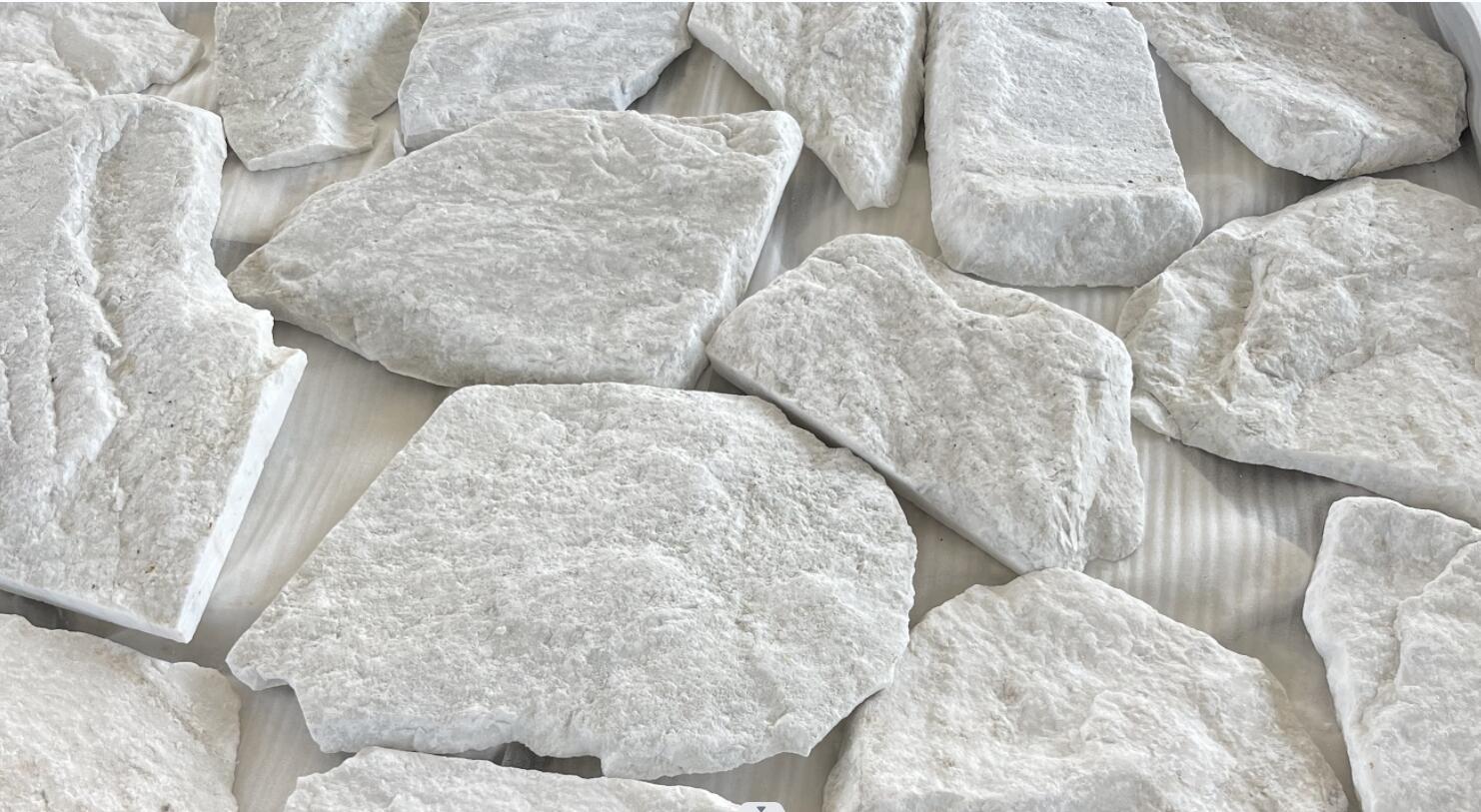
Quartz – Combining one-of-a-kind beauty of supreme durability, quartz is a medium-grained textured rock that naturally shimmers and sparkles with tiny quartz crystals. Similar to slate, quartz contains diverse mineral content, which gives it a huge variety of colors, patterns, and variations. Thanks to its looks and durability, quartz is perfect for almost any application – from flooring and outdoor surfaces to decorative features.
 Aprikano
  Albaniano
  Amharic
  Arabiko
  Armenian
  Azerbaijani
  Basque
  Belarusian
  Bengali
  Bosnian
  Bulgarian
  Catalan
  Cebuano
  China
China  China (Taiwan)
  Corsican
  Croatiano
  Czech
Czech  Danish
  Dutch
Dutch  English
  Esperanto
  Estonian
  Finnish
  Pransiya
  Frisian
  Galician
  Georgian
  Aleman
  Griyego
  Gujarati
  Haitian Creole
  hausa
hausa  hawaiian
  Hebreohanon
  dili
dili  Miao
Miao  Hungarian
  Icelandic
  igbo
igbo  Indonesian
  irish
irish  Italyano
  Hapon
Hapon  Javanese
  Kannada
  kazakh
  Khmer
Khmer  Rwandan
  Koreano
  Kurdish
  Kyrgyz
  TB
TB  Latin
Latin  Latviano
  Lithuanian
  Luxembourgish
  Macedonian
  Malgashi
  Malay
Malay  Malayalam
  Maltese
  Maori
Maori  Marathi
  Mongolian
  Myanmar
  Nepali
  Norwegian
  Norwegian
  Occitan
  Pashto
  Persianhon
  kahamis
  Portuges
  Punjabi
  Romaniano
  Ruso
Ruso  Samoano
  Scottish Gaelic
  Serbiano
  English
  Shona
Shona  Sindhi
  Sinhala
  Slovak
  Slovenian
  Somali
  Kinatsila
  Sundanese
  Swahili
  Swedish
  Tagalog
  Tajik
Tajik  Tamil
Tamil  Tatar
Tatar  Telugu
  Thai
Thai  Turko
Turko  Turkmen
  Ukrainiano
  Urdu
Urdu  Uighur
  Uzbek
Uzbek  Vietnamese
  Welsh
Welsh