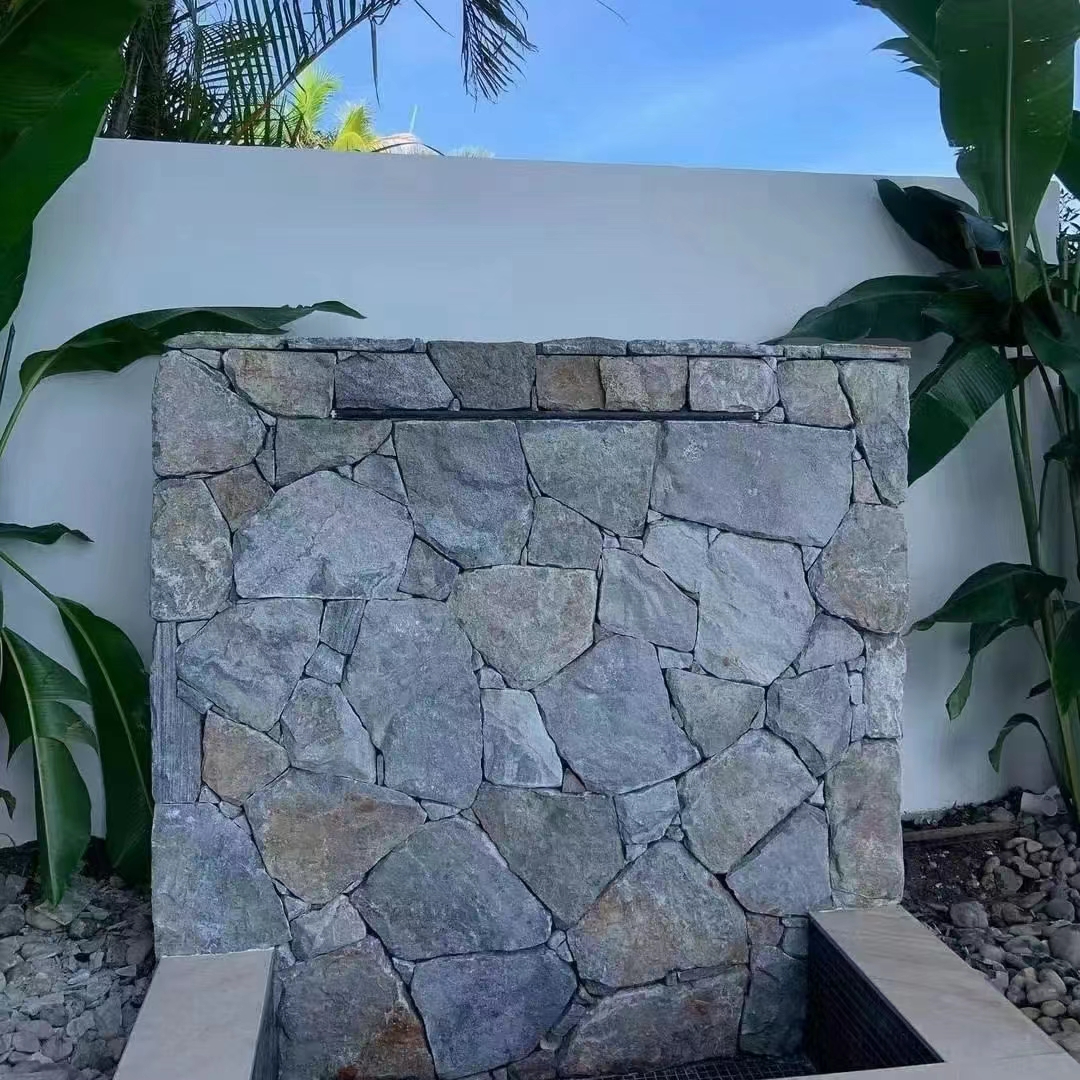
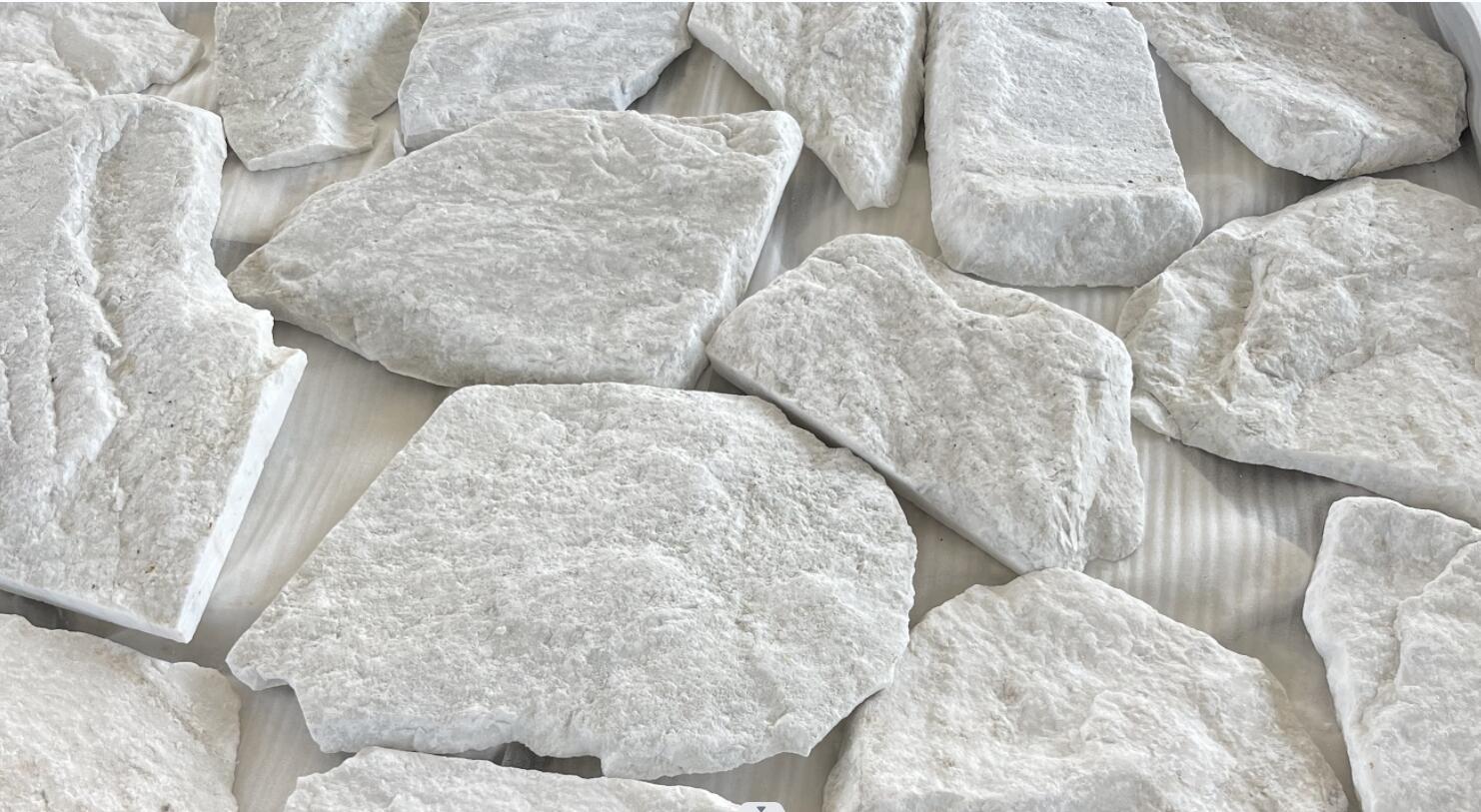
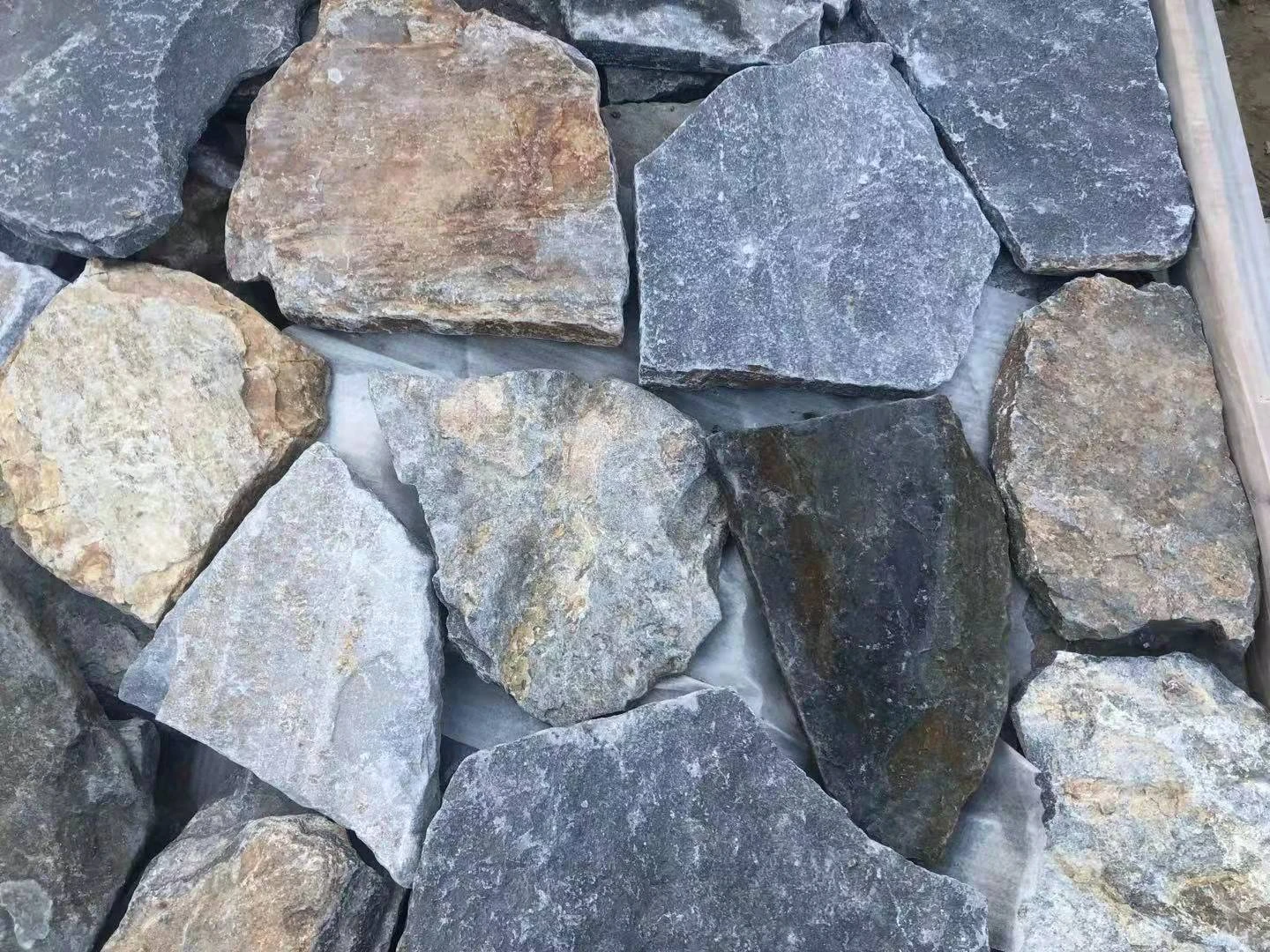
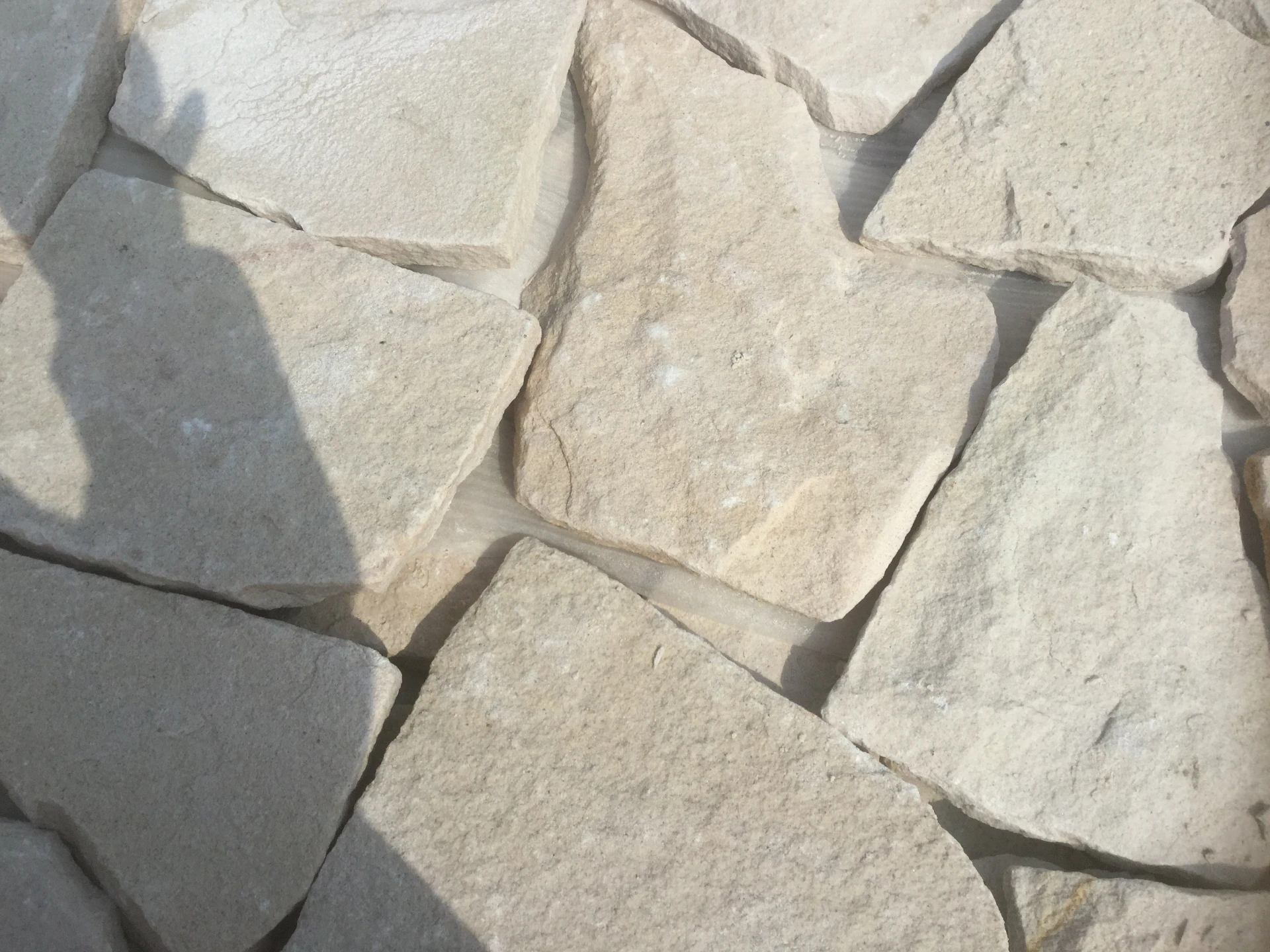
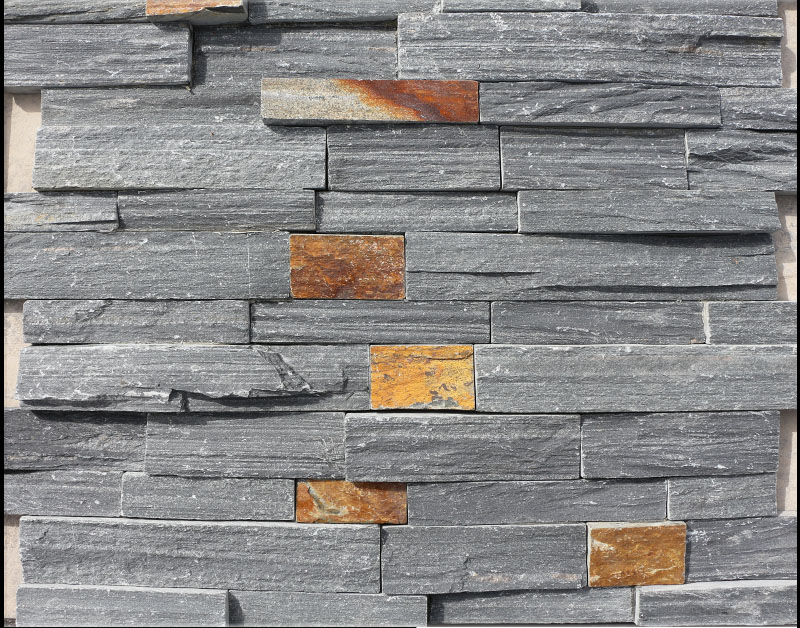
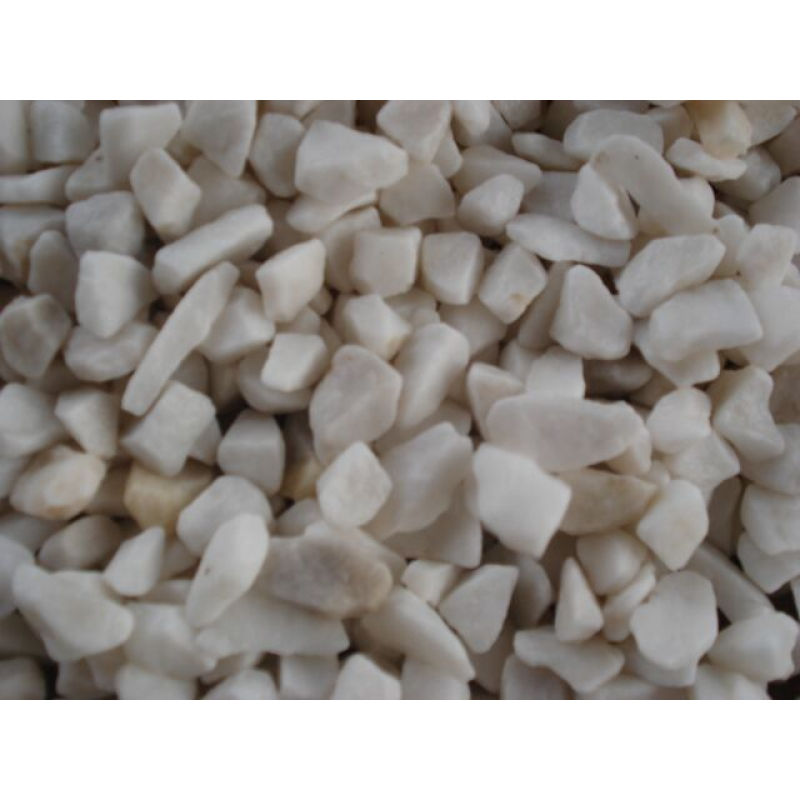
Quartzite stone is a type of rock formed by the cementation of quartz particles. The following is a detailed explanation of quartzite stone.
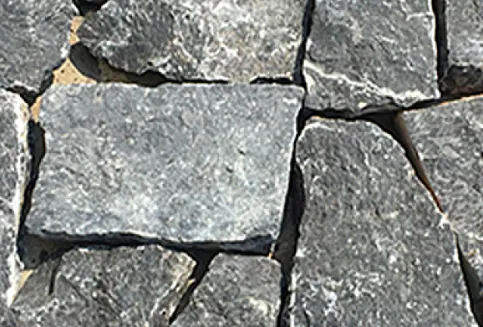
Main components: Quartzite stone is mainly composed of silicon dioxide (SiO2), with a content typically exceeding 90%. This makes it a highly siliceous rock with excellent physical and chemical properties.
characteristic:
High hardness: Quartzite stone has a hardness close to or equal to 7 (Mohs hardness), which makes it very wear-resistant and durable.
Good chemical stability: It has good resistance to most acids, bases, and solvents and is not easily corroded.
High heat resistance: able to withstand high temperatures without deformation or cracking.
Appearance: The color and texture of quartzite stone vary depending on the impurities and formation conditions it contains. Common colors include gray, white, yellow, red, etc., and sometimes obvious layering or strip-shaped structures can also be seen.
Celo:
Architecture and Decoration: Due to its high hardness and beautiful appearance, quartzite stone is often used as a building material and decorative material, such as flooring, walls, countertops, etc.
Sculpture and artwork: Quartzite stone is also used to create sculptures and artworks due to its ease of carving and processing.
Industrial applications: Due to its excellent physical and chemical properties, quartzite stone is also widely used in industrial fields such as glass manufacturing, ceramic manufacturing, and ferrosilicon smelting.
Quartzite stone is distributed around the world, but there may be differences in composition, texture, and color among quartzite stone from different regions. Some famous quartzite stone production areas include the United States, Brazil, Australia, and other places. In China, quartzite stone is also widely distributed, but the specific origin and quality vary by region.
To ensure the long-term aesthetics and durability of quartzite stone, it is necessary to perform appropriate maintenance and upkeep. Here are some suggestions:
Regular cleaning: Use mild cleaning agents and a soft cloth to regularly clean the surface of quartzite stone, avoiding scratching or corroding the surface with hard objects or highly corrosive cleaning agents.
Avoid heavy pressure: Try to avoid placing heavy objects or engaging in vigorous activities on the surface of quartzite stone to prevent damage.
Timely handling of stains: If stains appear on the surface of quartzite stone, they should be wiped clean immediately with a damp cloth to avoid prolonged retention and difficulty in removal.
In summary, quartzite stone has attracted much attention for its unique composition, characteristics, and wide range of applications. By understanding its characteristics and performing appropriate maintenance and upkeep, the long-term aesthetics and durability of quartzite stone can be ensured.
As a is a company specializing in the stone, our business scope is very broad . We have water feature stone wall , thin stone , ledge stone kaj castle stone . About the castle stone ,we have irregular stones , flamed sandstone paving , loose cladding ,quartzite stone , pavers with white rocks , rustic stone kaj rustic flagstone patio. The quartzite stone price in our company are reasonable . If you are interesting in our product welcome to contact us!
 afrikano
  albana
  Amhara
  la araba
  la armena
  Azerbajĝana
  eŭska
eŭska  Belarusian
  bengala
  bosnia
  bulgaro
  kataluna
  Cebuano
  Ĉinio
Ĉinio  Ĉinio (Tajvano)
  korsika
  kroata
  ĉeĥa
ĉeĥa  dana
dana  nederlanda
  la angla
  Esperanto
  estona
  finna
finna  franca
  frisa
frisa  galego
  kartvela
  germana
  greka
greka  Gujaratio
  Haitian Creole
  hausa
hausa  havajano
  la hebrea
  Ne
Ne  Miao
Miao  hungara
  islanda
  igbo
igbo  indonezia
  irlandano
  itala
itala  Japanoj
  la javano
  Kannada
  kazaĥo
  ĥmeroj
  Ruando
  korea
korea  kurda
kurda  Kirgizoj
  TB
TB  la latina
  latva
latva  litova
  luksemburga
  makedona
  Malgashi
  malaja
  la malajala
  malta
malta  maoria
  Maratio
  mongola
  Mjanmao
  nepala
  norvega
  norvega
  okcitana
  Paŝto
Paŝto  la persa
  pola
pola  portugala
  panĝaba
  rumana
  rusa
rusa  samoano
  Skotgaela
  serba
serba  la angla
  Ŝona
Ŝona  Sinda
Sinda  Sinhala
  la slovaka
  sloveno
  Somalo
  hispana
  Sundanese
  Svahila
  sveda
sveda  la tagaloga
  taĝiko
  la tamila
  tataro
  la telugua
  tajlanda
  Turka
Turka  turkmenoj
  ukraina
  Urdu
Urdu  ujgura
  uzbeko
  vjetnama
  kimra lingvo