

Blag

-
 Building stone tests are crucial evaluations conducted to assess the suitability, durability, and performance of various types of stones used in construction. These tests help ensure that the chosen building stones can withstand environmental conditions, load-bearing requirements, and other factors that may impact their longevity and structural integrity. Different types of tests are employed to evaluate aspects such as compressive strength, water absorption, abrasion resistance, and thermal performance. The results of these tests aid architects, engineers, and builders in selecting the most appropriate building stones for a given project, taking into account the specific demands of the intended application and the prevailing environmental conditions.This blog shall discuss the different types of stone tests for checking the viability of building stones for construction projects. This topic is important for all the upcoming Civil Engineering Examinations, including SSC JE CE and RRB JE Civil.Leigh Nios mo
-
 Building a beautiful structure that will stand the test of time is the goal of most projects. But when a stone’s physical properties take a back seat to design and aesthetics, how that structure will look in five or 10 years (and beyond) may not be as impressive as it looks immediately following completion. Knowing the physical properties before selecting a stone will help ensure your structure looks as amazing in the coming decades as it does on day one.Each stone has unique physical properties that may or may not lend themselves to the intended application. One key to understanding the physical properties of natural stone is working with an experienced natural stone supplier who can provide guidance and expertise early in the design process. A design team may have particular aesthetic goals in mind, but will that beautiful white limestone perform in the environment in which it’s placed? Working with a natural stone expert and understanding each stone’s properties will ensure the right stone has been selected for the project and bolster the architect’s case for their choice of stone.Leigh Nios mo
-
 In the world of natural stone, it can be a challenge to learn about all the different kinds of natural stone surfaces. If you have ever gone onto a slab yard to peruse the selection, you have seen just how many variations of stone are available. In this article, we will discuss three specific tests that can be very practical for natural stone professionals as well as natural stone owners. As we do, we will discuss some reasons why these tests are not only handy, but also very valuable.Leigh Nios mo
-
 If you love the look of natural stone but are looking for a more affordable solution, faux stone offers the look and beauty of a stone finish without the price tag.Leigh Nios mo
-
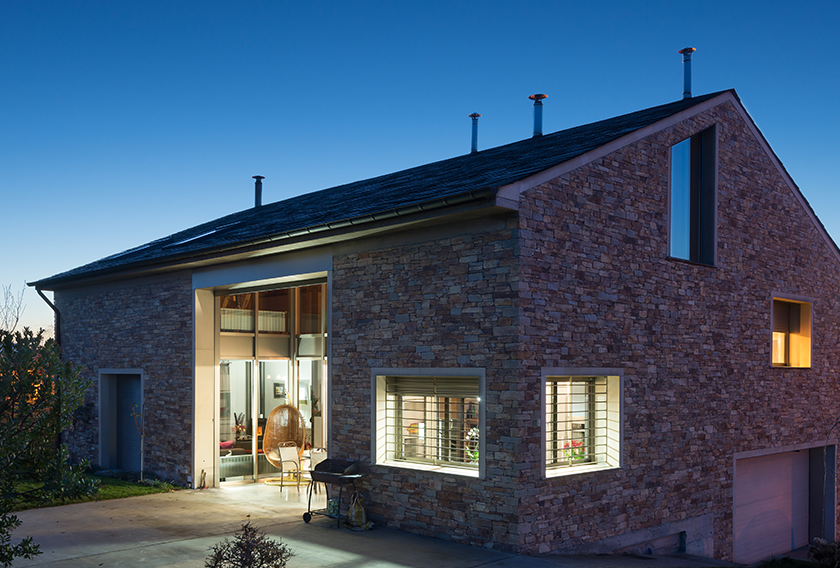 The use of natural stone as facade cladding has shown great technical development over the years. Today, the new construction systems facilitate its installation and increase its performance. Check out 3 types of stone facade systems currently used in architecture!Leigh Nios mo
-
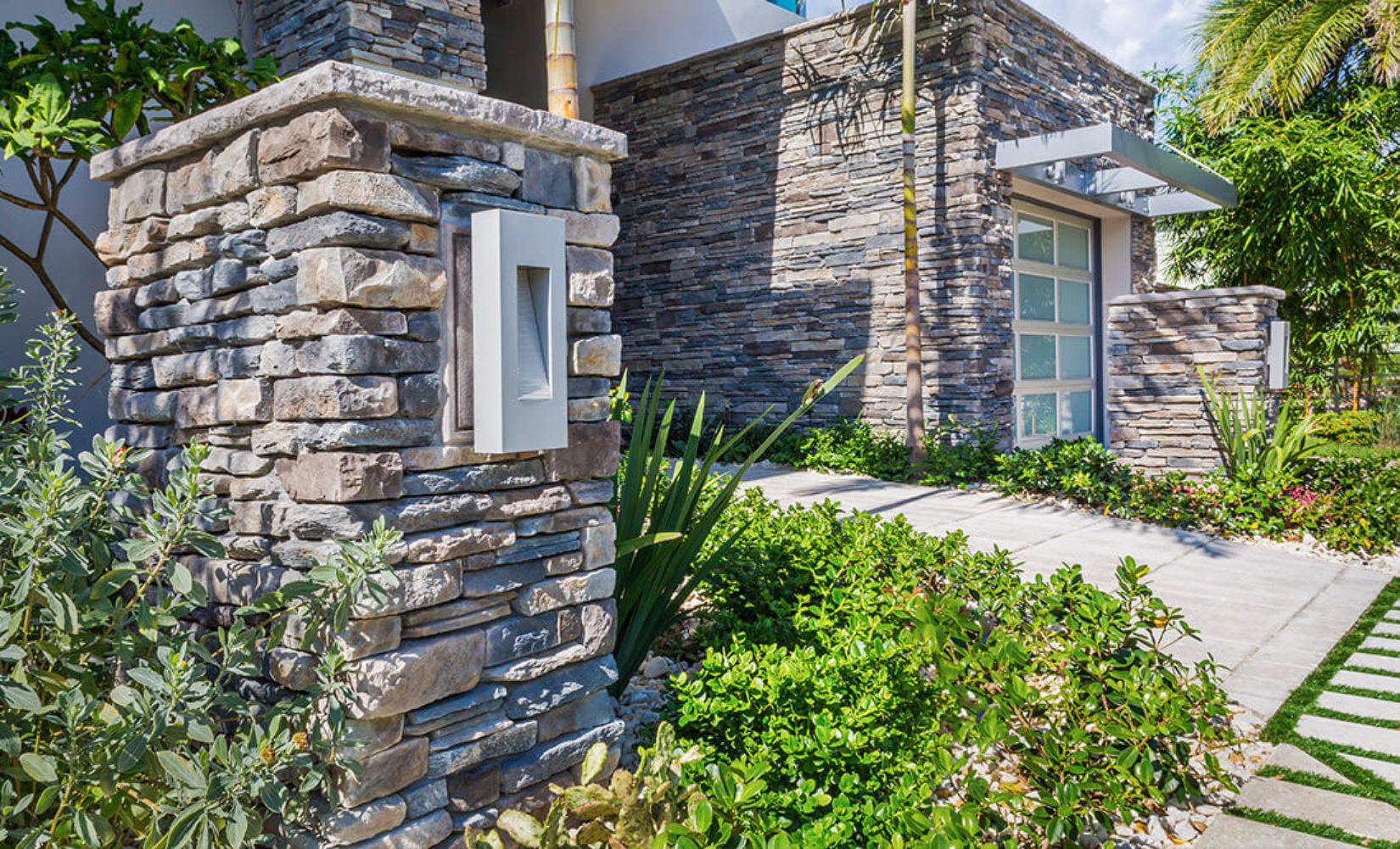 Who doesn’t love the beauty of natural stone? Did you know you can often achieve the look and feel of natural stone more easily and cost effectively with manufactured stone veneer?Leigh Nios mo
-
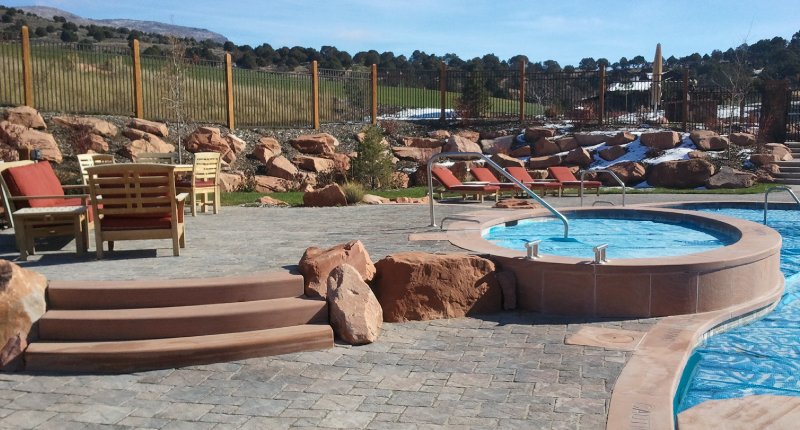 While design trends come and go, natural stone remains a timeless and flexible option for many exterior applications including cladding, paving, and hardscapes. This is due to the variety of natural stone types available that are beautiful, durable, and versatile.Leigh Nios mo
-
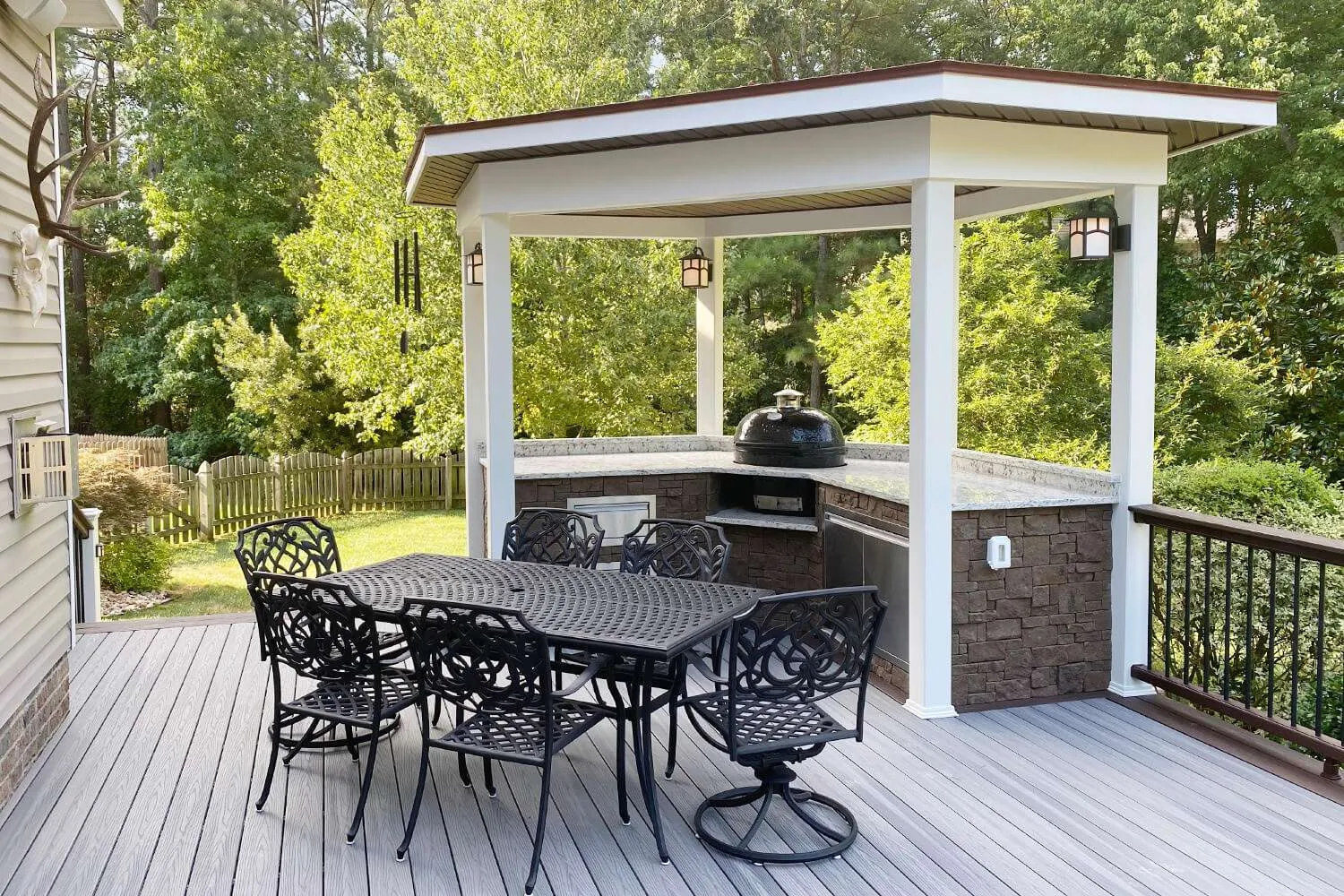 As the natural and textured home trends continue to rise, many building pros and homeowners alike are gravitating more toward exterior stone veneer siding.Leigh Nios mo
-
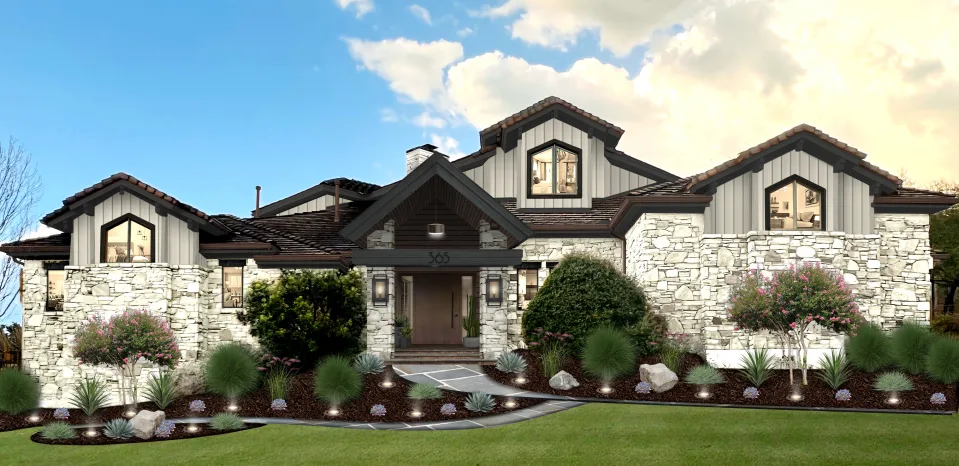 Homeowners who love the look of a stone exterior may wonder: what is stone veneer siding? Stone veneer is a synthetic siding material that has the potential to be just as beautiful as natural stone without the high price tag, making it popular with homeowners.Leigh Nios mo
-
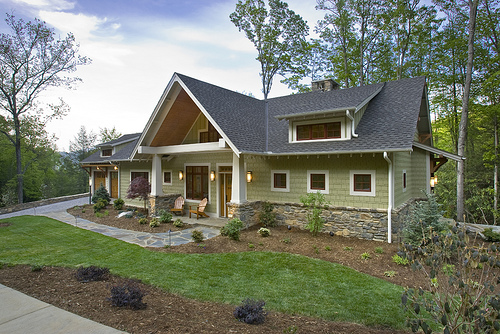 Some think that stone sidings are for ancient homes. Well, if this is what you think of too, think again. Stone sidings have been elevated to match the requirements of modern homes. Now, with a few innovations here and there, you can rely on exterior stones as the perfect choices for your home.Leigh Nios mo
-
 Masonry is one of the oldest trades in recorded history. Stones have been used in construction for over 6,000 years. Of course, masonry techniques have evolved over the centuries, but looking back at the structures of ancient civilizations can provide new perspectives on modern building materials.Leigh Nios mo
-
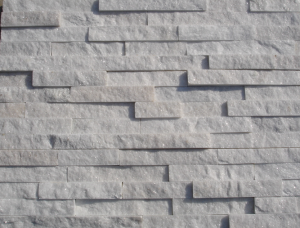 Brick and stone masonry are excellent choices whether they are used for building houses or decorative projects. Builders have been using these construction materials for their strength, resilience, and accessibility.Leigh Nios mo
 Afracach
 Albanach
 Amáireach
 Araibis
 Airméinis
 Asarbaiseáinis
 Bascais
 Bealarúisis
 Beangáilis
 Boisnis
 Bulgáiris
 Catalóinis
 Cebuano
 tSín
 An tSín (Taiwan)
 Corsaicis
 Cróitis
 Seiceach
 Danmhairgis
 Ollainnis
 Béarla
 Esperanto
 Eastóinis
 Fionlainnis
 Fraincis
 Freaslainnis
 Gailísis
 Seoirseach
 Gearmáinis
 Gréigis
 Gúisearáitis
 Criól Haiti
 háis
 Haváíais
 Eabhrais
 Ní hea
 Miao
 Ungáiris
 Íoslainnis
 igbo
 Indinéisis
 Gaeilge
 Iodálach
 Seapánach
 Iávais
 Cannadais
 casaicis
 Ciméiris
 Ruanda
 Cóiréis
 Coirdis
 Chirgeastáin
 TB
 Laidin
 Laitvis
 Liotuáinis
 Lucsamburgach
 Macadóinis
 Malgashi
 Malaeis
 Mailéalaimis
 Máltais
 Maorais
 Marathi
 Mongóilis
 Maenmar
 Neipealais
 Ioruais
 Ioruais
 Occitan
 Paistis
 Peirsis
 Polainnis
 Portaingéilis
 Puinseáibis
 Rómáinis
 Rúisis
 Samóis
 Gaeilge na hAlban
 Seirbis
 Béarla
 Shona
 Sindhi
 Siolóinis
 Slóvaicis
 Slóivéinis
 Somáilis
 Spainnis
 Sundais
 Svahaílis
 Sualainnis
 Tagálaigis
 Táidsíc
 Tamailis
 Tatairis
 Teileagúis
 Téalainnis
 Tuircis
 Tuircméinis
 Úcráinis
 Urdais
 Uighur
 Úisbéicis
 Vítneaimis
 Breatnais