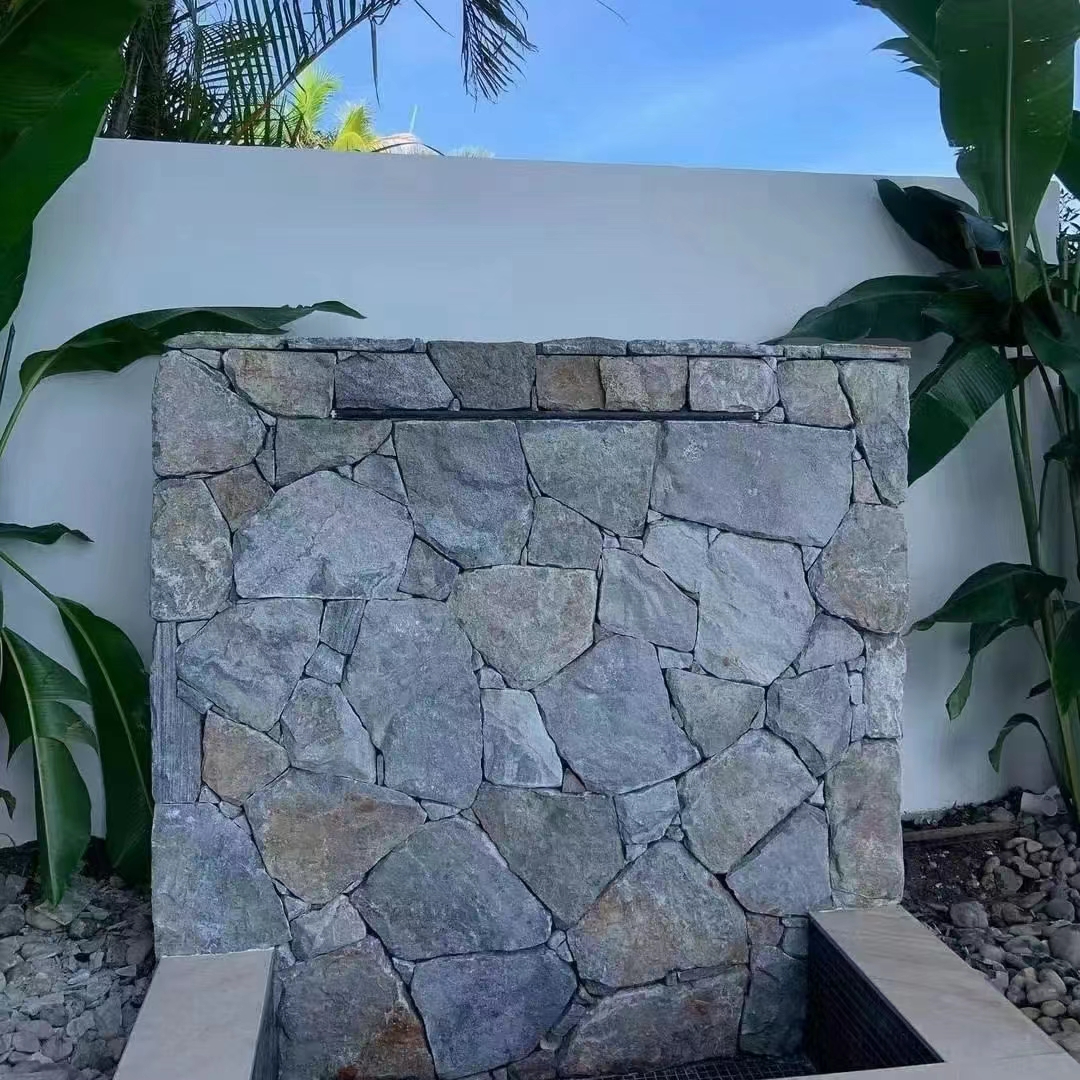
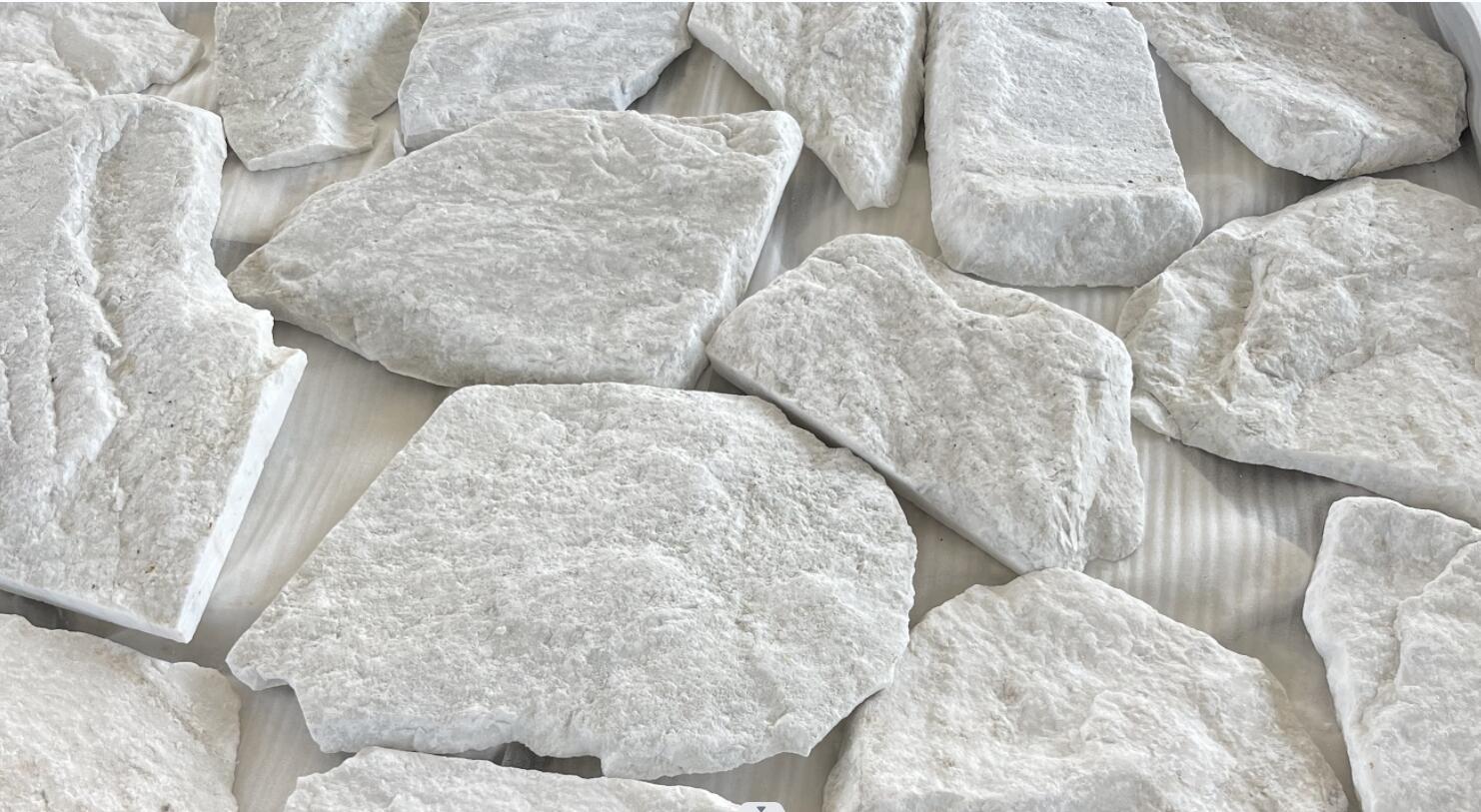
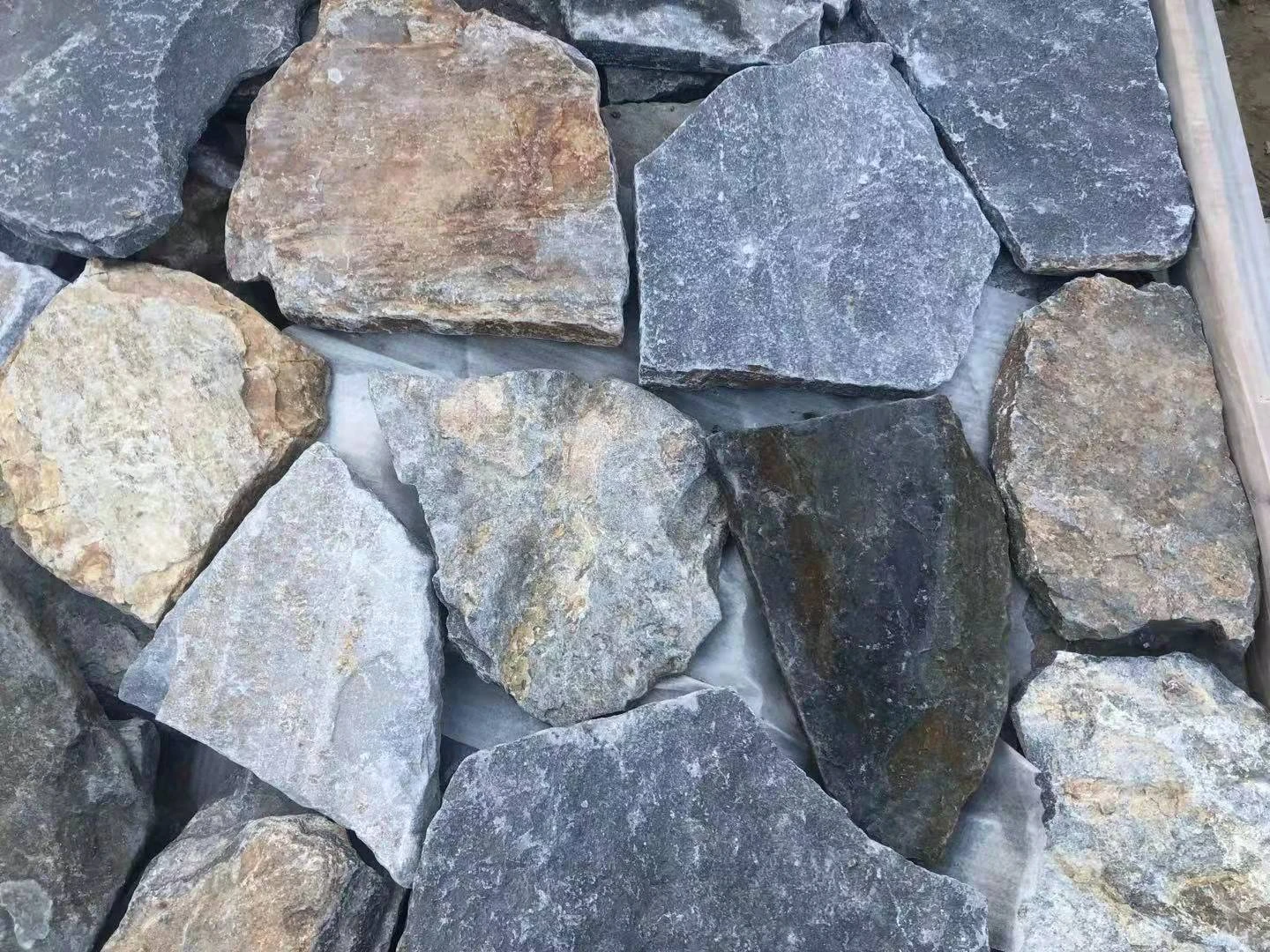
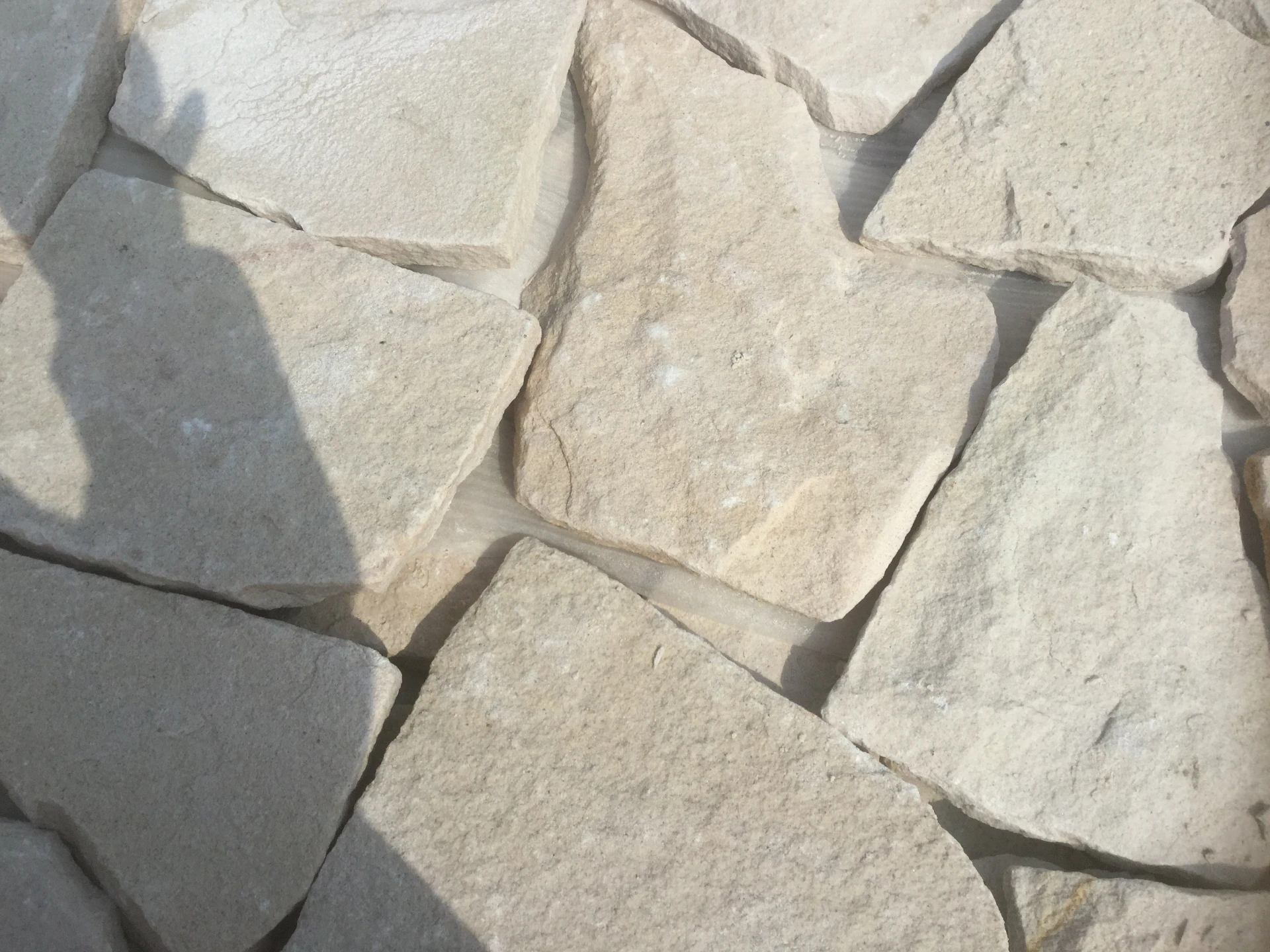
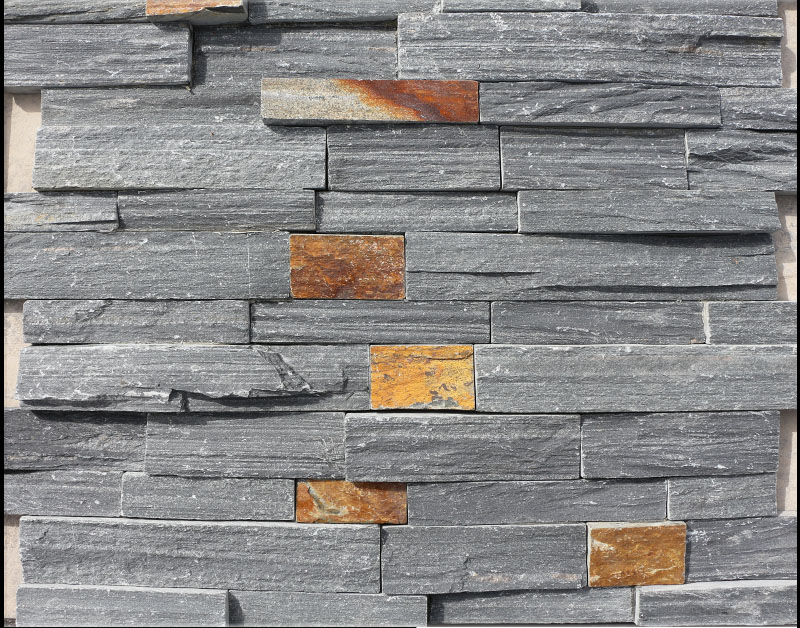
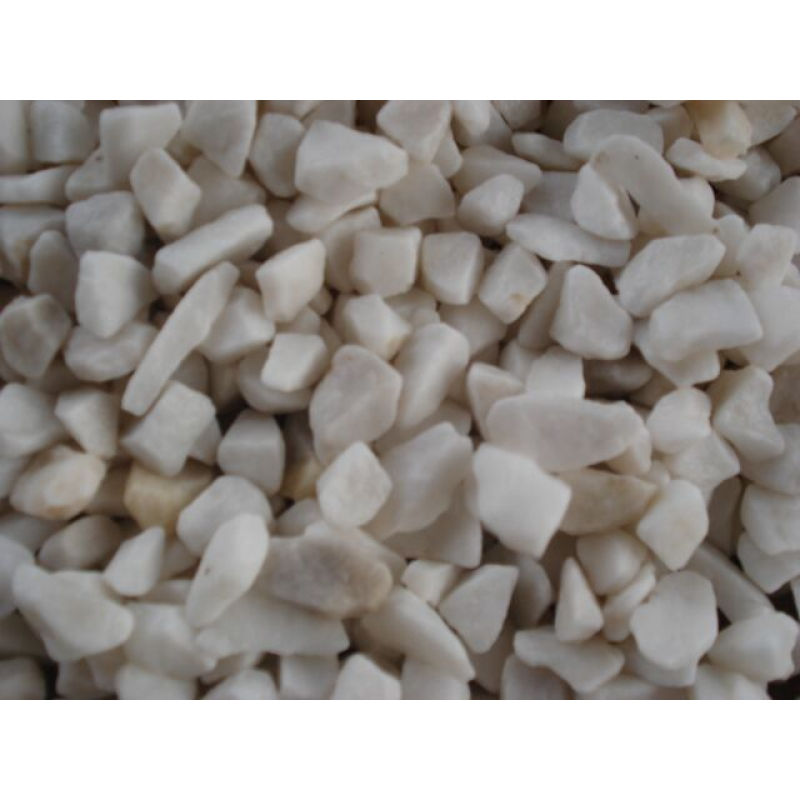
In the world of landscaping and garden design, the use of stones has become more than a trend—it’s a practical and aesthetic choice. Among the various options available, yellow decorative stones stand out for their vibrant tones, durability, and versatility. From private gardens to public parks, these stones bring a golden glow and a sense of natural elegance that is hard to replicate with other materials.
One of the most widely used types of yellow decorative stones is yellow gravel stone. Perfect for pathways, driveways, and patios, yellow gravel provides both visual appeal and functional strength. Its irregular texture ensures excellent grip and stability, making it ideal for high-traffic outdoor spaces.
Beyond appearance, yellow gravel stone helps with drainage and erosion control. It prevents mud formation during rain and keeps dust levels down during dry spells. These stones are not only low-maintenance but also long-lasting, making them a smart investment for landscaping professionals and homeowners alike.
For softer aesthetics, yellow pebble stone is the perfect option. These naturally rounded stones are used to fill flower beds, decorate fountains, and accent patios. Their warm yellow hues add contrast and brightness to green spaces, creating a balanced and soothing environment.
In gardens, yellow pebbles for garden are used as mulch replacements. They help retain moisture in the soil, reduce weed growth, and regulate temperature. Whether polished or natural, yellow garden pebbles provide a clean and uniform look that elevates the overall design of any outdoor space.
When luxury and refinement are the goals, yellow polished pebbles are the ideal solution. These stones go through a mechanical polishing process that enhances their shine and color depth. Used in both indoor and outdoor settings, yellow polished pebbles add a touch of sophistication wherever they are placed.
In outdoor water features such as fountains or ponds, these pebbles shimmer beautifully under sunlight or water. Indoors, they are perfect for decorating planters, aquariums, or zen gardens. The elegant appearance of yellow polished pebbles makes them a favorite among interior designers and landscape architects.
Yellow stone gravel is a top choice for modern designers aiming to combine style and sustainability. Whether used in rooftop gardens, commercial complexes, or contemporary courtyards, this material offers a fresh and natural look.
What sets yellow stone gravel apart is its ability to complement both natural and architectural elements. It can be paired with wood, metal, or concrete to create contrast and harmony in any design. In terms of installation, it’s easy to spread, quick to replace, and requires minimal tools—making it user-friendly for DIY enthusiasts as well.
The use of yellow decorative stones, including yellow gravel, yellow garden pebbles, and yellow polished pebbles, reflects a shift toward sustainable and natural materials in landscaping. These stones do not fade over time, resist harsh weather, and are reusable in new projects.
As people continue to seek ways to beautify their spaces while respecting the environment, yellow pebble stone kuma yellow stone gravel offer a perfect blend of functionality and charm. Whether for residential gardens or large-scale commercial projects, these stones help build enduring beauty from the ground up.
 Afirka
  Albaniya
  Amharic
  Larabci
  Armenian
  Azabaijan
  Basque
  Belarushiyanci
  Bengali
  Bosniya
  Bulgarian
  Catalan
  Cebuano
  China
China  China (Taiwan)
  Corsican
  Croatian
  Czech
Czech  Danish
  Yaren mutanen Holland
  Turanci
  Esperanto
  Estoniya
  Finnish
  Faransanci
  Farisa
  Galiciyan
  Jojin
Jojin  Jamusanci
  Girkanci
  Gujarati
  Haitian Creole
  hausa
hausa  hawayi
  Ibrananci
  A'a
A'a  Miya
Miya  Harshen Hungary
  Icelandic
  igbo
igbo  Indonesiya
  Irish
Irish  Italiyanci
  Jafananci
  Yawanci
  Kannada
  kazakh
  Khmer
Khmer  Ruwanda
  Yaren Koriya
  Kurdish
  Kyrgyzstan
  TB
TB  Latin
Latin  Latvia
  Lithuaniyanci
  Luxembourg
  Makidoniya
  Malgashi
  Malay
Malay  Malayalam
  Maltase
  Maori
Maori  Marathi
  Mongolian
  Myanmar
  Nepali
  Yaren mutanen Norway
  Yaren mutanen Norway
  Occitan
  Pashto
  Farisa
  Yaren mutanen Poland
  Fotigal
  Punjabi
  Romanian
  Rashanci
  Samoan
  Scottish Gaelic
  Serbian
  Turanci
  Shona
Shona  Sindhi
  Sinhala
  Slovak
  Harshen Sloveniya
  Somaliya
  Mutanen Espanya
  Sundanci
  Harshen Swahili
  Yaren mutanen Sweden
  Tagalog
  Tajik
Tajik  Tamil
Tamil  Tatar
Tatar  Telugu
  Thai
Thai  Baturke
  Turkmen
  Ukrainian
  Urdu
Urdu  Uighur
  Uzbek
Uzbek  Vietnamese
  Welsh
Welsh