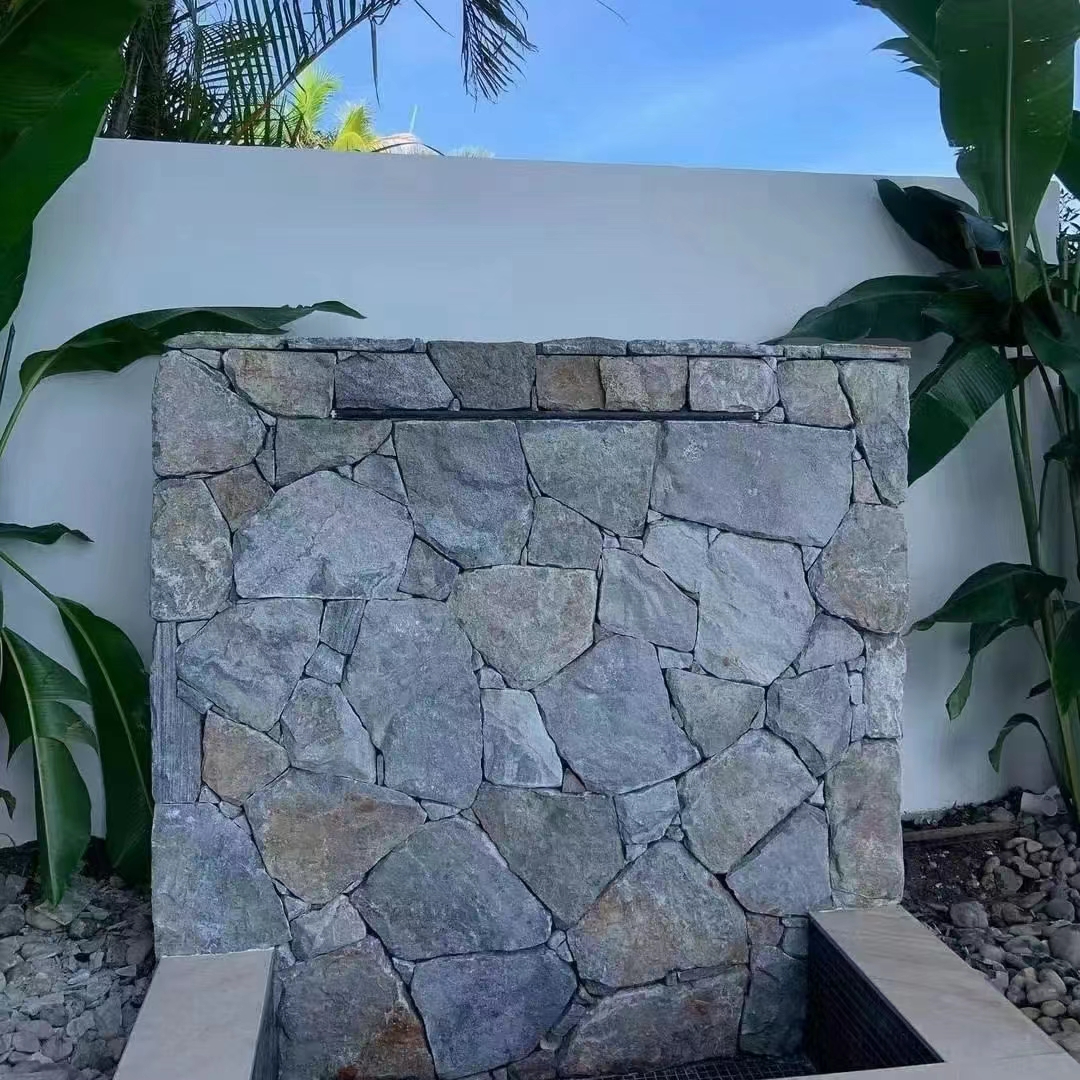
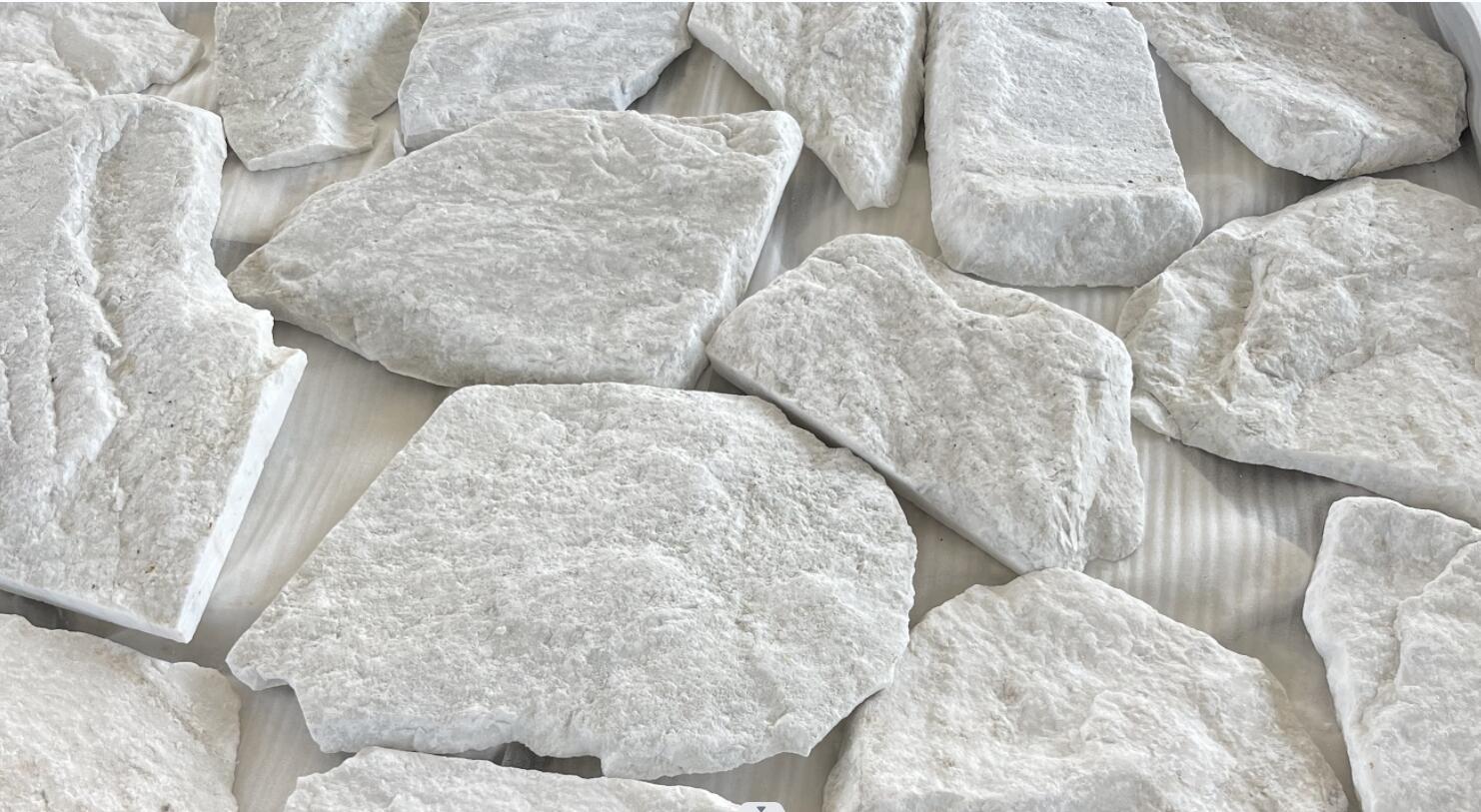
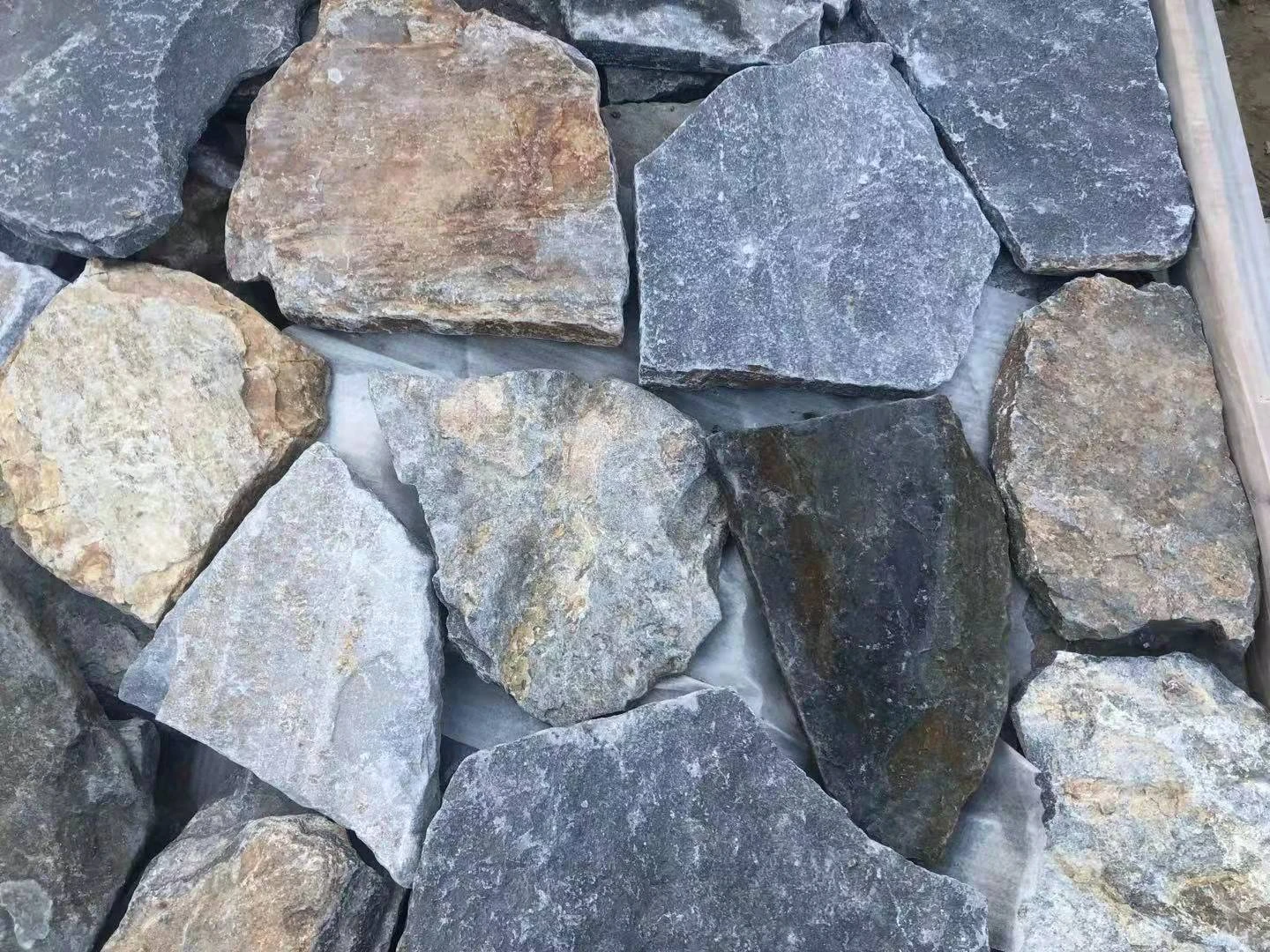
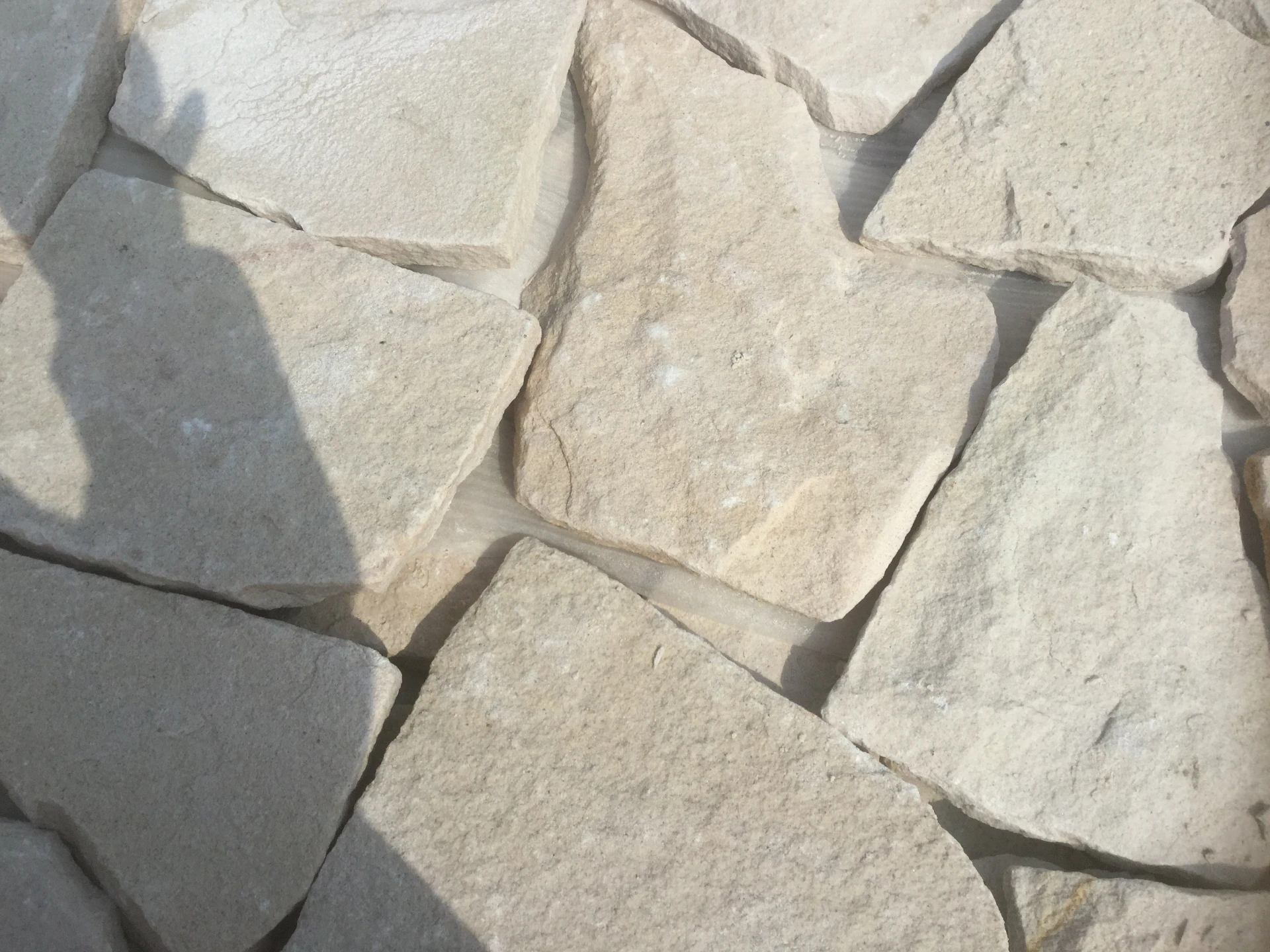
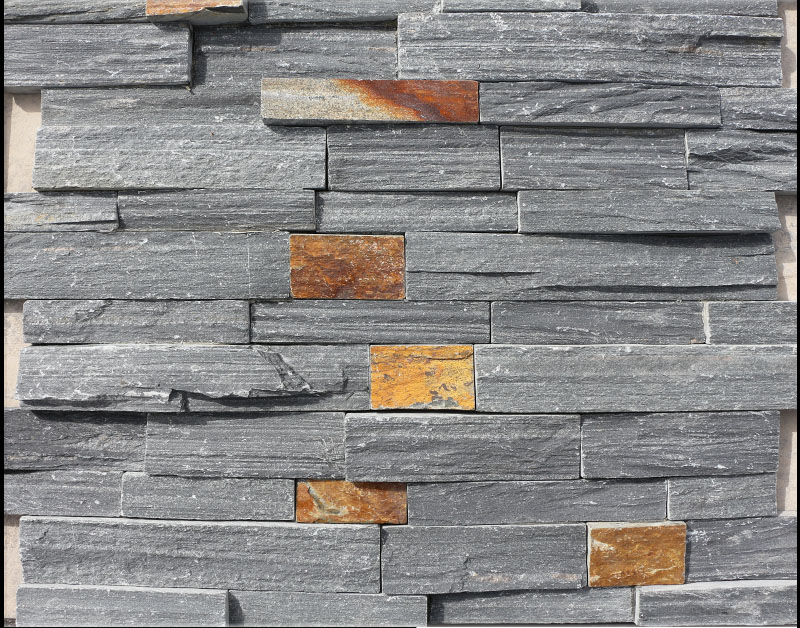
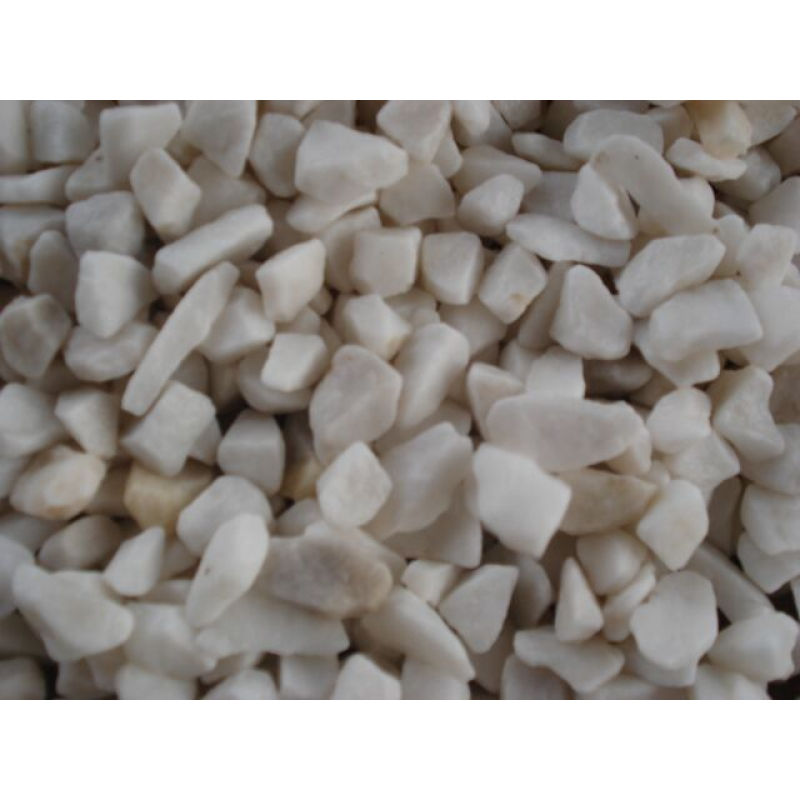
The first step to installing flagstone pavers is to prep the yard surface. Any grass or plants should be removed, including the roots to prevent regrowth. Use a wide tooth gardening rake to level the dirt surface area as much as possible, removing any large rocks, roots, or sticks. Add a layer of sand and rake again to make the surface area level and smooth. Use the widest level you have available to check your consistency during the project. Now you can begin to place your flagstone pavers, making sure to nestle each paver into the surface material at least .5”. Once you have placed all of the individual flagstone pieces, walk carefully over the surface to detect any uneven stones. Use a rubber malet to push high sides into soil. Next pour another layer of sand over your new patio or walkway and use a fine tooth rake to pull it into the cracks between the pavers. This will hold your pavers in place and make for a smooth walking surface.
Palena Pohaku Kūlohelohe Kahe Wai Kahinahinahina
After your patio or walkway has some time to settle in the elements it is almost guaranteed that some of your flagstone pavers will start to wobble or will become uneven. At this stage you can use Wobble Wedge plastic shims to level and stabilize your flagstone pavers. Wobble Wedges are available in a variety of sizes and can hold up 2,000 pounds. These plastic shims won’t rot or split when exposed to rain, snow, or soil. Part of the beauty of flagstone pavers is it’s naturally inconsistent surface, which can ultimately lead to rocking and wobbling over time, especially if pavers are stacked. Use Wobble Wedge plastic shims to achieve a perfectly level flagstone paver patio or walkway.
First, take note of where the flagstone paver is moving. Where is the gap that is causing the stone paver to move? Once noting the location of the gap, carefully use a trowel to remove the stone paver from the soil and sand. Use one or multiple plastic Wobble Wedge shims to fill the gap area. Wobble Wedges patented interlocking ridges allow you to stack and combine Wobble Wedges to any height. Once you have placed the shims, replace the flagstone paver back into it’s hole and press firmly to ensure the wobble has been removed. Shake a small amount of sand around the edges of the paver to reincorporate the mended paver back into the patio or walkway.
 ʻApelika
  Alapania
  Amahapika
  Apapika
  Ameniana
  Azerbaijani
  Pōkē
Pōkē  ʻŌlelo Belarusa
  Penekali
  Ponia
Ponia  Pukalia
  ʻŌlelo Katalonia
  Cebuano
  Kina
Kina  Kina (Taiwan)
  ʻŌlelo Kokia
  Koalia
  Keka
Keka  Kenemaka
  Hōlani
  Pelekania
  ʻŌlelo Esperanto
  Ekekonia
  Pinilana
  Palani
  Frisian
  Kalikia
  Keokia
  Alemania
  Helene
  Kuhalaki
  ʻŌlelo Haiki
  Hauka
Hauka  ʻŌlelo Hawaiʻi
  Hepela
  ʻAʻole
  Miao
Miao  Hunakalia
  ʻĀinahau
  igbo
igbo  ʻInikonia
  Ipelana
  Ikalia
  Kepanī
  Kawanī
  Kanākā
  ʻŌlelo Kazaka
  Khmer
Khmer  Rwandan
  Kolea
Kolea  ʻŌlelo Kurdish
  ʻŌlelo Kyrgyz
  TB
TB  ʻŌlelo Lākni
  Lakiwiana
  ʻŌlelo Lituania
  ʻŌlelo Lukemapuka
  Makekoni
  Malgashi
  Mālei
Mālei  Mālealama
  Malkī
Malkī  ʻŌlelo Māori
  Malapi
  ʻŌlelo Monokolia
  Maianamara
  Nepali
  Nolewai
  Nolewai
  ʻOkitana
  ʻŌlelo Pashto
  Pelekia
  Pōlani
  Pukikī
  ʻŌlelo Punajabi
  Lomānia
  Lukia
Lukia  Sāmoa
Sāmoa  Gaelika Sekotia
  ʻŌlelo Serbia
  Pelekania
  Shona
Shona  Kiniki
  Sinhala
  Kolowakia
  Kolewenia
  ʻŌlelo Somalia
  Kepania
  Sundana
  Kawahili
  Kuekene
  Kakalo
  Tajika
  Kamili
  Tatar
Tatar  Keluku
  Kailani
  Tureke
  ʻŌlelo Kuleke
  Ukrainian
  Urdu
Urdu  Uighur
  ʻUzbek
  Vietnamese
  Welsh
Welsh