

Natural stone has a wealth of benefits for the kitchen floor. It is beautiful, connects the room with nature, and is nothing if not durable. After all, the stone was formed millions of years ago. Stone is easy to keep clean and only needs to be broom swept at night and mopped with a damp mop once a week. It has the ability to increase your home’s value and elevate the visual appeal. Here are six types of natural stone to consider for your kitchen floor for durability and added value.
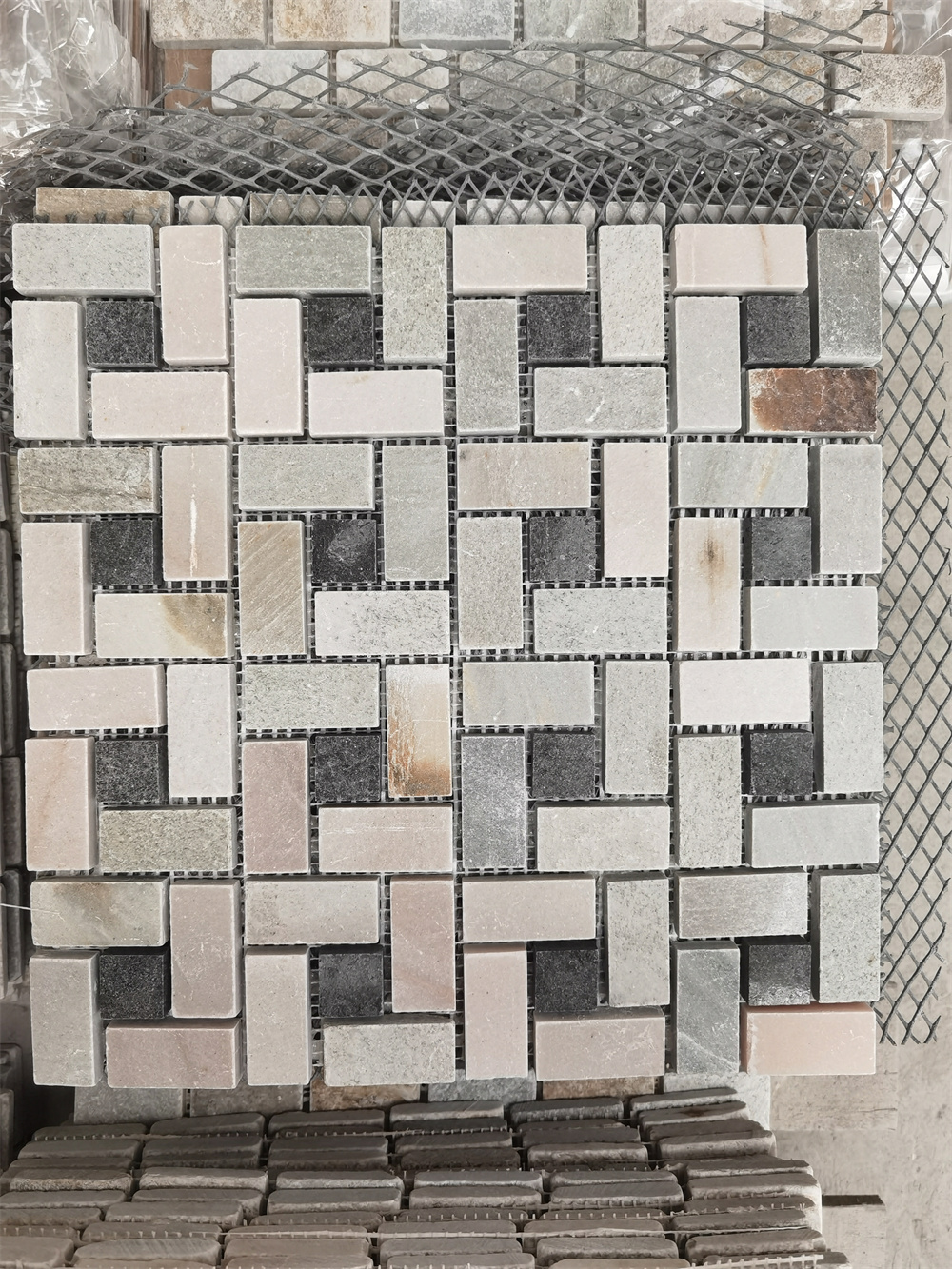
This metamorphic rock is the result of eons of heat and pressure applied to limestone. Paler shades of marble seem to gather light and reflect it. Marble also comes in a panoply of colors, from the purest white of Carrera marble to the velvety black of Negro Orientale. It is also prized for the beauty of its veins and clouds.
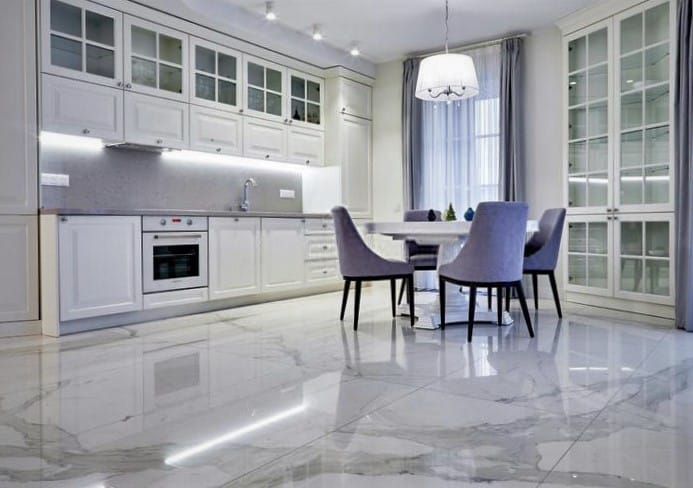
Marble is a relatively soft stone and is porous, so it needs to be sealed to prevent staining. It can also be slippery when installed with large tiles, so it’s not recommended for homes with children or people who run through the kitchen. Marble can add an element of luxury to your home. It can brighten up space and make it appear larger, especially if you go with a lighter shade. If you are looking to add some class to your home design, this is a great option to consider.
Ua hānau ʻia kēia pōhaku paʻakikī akā nani i loko o nā lua pele. E like me ke kinikini, granite kīleʻa papahele kīhini hele mai i loko o nā waihoʻoluʻu i hāʻawi ʻia i ka pōhaku e ka hoʻopili ʻana o feldspar, quartz, a me nā minerale ʻē aʻe. Hiki iā ia ke komo i nā mineral semi-makamae e like me ka garnet a i ʻole zircon.
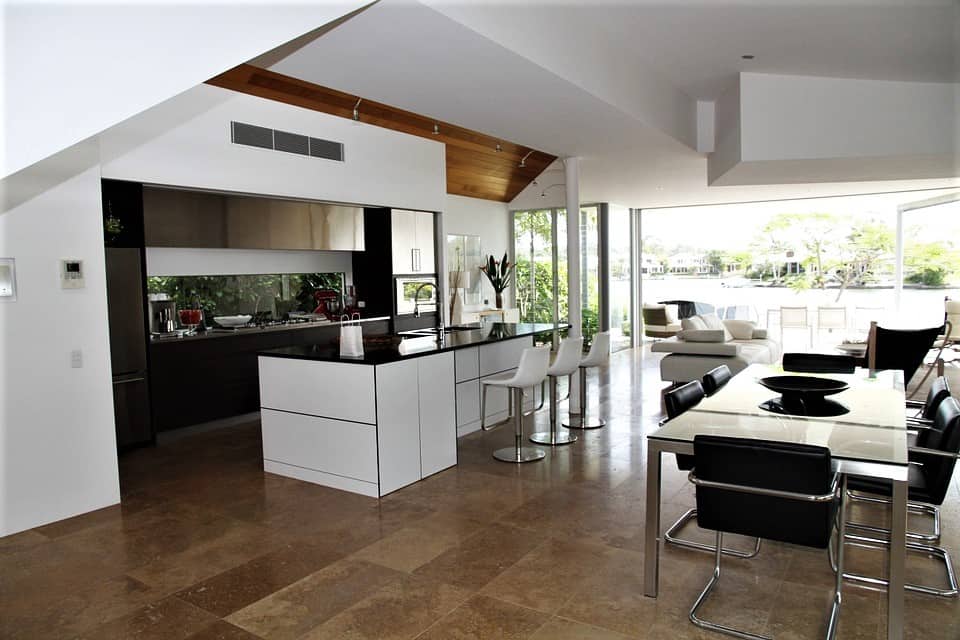
These minerals often give granite a pleasing sparkle or veins that resemble the veins in marble. Granite should also be sealed and mopped with warm water and a cleanser that’s pH neutral or meant for stone. It is a non-porous material, so water damage won’t ever be an issue. It can be a great option for kitchens, which tend to be high-traffic areas because of its durability and can withstand families with young kids.
I ka nui o ka honua, pāpaʻa is the most popular type of natural stone used in home construction. Unlike some of the other natural stones mentioned, it is not porous and doesn’t need to be sealed. It famously comes in colors of green, blue-gray and red, is slip and stain resistant, extraordinarily tough, and repels both fire and water.
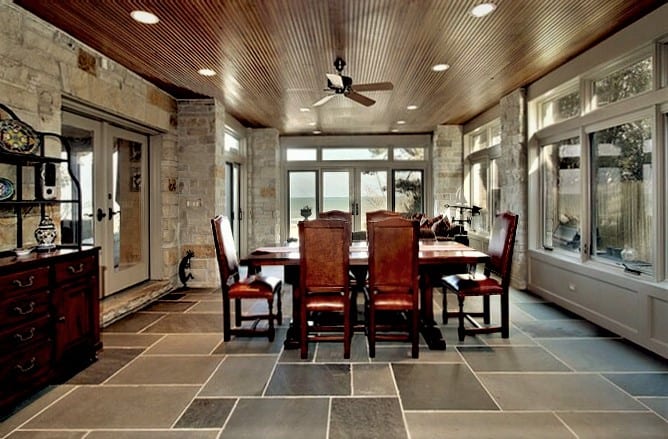
Quality slate needs to be extracted from deep within the earth and is admittedly pricey, but slate floor tiles can last longer than the house itself. Because of its qualities, it is considered the safest stone flooring material. It can make another great option for those who have young kids and spend a lot of time in their kitchen space.
Limestone is made of calcium and is the “parent” stone of luminous marble. It is made of calcium and has a delightful, pitted texture that requires the stone to be sealed every few years. Limestone repels pathogens such as viruses, molds, and bacteria and is frequently found in pale, neutral colors. However, some types of limestone, like marble, come in shades of black. It is one of the most durable flooring options, which makes it a good option for those who spend plenty of time in their kitchen area.
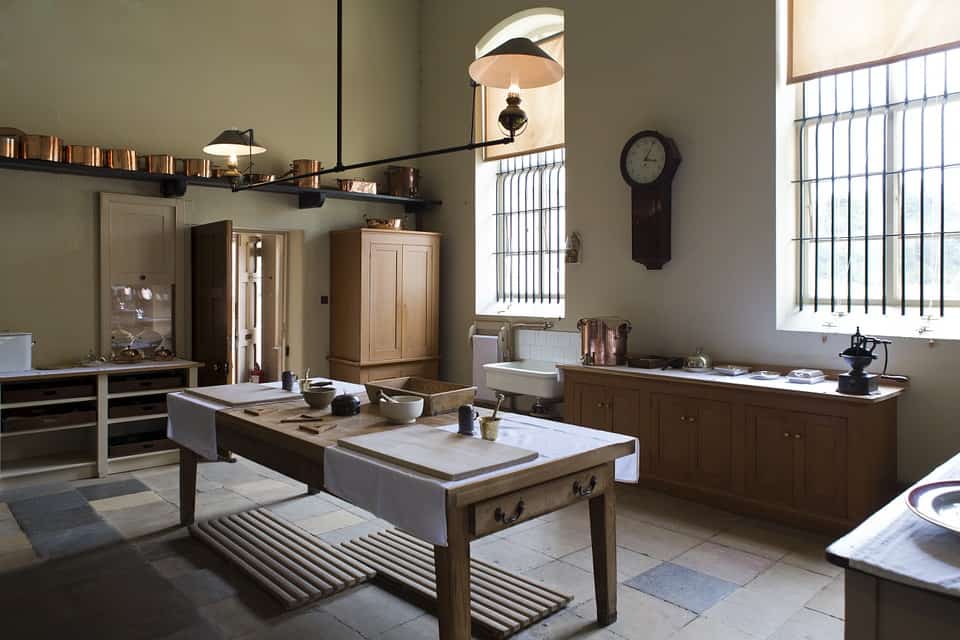
Travertine is a specific type of limestone. It often comes in a variety of soft and subdued colors. If you are looking for a neutral color of flooring that isn’t too extreme, this may be a good option for you. Polished travertine will take less of a beating from scratches or chips over the years, so a protective coat will likely be your best option as well. If you are looking for subtle flooring that still has the durability of natural stone, consider travertine for your kitchen.
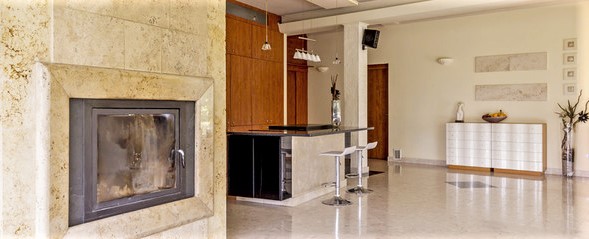
ʻAʻole paʻa ka paʻa pōhaku e like me nā mea kūlohelohe ʻē aʻe, e like me ka granite a i ʻole ka papa. Eia naʻe, hiki i ka mālama pono ke ʻae iā ia mau makahiki. Hiki ke hele mai i loko o nā ʻano like ʻole a me nā waihoʻoluʻu, kahi e hana nui ai. Nui nā koho pōhaku āu e aloha ai. ʻOi aku ka nui o kou makemake i ka nānā a me ka manaʻo o kāu papahele kīhini, ʻoi aku ka nui o kou mālama ʻana a mālama iā ia i kou home no nā makahiki e hiki mai ana.
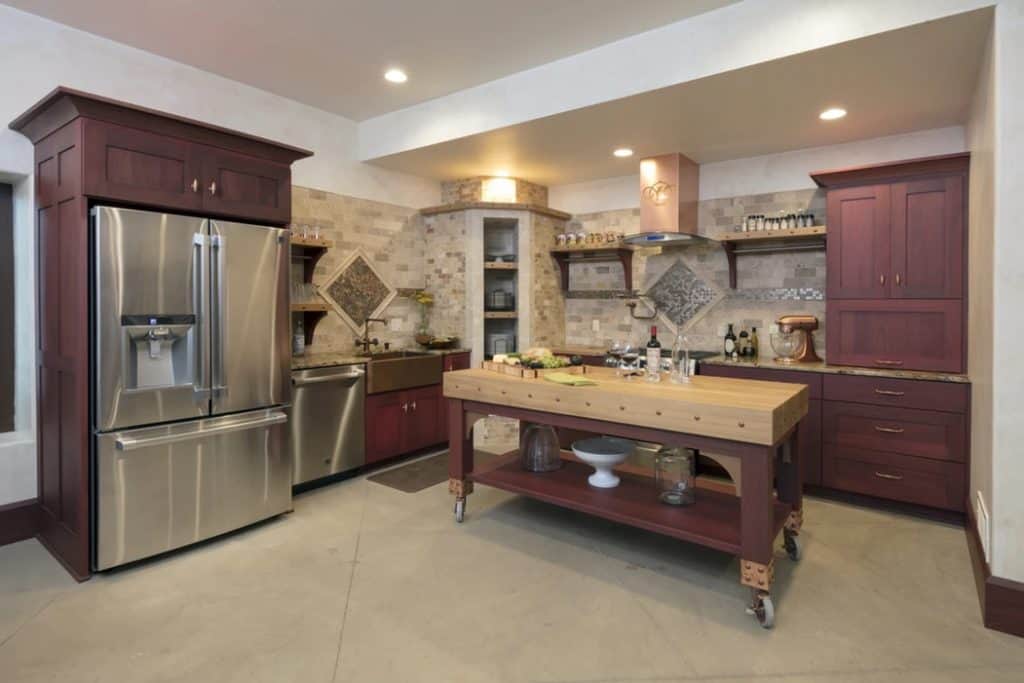
These five types of natural stones make a statement when they are installed as kitchen flooring. They may even increase the home’s resale value if they’re kept in top condition. Fortunately, this is easy to do. Consider your kitchen flooring as an investment and put in a little extra cash when building or remodeling your home. It will pay off in the long run and lasts for years to come.
 ʻApelika
  Alapania
  Amahapika
  Apapika
  Ameniana
  Azerbaijani
  Pōkē
Pōkē  ʻŌlelo Belarusa
  Penekali
  Ponia
Ponia  Pukalia
  ʻŌlelo Katalonia
  Cebuano
  Kina
Kina  Kina (Taiwan)
  ʻŌlelo Kokia
  Koalia
  Keka
Keka  Kenemaka
  Hōlani
  Pelekania
  ʻŌlelo Esperanto
  Ekekonia
  Pinilana
  Palani
  Frisian
  Kalikia
  Keokia
  Alemania
  Helene
  Kuhalaki
  ʻŌlelo Haiki
  Hauka
Hauka  ʻŌlelo Hawaiʻi
  Hepela
  ʻAʻole
  Miao
Miao  Hunakalia
  ʻĀinahau
  igbo
igbo  ʻInikonia
  Ipelana
  Ikalia
  Kepanī
  Kawanī
  Kanākā
  ʻŌlelo Kazaka
  Khmer
Khmer  Rwandan
  Kolea
Kolea  ʻŌlelo Kurdish
  ʻŌlelo Kyrgyz
  TB
TB  ʻŌlelo Lākni
  Lakiwiana
  ʻŌlelo Lituania
  ʻŌlelo Lukemapuka
  Makekoni
  Malgashi
  Mālei
Mālei  Mālealama
  Malkī
Malkī  ʻŌlelo Māori
  Malapi
  ʻŌlelo Monokolia
  Maianamara
  Nepali
  Nolewai
  Nolewai
  ʻOkitana
  ʻŌlelo Pashto
  Pelekia
  Pōlani
  Pukikī
  ʻŌlelo Punajabi
  Lomānia
  Lukia
Lukia  Sāmoa
Sāmoa  Gaelika Sekotia
  ʻŌlelo Serbia
  Pelekania
  Shona
Shona  Kiniki
  Sinhala
  Kolowakia
  Kolewenia
  ʻŌlelo Somalia
  Kepania
  Sundana
  Kawahili
  Kuekene
  Kakalo
  Tajika
  Kamili
  Tatar
Tatar  Keluku
  Kailani
  Tureke
  ʻŌlelo Kuleke
  Ukrainian
  Urdu
Urdu  Uighur
  ʻUzbek
  Vietnamese
  Welsh
Welsh 




