

Stack stone (or stacked stone, ready stack stone, dry stack stone) as the name suggests, is crafted by stacking individual stone pieces one atop another, creating a uniform and structured appearance. This method results in a clean and organized finish that can be used to achieve both modern and traditional looks.
Stacked stone is known for its sleek and contemporary look, making it an ideal choice for modern interiors. The orderly arrangement of stones creates clean lines and a polished finish, adding sophistication to any room.
Stacked stone tends to have a more uniform texture, which may not appeal to those seeking a more varied and rustic appearance. While perfect for modern spaces, some may find stacked stone less suitable for achieving a rustic or traditional look, which is where ledge stone comes in.
Nā Pūnaehana Pōhaku Kūlohelohe Nani no ka pā waho
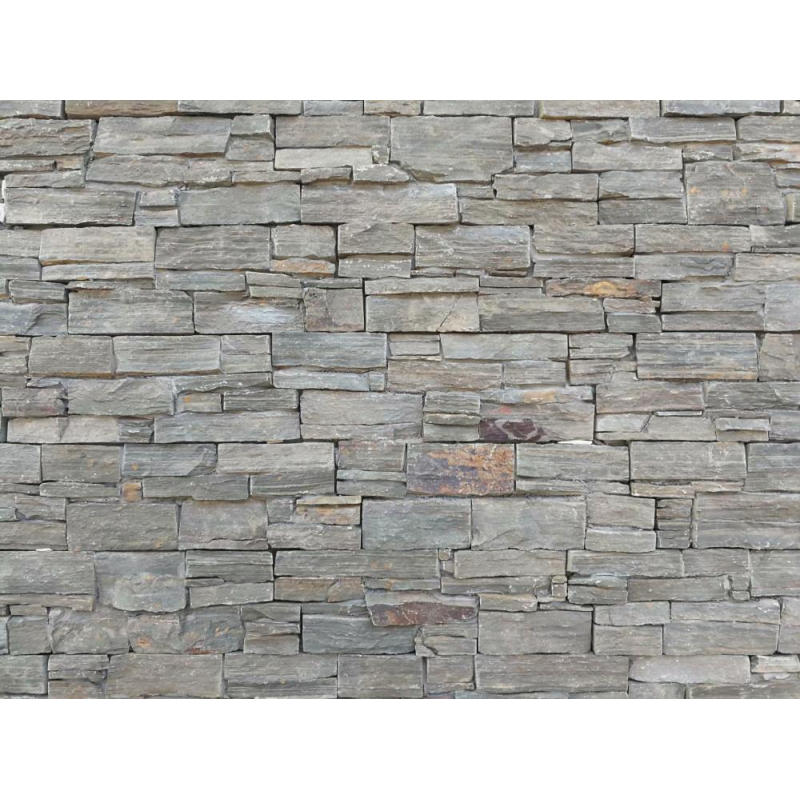
Ledge stone (or ledgestone, ledger stone), on the other hand, embraces a more organic and irregular approach. This type of stone is characterized by varying depths and sizes, providing a rustic and textured appearance reminiscent of natural rock formations. Ledge stone is often associated with a more relaxed and casual aesthetic, making it an excellent choice for those who prefer a laid-back and earthy atmosphere.
Ledge stone captures the beauty of irregular, natural formations, creating a visually captivating and authentic ambiance. The irregularity in size and depth of stones offers a diverse texture that adds depth and character to any space. Ledge stone is perfect for achieving a rustic and cozy atmosphere, making it an excellent choice for traditional or cottage-style interiors.
Ledge stone may not be the first choice for those seeking a sleek and modern look, as its irregularities may clash with a more contemporary design, in that case stacked stone would be a better design choice.
Ultimately, the choice between stacked stone and ledge stone comes down to personal style preferences and the desired ambiance for a space. For a clean and contemporary look, stacked stone is an excellent choice, while ledge stone is perfect for those who appreciate the charm of natural irregularities and a more rustic atmosphere.
In conclusion, both stacked stone and ledge stone have their unique merits, contributing to the diverse landscape of home design. Whether you're aiming for modern elegance or rustic charm, the key is to select the option that resonates with your personal taste and complements the overall design vision for your home.
 ʻApelika
  Alapania
  Amahapika
  Apapika
  Ameniana
  Azerbaijani
  Pōkē
Pōkē  ʻŌlelo Belarusa
  Penekali
  Ponia
Ponia  Pukalia
  ʻŌlelo Katalonia
  Cebuano
  Kina
Kina  Kina (Taiwan)
  ʻŌlelo Kokia
  Koalia
  Keka
Keka  Kenemaka
  Hōlani
  Pelekania
  ʻŌlelo Esperanto
  Ekekonia
  Pinilana
  Palani
  Frisian
  Kalikia
  Keokia
  Alemania
  Helene
  Kuhalaki
  ʻŌlelo Haiki
  Hauka
Hauka  ʻŌlelo Hawaiʻi
  Hepela
  ʻAʻole
  Miao
Miao  Hunakalia
  ʻĀinahau
  igbo
igbo  ʻInikonia
  Ipelana
  Ikalia
  Kepanī
  Kawanī
  Kanākā
  ʻŌlelo Kazaka
  Khmer
Khmer  Rwandan
  Kolea
Kolea  ʻŌlelo Kurdish
  ʻŌlelo Kyrgyz
  TB
TB  ʻŌlelo Lākni
  Lakiwiana
  ʻŌlelo Lituania
  ʻŌlelo Lukemapuka
  Makekoni
  Malgashi
  Mālei
Mālei  Mālealama
  Malkī
Malkī  ʻŌlelo Māori
  Malapi
  ʻŌlelo Monokolia
  Maianamara
  Nepali
  Nolewai
  Nolewai
  ʻOkitana
  ʻŌlelo Pashto
  Pelekia
  Pōlani
  Pukikī
  ʻŌlelo Punajabi
  Lomānia
  Lukia
Lukia  Sāmoa
Sāmoa  Gaelika Sekotia
  ʻŌlelo Serbia
  Pelekania
  Shona
Shona  Kiniki
  Sinhala
  Kolowakia
  Kolewenia
  ʻŌlelo Somalia
  Kepania
  Sundana
  Kawahili
  Kuekene
  Kakalo
  Tajika
  Kamili
  Tatar
Tatar  Keluku
  Kailani
  Tureke
  ʻŌlelo Kuleke
  Ukrainian
  Urdu
Urdu  Uighur
  ʻUzbek
  Vietnamese
  Welsh
Welsh 




