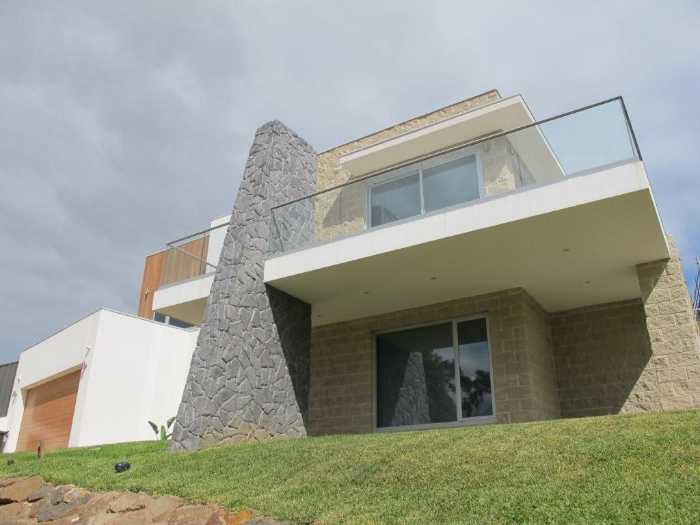
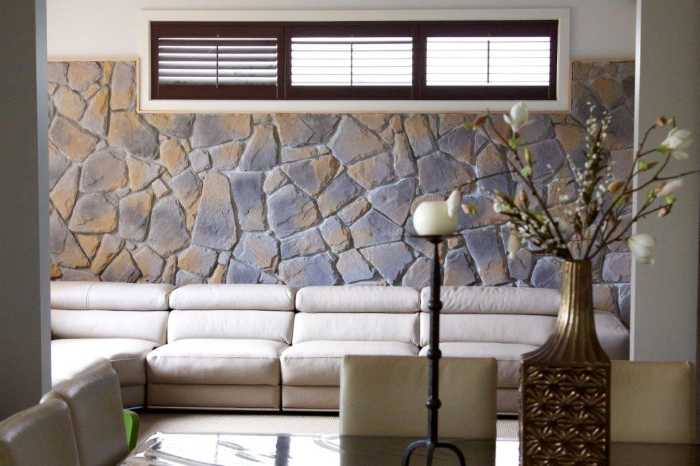
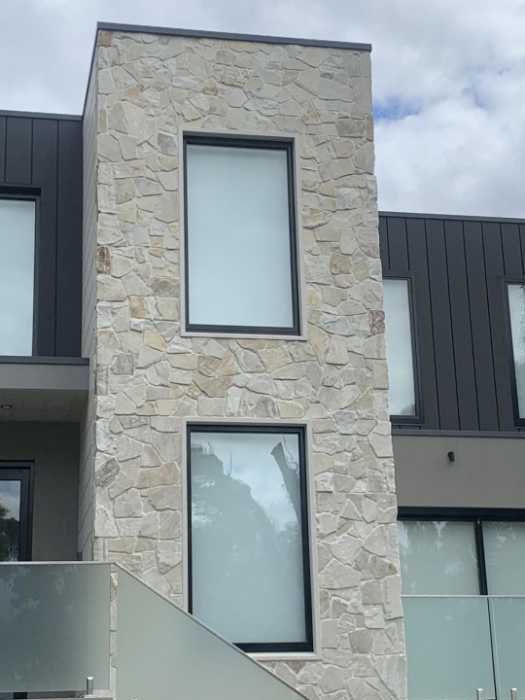
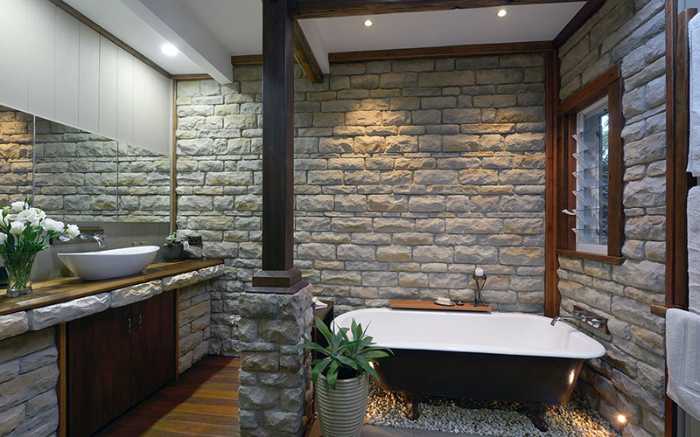
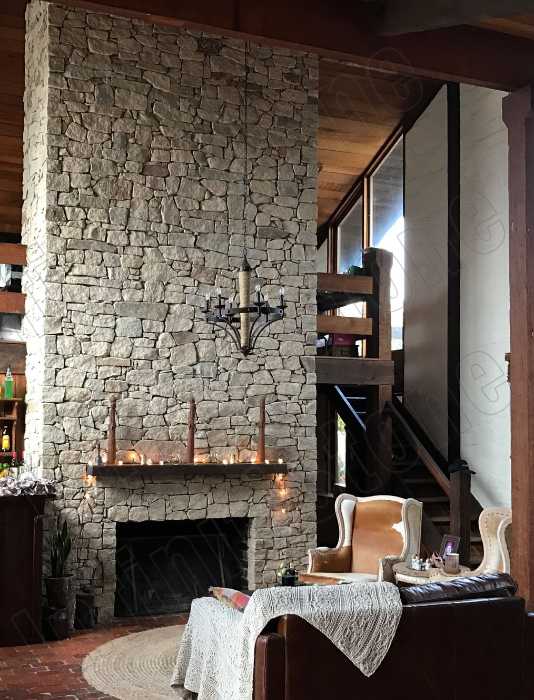
Stone wall cladding is a popular design element that can add texture, interest, and style to any home. It’s important to consider how you want to incorporate it into your overall home design before making any final decisions. There are many different ways to use stone cladding, so it’s important to explore all of your options before settling on a particular look.
If you’re not sure where to start, consider these tips on how to incorporate stone wall cladding into your home design:
There are many different types of stone to choose from, so it’s important to select the right one for your space. Consider the overall style of your home and the look you’re trying to achieve before making a final decision.
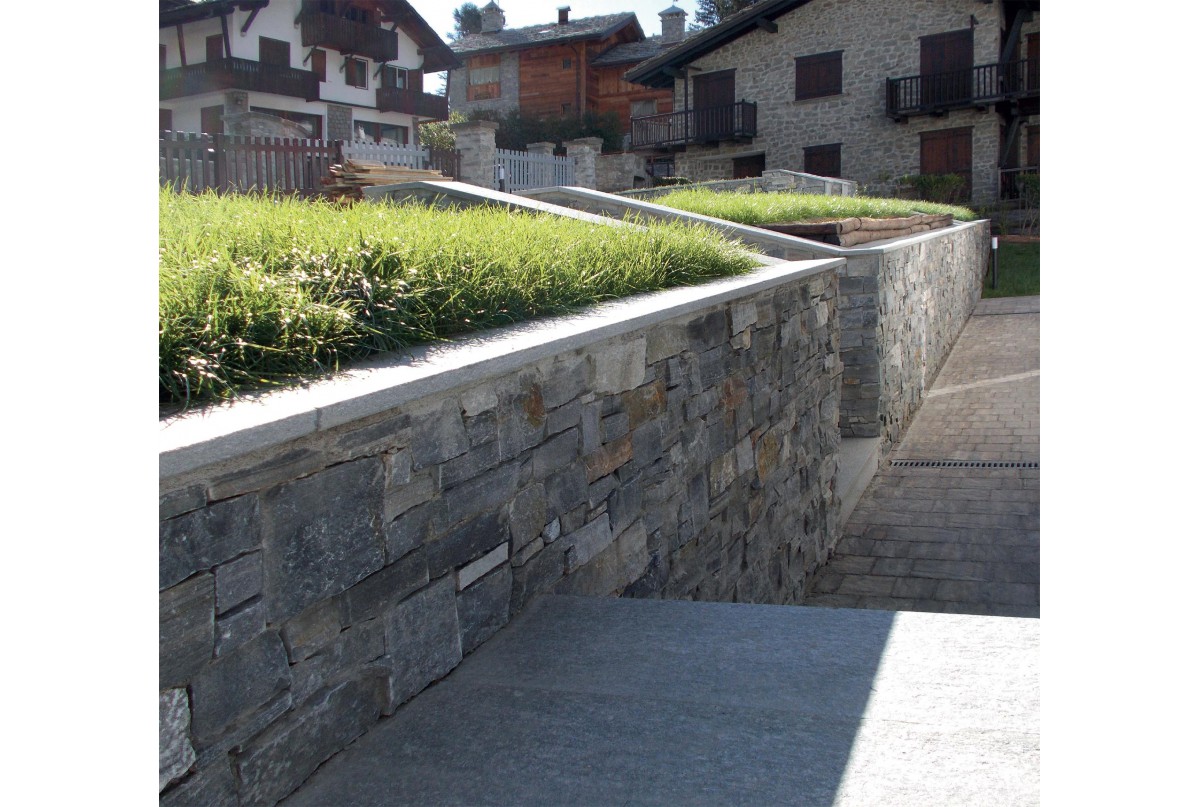
Once you’ve selected the perfect stone, it’s time to decide where you want to place it in your home. Stone cladding can be used indoors or outdoors, so think about which area of your home would benefit most from this.
You can start by reviewing InfinitiStone Pietra naturale E Manufactured Stone Ranges.
There are many benefits of cladding stones. It’s a versatile material that can be used indoors or outdoors. Stone cladding is also durable and long-lasting. Plus, it’s easy to maintain and clean. Stonewall can also increase the value of your home.
There are two main types of stone wall cladding: natural stone and manufactured stone. Natural stone is made from real stone that has been quarried from the ground. Manufactured stone is made from concrete that is textured and colored to look like real stone. Both types have their advantages and disadvantages.
You can use stone walling on both the exterior and interior of your home. You can also use it to accentuate certain features or create a completely new look. Get creative and experiment with different ways to incorporate stone wall cladding into your home design. Some of the best places to use stone wall cladding in your home include:
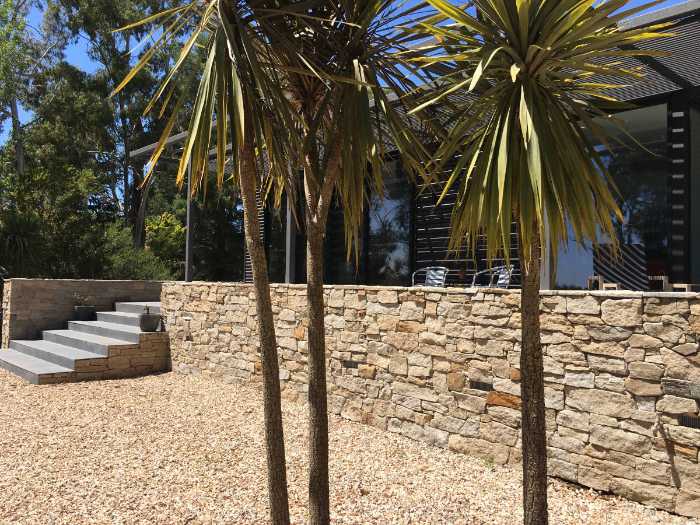
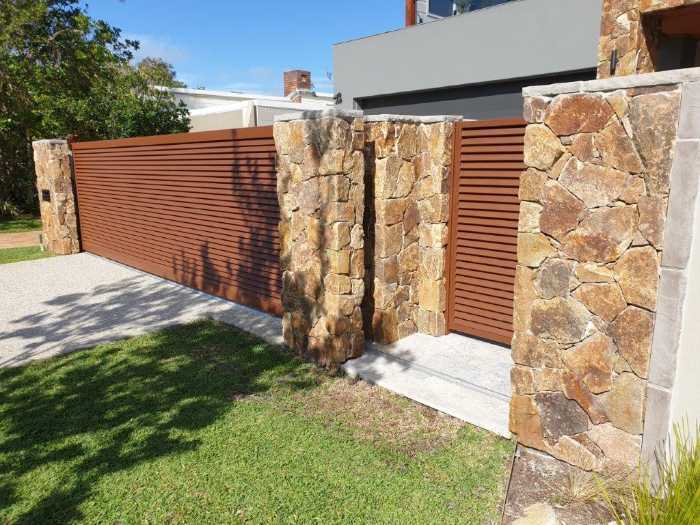
Once you’ve installed it in your home, it’s important to know how to care for it. Here are a few tips:
Following these tips, your stone wall cladding will last for many years to come!
Overall, Stone cladding wall is a great way to add value and beauty to your home. There are many different textures and colours of stone veneer to choose from, so you’re sure to find the perfect stone for your space. Plus, stones is easy to care for and maintain. With just a little bit of regular cleaning and sealing, it will last for many years to come.
 africano
  albanese
  Amarico
  Arabo
Arabo  armeno
  Azero
Azero  Basco
Basco  bielorusso
  bengalese
  Bosniaco
  bulgaro
  catalano
  Cebuano
  Cina
Cina  Cina (Taiwan)
  Corso
Corso  croato
  ceco
ceco  danese
  Olandese
  Inglese
  esperanto
  Estone
  finlandese
  francese
  Frisone
  galiziano
  georgiano
  Tedesco
  greco
greco  Gujarati
  Creolo haitiano
  haussa
  hawaiano
  ebraico
  No
No  Miao
Miao  ungherese
  islandese
  igbo
igbo  indonesiano
  irlandesi
  Italiano
  giapponese
  giavanese
  Kannada
  kazako
  Khmer
Khmer  Ruandese
  coreano
  curdo
curdo  Kirghizistan
  TBC
TBC  latino
  lettone
  lituano
  lussemburghese
  macedone
  Malgasci
  malese
  Malayalam
  maltese
  Maori
Maori  Marathi
  mongolo
  Myanmar
  nepalese
  norvegese
  norvegese
  occitano
  Pashtu
  persiano
  Polacco
  portoghese
  Punjabi
  rumeno
  russo
russo  Samoano
  Gaelico Scozzese
  serbo
serbo  Inglese
  Shona
Shona  Sindhi
  Singalese
  slovacco
  sloveno
  Somalo
  spagnolo
  Sundanese
  Swahili
  svedese
  Tagalog
  Tagico
  Tamil
Tamil  Tartaro
  Telugu
  tailandese
  Turco
Turco  turkmeno
  ucraino
  Urdu
Urdu  Uiguro
  Uzbeco
  vietnamita
  gallese