


Stone pavers are a popular addition to front lawn landscaping, driveway lining, and garden use. Paving stones can be used to enhance your home's personal and architectural style, and if you choose the right material, they will last a long time.
But, what are the many kinds of natural stone pavers available? These smooth-surfaced stones are used for driveways, patios, walkways, and poolside decks. Here's the lowdown on the various varieties of paving stones if you're wanting to freshen up your driveway or yard.
But first, what are pavers stones?
Stone pavers are easily accessible surfaces for pathways, patios, driveways, and pool decks. Unlike concrete and most brick pavers, they do not usually come in the same size.
As an experienced natural stone supplier, Quality Marble Exports (India) explains the distinctions so you can select the right pavers for your outdoors.
ハニーゴールドスレート舗装マット
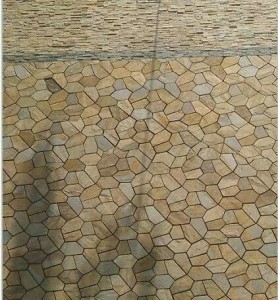
Types of Stone Pavers
Pavers stones come in a variety of shapes and sizes. Almost any rock can be transformed into one. The following are the most common:
- ブルーストーン
- Cobblestone
- Travertine (a favourite construction material of the Romans)
Even if the material isn't native to that location, these three types of stone pavers can be found in many different parts of the country. Local options may also be accessible depending on where you reside. If you live in an area of the country where limestone is abundant, you'll most likely be able to find limestone and use it in your paving projects. If you live in a granite-rich area of the country, there will very certainly be more granite products available.
The Advantages of Natural Stone Pavers Over Other Types
As previously stated, there are numerous paver materials available. Natural stone pavers are more long-lasting and durable than man-made pavers since they are cut from the Earth. There are numerous advantages to using stone pavers over other materials as follows:

Uniqueness
We may keep emphasizing it, but the individuality of a stone paver is one of its most compelling selling advantages. Each stone is one-of-a-kind in that it will have small colour variations that can be integrated into the pattern or design you pick. Stone pavers add a certain touch that other pavers lack, and they have a timeless quality that can be easily incorporated into traditional, rustic, or modern designs.
Pavers Stones’ Long-term Durability
Natural stone pavers are one of the most long-lasting materials available. For millennia, natural stone has been used as a pavement material. They are still used as road paving in some older parts of the world. This is a decent indication of how long a natural stone paver will last. This material is resistant to a wide range of weather and climate conditions, and it requires little to no upkeep. Natural stone, unlike typical paver materials that absorb water readily, can withstand water.
How to Put Stone Pavers in Place?
Plan for a minimum width of three feet for pathways and walkways. When it comes to driveways, make sure to measure your vehicles and leave adequate room for people to go about comfortably with the doors open.

Interlocking pavers are prefabricated pavers that are less difficult to install. Lay them side by side to create neat borders between your lawn and garden. Stack them on a low wall to form a raised bed, or use them to build a patio, walkway, or other outdoor living space.
When constructing a patio, pathway, or even a pool surround, there are a variety of pavers to pick from. Choosing the right paver stone is important not just for aesthetic reasons, but also for long-term durability. Some pavers are more resistant to some elements than others, while others are easier to keep clean.






 アフリカ人
アフリカ人 アルバニア人
 アムハラ語
アムハラ語 アラビア語
アラビア語 アルメニア語
 アゼルバイジャン語
 バスク語
バスク語 ベラルーシ語
 ベンガル語
ベンガル語  ボスニア語
ボスニア語 ブルガリア語
 カタルーニャ語
 セブアノ語
セブアノ語 中国
中国 中国(台湾)
 コルシカ島
コルシカ島 クロアチア語
 チェコ語
チェコ語 デンマーク語
 オランダの
オランダの 英語
英語 エスペラント
 エストニア語
 フィンランド語
 フランス語
フランス語 フリジア語
フリジア語 ガリシア語
ガリシア語 ジョージア語
 ドイツ人
ドイツ人 ギリシャ語
ギリシャ語 グジャラート語
 ハイチ クレオール
 ハウサ語
ハウサ語 ハワイアン
ハワイアン ヘブライ語
ヘブライ語 いいえ
いいえ ミャオ族
ミャオ族 ハンガリー語
 アイスランド語
 イボ語
イボ語 インドネシア語
 アイルランド人
 イタリアの
イタリアの 日本語
日本語 ジャワ語
ジャワ語 カンナダ語
カンナダ語 カザフ語
カザフ語 クメール語
クメール語 ルワンダ語
ルワンダ語 韓国語
韓国語 クルド
クルド キルギス
キルギス 結核
結核 ラテン
ラテン ラトビア語
ラトビア語 リトアニア語
 ルクセンブルク語
 マケドニアの
 マルガシ
マルガシ マレー語
マレー語 マラヤーラム語
 マルタ語
マルタ語 マオリ語
マオリ語 マラーティー語
 モンゴル語
モンゴル語 ミャンマー
ミャンマー ネパール語
ネパール語 ノルウェー語
 ノルウェー語
 オック語
オック語 パシュトゥー語
 ペルシア語
ペルシア語 研磨
研磨 ポルトガル語
  パンジャブ語
 ルーマニア語
 ロシア
ロシア サモア語
サモア語 スコットランド・ゲール語
 セルビア語
セルビア語 英語
英語 ショナ
ショナ シンド語
シンド語 シンハラ語
シンハラ語 スロバキア語
 スロベニア語
 ソマリ語
ソマリ語 スペイン語
スペイン語 スンダ人
スンダ人 スワヒリ語
スワヒリ語 スウェーデンの
 タガログ語
タガログ語 タジク語
タジク語 タミル語
タミル語 タタール語
タタール語 テルグ語
テルグ語 タイ語
タイ語 トルコ語
トルコ語 トルクメン語
 ウクライナ語
 ウルドゥー語
 ウイグル語
ウイグル語 ウズベク語
ウズベク語 ベトナム語
ベトナム語 ウェールズ語