


After seeing a large number of users searching "Are there different grades of porcelain tile?", one thing is clear: people are not aware of the different grades of porcelain tile. This is a big deal!
In this blog post, we'll look at how to determine what grade of porcelain tile is best suited for your project and explain why it's important to use the right one.
There are four parts to the porcelain-making process. This includes forming, glazing, decoration, and firing. Let's discuss each.
The forming stage in the porcelain-making process requires careful precision and artistry. Clay-based creations are either hand-shaped using techniques such as pinching and coiling, or they are pressed into molds. The clay forms a shape that is then dried to get rid of excess moisture.
Glazing is the process of applying liquid glass to the surface of a ceramic or porcelain piece. This is done either by dipping or spraying and then firing it in an oven, which causes the glaze to fuse with the object's surface.
Decorating porcelain is a time-honored tradition. It adds color and texture to the pieces while also acting as protection. The most common methods used are hand painting, staining, and transfers. Hand-painting involves painting with brushes or sponges directly onto the piece, while staining involves immersing the piece in dye to achieve a desired color. Transfers involve transferring an image onto the piece using a special process.
The last step in creating porcelain is firing. This process involves heating the piece at temperatures up to 2,400 degrees Fahrenheit. This heat causes the pieces to become harder and more durable by forming a glass-like layer on the surface.
The PEI rating, or Porcelain Enamel Institute rating, is one of the most important factors to consider when considering various porcelain tile grades for your project. This rating tells you the resistance of a tile to wear due to abrasion and determines its suitability for different uses. While the PEI rating system can seem complicated at first, it is relatively easy to understand once you become familiar with it. Plus, you'll be glad you did when it comes to ensuring your project's success.
There are five different porcelain tile quality grades. Do all porcelain tiles have a grade? Yes, and each grade has its own characteristics and can be used for different projects. But first, a question we’ve seen a lot: is class the same as grade in porcelain tile? Yes!
Okay, let’s dive into each grade.
So what is grade 1 porcelain tile? And what does grade 1 porcelain tile mean? Grade 1 is the lowest grade of porcelain tile. It's only intended for walls or kitchen backsplashes and light-duty residential floors and is not suitable for areas that will see heavy traffic due to its lower resistance to abrasion.
Grade 2 porcelain tile is an attractive and economical choice that is best used as flooring for rooms that don't get a lot of foot traffic, such as bathrooms and bedrooms. And as wall coverings, Grade 2 tiles provide beauty as well as function.
Grade 3 porcelain tiles are a great choice for residential and light commercial settings. Featuring high shade variation and durability, these tiles can stand up to moderate foot traffic and everyday wear-and-tear, making them suitable for kitchens, family rooms, hallways, countertops, outdoor porcelain tile, and even light commercial applications such as offices or small shops.
Grade 4 porcelain tiles are designed for heavy traffic and are ideal for commercial installations such as restaurants, shops, offices, and other spaces where day-to-day wear and tear is expected. Due to their superior strength and durability, they can also be used in residential settings such as laundry rooms and mudrooms. Grade 4 porcelain tile can also make an excellent choice for patios or outdoor living spaces.
What is the best grade of porcelain tile? Grade 5! Grade 5 porcelain tiles make up the top porcelain tile grade rating and are the toughest type of tile available, making them perfect for areas with heavy foot traffic and where durability is key. Porcelain tile hardness grades of 5 are perfect for commercial spaces such as hospitals, shopping malls, schools, stores, and airports due to their high resistance to wear and tear as well as harsh chemicals. They can also be used in residential homes for stairways, entryways, and other high-traffic areas.
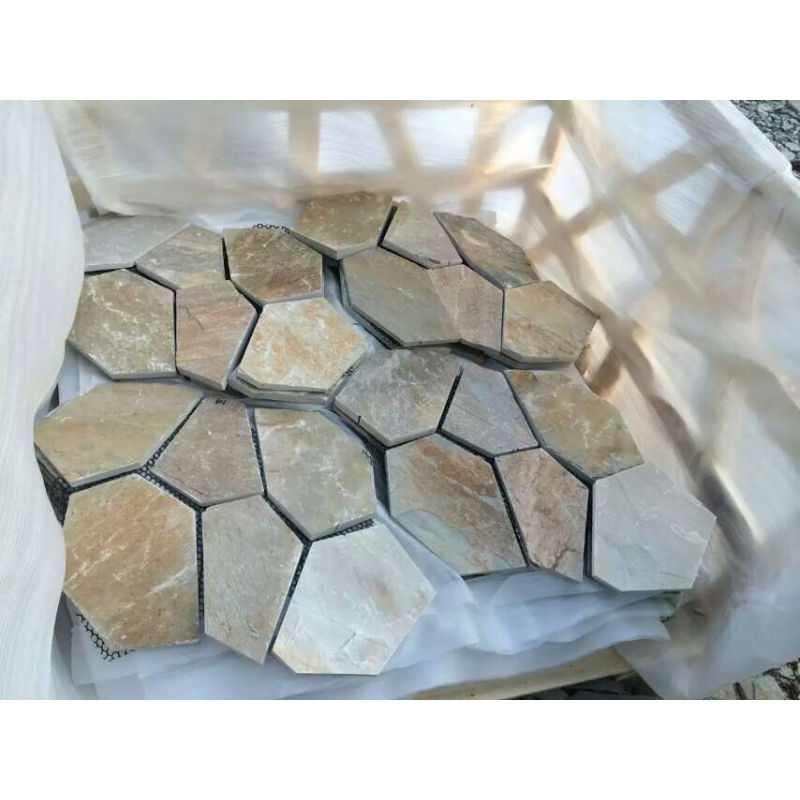
There are other factors that can affect the durability of porcelain tiles that involve the grades of porcelain tile discussed.
When considering the type of porcelain for a project, aside from porcelain grades, it is important to take into account the various types and applications:
It’s also important to consider the various applications and how they might affect the performance of each type of tile.
The coefficient of friction is the measure of a surface's ability to resist slipping when in contact with another surface. Porcelain tile typically has a high coefficient of friction which makes it an excellent choice for areas prone to slip-and-fall accidents such as showers or pool decks.
The forming method of a tile can have an impact on its durability and performance. Porcelain tiles are typically made by the dry-pressed, extruded, or ram-pressed method. Depending on the forming method, porcelain tiles can be either dense and non-porous or porous, making them suitable for both indoor and outdoor applications.
The scratch resistance of a tile should also be taken into consideration when making your selection. Porcelain tiles typically have a higher level of scratch resistance than ceramic tiles, making them ideal for high-traffic areas. A-grade porcelain tile and B-grade porcelain tile may offer different levels of scratch resistance, so it is important to compare the two before making your final decision. Porcelain tile grade B is superior.
Slip resistance is an important factor to consider when selecting porcelain tile for your project. The American National Standards Institute recommends a rating of 0.60 or higher for commercial floors and a rating of 0.42 or higher for residential bathrooms and laundry rooms. Tiles with a lower porcelain tile grade should not be used in slippery or wet areas.
The water absorption rating of porcelain tile can also be an important factor to consider. Porcelain tiles are denser than ceramic tiles and therefore have a lower water absorption rating. This is especially important when it comes to cleaning porcelain tiles since water and stains can easily seep into porous tiles.
Many factors must be taken into consideration before choosing which porcelain tile to use in a project. Strength, color, and design are all important elements that influence tile selection. The best way to ensure you have chosen the highest quality porcelain tile for your application is to do research on each product’s properties and source only from reliable manufacturers.
Quality can also vary depending on the type of porcelain tile; glazed tiles tend to offer a higher level of durability than unglazed tiles. Additionally, look for strong colors and patterns in printed tiles, and make sure no chips or flaws exist in the tiles prior to purchase.
Summing up, understanding the various types of porcelain tile and their applications is essential to choosing the right grade for your project. As the top porcelain tile supplier in Ohio, Stone Center has been in the business since 1952. We have all the experience in the world of providing quality porcelain tiles in a variety of grades and styles to fit any budget.
 아프리카 사람
  알바니아
알바니아  암하라어
암하라어  아라비아 말
  아르메니아 사람
  아제르바이잔
  바스크 사람
  벨로루시어
벨로루시어  벵골 사람
벵골 사람  보스니아어
보스니아어  불가리아 사람
  카탈로니아 사람
  세부아노어
세부아노어  중국
중국  중국(대만)
  코르시카어
코르시카어  크로아티아어
  체코 사람
체코 사람  덴마크 말
덴마크 말  네덜란드 사람
  영어
영어  에스페란토 말
  에스토니아 사람
  핀란드어
핀란드어  프랑스 국민
  프리지아어
프리지아어  갈리시아어
갈리시아어  그루지야 사람
  독일 사람
독일 사람  그리스 어
그리스 어  구자라트어
구자라트어  아이티 크리올어
  하우사
하우사  하와이 사람
  헤브라이 사람
  아니요
아니요  먀오족
먀오족  헝가리 인
헝가리 인  아이슬란드어
  이보
이보  인도네시아 인
  아일랜드의
아일랜드의  이탈리아 사람
  일본어
일본어  자바어
자바어  칸나다어
칸나다어  카자흐어
카자흐어  크메르어
크메르어  르완다
르완다  한국인
한국인  쿠르드어
쿠르드어  키르기스어
키르기스어  결핵
결핵  라틴어
라틴어  라트비아 사람
  리투아니아 사람
  룩셈부르크어
  마케도니아 어
  말가시
말가시  말레이 사람
  말라얄람어
말라얄람어  몰티즈
몰티즈  마오리족
마오리족  마라티어
마라티어  몽고 어
몽고 어  미얀마
미얀마  네팔어
네팔어  노르웨이 인
  노르웨이 인
  옥시탄
옥시탄  파슈토어
파슈토어  페르시아 인
  광택
광택  포르투갈 인
  펀자브어
펀자브어  루마니아 사람
  러시아인
러시아인  사모아어
사모아어  스코틀랜드 게일어
  세르비아 사람
  영어
영어  쇼나
쇼나  신디어
신디어  신할라어
신할라어  슬로바키아 사람
  슬로베니아
슬로베니아  소말리아어
소말리아어  스페인의
스페인의  순다어
순다어  스와힐리어
스와힐리어  스웨덴어
스웨덴어  타갈로그어
타갈로그어  타직어
타직어  타밀 사람
타밀 사람  타타르어
타타르어  텔루구어
텔루구어  태국어
태국어  터키어
터키어  투르크멘 말
  우크라이나 인
  우르두어
우르두어  위구르어
위구르어  우즈벡어
우즈벡어  베트남어
베트남어  웨일스 말
웨일스 말 




