

When it comes to working with thin stone veneer, one of the most important skills you can learn is how to cut thin stone veneer properly. Whether you're installing it for a stunning fireplace surround, creating an accent wall, or updating the exterior of your home, understanding how to cut thin stone veneer will ensure a clean, professional finish every time.
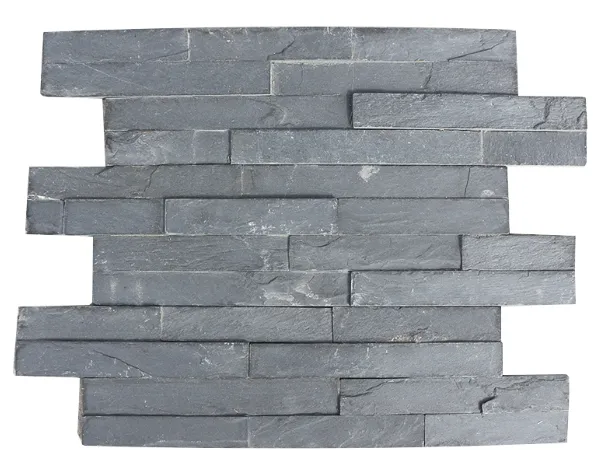
The key to cutting thin stone veneer is to use the right tools. While traditional stone requires heavy-duty saws and equipment, thin stone veneer is much easier to handle and requires only specialized tools like a wet saw or tile cutter. These tools allow you to make precise cuts while preventing dust and ensuring the veneer maintains its integrity.
Before cutting, it's essential to measure carefully and mark your cuts clearly. When learning how to cut thin stone veneer, remember that accuracy is vital. Take your time to ensure your cuts are straight and precise, especially if the stone will be used for intricate designs or patterns. Additionally, always wear protective gear, such as goggles and gloves, to stay safe while cutting the stone.
If you're considering adding natural stone to your home but are concerned about the weight and cost of traditional stone, thinstone cladding is the perfect solution. Thinstone cladding offers all the beauty and elegance of full-sized stone but in a much lighter, more manageable form, making it ideal for a variety of applications, both interior and exterior.
The primary benefit of thinstone cladding is its versatility. It can be used on walls, fireplaces, exteriors, and even as an accent feature in landscaping. Available in a range of textures, colors, and finishes, thinstone cladding provides endless design possibilities. Whether you're looking for a sleek, contemporary look or a more rustic, natural feel, thinstone cladding can be tailored to suit your personal taste.
Installation is easier with thinstone cladding, as it’s lighter than traditional stone and easier to handle. Plus, since it’s thinner, you can achieve the same aesthetic as traditional stone without adding excess weight to the structure, making it perfect for renovations and remodels. The result is a stone veneer that looks and feels authentic but is more cost-effective and simpler to install.
Thin stone veneer panels for showers are designed to withstand the humidity and moisture levels that are typical in bathroom environments. Since they are less porous than thicker stone slabs, they are more resistant to water damage, making them an ideal choice for wet areas. When installed correctly, thin stone veneer panels for showers provide a durable, long-lasting surface that adds elegance and texture to your shower walls.
The ease of installation is another key benefit of using thin stone veneer panels for showers. Because these panels are lightweight, they are easier to cut and apply compared to heavier stone slabs. They also adhere securely to the wall, ensuring a tight fit that prevents water from seeping behind the panels. Whether you’re updating an existing shower or creating a new one, thin stone veneer panels for showers are a great way to add timeless beauty to the space.
Beyond their practical benefits, thin stone veneer panels for showers create a visually stunning backdrop. With a wide variety of colors and textures available, you can choose the perfect stone style to complement your bathroom’s décor, whether you’re going for a modern, minimalist look or a more rustic, natural feel.
When it comes to natural stone, one of the most versatile options is thin cut natural stone. This material is the perfect blend of elegance, durability, and ease of use, making it ideal for a wide range of construction and design projects. From accent walls and fireplaces to outdoor applications like patios and walkways, thin cut natural stone brings a sense of luxury and style to any space.
The biggest benefit of thin cut natural stone is its lightweight nature, which makes it easier to handle and install than traditional stone slabs. This not only reduces labor costs but also minimizes the need for heavy machinery during installation, making it a cost-effective option for both DIYers and professionals. Additionally, thin cut natural stone is highly customizable. You can choose from a variety of stone types, including slate, limestone, granite, and more, allowing you to create the perfect look for your space.
Finally, thin cut natural stone offers a timeless aesthetic that adds value and sophistication to your home. The natural patterns and colors of stone provide a unique, organic touch that complements a wide range of design styles, from contemporary to traditional.
The rise of thin stone veneer is changing the way homeowners and designers approach home improvement projects. Whether you're looking to update your kitchen, create a statement wall, or enhance your home’s exterior, thin stone veneer is the perfect solution that offers all the beauty and durability of traditional stone, with the added benefits of reduced weight and ease of installation.
How to cut thin stone veneer, thinstone cladding, thin stone veneer panels for showers, and thin cut natural stone offer homeowners and designers an array of options for transforming their spaces. These materials are not only beautiful and durable but also practical, cost-effective, and easy to install. Whether you’re working on a small-scale renovation or a large home improvement project, incorporating thin stone veneer into your design will create a sophisticated, timeless look that enhances the overall value and appeal of your home.
 아프리카 사람
  알바니아
알바니아  암하라어
암하라어  아라비아 말
  아르메니아 사람
  아제르바이잔
  바스크 사람
  벨로루시어
벨로루시어  벵골 사람
벵골 사람  보스니아어
보스니아어  불가리아 사람
  카탈로니아 사람
  세부아노어
세부아노어  중국
중국  중국(대만)
  코르시카어
코르시카어  크로아티아어
  체코 사람
체코 사람  덴마크 말
덴마크 말  네덜란드 사람
  영어
영어  에스페란토 말
  에스토니아 사람
  핀란드어
핀란드어  프랑스 국민
  프리지아어
프리지아어  갈리시아어
갈리시아어  그루지야 사람
  독일 사람
독일 사람  그리스 어
그리스 어  구자라트어
구자라트어  아이티 크리올어
  하우사
하우사  하와이 사람
  헤브라이 사람
  아니요
아니요  먀오족
먀오족  헝가리 인
헝가리 인  아이슬란드어
  이보
이보  인도네시아 인
  아일랜드의
아일랜드의  이탈리아 사람
  일본어
일본어  자바어
자바어  칸나다어
칸나다어  카자흐어
카자흐어  크메르어
크메르어  르완다
르완다  한국인
한국인  쿠르드어
쿠르드어  키르기스어
키르기스어  결핵
결핵  라틴어
라틴어  라트비아 사람
  리투아니아 사람
  룩셈부르크어
  마케도니아 어
  말가시
말가시  말레이 사람
  말라얄람어
말라얄람어  몰티즈
몰티즈  마오리족
마오리족  마라티어
마라티어  몽고 어
몽고 어  미얀마
미얀마  네팔어
네팔어  노르웨이 인
  노르웨이 인
  옥시탄
옥시탄  파슈토어
파슈토어  페르시아 인
  광택
광택  포르투갈 인
  펀자브어
펀자브어  루마니아 사람
  러시아인
러시아인  사모아어
사모아어  스코틀랜드 게일어
  세르비아 사람
  영어
영어  쇼나
쇼나  신디어
신디어  신할라어
신할라어  슬로바키아 사람
  슬로베니아
슬로베니아  소말리아어
소말리아어  스페인의
스페인의  순다어
순다어  스와힐리어
스와힐리어  스웨덴어
스웨덴어  타갈로그어
타갈로그어  타직어
타직어  타밀 사람
타밀 사람  타타르어
타타르어  텔루구어
텔루구어  태국어
태국어  터키어
터키어  투르크멘 말
  우크라이나 인
  우르두어
우르두어  위구르어
위구르어  우즈벡어
우즈벡어  베트남어
베트남어  웨일스 말
웨일스 말 




