
Blog

-
 The patio is definitely the place within your property where you can enjoy the outdoors in comfort. If you don’t have a patio yet, then isn’t it the right time to build one and start realizing everything that you had imagined? When it comes to building and designing your patio, one of the most important decisions that you need to make is what kind of material should I use?Pānuitia atu
 -
 In-ground patios and pathways have become an essential part of any residential landscape. Backyards, in particular, create lots of opportunity for stone and concrete accents to balance out plants and softscapes.Pānuitia atu
 -
 Modern landscape designs often involve adding new features such as paths and patios. These new additions complement the existing style and provide a functional and attractive look. Deciding on the type of stone to use for a project can be frustrating for homeowners. This issue can be solved by learning more about the different materials and their various advantages.Pānuitia atu
 -
 Installing a patio in Pottstown, Gilbertsville, Chester Springs, Malvern or nearby communities is not only exciting in that it adds beautiful outdoor living space to your yard but at the same time, it can increase your property’s value.Pānuitia atu
 -
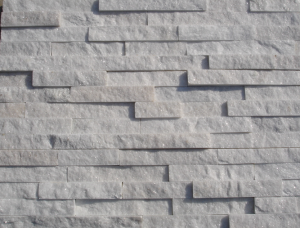 Flagstone and bluestone are large, flat stones often used for patios, walkways, driveways, and pool decks. They are popular in landscape design due to their durability, natural stone look, rich colors, and versatility in installation, either setting them in sand or mortar sealer. Both are great options, but which you should choose will depend on your project and needs.Pānuitia atu
 -
 If you’re considering having a new patio installed, you may be wondering whether to choose pavers or flagstone. Both materials have their pros and cons, so it can be difficult to decide which one is the best option for your needs. In this blog post, we will compare and contrast pavers vs flagstone, so that you can make an informed decision about which material is right for you!Pānuitia atu
 -
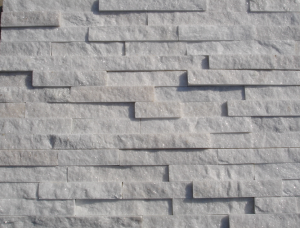 Choosing the right stone or paver for your new hardscaping element is dependent on a number of factors. Homeowners must consider their personal taste, the selection available, and more to create a functional and aesthetically pleasing space.Pānuitia atu
 -
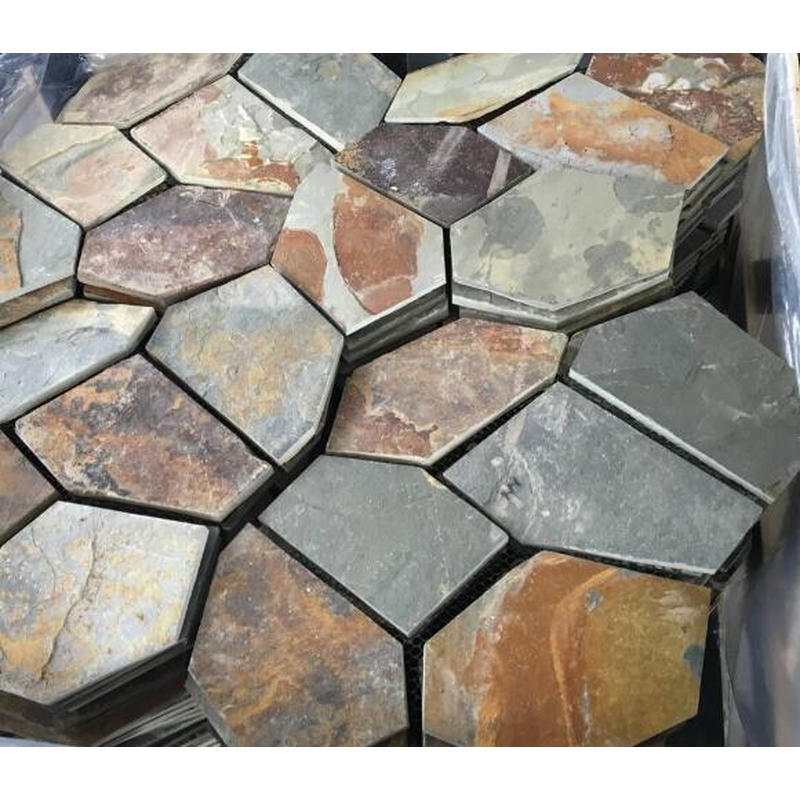 Putting a patio in your yard is a great decision: it increases your property value, it adds usable, functional space, and creates more area to entertain guests and friends who come to visit. But adding that patio comes with other decisions, such as what the patio should be made from.Pānuitia atu
 -
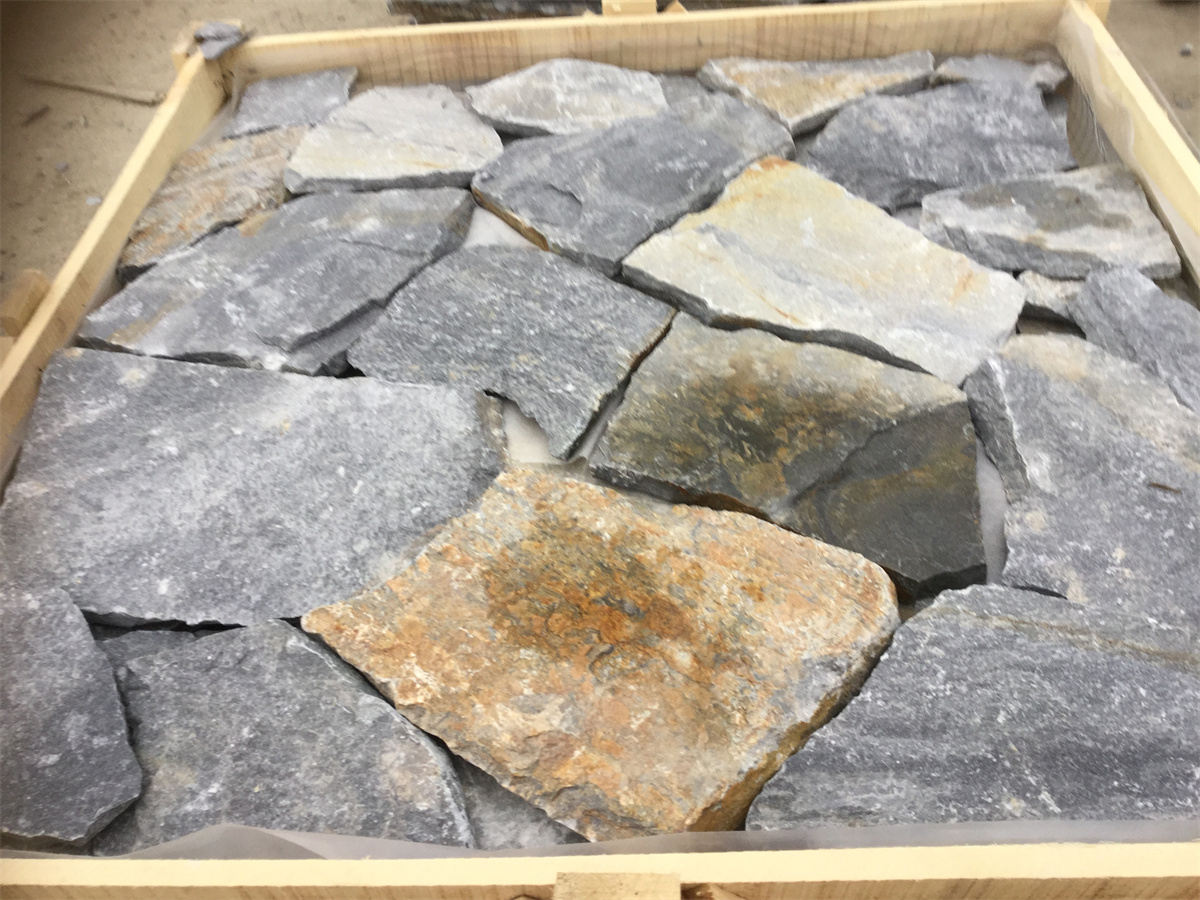 Are you thinking about having a patio, walkway or front porch built and trying to decide which is better suited to you–natural flagstone or pavers?Pānuitia atu
 -
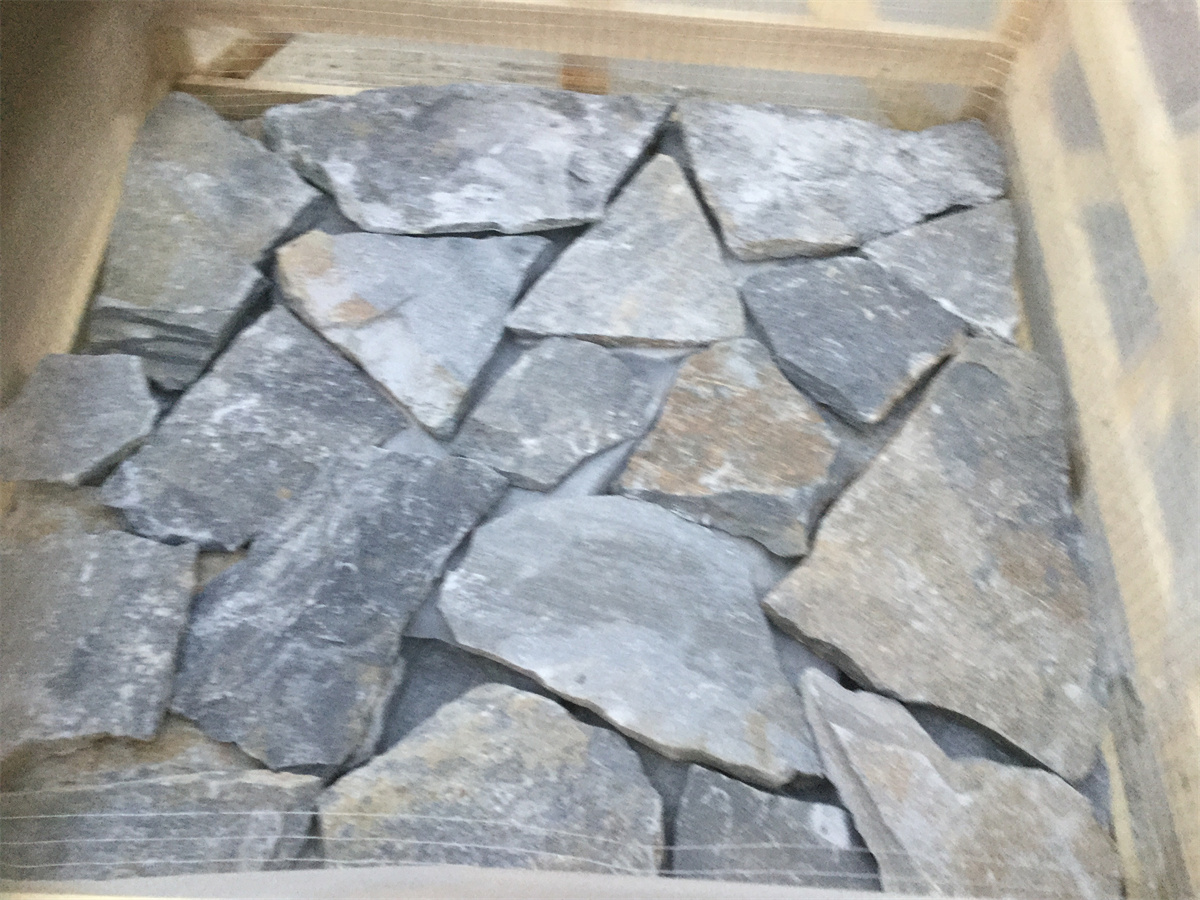 Flagstone patio or paver patio? Although there are other materials that may be used in a backyard patio design, such as brick and cobblestone, we’re going to focus on the two most popular ones: flagstone (natural stone) and pavers (a manufactured concrete product).Pānuitia atu
 -
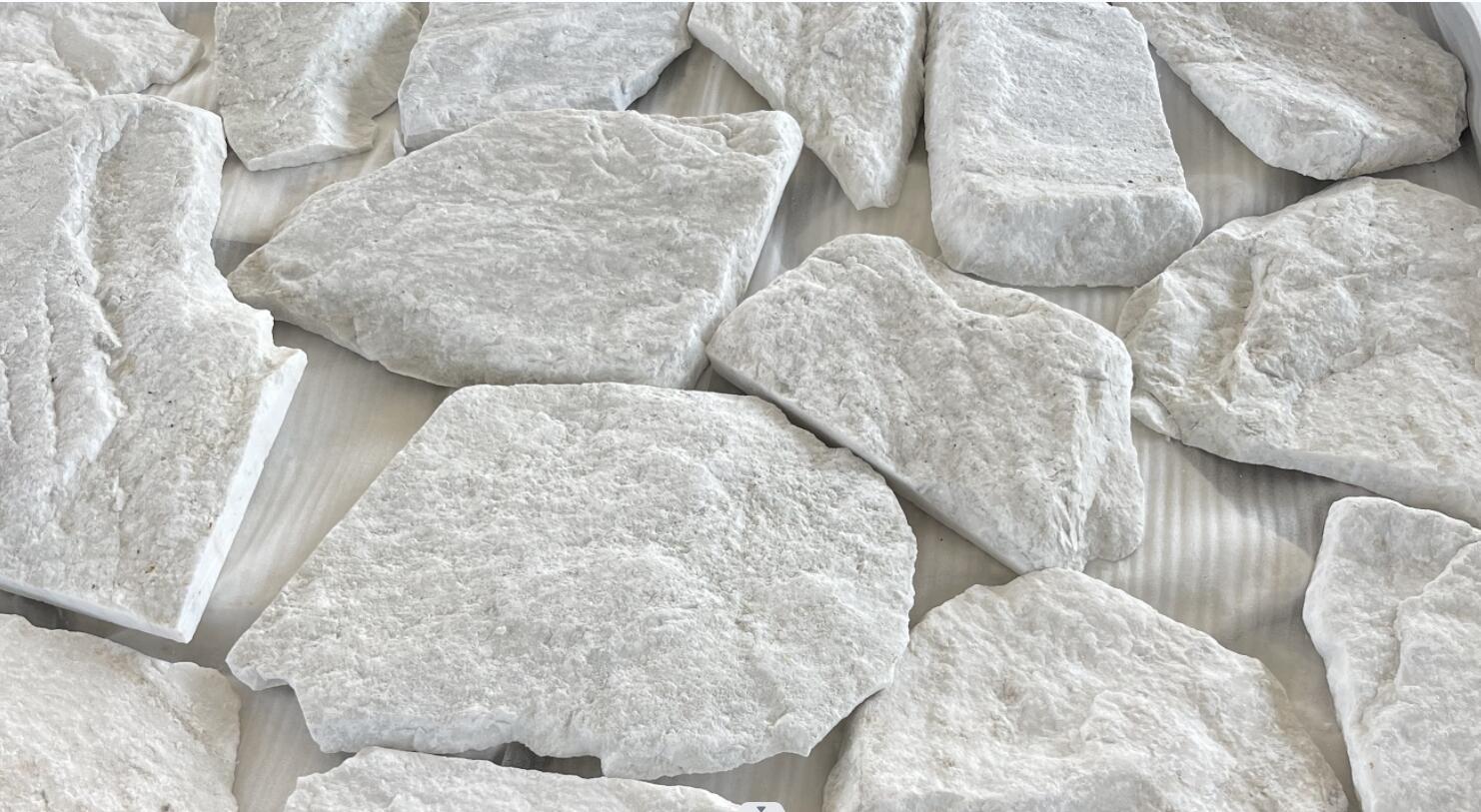 Ko nga kohatu haki me nga paera he whiringa rongonui mo te hoahoa hardscape, he painga motuhake o ia tangata.Pānuitia atu
 -
 Who wouldn’t want beautiful natural stone in and around their home? Elegant, and highly practical, it is a popular material for use in construction and design for good reason.Pānuitia atu
 Awherika
 Albanian
 Amharic
 Arapi
Arapi Arameina
 Azerbaijani
 Basque
 Belarusian
 Bengali
  Bosniana
 Bulgarian
 Katarana
 Cebuano
 Haina
Haina Haina (Taiwan)
 Korihika
 Koroatiana
 Czech
Czech Teniana
 Tatimana
 Ingarihi
 Esperanto
 Estonian
 Finnish
 Wīwī
Wīwī Frisian
 Kariri
 Georgian
 Tiamana
 Kariki
 Gujarati
 Haiti Creole
 hausa
hausa hawaii
 Hiperu
 Kao
Kao Miao
Miao Hungarian
 Tiorangi
 igbo
igbo Initonia
 Irish
Irish Itariana
 Hapanihi
 Hawaana
 Kannada
 Kazakh
 Khmer
Khmer Rwandan
 Koreana
 Kurdish
 Kyrgyz
 TB
TB Latina
 Latvian
 Lithuania
 Luxembourgish
 Makeronia
 Malgashi
 Malay
Malay Malayalam
 Marite
 Maori
Maori Mareti
 Mongolian
 Myanmar
 Nepali
 Norewai
 Norewai
 Occitan
 Pashto
 Pahia
Pahia Porohia
 Potiti
  Punjabi
 Romanian
 Ruhia
Ruhia Hamoa
Hamoa Scottish Gaelic
 Serbian
 Ingarihi
 Shona
Shona Sindhi
 Sinhala
 Slovak
 Slovenian
 Somali
 Paniora
 Hatana
 Swahili
 Huitene
 Tagalog
 Tajik
Tajik Tamil
Tamil Tatara
 Telugu
 Thai
Thai Turiki
 Turkmen
 Iukereiniana
 Urdu
Urdu Uighur
 Uzbek
Uzbek Vietnamese
 Welsh
Welsh