

Modern landscape designs often involve adding new features such as paths and patios. These new additions complement the existing style and provide a functional and attractive look. Deciding on the type of stone to use for a project can be frustrating for homeowners. This issue can be solved by learning more about the different materials and their various advantages.
Here's the lowdown on pavers and flagstones, two of the most popular patio design materials:
Flagstone often consists of natural stones like slate, limestone, and travertine. A flat, roughly cut stone is used as a landscape border or walkway. Since natural stone provides a more organic and freeform appearance, many homeowners prefer to use flagstone instead of uniform pavers. Flagstone is also considered upscale, which appeals to homeowners looking to increase the value of their property.
Flagstone is natural and sourced from a quarry. The area where the stone is extracted determines its look and feel. These stones come from worldwide locations, with rare stones or those with unique colors fetching a higher price.
Selecting the stone for the project is only one part of the design process. Another critical aspect of the build is choosing the appropriate location for the flagstone. For example, it can be placed on the grass to form a natural walkway, or a space can be cleared to arrange these stones in a well-planned design.
Unlike natural stone, which is composed of various colors and shapes, pavers are uniformly made. This means that it's possible to create a uniform look without worrying about how the stones fit together. Pavers have different designs, some mimicking natural stone while others resemble cobblestones.
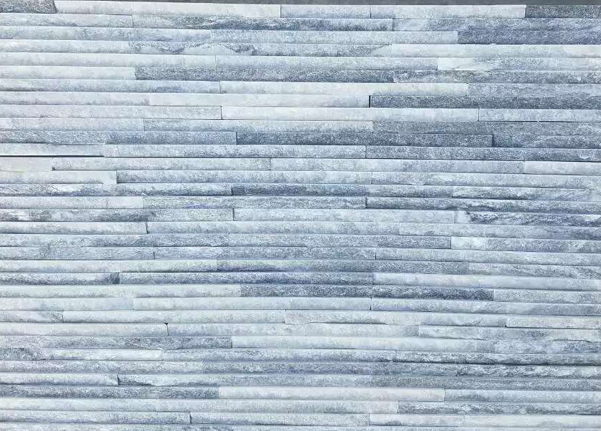
A paver is a surface used for various applications such as driveways, decks, and patios. They can be distinguished by their appearance and the materials used to construct them. The main difference between pavers and flagstones is that pavers are manufactured while flagstones are naturally sourced.
Brick and clay pavers are commonly used for hardscaping. They are formed by molding and baking clay into a solid section.
A concrete paver is decorative concrete that comes in various colors and sizes. It can be used for different residential and commercial projects. Concrete pavers create a more upscale design than concrete slabs.
Most people choose to build their hardscaping projects with faux pavers made from either plastic or rubber. These are typically placed over existing concrete surfaces to offer a new look.
When planning on landscaping, a professional team can help transform the property's look with various hardscaping materials. From natural stone walls to modern entertainment areas, they can turn any space into a beautiful outdoor sanctuary.
 Afirika
  Chialubaniya
  Chiamharic
  Chiarabu
  Chiameniya
  Chiazerbaijani
  Basque
  Chibelarusi
  Chibengali
  Chibosnia
  Chibugariya
  Chikatalani
  Cebuano
  China
China  China (Taiwan)
  Chikosikani
  Chikroatia
  Chicheki
  Chidanishi
  Chidatchi
  Chingerezi
  Chiesperanto
  Chiestonia
  Chifinishi
  Chifalansa
  Chifrisian
  Chigalikiya
  Chijojiya
  Chijeremani
  Chigriki
  Chigujarati
  Chikiliyo cha ku Haiti
  hausa
hausa  Hawaii
  Chiheberi
  Ayi
Ayi  Miao
Miao  Chihangare
  Chi Icelandic
  igbo
igbo  Chi Indonesian
  ayi
ayi  Chitaliyana
  Chijapani
  Chijavani
  Kanada
  kazakh
  Khmer
Khmer  Rwanda
  Chikorea
  Chikurdi
  Kyrgyz
  TB
TB  Chilatini
  Chilativiya
  Chilithuania
  ChiLuxembourgish
  Chimakedoniya
  Malgashi
  Chimalayi
  Malayalam
  Chimalta
  Chimaori
  Chimarathi
  Chimongoliya
  Myanmar
  Chinepali
  Chinorwe
  Chinorwe
  Occitan
  Pashto
  Chiperisi
  Chipolishi
  Chipwitikizi
  Chipunjabi
  Chiromania
  Chirasha
  Chisamoa
  Scottish Gaelic
  Chisebiya
  Chingerezi
  Chishona
  Sindi
Sindi  Sinhala
  Chisilovaki
  Chisiloveniya
  Somalia
  Chisipanishi
  Chisundanese
  Swahili
  Chiswidishi
  Chitagalogi
  Tajiki
  Tamil
Tamil  Chitata
  Telugu
  Thai
Thai  Turkey
  Turkmen
  Chiyukireniya
  Chiurdu
  Uighur
  Chiuzbeki
  Vietnamese
  Chiwelesi




