

There’s a healthy debate about using individual loose stones vs stone panel systems for a stacked stone veneer installation, and for good reason! Each product and installation method comes with its own set of pros and cons. So let’s take a closer look at each of these product types and learn the good, bad, and ugly to help you decide what’s the right product for your next stacked stone veneer installation.

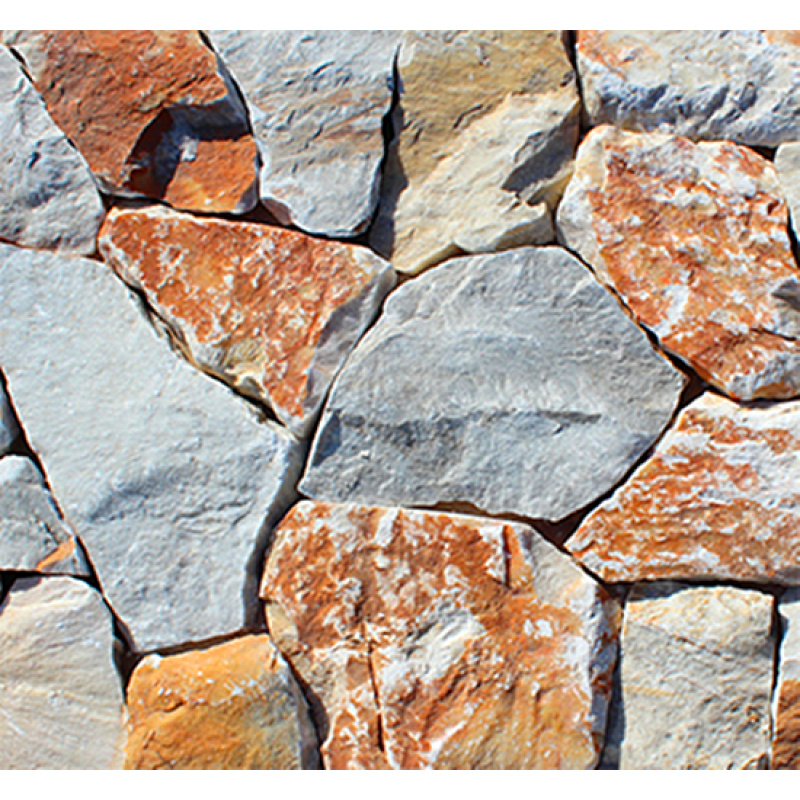
It makes sense to start off with loose individual stones because this method really is the original when it comes to stacked stone. Hand stacked stone has been around for centuries – just take a look at many forts, castles, city walls, etc and you’ll see examples of stonework that has been hand stacked and stood the test of time.

ข้อดีหลักบางประการของการใช้หินหลวมเรียงซ้อนด้วยมือก็คือ คุณมีหินให้เลือกมากมาย หินแทบทุกชนิดสามารถนำมาใช้หรือดัดแปลงเพื่อใช้วางซ้อนกันบนผนังได้ ช่างก่อหินเชี่ยวชาญในการใช้ค้อนหินและสิ่วเพื่อทุบหินขนาดใหญ่ตรงจุดที่ถูกต้องเพื่อทำให้มันแตกเป็นชิ้นเล็ก ๆ หรือเป็นรูปทรงที่แน่นอนเพื่อให้พอดีกับการติดตั้ง ด้วยหินที่มีให้เลือกมากมายสำหรับการติดตั้งเช่นนี้ ทำให้เราเปิดแผ่นไม้อัดหินประเภทนี้ให้เราเห็นได้เกือบทุกราคา
The drawbacks of hand stacked loose stone is that skilled, experienced labor is a must for a great looking installation. The installation process can often be tedious and slow, and some loose stone installations also will get “mortared in”, meaning masonry mortar is “pointed” into the gaps between each stone. The combination of a skilled installer plus a lengthy installation can make the cost of installation high.

Stone panel systems have been around for about the past 15 years or so, and are made possible by advances in stone processing equipment that allows the stone to be split and cut into thinner sections. These “thin” stones are then glued together, or sometimes mounted to a backer in a standard size.
ข้อได้เปรียบที่ใหญ่ที่สุดของระบบแผงหินคือค่อนข้างง่ายและด้วยเหตุนี้ ลดต้นทุนค่าแรงในการติดตั้งระบบแผงหิน เมื่อเทียบกับหินหลวมที่ซ้อนกันด้วยมือ ผู้ติดตั้งในอุดมคติสำหรับระบบแผงหินคือผู้ติดตั้งกระเบื้องที่มีประสบการณ์ในการปูกระเบื้องหินธรรมชาติ แต่ก็อยู่ในช่วงของส่วนใหญ่เช่นกัน เจ้าของบ้านทำเอง เช่นกัน. เนื่องจากผลิตภัณฑ์มีรูปทรงที่ทำซ้ำได้ จึงสามารถติดตั้งได้อย่างรวดเร็วและมีประสิทธิภาพ ซึ่งบางครั้งก็เร็วกว่าการซ้อนหินหลวมด้วยมือถึง 10 เท่า

ข้อเสียที่ใหญ่ที่สุดของ ระบบแผงหิน are the relative cost of the product is much higher than unprocessed loose stone, but when factoring in the lower cost of installation many times stone panel systems actually end up costing less on an installed cost per square foot basis. Another disadvantage to stone panel systems is that there are seams in the installation – whether its vertical or horizontal, wherever two panels come together a seam is formed. The extent to which this is actually a disadvantage should be considered when evaluating a stone panel system. Are the ends staggered so vertical seams are minimized? Does the product have lots of “relief” or “dimensionality” to each panel that helps hide these seams? Take a look at the product installed, whether that’s in a showroom, on their website, or a local example installation and see for yourself if you see the seams in a stone panel installation.
While there’s no right answer for whether hand stacked loose stone or stone panel systems is the right type of product for your project, the data certainly suggests that stone panel systems are worth considering. There is more stone going up on walls now than ever before because of the advances in manufacturing that make what once might have been an ugly stucco wall a beautiful stacked stone wall. Dflstones เป็นผู้ผลิตหินธรรมชาติ ที่ระดับแนวหน้าของการปฏิวัติระบบแผงหิน โดยได้สร้างระบบแผงหินเกรดสถาปัตยกรรมระดับพรีเมี่ยมมานานกว่า 15 ปี ตรวจสอบผลิตภัณฑ์แผ่นไม้อัดหินของเราและแกลเลอรีโครงการเพื่อเป็นแรงบันดาลใจสำหรับโครงการหินซ้อนครั้งต่อไปของคุณวันนี้!
 แอฟริกัน
  แอลเบเนีย
  อัมฮาริก
  ภาษาอาหรับ
  อาร์เมเนีย
  อาเซอร์ไบจัน
  บาสก์
บาสก์  เบลารุส
  เบงกาลี
  บอสเนีย
  บัลแกเรีย
  คาตาลัน
  เซบู
เซบู  จีน
จีน  จีน (ไต้หวัน)
  คอร์ซิกา
  โครเอเชีย
  เช็ก
เช็ก  ภาษาเดนมาร์ก
  ภาษาดัตช์
  ภาษาอังกฤษ
  เอสเปรันโต
  เอสโตเนีย
  ภาษาฟินแลนด์
  ภาษาฝรั่งเศส
  ฟริเซียน
  กาลิเซีย
  จอร์เจีย
  เยอรมัน
  กรีก
กรีก  คุชราต
  ชาวเฮติครีโอล
  เฮาซา
เฮาซา  ฮาวาย
ฮาวาย  ภาษาฮีบรู
  ไม่
ไม่  แม้ว
แม้ว  ภาษาฮังการี
  ไอซ์แลนด์
  อิกโบ
อิกโบ  ชาวอินโดนีเซีย
  ไอริช
ไอริช  ภาษาอิตาลี
  ญี่ปุ่น
  ชวา
ชวา  กันนาดา
  คาซัค
คาซัค  เขมร
เขมร  รวันดา
  เกาหลี
  เคิร์ด
  คีร์กีซ
  วัณโรค
  ละติน
ละติน  ลัตเวีย
  ลิทัวเนีย
  ภาษาลักเซมเบิร์ก
  มาซิโดเนีย
  มัลกาชิ
  มาเลย์
  มาลายาลัม
  ภาษามอลตา
  ชาวเมารี
  ภาษามราฐี
  มองโกเลีย
  พม่า
พม่า  เนปาล
เนปาล  ภาษานอร์เวย์
  ภาษานอร์เวย์
  อ็อกซิตัน
  ปาสโต้
  เปอร์เซีย
  ขัด
ขัด  โปรตุเกส
  ปัญจาบ
  โรมาเนีย
  ภาษารัสเซีย
  ซามัว
ซามัว  เกลิคสก๊อตแลนด์
  เซอร์เบีย
  ภาษาอังกฤษ
  โชนา
โชนา  สินธี
สินธี  สิงหล
สิงหล  สโลวัก
  ภาษาสโลเวเนีย
  โซมาเลีย
  สเปน
สเปน  ซุนดา
ซุนดา  สวาฮีลี
  ภาษาสวีเดน
  ตากาล็อก
  ทาจิก
ทาจิก  ทมิฬ
ทมิฬ  ตาตาร์
  เตลูกู
  แบบไทย
  ภาษาตุรกี
  เติร์กเมนิสถาน
  ภาษายูเครน
  ภาษาอูรดู
  อุยกูร์
  อุซเบก
  ภาษาเวียดนาม
  เวลส์
เวลส์ 




