

Water Feature Stone Wall
A water feature stone wall seamlessly blends natural aesthetics with tranquil functionality, creating a stunning focal point for any outdoor space. These architectural elements combine the rugged beauty of natural stone—such as granite, slate, or limestone—with the soothing movement and sound of flowing water. Stone wall fountains can be customized in design, from modern linear cascades to rustic stacked stone waterfalls, adapting to any landscape style.
Outdoor stone wall fountains are engineered for durability, using weather-resistant materials and efficient recirculating pump systems. They transform gardens, patios, or entryways into serene retreats while masking urban noise with gentle water sounds. The natural stone's texture and organic variations ensure each installation is unique, enhancing property value and curb appeal.
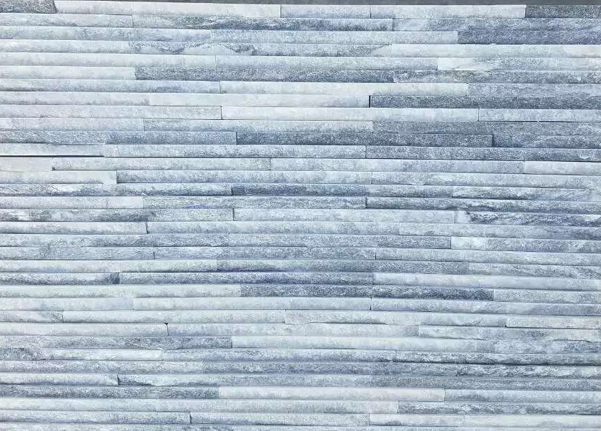
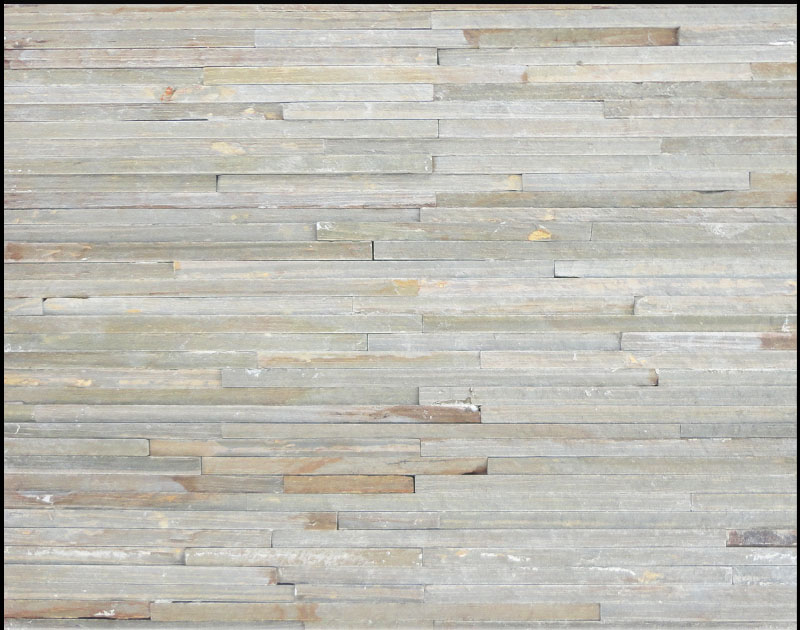
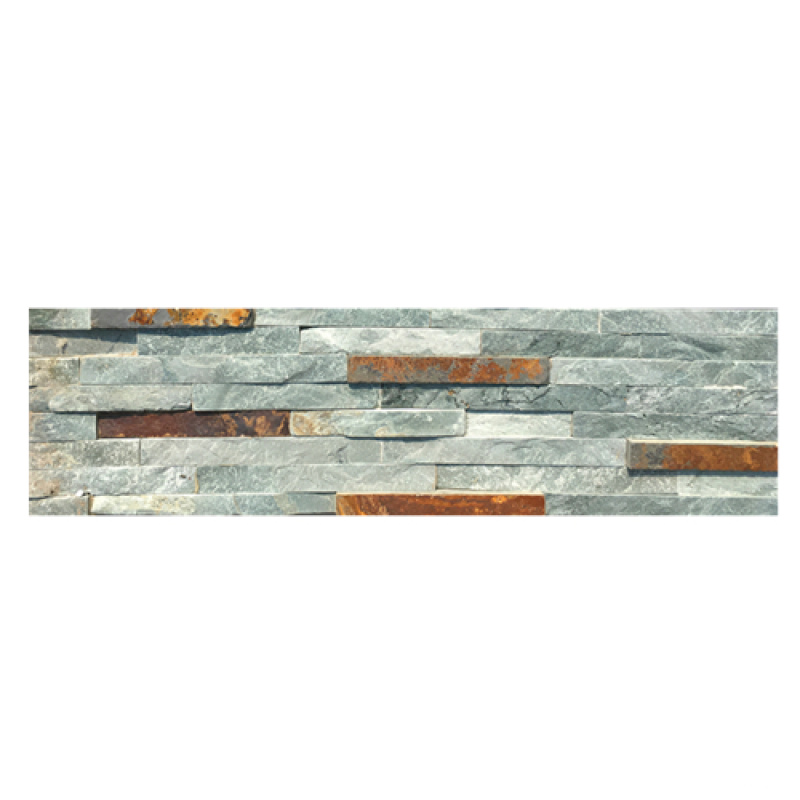
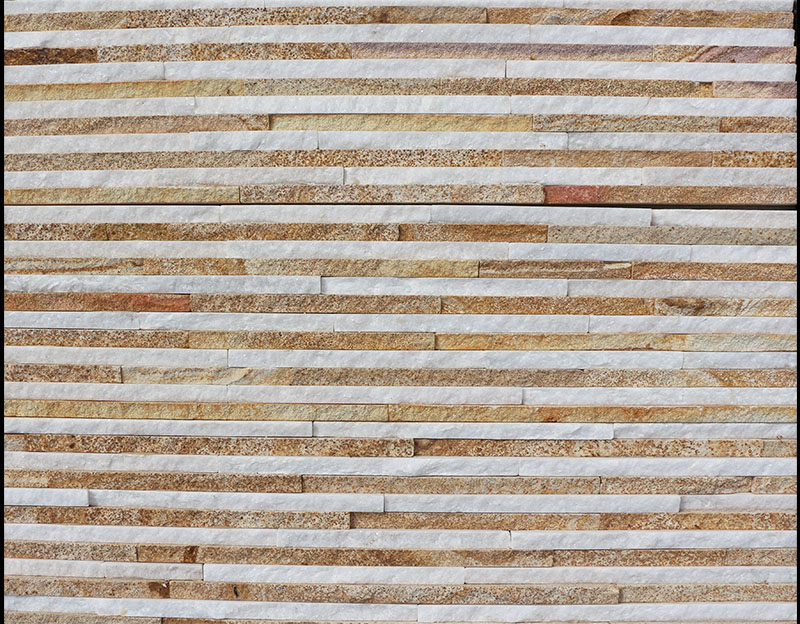
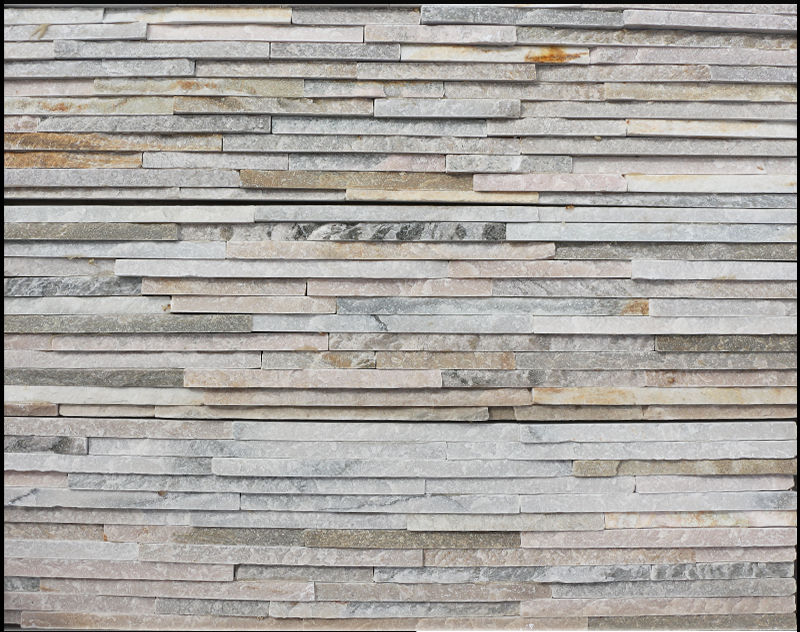
Custom Water Feature Stone Wall Fabrication
Custom water feature stone walls blend natural aesthetics with functional artistry to create unique outdoor focal points. These bespoke installations begin with careful stone selection—materials like granite, slate, or limestone are chosen for their durability, texture, and ability to harmonize with the surrounding landscape. Expert craftsmen then shape and assemble the stones to form a structurally sound wall integrated with water flow systems, ensuring seamless circulation. The design process considers key elements such as wall height, water cascade patterns, and lighting integration to achieve both visual impact and soothing acoustics. Unlike prefabricated fountains, custom fabrication allows for complete personalization, from rugged naturalistic cliffs to sleek modern waterfalls, tailored to the architecture and scale of the space. Proper engineering ensures longevity, with hidden reservoirs, waterproofing, and erosion-resistant stone placement.
Benefits of Adding a Stone Wall Water Feature
A stone wall water feature elevates outdoor spaces by merging visual beauty with sensory tranquility. The natural stone’s texture and earthy tones create an organic centerpiece that enhances curb appeal and property value. Flowing water masks unwanted noise, transforming gardens or patios into peaceful retreats ideal for relaxation. The evaporative cooling effect subtly moderates microclimates in hot weather, while circulating water discourages mosquitoes from stagnating. Stone’s thermal mass helps maintain water temperature stability, protecting pumps in fluctuating weather. Ecologically, these features can integrate with rainwater harvesting systems or recirculate water efficiently. Low-maintenance compared to planted elements, they provide year-round interest even in drought-prone areas. The combination of movement, sound, and natural materials creates a dynamic yet timeless addition that appeals to both aesthetics and wellness.
How Do You Clean a Stone Water Fountain?
Regular maintenance preserves both the beauty and functionality of stone water features. Start by draining the reservoir and removing debris like leaves or algae with a soft brush. A mild solution of water and white vinegar effectively dissolves mineral deposits without damaging stone surfaces—scrub gently with a nylon brush, avoiding wire tools that could scratch. For biological growth, oxygenated bleach (not chlorine) safely removes stains while being eco-friendly. Rinse thoroughly before refilling to prevent residue buildup in pumps. Inspect and clean the pump’s filter monthly, ensuring unobstructed water flow. During winter in freezing climates, drain and cover the fountain or use a small heater to prevent ice damage. Annual sealing with a penetrating stone enhancer protects against water absorption and weathering. Always use pH-neutral cleaners to avoid etching natural stone, and consider adding an algaecide tablet to the water for long-term clarity. Consistent care prevents costly repairs while maintaining the feature’s serene appeal.
 Африка
 Албан
Албан Амхар
Амхар Гарәп
Гарәп Әрмән
Әрмән Азәрбайҗан
 Баск
Баск Беларусия
 Бенгал
  Босния
 Болгар
 Каталан
 Себуано
 Китай
Китай Китай (Тайвань)
 Корсика
 Хорватия
 Чехия
Чехия Дания
Дания Голландия
 Инглиз
 Эсперанто
 Эстония
 Фин
Фин Француз
 Фриз
Фриз Галисия
 Грузин
 Немец
Немец Грек
Грек Гуджарати
 Гаити креолы
 hausa
hausa hawaiian
 Иврит
Иврит .К
.К Миао
Миао Венгр
Венгр Исландия
 игбо
игбо Индонезия
 ириш
ириш Италия
 Япон
Япон Ява
Ява Каннада
 казах
казах Кхмер
Кхмер Руанда
 Корея
Корея Көрд
Көрд Кыргызстан
 Туберкулез
 Латин
Латин Латвия
 Литва
Литва Люксембург
 Македония
 Малгаши
 Малайча
 Малаялам
 Мальта
 Маори
Маори Марат
Марат Монгол
 Мьянма
 Непал
Непал Норвегия
 Норвегия
 Окитан
 Пушту
Пушту Фарсы
Фарсы Поляк
Поляк Португал
  Пәнҗаби
 Румыния
 Рус
Рус Самоа
Самоа Шотландия Гэль
 Серб
Серб Инглиз
 Шона
Шона Синдхи
 Синхала
 Словакия
 Словения
 Сомали
 Испан
Испан Сундан
 Суахили
 Швед
Швед Тагалог
 Таҗик
Таҗик Тамил
Тамил Татар
Татар Телугу
 Тай
Тай Төрек
Төрек Төрекмәнстан
 Украин
 Урду
Урду Уйгур
Уйгур Uzbekзбәк
 Вьетнам
 Уэльс
Уэльс