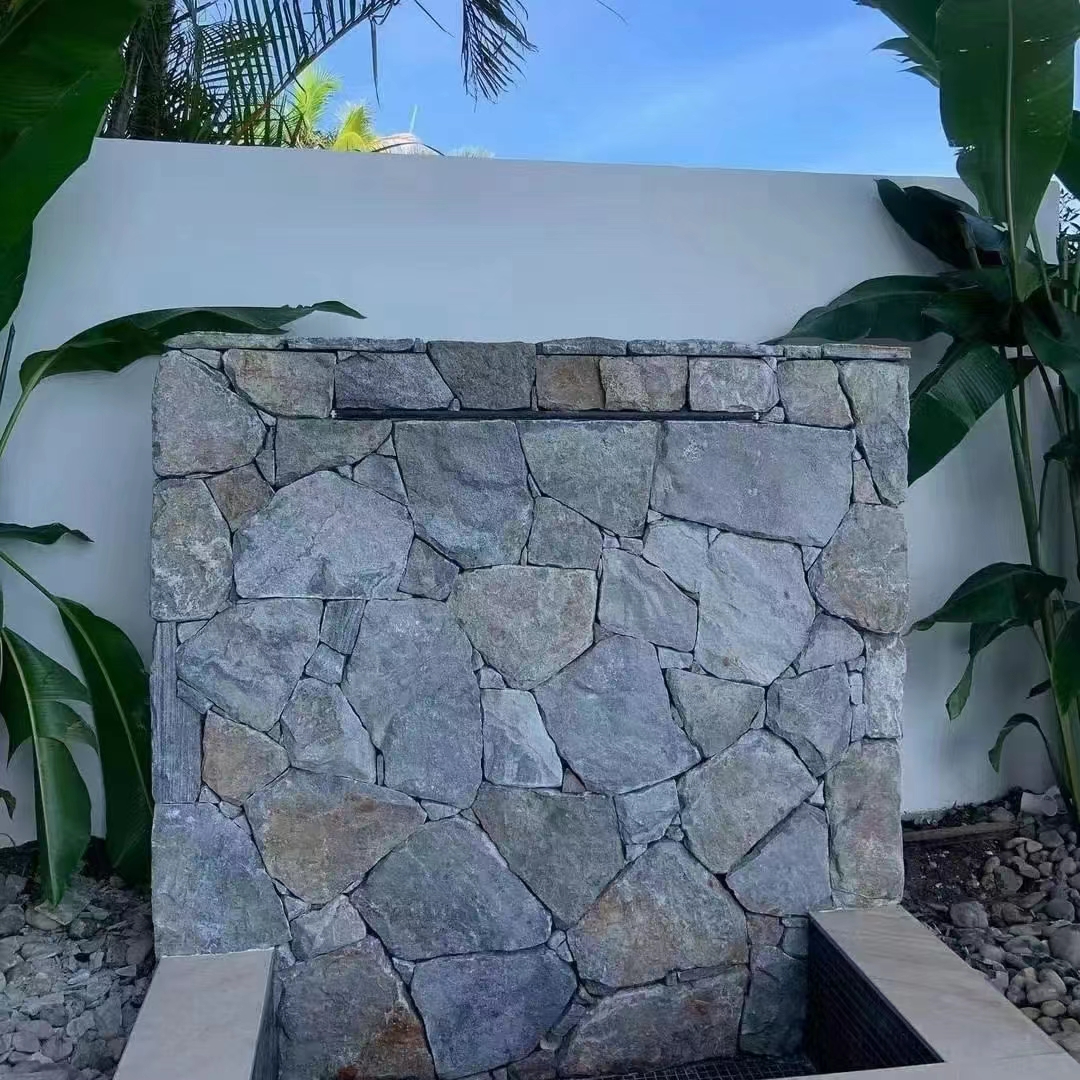
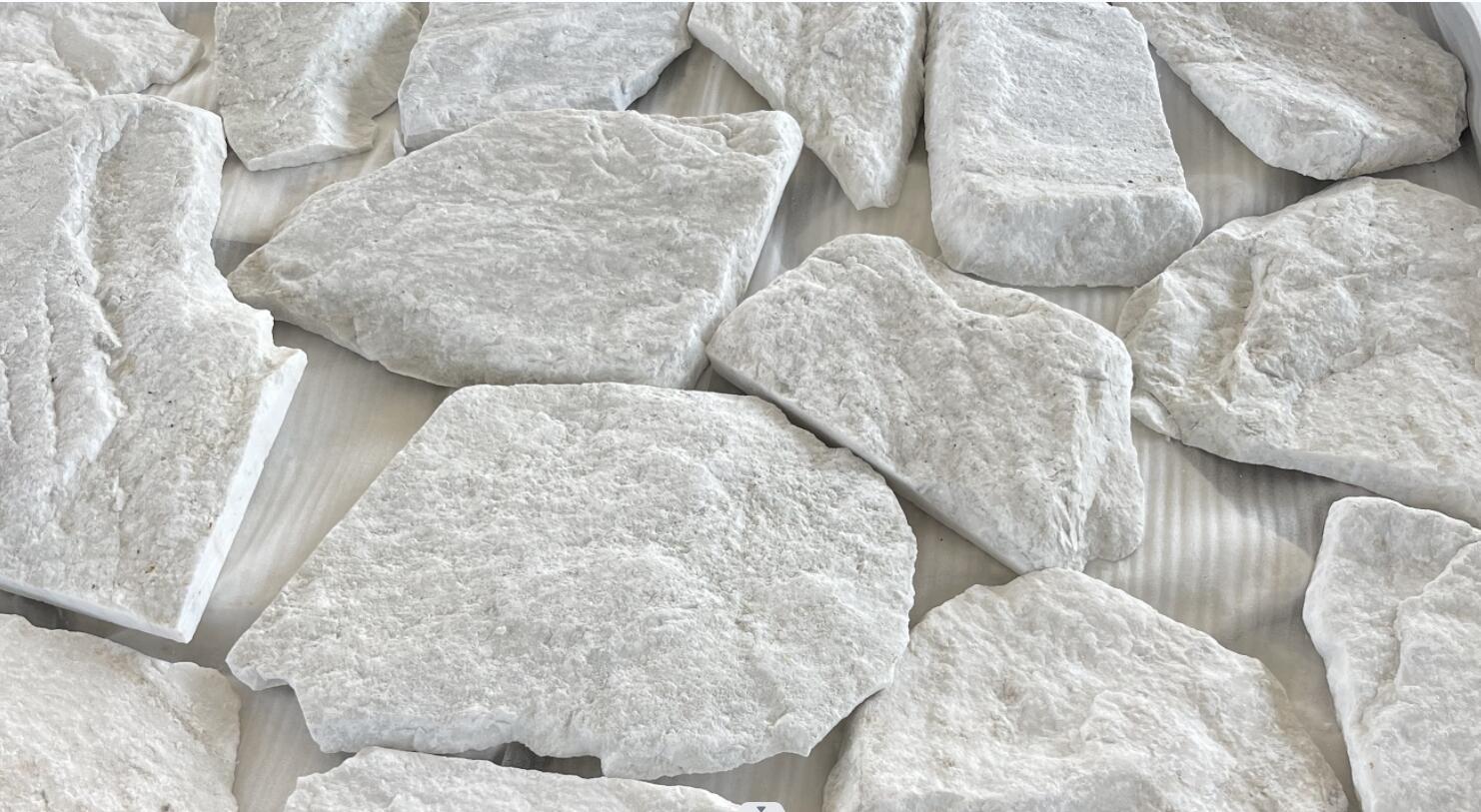
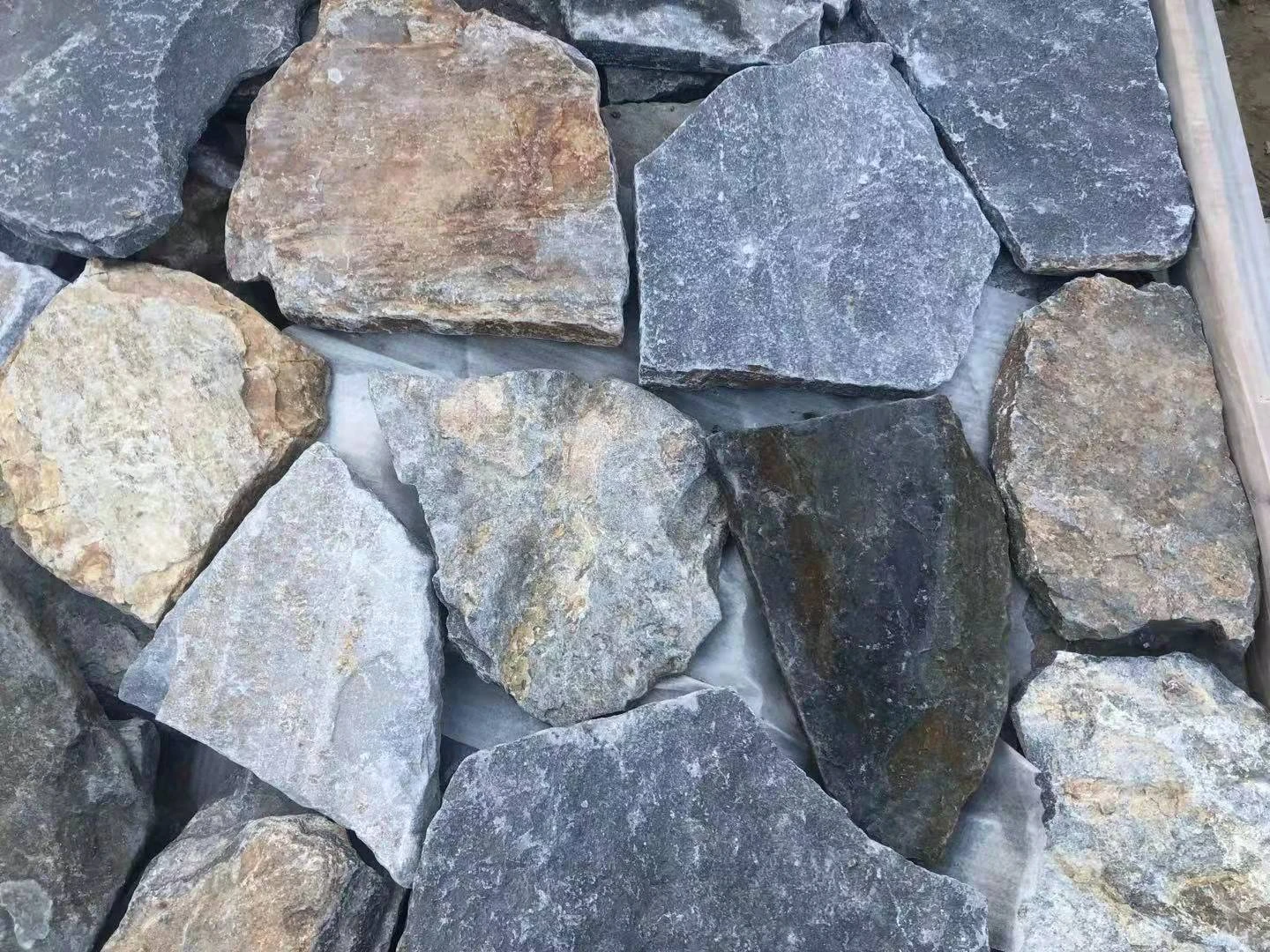
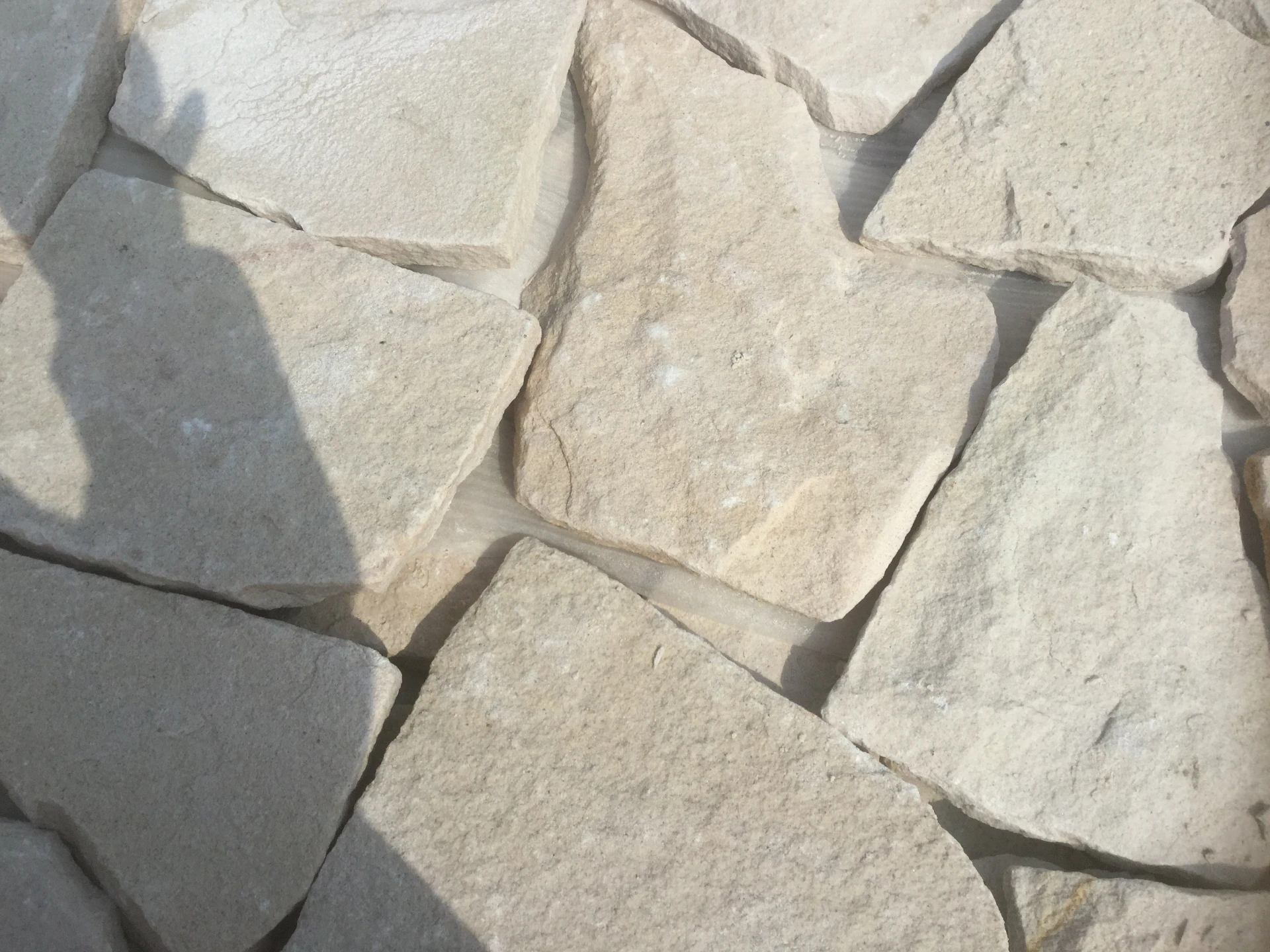
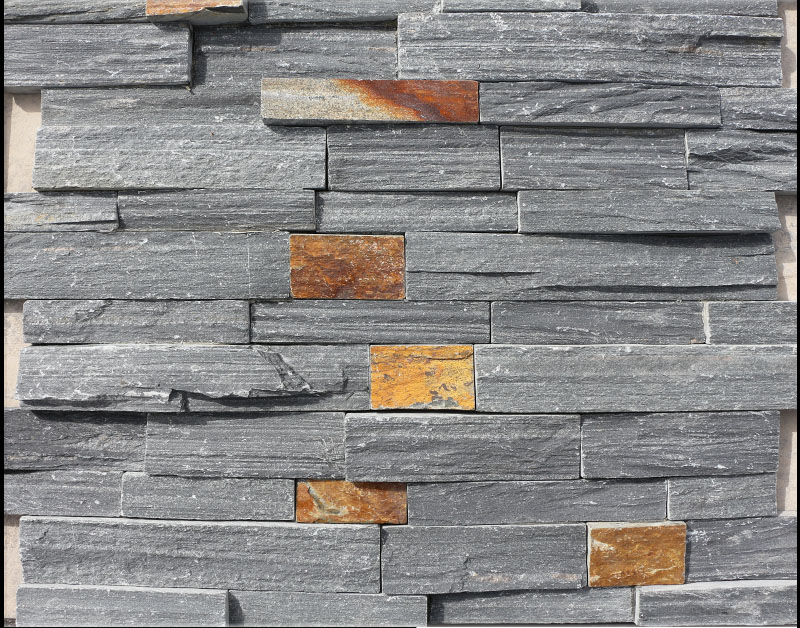
With the continuous advancement of construction technology, the development of materials science has brought revolutionary changes to the construction industry. Among them, thin stone, as an emerging building material, has gradually gained widespread attention due to its advantages such as lightweight, sturdy, and beautiful appearance. Ultra thin stones not only give architects more creative freedom in exterior design, but also achieve efficient functionality in various architectural scenarios. This article will explore the application of thin stone veneers in architectural scenes and the many advantages they bring.
In modern urban commercial centers, facades often need to have both aesthetics and durability. The lightweight nature of ultra-thin stone makes it an ideal exterior wall material, which can reduce the overall structural burden of buildings. In addition, the diverse textures and color choices on the surface of ultra-thin stones provide architects with rich design inspiration, making the appearance of commercial buildings more attractive. For example, many high-end hotels and shopping centers have adopted ultra-thin stones as exterior materials to enhance their overall image and customer experience.
This material has a wide range of applications and can be used for the production of walls, floors, and even furniture. Thin stone panels have excellent processing performance and can be cut into various shapes to meet the design needs of different spaces. In high-end residential buildings, ultra-thin stones are often used as kitchen countertops or bathroom walls, which not only enhance the aesthetics of the space, but also ensure durability due to their excellent water resistance and wear resistance. At the same time, due to the environmental characteristics of ultra-thin stones, excessive exploitation of natural resources is reduced, which is in line with the concept of sustainable development.
In public buildings such as waiting halls, airports, museums, etc., ultra-thin stones can be used as decorative materials for floors and walls, providing strong visual impact and a sense of luxury. At the same time, the ease of cleaning and wear resistance of thin stone for walls keep them in good working condition in high traffic areas, providing a more comfortable environment for the public.
Although it is lightweight and easy to install, it requires extremely high precision in material processing and installation during the construction process. A slight mistake may result in material damage or unstable installation. Therefore, choosing an experienced construction team and a scientific construction plan is particularly important. In addition, the cost of natural thin stone is relatively high compared to traditional materials, which also needs to be comprehensively considered in the budget.
In summary, ultra-thin stones are widely used in various scenarios such as commercial buildings, interior design, and public spaces due to their lightweight, durability, and aesthetic characteristics. The promotion of this material not only enriches the expression forms of architectural design, but also opens up new space for the development of sustainable building materials. With the continuous advancement of technology, the application prospects of ultra-thin stones in the construction industry will be even broader, and it is worth further exploration and practice by the industry.
With the continuous advancement of construction technology, the development of materials science has brought revolutionary changes to the construction industry. Among them, thin stone, as an emerging building material, has gradually gained widespread attention due to its advantages such as lightweight, sturdy, and beautiful appearance. Ultra thin stones not only give architects more creative freedom in exterior design, but also achieve efficient functionality in various architectural scenarios. This article will explore the application of thin stone veneers in architectural scenes and the many advantages they bring.
In modern urban commercial centers, facades often need to have both aesthetics and durability. The lightweight nature of ultra-thin stone makes it an ideal exterior wall material, which can reduce the overall structural burden of buildings. In addition, the diverse textures and color choices on the surface of ultra-thin stones provide architects with rich design inspiration, making the appearance of commercial buildings more attractive. For example, many high-end hotels and shopping centers have adopted ultra-thin stones as exterior materials to enhance their overall image and customer experience.
This material has a wide range of applications and can be used for the production of walls, floors, and even furniture. Thin stone panels have excellent processing performance and can be cut into various shapes to meet the design needs of different spaces. In high-end residential buildings, ultra-thin stones are often used as kitchen countertops or bathroom walls, which not only enhance the aesthetics of the space, but also ensure durability due to their excellent water resistance and wear resistance. At the same time, due to the environmental characteristics of ultra-thin stones, excessive exploitation of natural resources is reduced, which is in line with the concept of sustainable development.
In public buildings such as waiting halls, airports, museums, etc., ultra-thin stones can be used as decorative materials for floors and walls, providing strong visual impact and a sense of luxury. At the same time, the ease of cleaning and wear resistance of thin stone for walls keep them in good working condition in high traffic areas, providing a more comfortable environment for the public.
Although it is lightweight and easy to install, it requires extremely high precision in material processing and installation during the construction process. A slight mistake may result in material damage or unstable installation. Therefore, choosing an experienced construction team and a scientific construction plan is particularly important. In addition, the cost of natural thin stone is relatively high compared to traditional materials, which also needs to be comprehensively considered in the budget.
In summary, ultra-thin stones are widely used in various scenarios such as commercial buildings, interior design, and public spaces due to their lightweight, durability, and aesthetic characteristics. The promotion of this material not only enriches the expression forms of architectural design, but also opens up new space for the development of sustainable building materials. With the continuous advancement of technology, the application prospects of ultra-thin stones in the construction industry will be even broader, and it is worth further exploration and practice by the industry.
 Người châu Phi
  tiếng Albania
  tiếng Amharic
  tiếng Ả Rập
  tiếng Armenia
  Tiếng Azerbaijan
  Tiếng Basque
  Người Belarus
  tiếng Bengali
  tiếng Bosnia
  tiếng Bungari
  tiếng Catalan
  Cebuano
  Trung Quốc
  Trung Quốc (Đài Loan)
  Corsican
  tiếng Croatia
  tiếng Séc
  người Đan Mạch
  tiếng Hà Lan
  Tiếng Anh
  Quốc tế ngữ
  tiếng Estonia
  tiếng Phần Lan
  người Pháp
  tiếng Frisia
  tiếng Galicia
  tiếng Gruzia
  tiếng Đức
  người Hy Lạp
  Gujarati
  Tiếng Creole Haiti
  hausa
hausa  người Hawaii
  tiếng Do Thái
  Không
Không  Miêu
Miêu  người Hungary
  tiếng Iceland
  igbo
igbo  tiếng Indonesia
  người Ailen
  người Ý
  tiếng Nhật
  tiếng Java
  tiếng Kannada
  tiếng Kazakhstan
  tiếng Khmer
  người Rwanda
  Hàn Quốc
  người Kurd
  Tiếng Kyrgyzstan
  Lao
Lao  Latin
Latin  tiếng Latvia
  tiếng Litva
  Tiếng Luxembourg
  Tiếng Macedonia
  Malgashi
  Mã Lai
  Mã Lai
  cây nho
  người Maori
  Tiếng Marathi
  tiếng Mông Cổ
  Myanmar
  tiếng Nepal
  người Na Uy
  người Na Uy
  tiếng Occitan
  Tiếng Pa-tô
  tiếng Ba Tư
  Đánh bóng
  tiếng Bồ Đào Nha
  Tiếng Punjab
  người Rumani
  tiếng Nga
  Tiếng Samoa
  Tiếng Gaelic của Scotland
  tiếng Serbia
  Tiếng Anh
  Shona
Shona  tiếng Sindhi
  Sinhala
  Tiếng Slovak
  tiếng Slovenia
  tiếng Somali
  người Tây Ban Nha
  Tiếng Sundan
  tiếng Swahili
  tiếng Thụy Điển
  Tagalog
  Tiếng Tajik
  Tiếng Tamil
  Tatar
Tatar  tiếng Telugu
  tiếng Thái
  tiếng Thổ Nhĩ Kỳ
  người Thổ Nhĩ Kỳ
  tiếng Ukraina
  tiếng Urdu
  người Duy Ngô Nhĩ
  tiếng Uzbek
  Tiếng Việt
  người xứ Wales