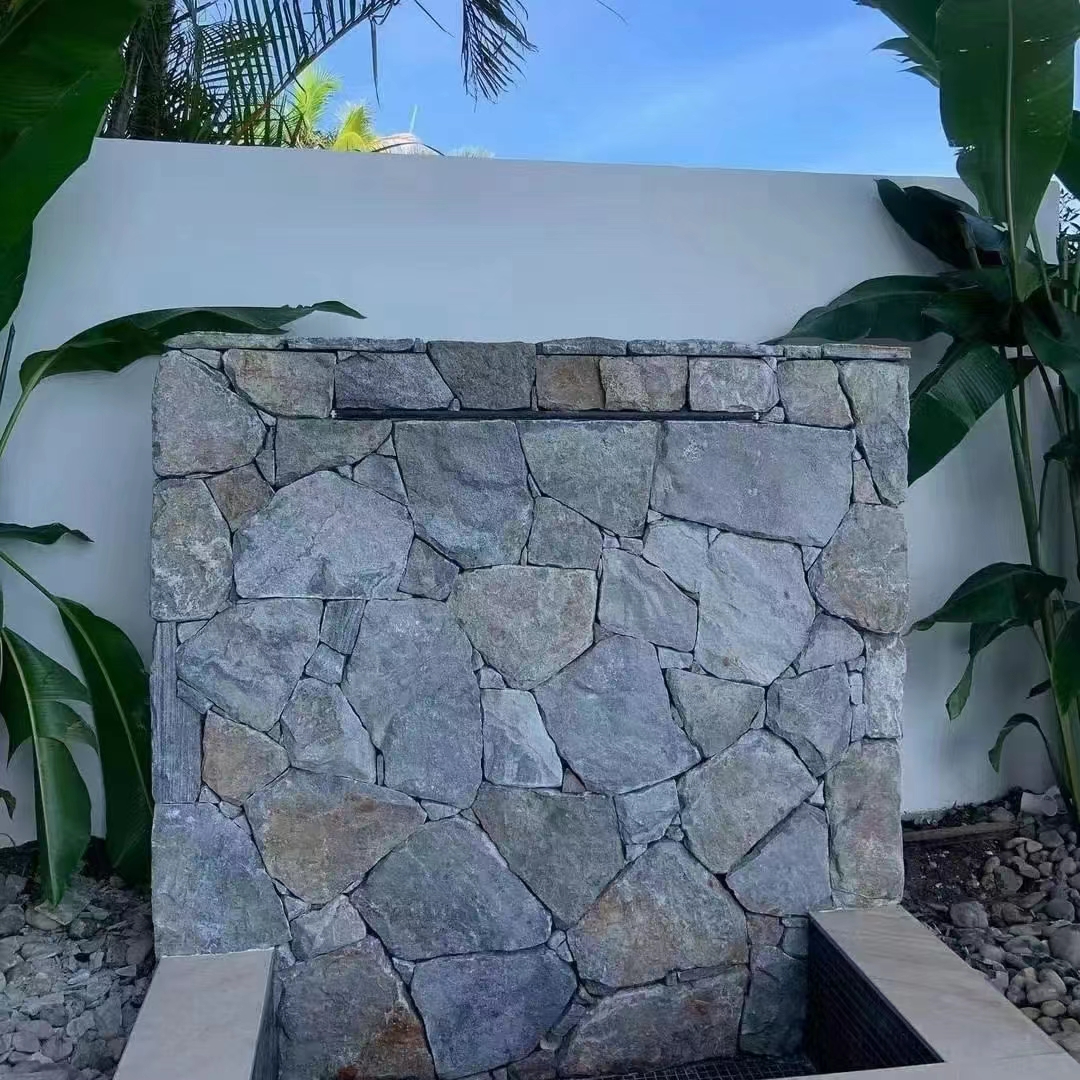
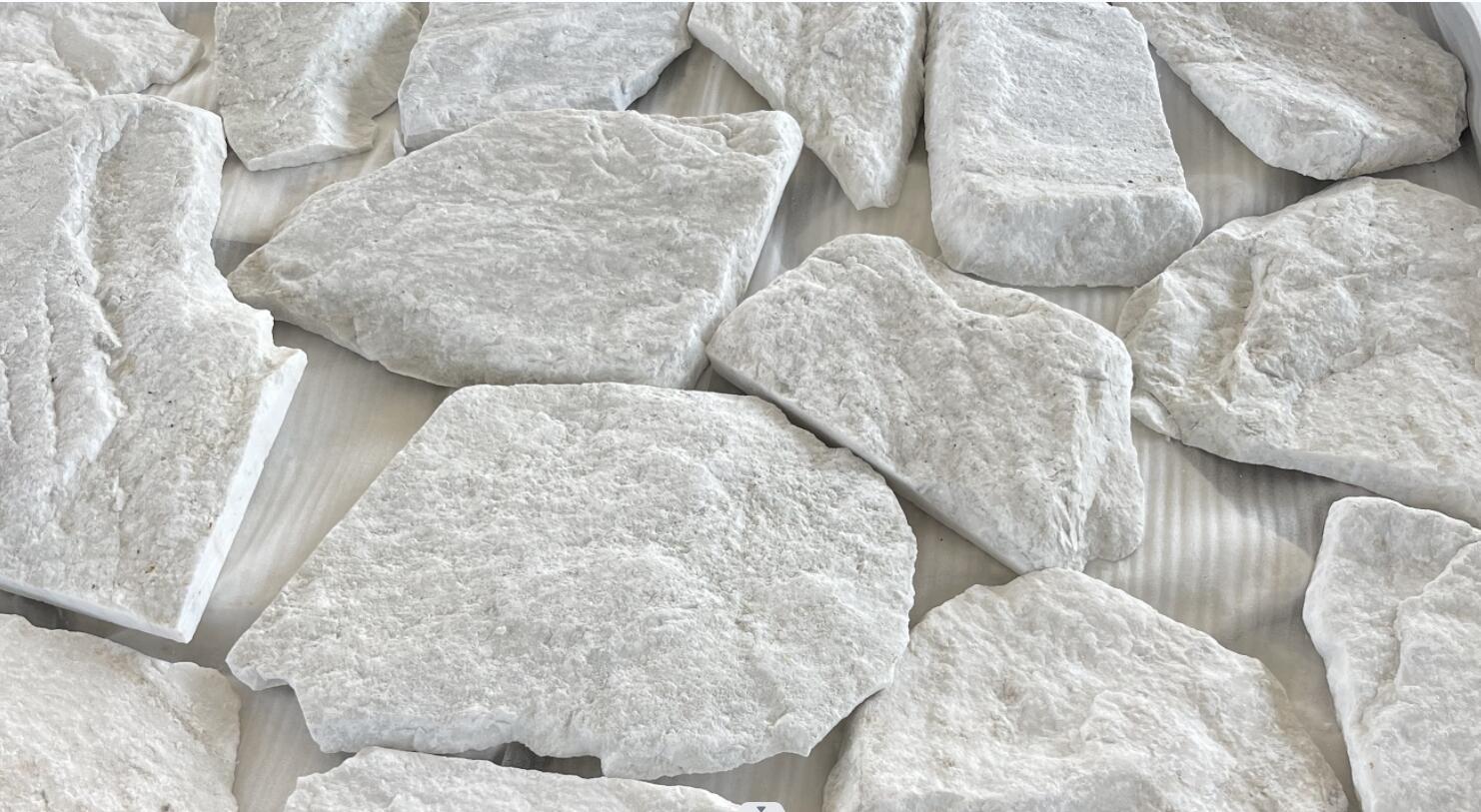
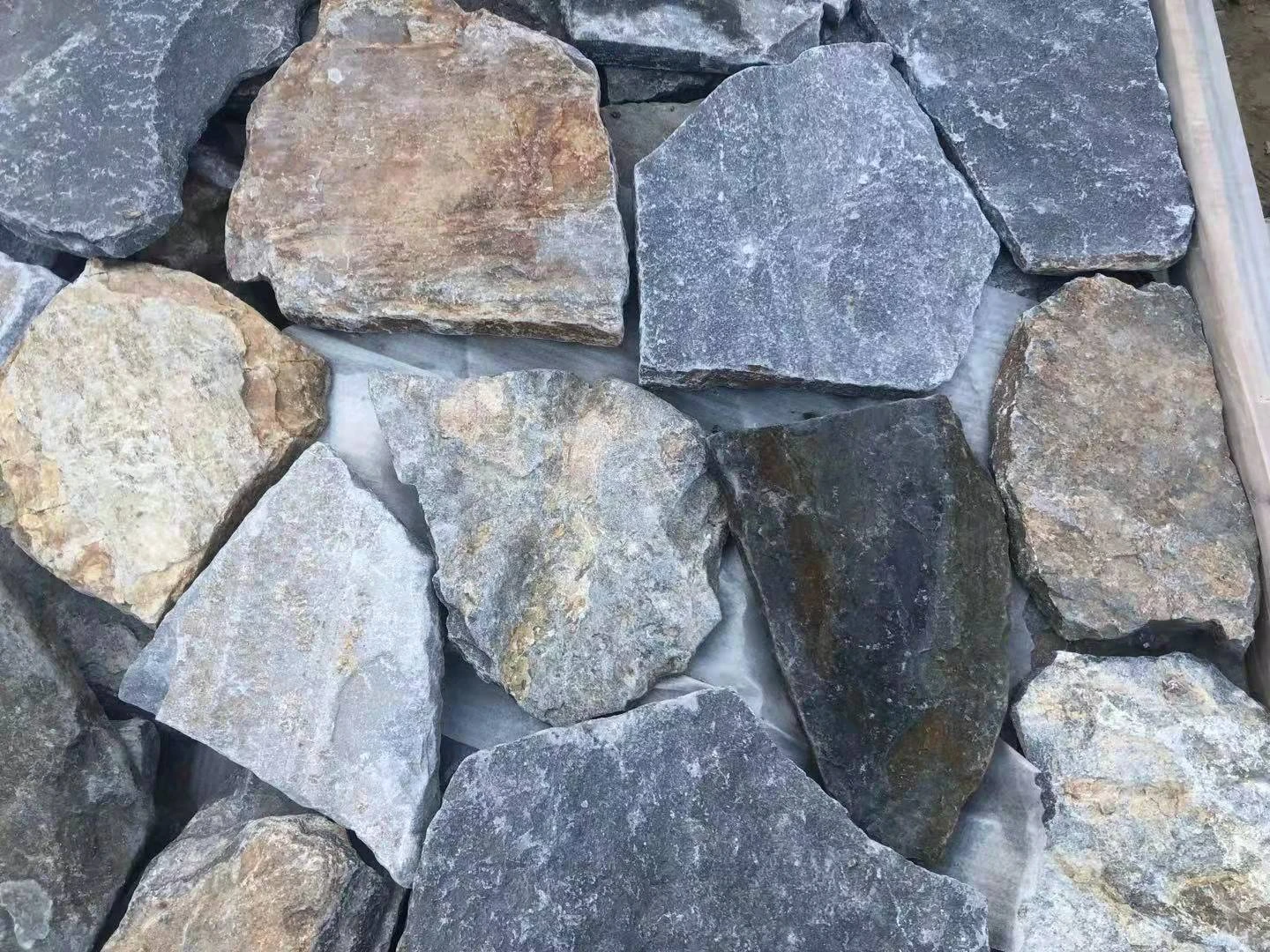
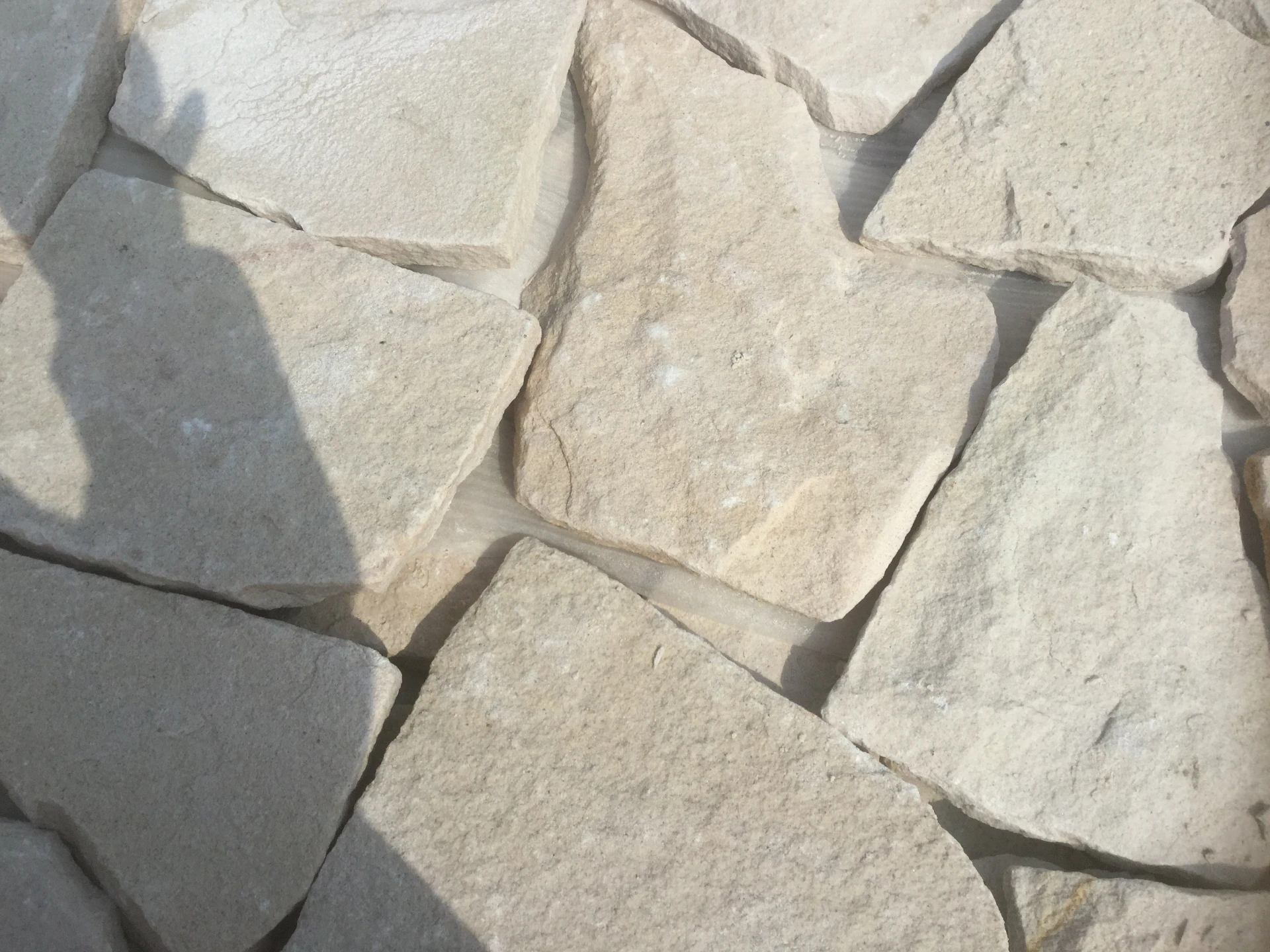
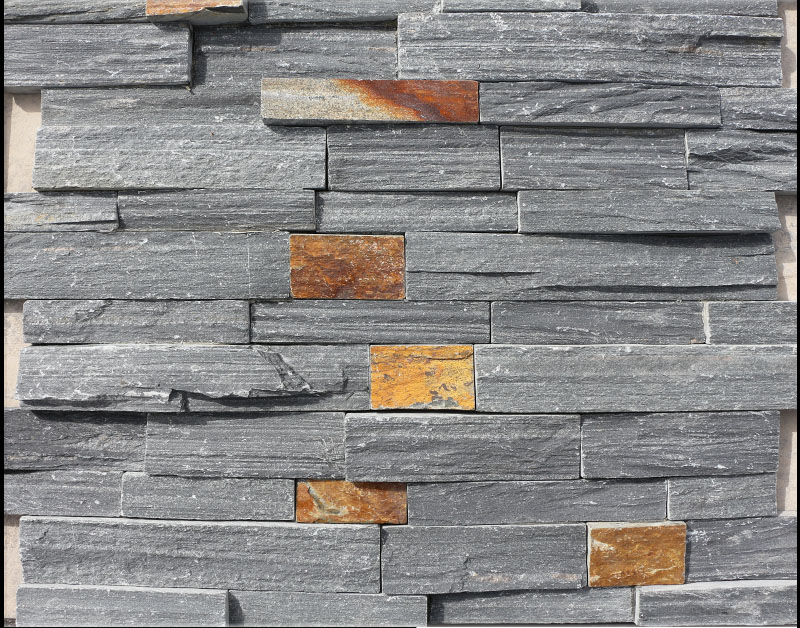
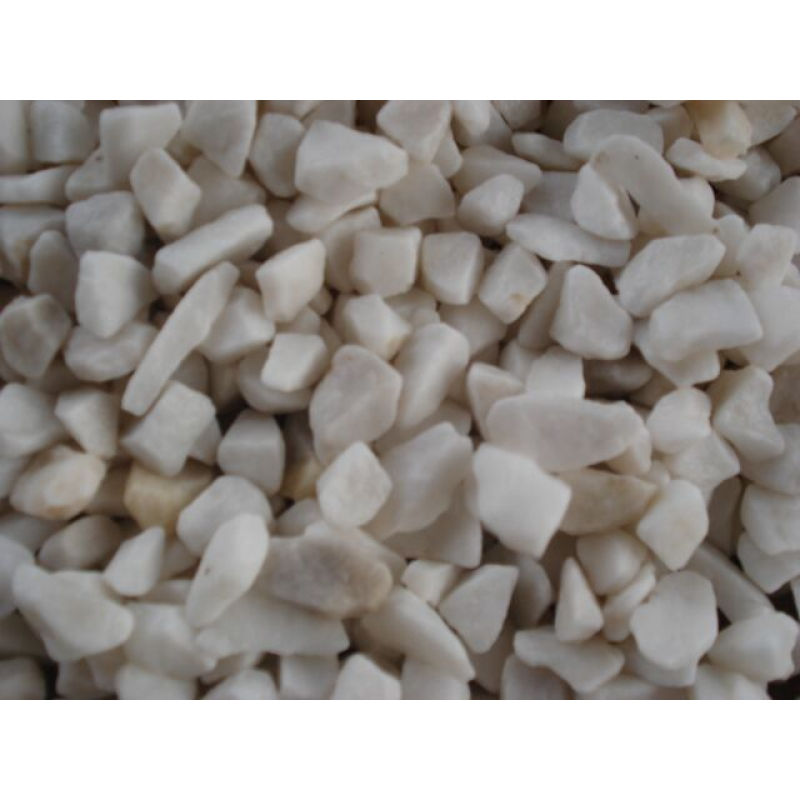
Natural stone is one of the oldest and most beautiful building materials, used for everything from fences to fireplaces and exterior siding. It’s also one of the most expensive building products. As a result, it’s no wonder that manufactured đá ốp lát (also called faux stone or cast stone) has become an appealing alternative to natural stone.
Đá nhân tạo được làm từ hỗn hợp xi măng, cốt liệu tự nhiên và bột màu. Sản phẩm cuối cùng có tính chân thực một cách thuyết phục, đặc biệt nếu khuôn được đúc từ những mảnh đá tự nhiên.
With a wide range of interior and exterior applications, manufacturer stone veneer can substantially elevate a home’s appearance and provide a solid return on investment.
Ví dụ, theo Remodeling Magazine’s 2020 Cost vs. Value Report, if you replace 300 square feet of vinyl siding running along the bottom third of a street-facing façade with manufactured stone veneer, you can expect to thu hồi gần 96 phần trăm of the project’s cost.
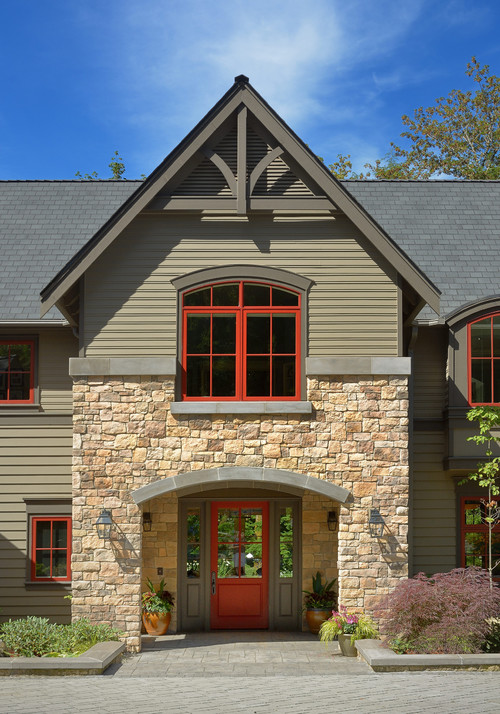
Artificial veneers are usually installed one individual “stone” at a time, using mortar. They can, however, come in small panels with several “stones” arranged together.
Artificial stone veneer siding is long-lasting and durable. Manufacturers’ warranties range from 20 to 75 years. If properly installed, faux đá ốp lát siding is maintenance-free and more fire-resistant than wood or vinyl siding.
It’s also a versatile building product. Since stone veneers are substantially lighter, they can be used in applications that would not support the weight of natural stone, including your home’s entire exterior.
Ngoài việc là một vật liệu rẻ tiền hơn, mặt dán đá nhân tạo còn có chi phí nhân công lắp đặt hợp lý hơn so với đá tự nhiên.
Không có vách ngoài nào của ngôi nhà là kín nước, và vách ngoài bằng đá nhân tạo cũng không ngoại lệ.
Các vấn đề về độ ẩm có thể xảy ra nếu vách veneer đá không được lắp đặt chính xác và nước bị mắc kẹt phía sau veneer. Các vấn đề thường gặp bao gồm vật liệu lót không phù hợp, thiếu tấm chắn sáng và không đủ keo trám kín xung quanh cửa sổ, cửa ra vào, lỗ thông hơi và các phần cắt khác.
Việc lắp đặt kém có thể dẫn đến các vấn đề nghiêm trọng, bao gồm rò rỉ nước, tích tụ độ ẩm giữa các bức tường bên ngoài và bên trong, nấm mốc, mục nát gỗ và hư hỏng cấu trúc. Việc lắp đặt không đúng cách có thể dẫn đến việc sửa chữa hàng ngàn đô la.
Về mặt chi phí, veneer đá nhân tạo rẻ hơn đá tự nhiên, nhưng nó vẫn có giá cao hơn đáng kể so với nhựa vinyl và một số loại vách ngoài khác.
If you’re interested in buying a home that is partially or fully sided with manufactured stone veneer, make sure a reputable home inspector tests for moisture levels behind the veneer before purchasing. By the time problems surface, the damage can be extensive and expensive to correct.
If you want to update your current home’s curb appeal with faux stone, learn more about common issues with flashing, water retention, and joint sealants around windows, doors, and vents so you can discuss this with your contractor. The Masonry Veneer Manufacturers Association offers a detailed hướng dẫn cài đặt.
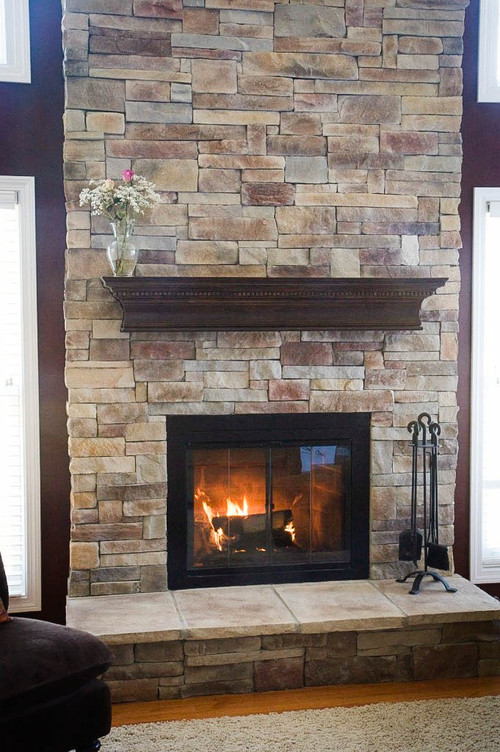
Veneers đá cũng là một lựa chọn tuyệt vời cho nhiều dự án nội thất thân thiện với DIY. Hãy cân nhắc sử dụng nó cho các bức tường tạo điểm nhấn, tấm ốp lưng nhà bếp hoặc để nâng cấp mặt tiền lò sưởi nhàm chán.
 Người châu Phi
  tiếng Albania
  tiếng Amharic
  tiếng Ả Rập
  tiếng Armenia
  Tiếng Azerbaijan
  Tiếng Basque
  Người Belarus
  tiếng Bengali
  tiếng Bosnia
  tiếng Bungari
  tiếng Catalan
  Cebuano
  Trung Quốc
  Trung Quốc (Đài Loan)
  Corsican
  tiếng Croatia
  tiếng Séc
  người Đan Mạch
  tiếng Hà Lan
  Tiếng Anh
  Quốc tế ngữ
  tiếng Estonia
  tiếng Phần Lan
  người Pháp
  tiếng Frisia
  tiếng Galicia
  tiếng Gruzia
  tiếng Đức
  người Hy Lạp
  Gujarati
  Tiếng Creole Haiti
  hausa
hausa  người Hawaii
  tiếng Do Thái
  Không
Không  Miêu
Miêu  người Hungary
  tiếng Iceland
  igbo
igbo  tiếng Indonesia
  người Ailen
  người Ý
  tiếng Nhật
  tiếng Java
  tiếng Kannada
  tiếng Kazakhstan
  tiếng Khmer
  người Rwanda
  Hàn Quốc
  người Kurd
  Tiếng Kyrgyzstan
  Lao
Lao  Latin
Latin  tiếng Latvia
  tiếng Litva
  Tiếng Luxembourg
  Tiếng Macedonia
  Malgashi
  Mã Lai
  Mã Lai
  cây nho
  người Maori
  Tiếng Marathi
  tiếng Mông Cổ
  Myanmar
  tiếng Nepal
  người Na Uy
  người Na Uy
  tiếng Occitan
  Tiếng Pa-tô
  tiếng Ba Tư
  Đánh bóng
  tiếng Bồ Đào Nha
  Tiếng Punjab
  người Rumani
  tiếng Nga
  Tiếng Samoa
  Tiếng Gaelic của Scotland
  tiếng Serbia
  Tiếng Anh
  Shona
Shona  tiếng Sindhi
  Sinhala
  Tiếng Slovak
  tiếng Slovenia
  tiếng Somali
  người Tây Ban Nha
  Tiếng Sundan
  tiếng Swahili
  tiếng Thụy Điển
  Tagalog
  Tiếng Tajik
  Tiếng Tamil
  Tatar
Tatar  tiếng Telugu
  tiếng Thái
  tiếng Thổ Nhĩ Kỳ
  người Thổ Nhĩ Kỳ
  tiếng Ukraina
  tiếng Urdu
  người Duy Ngô Nhĩ
  tiếng Uzbek
  Tiếng Việt
  người xứ Wales