

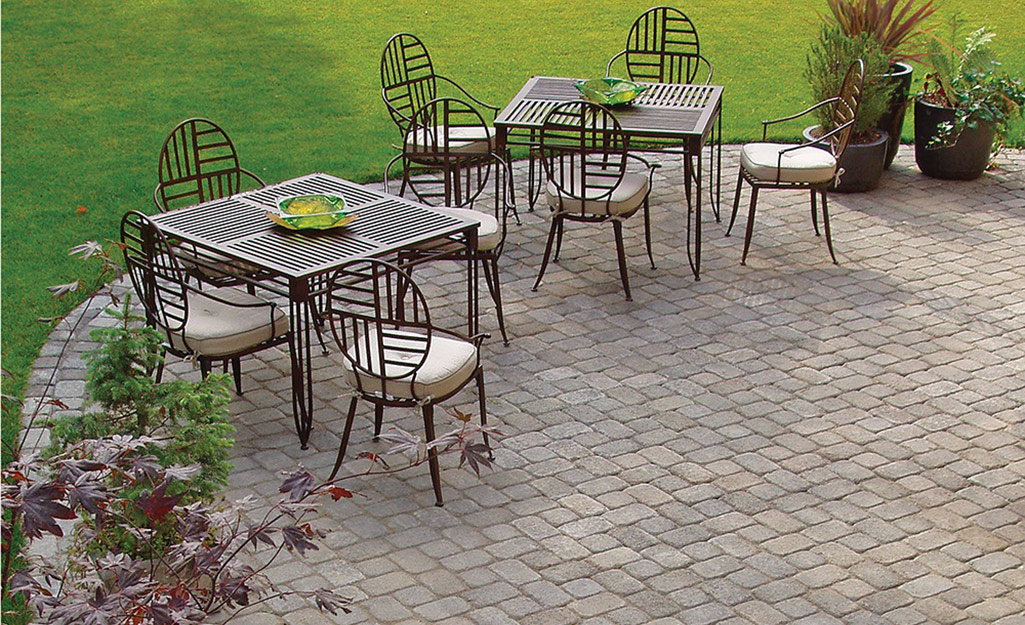
There are three main types of paver materials: natural stone, brick 和 concrete. These come in hundreds of styles and colors. Your budget and where you want to use the pavers will help you decide which type to buy.
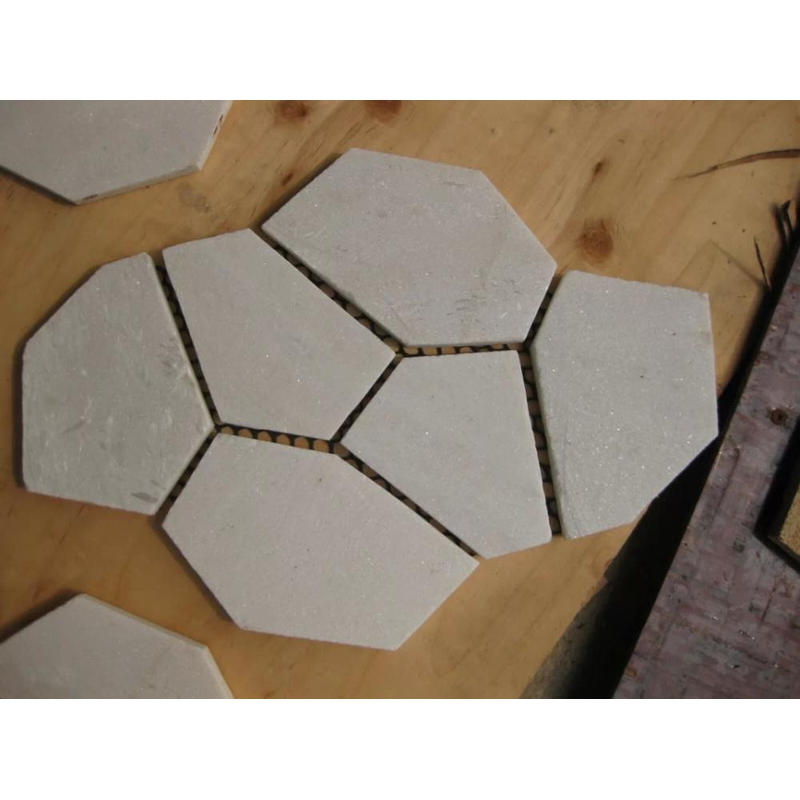
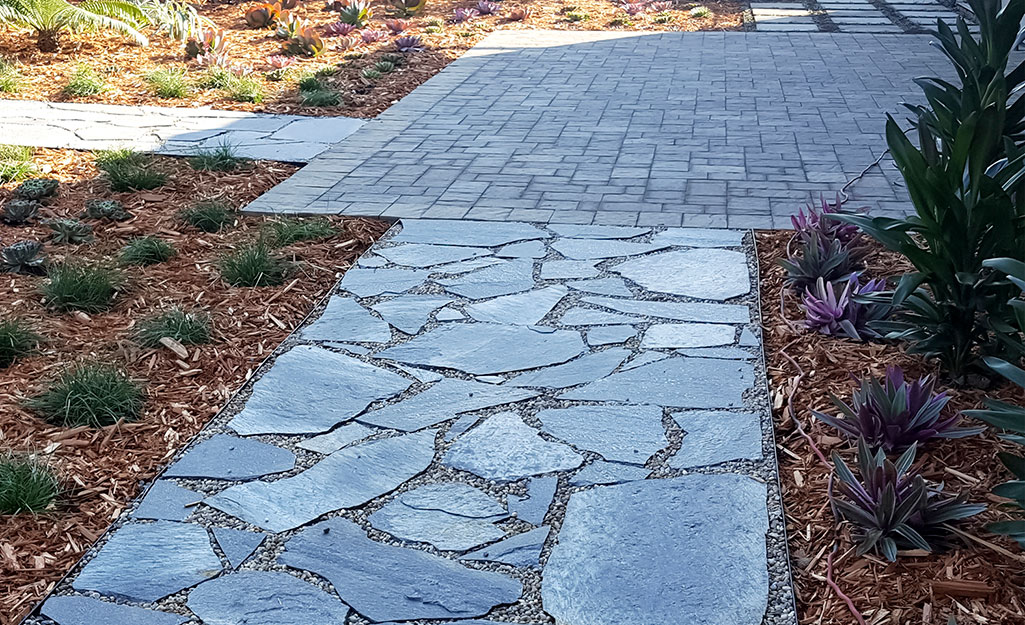
天然石材:
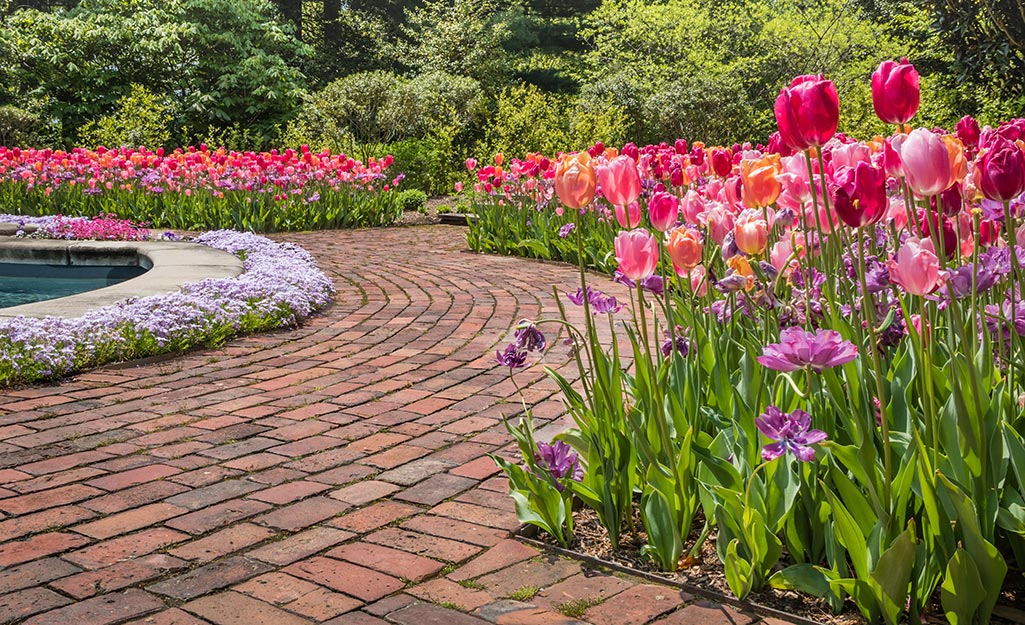
Bricks:
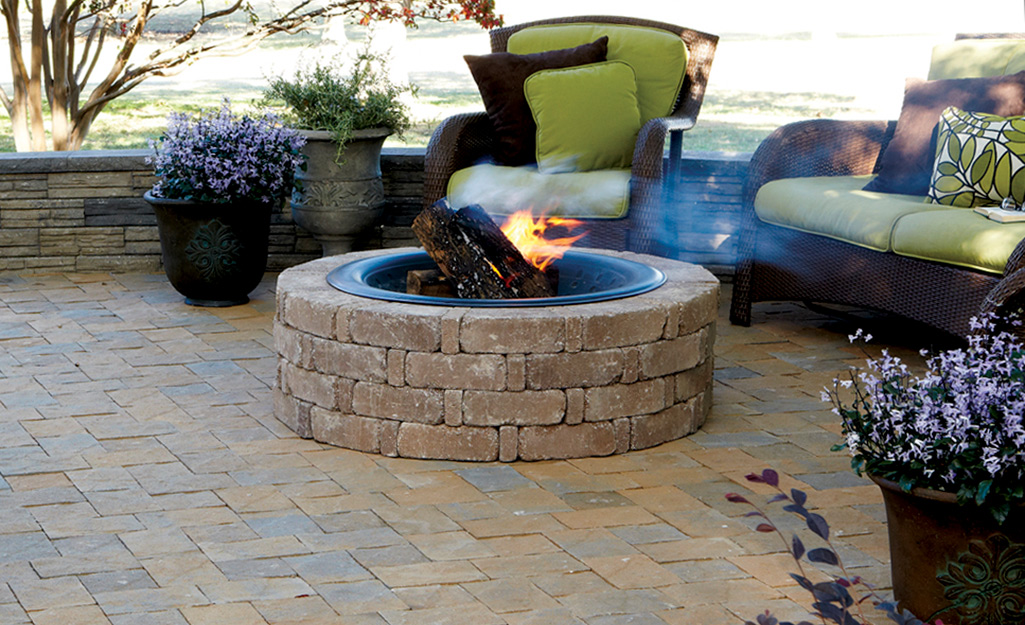
具体的:
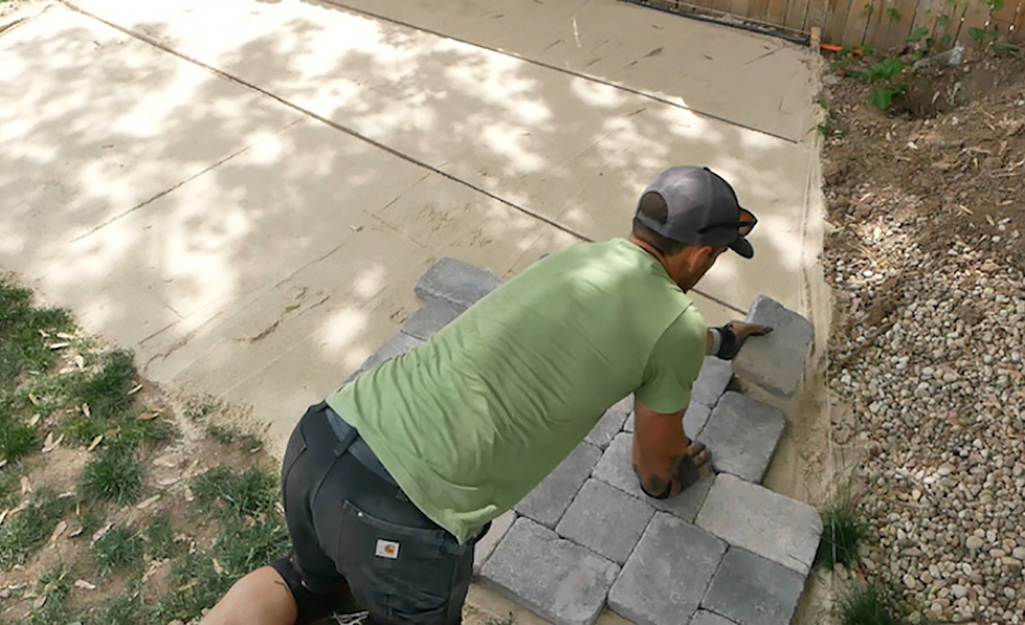
For pathways and walkways, plan for a width of at least three feet. For driveways, measure your vehicles and allow enough space with the doors open for people to move comfortably around the car.
Interlocking pavers are manufactured pavers that are easier to install. Lay them side-by-side to create neat borders that separate your lawn and garden, stack them in a low wall to make a raised bed or make a patio, walkway or other outdoor living space. You do not need mortar to achieve a tight fit between interlocking pavers.
Joints between pavers eliminate cracks that could occur in conventional concrete pavement.
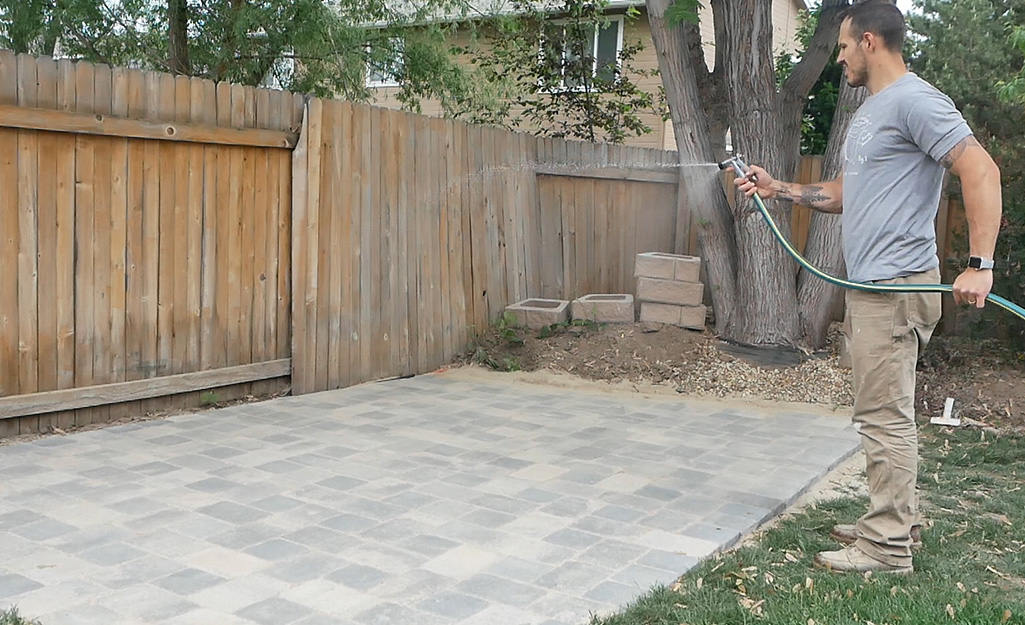
Pavers are virtually maintenance-free, although you can sweep, seal and regularly clean most types to enhance their appearance and longevity. Using a pressure washer from time to time can help keep them clean.
Sealing some types of pavers will minimize staining and help them last longer. Reseal concrete pavers every two years or so, especially in areas with heavy traffic and a lot of wear.
Clay pavers usually don't need sealing unless they regularly come in contact with grease and oil, such as around a barbecue grill or cars that leak oil.
To clean brick pavers, use water and a small amount of detergent to wash away grime.
Fix a cracked paver only if the crack is large and noticeable. It may be less expensive to replace individual pavers than to try to fix cracks.
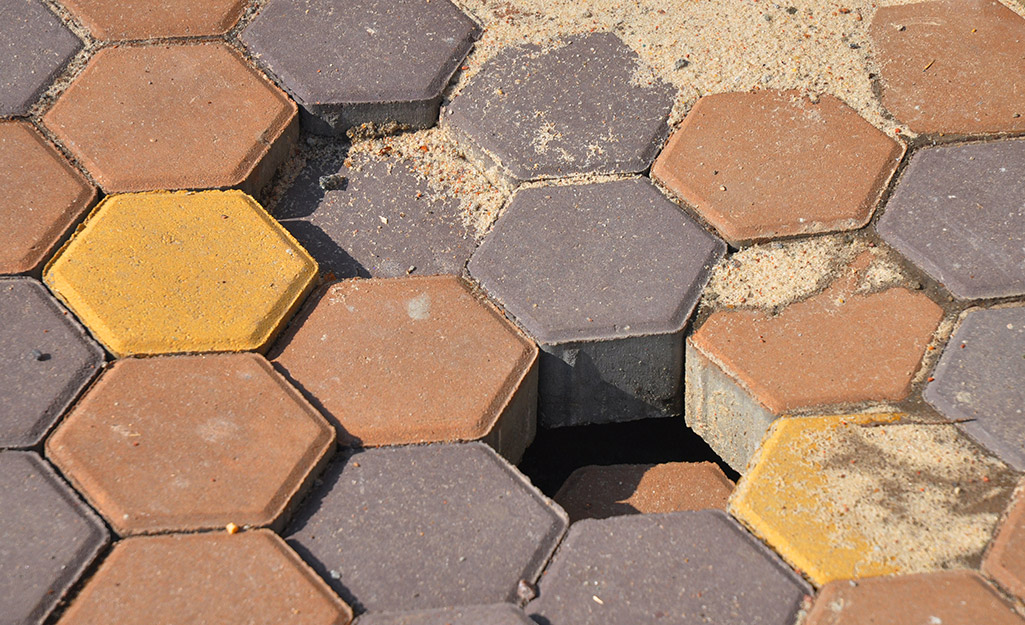
Sinking pavers can be caused by any number of problems including roots, poor drainage and even animals. Burrowing creatures such as moles, groundhogs and gophers can tunnel under paver patios and upend your paver work. Most commonly, though, the problem begins with your initial work.
The most important step to prevent sinking pavers is to get the layering of your base materials correct. Incorrectly done, this can lead to sinking pavers. However, redoing the sunken area carefully can fix this issue.
Natural stone, brick, clay and other types of pavers add beauty and value to your home. Limestone, flagstone and fieldstone are popular choices, but aren't recommended for high-traffic areas. Brick and concrete pavers are strong and durable. Rubber pavers are slip-resistant and a good choice for wet areas. Add landscaping to enhance your curb appeal or other area where you use paving materials.
 非洲人
非洲人  阿尔巴尼亚语
  阿姆哈拉语
阿姆哈拉语  阿拉伯
阿拉伯  亚美尼亚语
亚美尼亚语  阿塞拜疆语
阿塞拜疆语  巴斯克
巴斯克  白俄罗斯语
白俄罗斯语  孟加拉
孟加拉  波斯尼亚语
波斯尼亚语  保加利亚语
保加利亚语  加泰罗尼亚语
  宿务语
宿务语  中国
中国  中国(台湾)
  科西嘉岛
科西嘉岛  克罗地亚语
克罗地亚语  捷克语
捷克语  丹麦语
丹麦语  荷兰语
荷兰语  英语
英语  世界语
世界语  爱沙尼亚语
爱沙尼亚语  芬兰
芬兰  法语
法语  弗里斯兰语
弗里斯兰语  加利西亚语
加利西亚语  格鲁吉亚语
格鲁吉亚语  德语
德语  希腊语
希腊语  古吉拉特语
古吉拉特语  海地克里奥尔语
  豪萨
豪萨  夏威夷人
夏威夷人  希伯来语
希伯来语  没有
没有  苗族
苗族  匈牙利
匈牙利  冰岛的
冰岛的  伊博语
伊博语  印度尼西亚
印度尼西亚  爱尔兰语的
爱尔兰语的  意大利语
意大利语  日本人
日本人  爪哇语
爪哇语  卡纳达语
卡纳达语  哈萨克语
哈萨克语  高棉语
高棉语  卢旺达
卢旺达  韩国人
韩国人  库尔德
库尔德  吉尔吉斯斯坦
  结核病
结核病  拉丁
拉丁  拉脱维亚语
拉脱维亚语  立陶宛语
立陶宛语  卢森堡语
卢森堡语  马其顿语
马其顿语  马尔加什
马尔加什  马来语
马来语  马拉雅拉姆语
  马耳他语
马耳他语  毛利人
毛利人  马拉地语
马拉地语  蒙
蒙  缅甸
缅甸  尼泊尔语
尼泊尔语  挪威
挪威  挪威
挪威  奥克语
奥克语  普什图语
普什图语  波斯语
波斯语  抛光
抛光  葡萄牙语
葡萄牙语  旁遮普语
旁遮普语  罗马尼亚语
罗马尼亚语  俄语
俄语  萨摩亚人
萨摩亚人  苏格兰盖尔语
  塞尔维亚
塞尔维亚  英语
英语  绍纳语
绍纳语  信德语
信德语  僧伽罗语
僧伽罗语  斯洛伐克语
斯洛伐克语  斯洛文尼亚语
  索马里
索马里  西班牙语
西班牙语  巽他语
巽他语  斯瓦希里语
斯瓦希里语  瑞典
瑞典  他加禄语
他加禄语  塔吉克
塔吉克  泰米尔语
泰米尔语  鞑靼人
鞑靼人  泰卢固语
泰卢固语  泰国
泰国  土耳其
土耳其  土库曼语
土库曼语  乌克兰
乌克兰  乌尔都语
乌尔都语  维吾尔
维吾尔  乌兹别克语
乌兹别克语  越南语
越南语  威尔士语
威尔士语 




