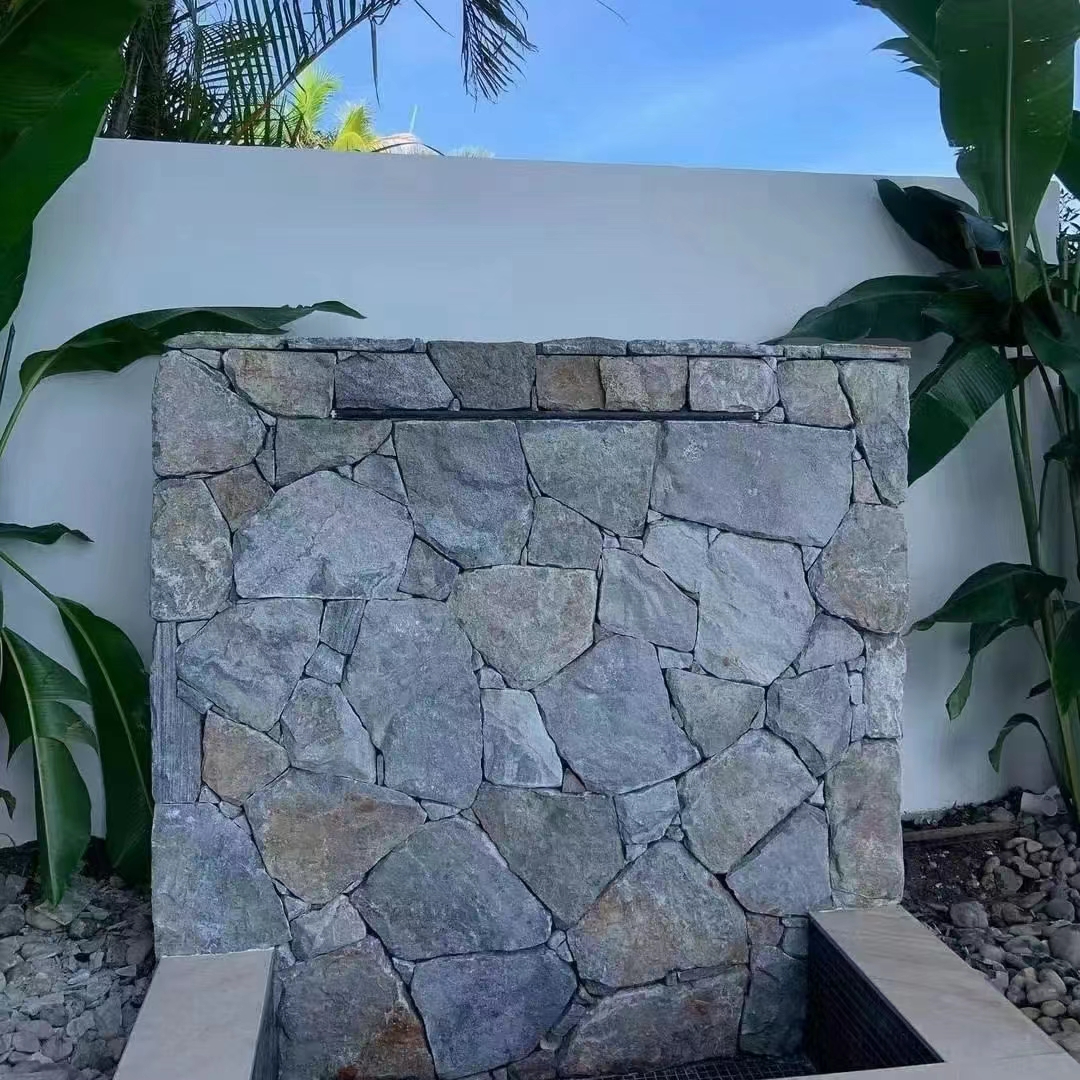
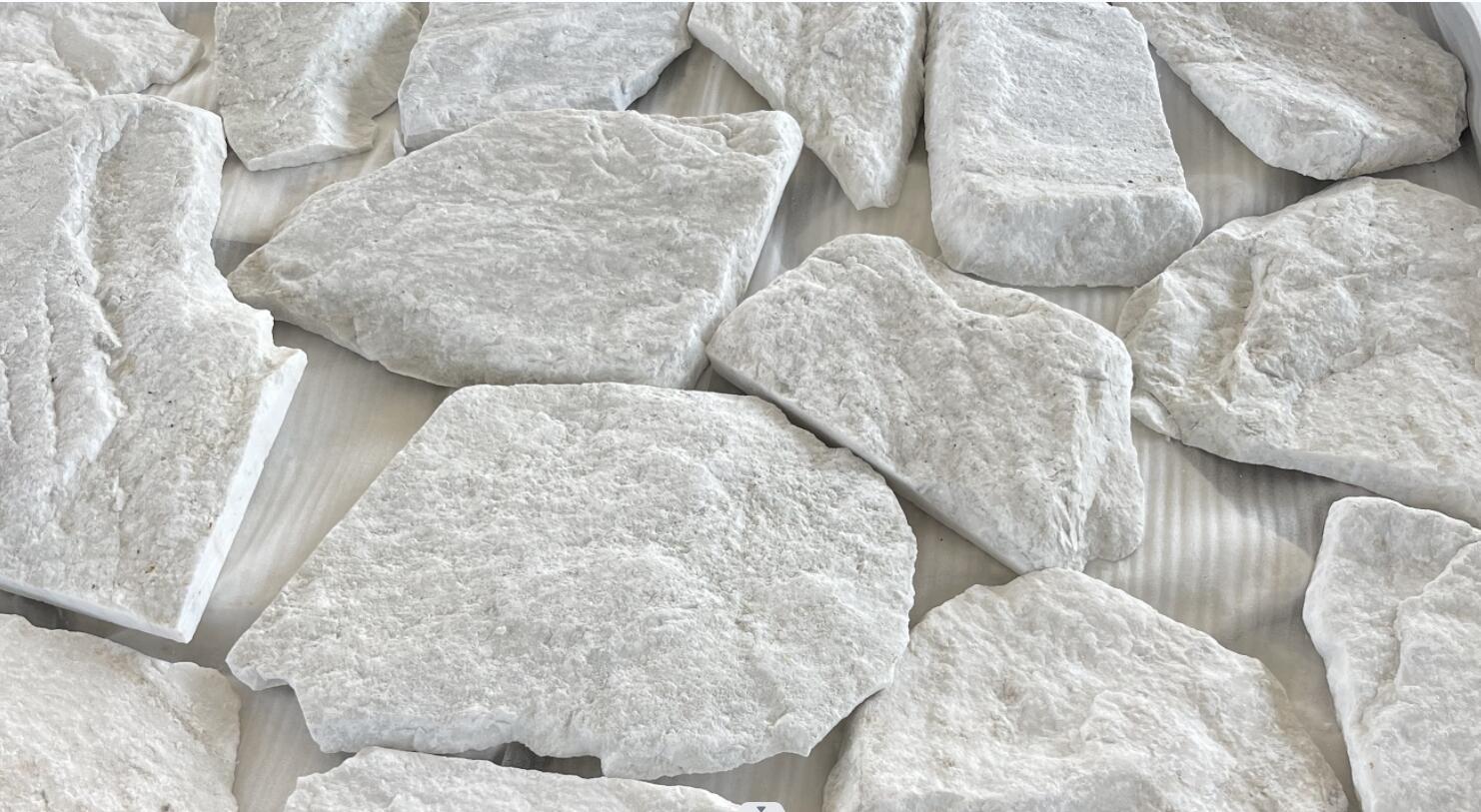
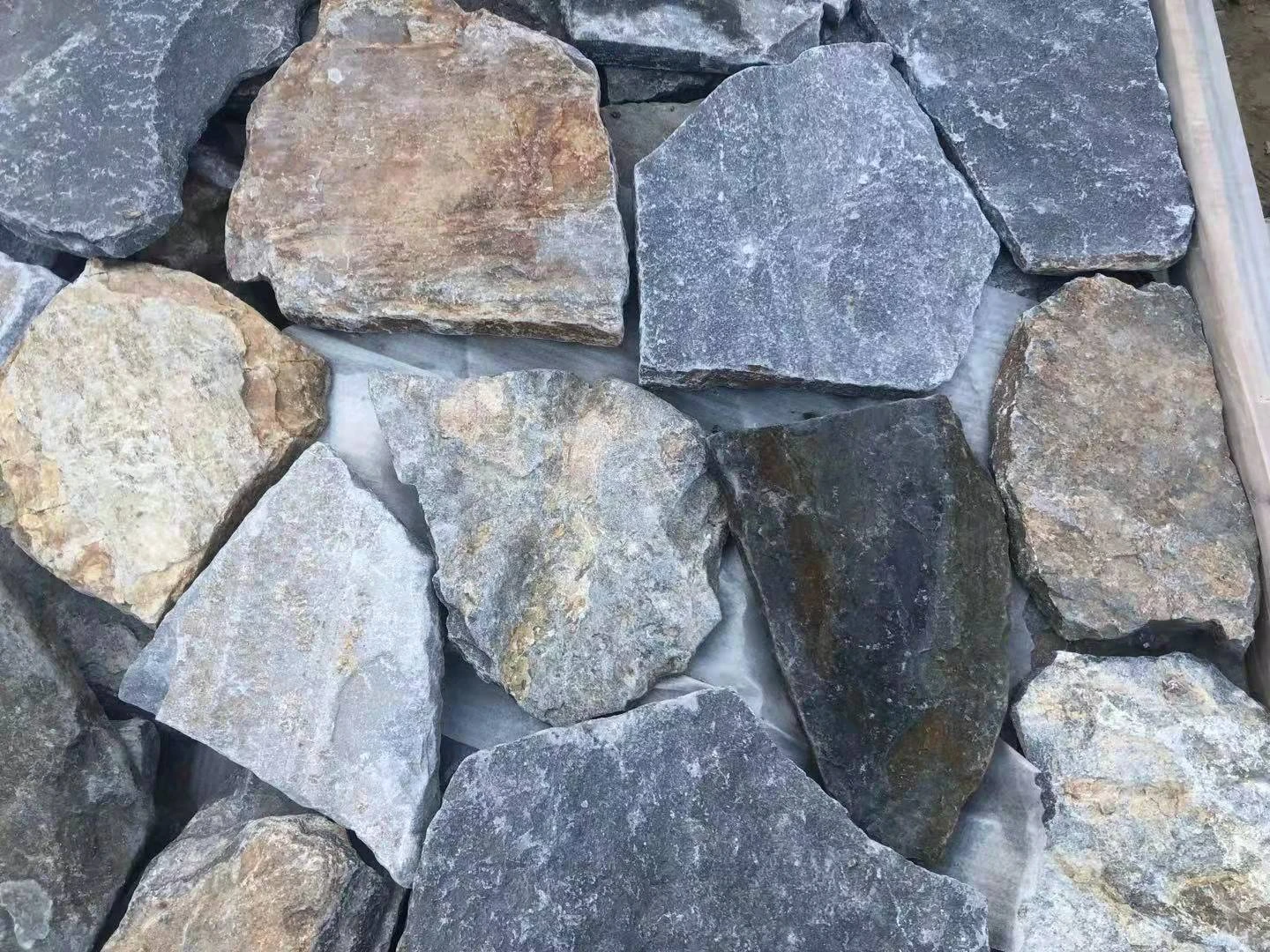
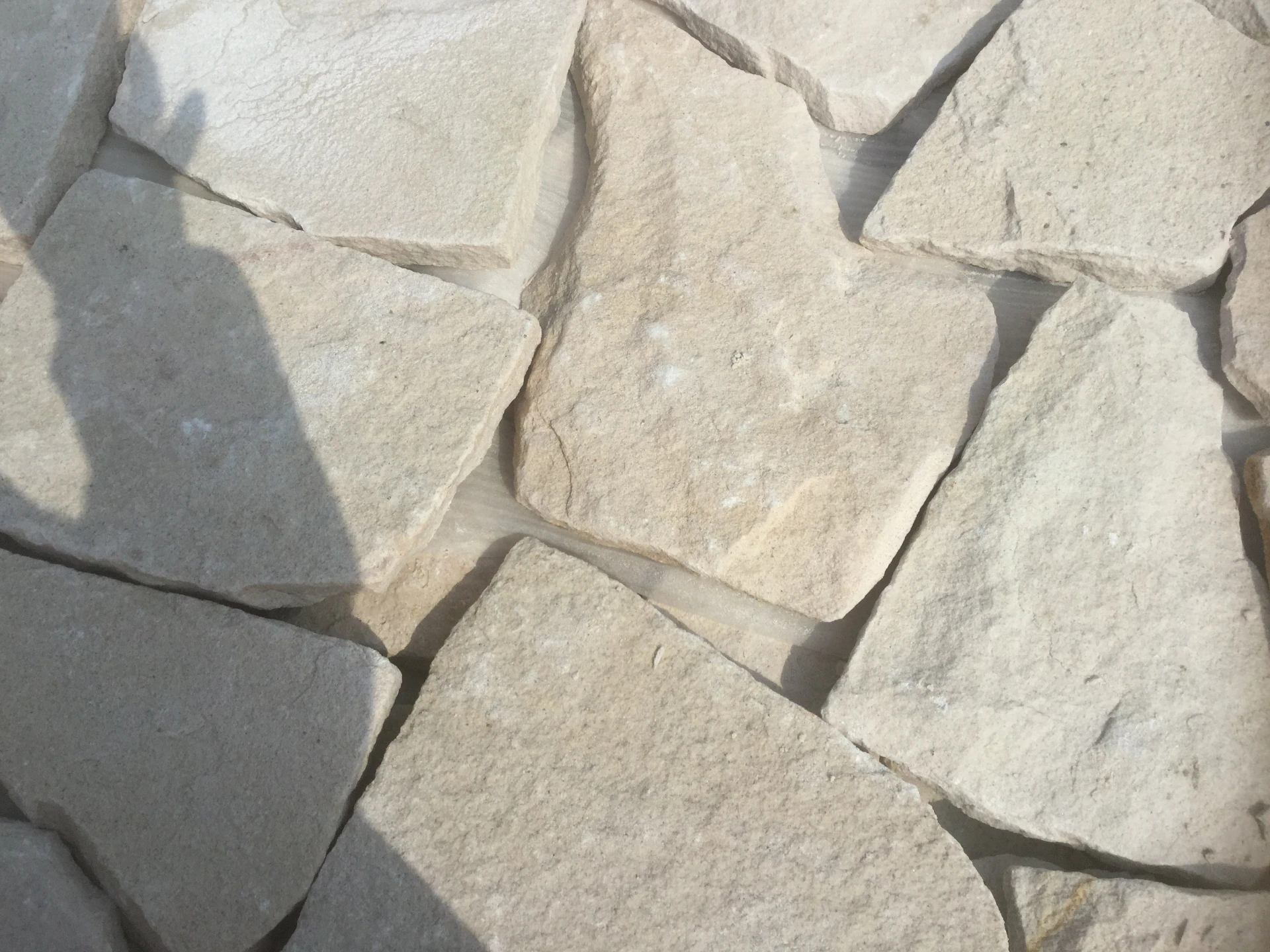
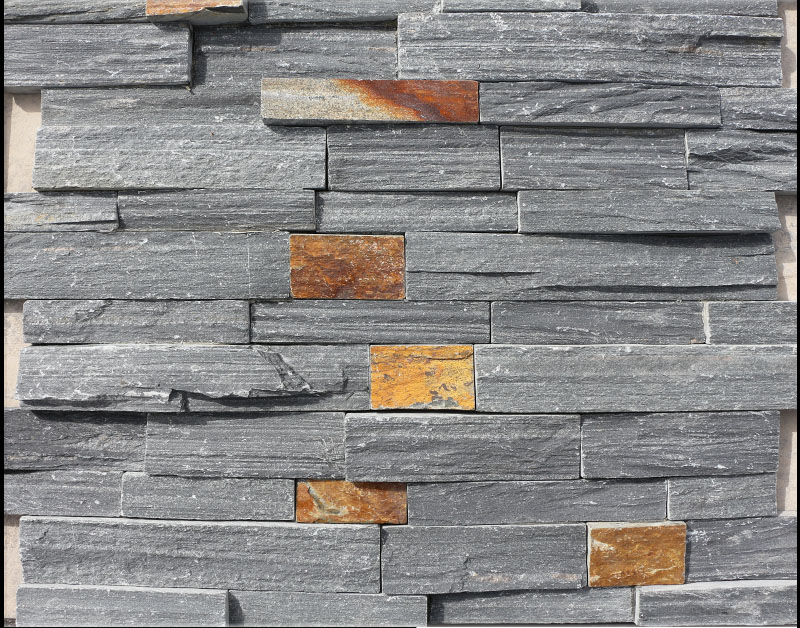
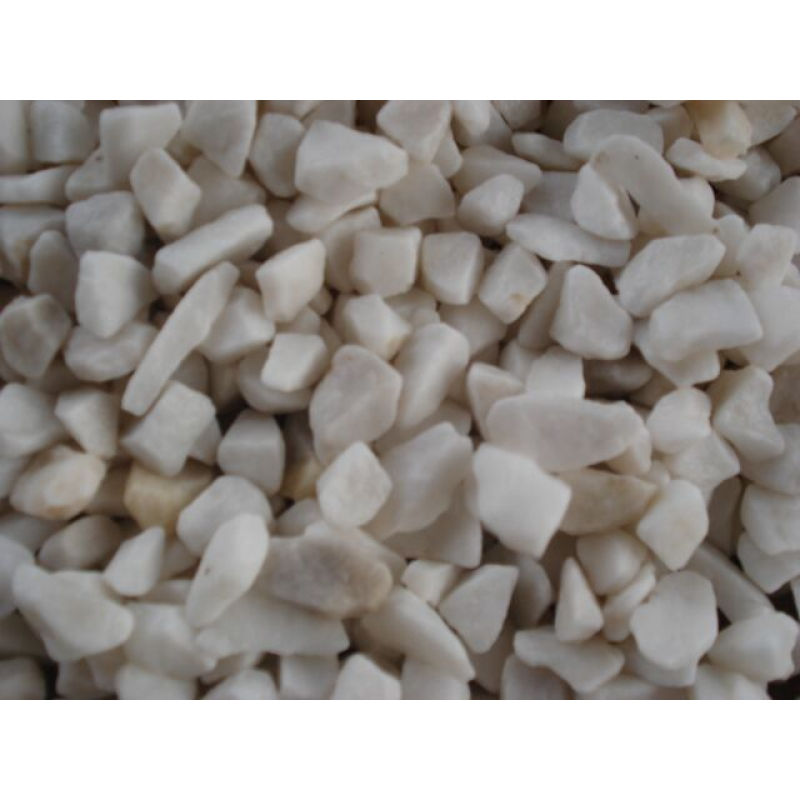
While design trends come and go, natural 石头 remains a timeless and flexible option for many exterior applications including cladding, paving, and hardscapes. This is due to the variety of natural stone types available that are beautiful, durable, and versatile. No wonder so many manmade materials try to emulate or replicate these characteristics and qualities.
It is important to know how the material chosen for an exterior project will perform under a variety of circumstances, conditions, and uses. It is also essential to understand how natural stone compares to manmade materials used for the same applications in order to select the material that will perform the best. At the same time, knowing how the material impacts the environment will ensure that you are choosing the most sustainable material for the application.

A material’s optimal performance is based on a combination of the attributes of the material itself, how the material is installed, and the conditions to which it is exposed. There are many different issues to consider:
Performance attributes should be addressed no matter what material you’re considering or what type of project you’re working on. These factors play an even more important role in sustainability and in the long-term performance of the material. Let’s examine how natural stone stacks up to manmade materials from the perspective of these performance objectives.

Cladding and Veneer
The possibilities for natural stone cladding and veneer are endless. Limestone, granite, marble, travertine, basalt, slate, quartzite, and sandstone are among the many options. These stones are versatile, meaning they can be cut and finished into different shapes, textures, and patterns, creating a cohesive aesthetic. Many stones are durable in extreme weather conditions. When discussing vertical stone applications, the installation standards and techniques can make even vulnerable stones durable. Most stones have a long life span. Light colored stones have a high solar reflectance index, meaning they will reflect the sun well, reducing heat gain on the building or site. Stone also has a low embodied energy, an important consideration for sustainability requirements. This is because natural stone was created by the Earth and very little energy or additional resources are needed to quarry, fabricate, and finish it. Some stones are porous and may stain if subjected to contaminates over time. Depending on the stone’s mineral composition it may be susceptible to the effects of acid rain. Natural stone may sometimes have a higher initial cost than manmade materials, but it often proves to be the most cost-effective choice because it lasts so long. This is especially true because natural stone can also be refinished, repaired, restored, or recycled.
Manmade materials including porcelain, concrete, GFRC panels, metal, and terracotta are also options for exterior cladding. Concrete and porcelain are durable and UV stable; good choices for the exterior and the exposure to sunlight and the elements they must withstand. However, these materials do not typically last as long as stone. Concrete, in the form of cast stone and cultured stone, is often tinted and can fade heavily from sunlight/UV exposure. Some manufacturers are improving the color fastness of cultured stone, but that adds chemicals and cost to the final product. Some manmade materials can also sometimes look flat since they are often made to be uniform in appearance and lack the natural veining and textures of natural stone. Most of them also have a high embodied energy because they require a wide range of other materials and energy intensive processes to be manufactured.


Paving
Natural stones including granite, sandstone, basalt, limestone, slate, travertine, marble, and porphyry are good options for paving. Again, one of the main performance aspects of using natural stone in this manner is its incredible durability. Surfaces can also be finished for slip-resistance and design options abound with more edging, pattern, surface texture, and color than manmade surfaces. Many natural stones perform very well in freeze/thaw environments and conditions. In some cases, natural stone will cost less than porcelain or concrete imitations. Once again, the low embodied energy of natural stone makes it a great option for meeting sustainability goals. The installation of natural stone may be more costly than some manmade materials and it may need to be sealed, depending on the type of stone, location, and environmental conditions. However, as mentioned previously, natural stone’s long life cycle makes it a very cost-effective choice.
Concrete, clay, and porcelain are among the manmade materials used for paving. A few of the pros of using these materials include the possibility of lower replacement and maintenance costs for concrete, and that porcelain is UV stable. There are limited texture options for concrete, which can contribute to a lower cost for the material. Quite often though, concrete fades and the material takes on a very aggregate-like appearance and will lose its color. New technologies are improving surface wear, color fastness, texture, and stain resistance. However, these add quite a bit to the cost and in some cases will make it more expensive than natural stone. For clay, the use of sand mold and wire cut production methods will yield a paver that has a high absorption rate and may have significant issues with salts and efflorescence. These pavers require a more costly installation process due to their larger sizing tolerance issues created by the moisture and firing process. There are pavers created with a compressed production process which perform better but still have performance issues and are not as durable as most natural stones. High fired or vitrified clay pavers can be very hard and durable, but also very brittle. Porcelain behaves like glass and can also be very brittle, especially in a dry set application in a freeze thaw environment, so it will need to be set with spacers to protect itself in the winter. Porcelain has no absorption, so water will just sit on the surface. The water needs to evaporate or surface drain, so in the winter this can create a very slick surface and be dangerous. These products also have high embodied energy, which creates a negative impact on the environment.

Natural stone has demonstrated considerable durability in local and regional environments and applications. In many cases, these have lasted for hundreds of years, even millennia. Most manmade materials have not been around long enough to demonstrate that level of performance. The qualities of longevity and durability have proven that natural stone is also a great choice for meeting green building goals. The initial material and installation costs are offset by the long life expectancy and low maintenance requirements. Little to no cleaning or chemicals are required to maintain the material and as mentioned, natural stone can also be refinished, repaired, restored, or recycled. Natural stone is 100% natural. Engineered quartz, concrete, and porcelain require many different materials including chemicals to be manufactured and many of them are not recyclable.
So, as Oscar Wilde once said: “Imitation is the sincerest form of flattery that mediocrity can pay to greatness.” Choose natural stone and you will be contributing to the long legacy of great, high-performing, sustainable projects in the world.
 非洲人
非洲人  阿尔巴尼亚语
  阿姆哈拉语
阿姆哈拉语  阿拉伯
阿拉伯  亚美尼亚语
亚美尼亚语  阿塞拜疆语
阿塞拜疆语  巴斯克
巴斯克  白俄罗斯语
白俄罗斯语  孟加拉
孟加拉  波斯尼亚语
波斯尼亚语  保加利亚语
保加利亚语  加泰罗尼亚语
  宿务语
宿务语  中国
中国  中国(台湾)
  科西嘉岛
科西嘉岛  克罗地亚语
克罗地亚语  捷克语
捷克语  丹麦语
丹麦语  荷兰语
荷兰语  英语
英语  世界语
世界语  爱沙尼亚语
爱沙尼亚语  芬兰
芬兰  法语
法语  弗里斯兰语
弗里斯兰语  加利西亚语
加利西亚语  格鲁吉亚语
格鲁吉亚语  德语
德语  希腊语
希腊语  古吉拉特语
古吉拉特语  海地克里奥尔语
  豪萨
豪萨  夏威夷人
夏威夷人  希伯来语
希伯来语  没有
没有  苗族
苗族  匈牙利
匈牙利  冰岛的
冰岛的  伊博语
伊博语  印度尼西亚
印度尼西亚  爱尔兰语的
爱尔兰语的  意大利语
意大利语  日本人
日本人  爪哇语
爪哇语  卡纳达语
卡纳达语  哈萨克语
哈萨克语  高棉语
高棉语  卢旺达
卢旺达  韩国人
韩国人  库尔德
库尔德  吉尔吉斯斯坦
  结核病
结核病  拉丁
拉丁  拉脱维亚语
拉脱维亚语  立陶宛语
立陶宛语  卢森堡语
卢森堡语  马其顿语
马其顿语  马尔加什
马尔加什  马来语
马来语  马拉雅拉姆语
  马耳他语
马耳他语  毛利人
毛利人  马拉地语
马拉地语  蒙
蒙  缅甸
缅甸  尼泊尔语
尼泊尔语  挪威
挪威  挪威
挪威  奥克语
奥克语  普什图语
普什图语  波斯语
波斯语  抛光
抛光  葡萄牙语
葡萄牙语  旁遮普语
旁遮普语  罗马尼亚语
罗马尼亚语  俄语
俄语  萨摩亚人
萨摩亚人  苏格兰盖尔语
  塞尔维亚
塞尔维亚  英语
英语  绍纳语
绍纳语  信德语
信德语  僧伽罗语
僧伽罗语  斯洛伐克语
斯洛伐克语  斯洛文尼亚语
  索马里
索马里  西班牙语
西班牙语  巽他语
巽他语  斯瓦希里语
斯瓦希里语  瑞典
瑞典  他加禄语
他加禄语  塔吉克
塔吉克  泰米尔语
泰米尔语  鞑靼人
鞑靼人  泰卢固语
泰卢固语  泰国
泰国  土耳其
土耳其  土库曼语
土库曼语  乌克兰
乌克兰  乌尔都语
乌尔都语  维吾尔
维吾尔  乌兹别克语
乌兹别克语  越南语
越南语  威尔士语
威尔士语