

WHAT IS MANUFACTURED STONE VENEER?
Manufactured Stone veneer, often referred to as manufactured stone, cultured stone, and architectural stone, is designed to replicate the look and feel of natural stone. To make stone veneer, manufacturers mix concrete with other additives, curing them in textured molds to look like natural stone. The cement provides stability, while the various additives provide lasting pigment. Generally, natural stone comes in two sizes: full blocks and veneer-style covers. When considering manufactured stone veneer vs. natural stone, the main difference is the weight. Natural stone is much heavier than manufactured stone veneer. Learn more about manufactured stone veneer here.
THE PROS AND CONS OF MANUFACTURED STONE VENEER
When comparing manufactured stone veneer vs. natural stone, note that natural stone comes from the earth, while MSV is an artificial material. Many builders choose manufactured stone for outdoor and interior projects, such as facades, fireplaces, and architectural details to add a natural element to their designs.
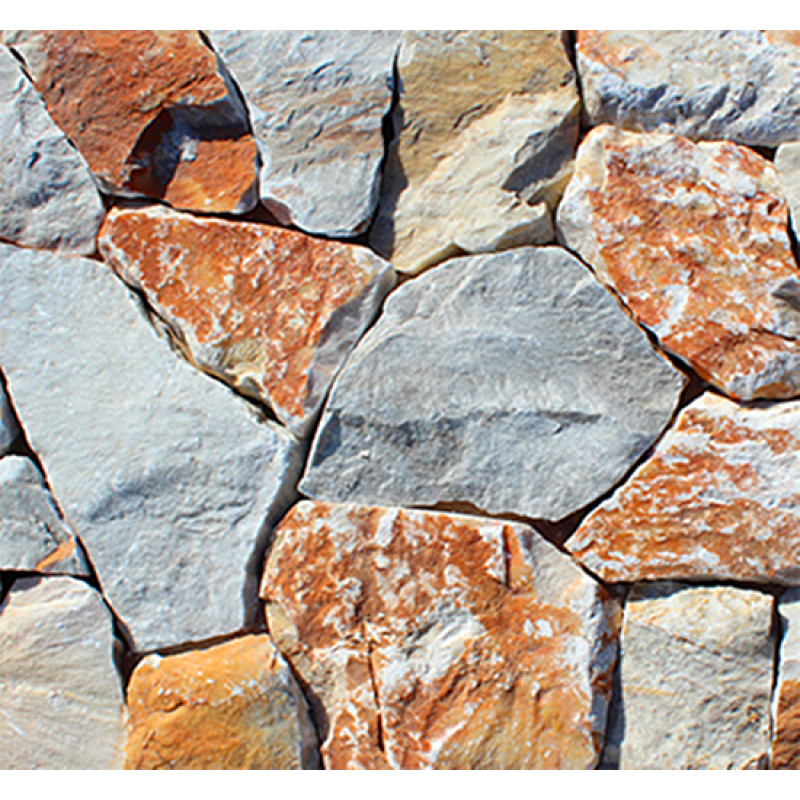
THE PROS OF MANUFACTURED STONE VENEER
Manufactured stone veneer can be produced in various shapes, profiles, and sizes. This allows for stone veneer styles that reflect unique regional character and current design trends. Likewise, manufactured stone veneer tends to be lighter and easier to handle and cut than natural stone. While you can cut through natural stone, veneers will give you far less trouble. Where natural stone can be hard to source, man-made products are more accessible.
Accessibility: MSV is generally less resource intensive. It requires less environmentally invasive sourcing methods and is oftentimes far more cost-effective to manufacture and install. Natural stone, on the other hand, has to be harvested . First, the machinery must be brought in to cut the good parts of the stone; then, the natural stone must be cleaned with harsh chemicals before it can be used in masonry applications.
耐用性: StoneWorks promises high-quality manufactured stone veneer with a 50-year warranty. Stone veneer is manufactured to withstand a wide range of temperatures following installation.
多功能性: MSV is ideal for indoor and outdoor vertical applications and can be installed in wet or dry areas. Stylistically, stone veneer also has a versatile aesthetic. Contractors can create anything from contemporary, sleek styles to rough, aged, rustic looks through a wide range of offerings.
THE CONS OF MANUFACTURED STONE VENEER
Generally, the disadvantages of MSV are due to poor installation or manufacturing. StoneWorks has a turnkey philosophy that brings out the most positive features of manufactured stone veneers without drawbacks. This solution is based on a simple premise: beautiful stone veneer, installed. Products with regionalized character and full installation services, our team guides customers through the entire process with competitive warranties for both product and installation.
Vulnerability to Chemicals: Manufactured stone veneer may be more vulnerable to exposure to various elements. For example, veneers are not always suitable for chlorinated pools because chlorine can cause color fading. Likewise, exposure to other harsh chemicals like de-icing salts, cleaning solvents and paint thinners can stain or scar the surface, causing discoloration.
Structural Capabilities: MSV is not usually designed for weight-bearing projects. It is a lightweight product and cannot bear the weight of natural stone. StoneWorks will never suggest manufactured stone veneer for weight-bearing walls. MSV should not serve as the primary structural element of a building; rather, it should be installed on walls that can support the load.






 非洲人
非洲人 阿尔巴尼亚语
 阿姆哈拉语
阿姆哈拉语 阿拉伯
阿拉伯 亚美尼亚语
亚美尼亚语 阿塞拜疆语
阿塞拜疆语 巴斯克
巴斯克 白俄罗斯语
白俄罗斯语 孟加拉
孟加拉  波斯尼亚语
波斯尼亚语 保加利亚语
保加利亚语 加泰罗尼亚语
 宿务语
宿务语 中国
中国 中国(台湾)
 科西嘉岛
科西嘉岛 克罗地亚语
克罗地亚语 捷克语
捷克语 丹麦语
丹麦语 荷兰语
荷兰语 英语
英语 世界语
世界语 爱沙尼亚语
爱沙尼亚语 芬兰
芬兰 法语
法语 弗里斯兰语
弗里斯兰语 加利西亚语
加利西亚语 格鲁吉亚语
格鲁吉亚语 德语
德语 希腊语
希腊语 古吉拉特语
古吉拉特语 海地克里奥尔语
 豪萨
豪萨 夏威夷人
夏威夷人 希伯来语
希伯来语 没有
没有 苗族
苗族 匈牙利
匈牙利 冰岛的
冰岛的 伊博语
伊博语 印度尼西亚
印度尼西亚 爱尔兰语的
爱尔兰语的 意大利语
意大利语 日本人
日本人 爪哇语
爪哇语 卡纳达语
卡纳达语 哈萨克语
哈萨克语 高棉语
高棉语 卢旺达
卢旺达 韩国人
韩国人 库尔德
库尔德 吉尔吉斯斯坦
 结核病
结核病 拉丁
拉丁 拉脱维亚语
拉脱维亚语 立陶宛语
立陶宛语 卢森堡语
卢森堡语 马其顿语
马其顿语 马尔加什
马尔加什 马来语
马来语 马拉雅拉姆语
 马耳他语
马耳他语 毛利人
毛利人 马拉地语
马拉地语 蒙
蒙 缅甸
缅甸 尼泊尔语
尼泊尔语 挪威
挪威 挪威
挪威 奥克语
奥克语 普什图语
普什图语 波斯语
波斯语 抛光
抛光 葡萄牙语
葡萄牙语  旁遮普语
旁遮普语 罗马尼亚语
罗马尼亚语 俄语
俄语 萨摩亚人
萨摩亚人 苏格兰盖尔语
 塞尔维亚
塞尔维亚 英语
英语 绍纳语
绍纳语 信德语
信德语 僧伽罗语
僧伽罗语 斯洛伐克语
斯洛伐克语 斯洛文尼亚语
 索马里
索马里 西班牙语
西班牙语 巽他语
巽他语 斯瓦希里语
斯瓦希里语 瑞典
瑞典 他加禄语
他加禄语 塔吉克
塔吉克 泰米尔语
泰米尔语 鞑靼人
鞑靼人 泰卢固语
泰卢固语 泰国
泰国 土耳其
土耳其 土库曼语
土库曼语 乌克兰
乌克兰 乌尔都语
乌尔都语 维吾尔
维吾尔 乌兹别克语
乌兹别克语 越南语
越南语 威尔士语
威尔士语