

Blog

-
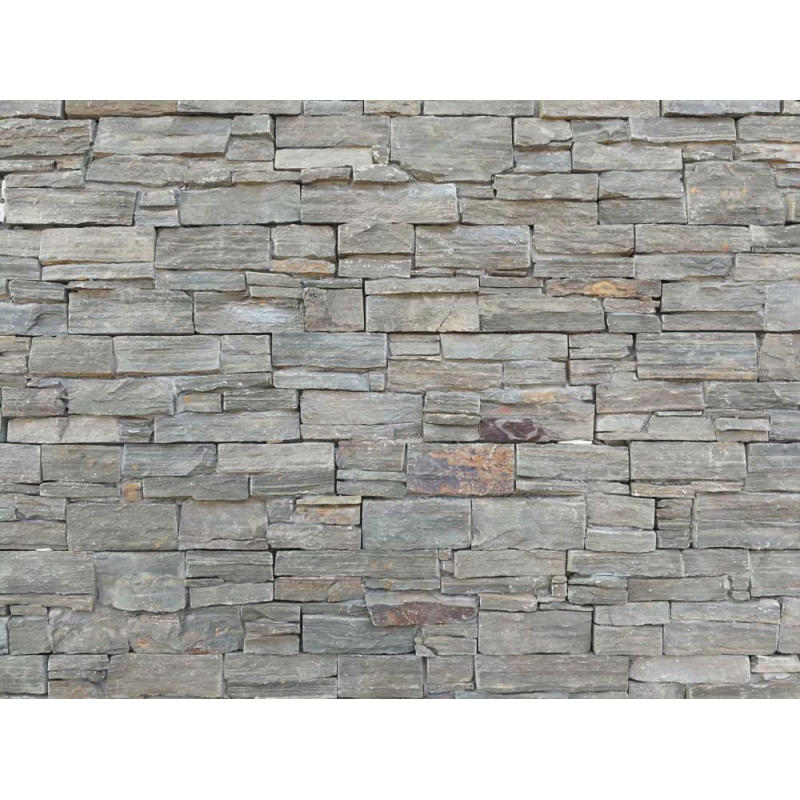 Ledgestone and building stones are popular materials used in landscaping projects for their rugged and natural look. This type of stone is usually formed by splitting a larger stone into thinner, flatter pieces, creating a stacked appearance that resembles a natural stone outcropping.Leugh tuilleadh
-
 One of the best qualities of natural stone products is how they can embody timeless characteristics but with an intensely modern feel.Leugh tuilleadh
-
 Natural stone slabs are one of the oldest and most reliable building materials on the market. Offering one of a kind designs with a variety of benefits, it’s no wonder why natural stone has been the go-to option for thousands of years.Leugh tuilleadh
-
 Natural stone has a wealth of benefits for the kitchen floor. It is beautiful, connects the room with nature, and is nothing if not durable. After all, the stone was formed millions of years ago. Stone is easy to keep clean and only needs to be broom swept at night and mopped with a damp mop once a week.Leugh tuilleadh
-
 A typical bathroom doesn’t get the same type of abuse that a kitchen does. There are fewer heavy objects that could impact the countertop, there aren’t extremely hot pots and pans moving around, and the bathroom isn’t a gathering point the way a kitchen is. This means it’s safer to use softer and less heat resistant stones. However, bathrooms often have chemicals like hairspray, nail polish remover, and shower cleaners that can cause damage to some stones. Here are some stone countertops to consider for your bathroom project, and the pros and cons for each.Leugh tuilleadh
-
 Obraichidh diofar sheòrsaichean de làr cloiche anns a’ mhòr-chuid de sheòmraichean, ge bith a bheil dachaigh cho-aimsireil no ùr-nodha agad. Is e leacan cloiche nàdarra ann an cidsinean aon de na seallaidhean as mòr-chòrdte. Fhad ‘s a tha iad a’ dèanamh roghainn bhrèagha airson seòmraichean-ionnlaid agus tallachan cuideachd. Agus, chan e dìreach coltas a tha a’ dèanamh flooring cloiche nàdarra na roghainn làidir nas motha.Leugh tuilleadh
-
 Tha mòran ann an cidsinean agus seòmraichean-ionnlaid. Chan e a-mhàin gur iad seo an dà sheòmar ath-nuadhachaidh as cumanta ann an dachaigh (pròiseactan ath-dhealbhachaidh dachaigh as mòr-chòrdte Ameireagaidh), ach tha iad le chèile cuideachd a’ toirt a-steach countertops mar phrìomh fheart. Agus tha rudeigin eile cumanta aig countertops cidsin agus seòmar-ionnlaid: Taiseachd.Leugh tuilleadh
-
 Is e fìor shiostam panail cloiche a th’ ann an TIER®, air a dhealbhadh gu sònraichte gus crìoch cloiche nàdarra sònraichte a chruthachadh ge bith càite an tèid a chleachdadh. Bidh na pannalan ag èirigh ann an ‘ìrean’ eadar-cheangail, a’ freagairt gu sgiobalta ri chèile, a’ cur às don fheum air saothair speisealta agus a’ dèanamh TIER® na shiostam luath is furasta a chleachdadh. Leis gu bheil TIER® air a dhèanamh de chlach Nàdarra, tha a h-uile cruth agus caractar ann am balla cloiche tioram. Tha cruthachadh sìmplidh, ach glic, “Z” de shiostam Pannal TIER® a’ leigeil le gach roinn ceangal a dhèanamh gun fhiosta ri chèile.Leugh tuilleadh
-
 If you are in the process of completing home improvements on your property, you may be considering ways to complement one or more of your rooms, or the outside of your home. Stone cladding is a great option for this. Traditionally stones cladding was made of natural stones, but some stunning artificial stone cladding options are now available too. In this blog post we look at stone cladding - also know as stone cladding panels - in more detail, how it works, why you want it and how it could improve the interior and exterior of your home. But let’s start with what stone cladding is.Leugh tuilleadh
-
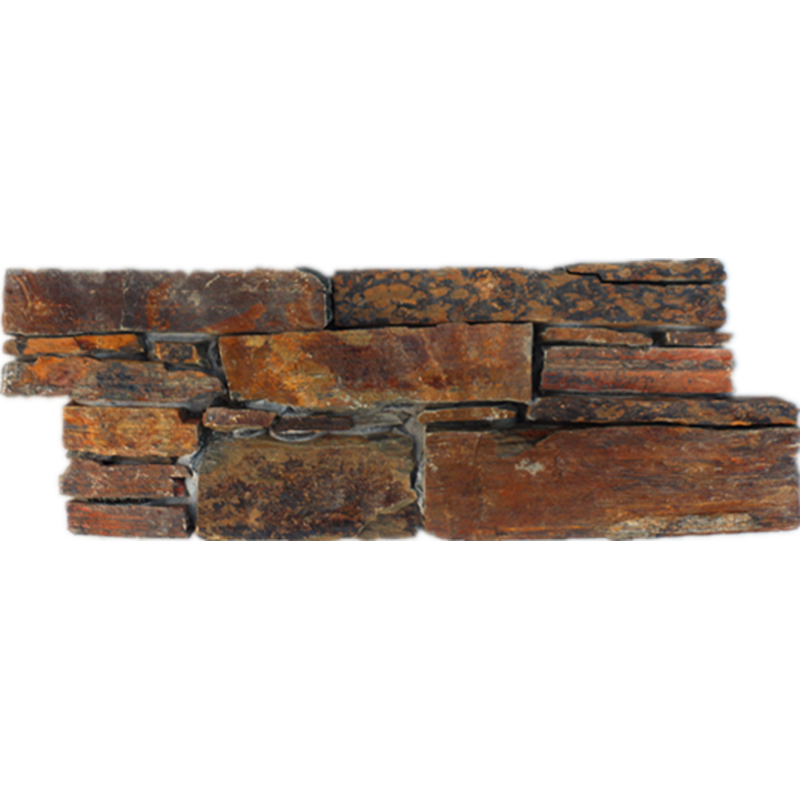 Faodaidh còmhdach balla cloiche a bhith na fhìor fhuasgladh balla ma tha thu a’ coimhead airson dòigh iongantach ach seòlta gus seasamh a-mach bhon t-sluagh ann an dealbhadh taobh a-staigh. Faodaidh tagraidhean ioma-chruthach a bhith aig còmhdach balla a ghabhas cleachdadh taobh a-staigh agus taobh a-muigh togalach. Tha tarraingeas eireachdail gun ùine aige agus cumaidh e a’ coimhead iongantach airson grunn bhliadhnaichean. Gus do chuideachadh le bhith a’ co-dhùnadh an e còmhdach balla cloiche an roghainn as fheàrr airson do dhachaigh, nì sinn sgrùdadh air dè a th’ ann agus mar a chleachdas tu e sa phìos seo.Leugh tuilleadh
-
 Homes vary from place to place. Some houses look like structures built for royals. These are properties that astound you by their sheer beauty, magnificence, presence and timeless look. Then, there are standard, commonplace homes that at best look like average properties. You know a funny thing? Sometimes, the seemingly generic-looking building or house is about the same price as the one that looks magnificent. The difference? Stacked stone cladding or natural stone cladding. Covering your home’s walls with natural looking stone tiles can immediately give the impression of stone walls and transform a basic living space into something amazing.Leugh tuilleadh
-
 Inside or outside — stone veneer can be the style x-factor to turn drab into dramatic. While the stone style in general has never been more popular, the hottest of all the different looks right now is dry stacked stone. Discover what sets this aesthetic apart, how to utilize it, and explore Affinity’s dry stacked stone veneer!Leugh tuilleadh
 Afraganach
 Albànianach
 Amharic
 Arabach
 Armenianach
 Azerbaijani
 Basgach
 Belarusianach
 Bengàlach
 Bosnianach
 Bulgàrianach
 Catalanach
 Cebuano
 Sìona
 Sìona (Taiwan)
 Corsicanach
 Croatianach
 Seacach
 Dànach
 Duitseach
 Sasannach
 Esperanto
 Estòinianach
 Fionnlaineach
 Frangach
 Frisianach
 Galicianach
 Georgianach
 Gearmailteach
 Grèigeach
 Gujarati
 Haitian Creole
 Hausa
 Hawaiianach
 Eabhrach
 Chan eil
 Miao
 Hungàrianach
 Innis Tìleach
 igbo
 And-Innseach
 Èireannach
 Eadailteach
 Iapanach
 Iabhaininnseach
 Kannada
 Kasakh
 Ciméireach
 Ruanda
 Corèanach
 Curdach
 Kyrgyz
 TBh
 Laidinn
 Latbhianach
 Lithuanianach
 Luxembourgach
 Macedonianach
 Malgashi
 Malaidheach
 Malayalamach
 Malteseach
 Maori
 Marathiach
 Mongolianach
 Myanmar
 Nepalach
 Lochlannach
 Lochlannach
 Occitan
 Pashto
 Persianach
 Pòlainneach
 Portugalach
 Punjabi
 Romànianach
 Ruiseanach
 Samoan
 Gàidhlig na h-Alba
 Serbianach
 Sasannach
 Shona
 Sindeach
 Sinhala
 Slovacanach
 Slobhenianach
 Somali
 Spàinneach
 Sundais
 Swahilieach
 Suaineach
 Tagalogach
 Tajik
 Tamileach
 Tatarais
 Telugach
 Thaidheach
 Turcach
 Turkmen
 Ucràinis
 Urdu
 Uighur
 Uzbek
 Bhietnam
 Cuimris