

Blog

-
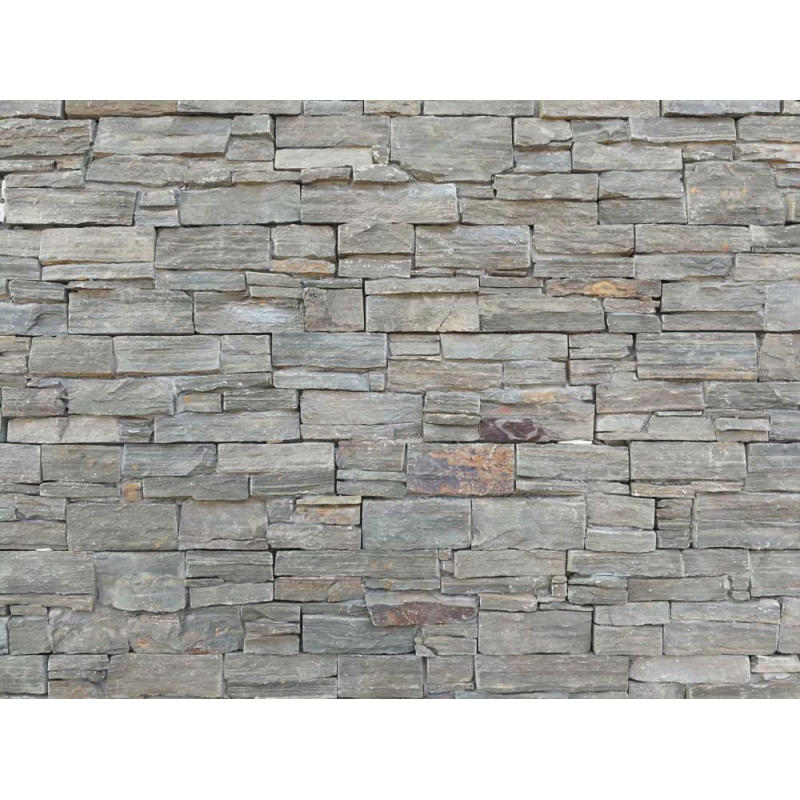 Ledgestone and building stones are popular materials used in landscaping projects for their rugged and natural look. This type of stone is usually formed by splitting a larger stone into thinner, flatter pieces, creating a stacked appearance that resembles a natural stone outcropping.Heluhelu hou aku
-
 One of the best qualities of natural stone products is how they can embody timeless characteristics but with an intensely modern feel.Heluhelu hou aku
-
 Natural stone slabs are one of the oldest and most reliable building materials on the market. Offering one of a kind designs with a variety of benefits, it’s no wonder why natural stone has been the go-to option for thousands of years.Heluhelu hou aku
-
 Natural stone has a wealth of benefits for the kitchen floor. It is beautiful, connects the room with nature, and is nothing if not durable. After all, the stone was formed millions of years ago. Stone is easy to keep clean and only needs to be broom swept at night and mopped with a damp mop once a week.Heluhelu hou aku
-
 A typical bathroom doesn’t get the same type of abuse that a kitchen does. There are fewer heavy objects that could impact the countertop, there aren’t extremely hot pots and pans moving around, and the bathroom isn’t a gathering point the way a kitchen is. This means it’s safer to use softer and less heat resistant stones. However, bathrooms often have chemicals like hairspray, nail polish remover, and shower cleaners that can cause damage to some stones. Here are some stone countertops to consider for your bathroom project, and the pros and cons for each.Heluhelu hou aku
-
 ʻO nā ʻano papa pōhaku like ʻole e hana i ka hapa nui o nā lumi, inā he hale hou a i ʻole kahi hale hou. ʻO nā tile pōhaku maoli i loko o nā lumi kuke kekahi o nā hiʻohiʻona kaulana loa. ʻOiai lākou e hana i kahi koho nani no nā lumi lumi a me nā alaloa. A, ʻaʻole ʻo ia wale nō ka hiʻohiʻona e hoʻolilo i ka papahele pōhaku maoli i koho paʻa.Heluhelu hou aku
-
 He nui nā mea like o nā lumi kuke a me nā lumi lumi. ʻAʻole wale ʻo ia nā lumi ʻelua i hoʻoponopono hou ʻia i loko o kahi home (nā papahana hoʻoponopono home kaulana loa o ʻAmelika), akā ua hoʻokomo pū lāua i nā countertops ma ke ʻano he hiʻohiʻona mua. A he mea like ko ka lumi kuke a me ka lumi lumi lumi: ʻO ka wai.Heluhelu hou aku
-
 ʻO TIER® kahi ʻōnaehana papa pōhaku maoli, i hoʻolālā ʻia e hana i kahi hoʻopau pōhaku kūlohelohe i nā wahi a pau e hoʻohana ʻia ai. Ke piʻi aʻe nei nā paneli i nā 'tiers' pili, hoʻopili pono ʻia, hoʻopau i ka pono o ka hana loea a hana ʻo TIER® i ʻōnaehana wikiwiki a maʻalahi e hoʻohana. No ka mea, ua hana ʻia ʻo TIER® mai ka pōhaku maoli, loaʻa iā ia ke ʻano a me ke ʻano o ka pā pōhaku maloʻo. ʻO ka maʻalahi, akā akamai, "Z" hoʻokumu ʻia o ka TIER® Panel System e hiki ai i kēlā me kēia ʻāpana ke hoʻopili pono.Heluhelu hou aku
-
 If you are in the process of completing home improvements on your property, you may be considering ways to complement one or more of your rooms, or the outside of your home. Stone cladding is a great option for this. Traditionally stones cladding was made of natural stones, but some stunning artificial stone cladding options are now available too. In this blog post we look at stone cladding - also know as stone cladding panels - in more detail, how it works, why you want it and how it could improve the interior and exterior of your home. But let’s start with what stone cladding is.Heluhelu hou aku
-
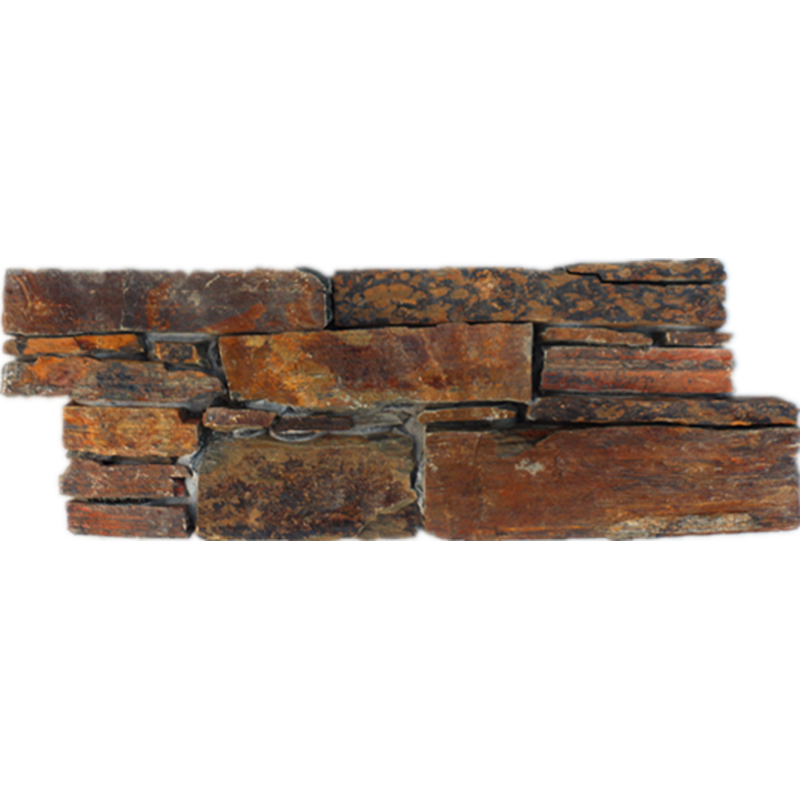 Hiki i ka pā pōhaku ke lilo i mea hoʻoponopono pā maikaʻi inā ʻoe e ʻimi nei i kahi ala ʻoi aku ka maʻalahi e kū i waho o ka lehulehu i ka hoʻolālā kūloko. Hiki ke hoʻohana ʻia ka pale ʻana o ka pā i loko a i waho o kahi waiwai. Loaʻa iā ia kahi hoʻopiʻi aesthetic mau ʻole a e hoʻomau ʻia ke nānā kupanaha no nā makahiki he nui. No ke kōkua ʻana iā ʻoe e hoʻoholo inā ʻo ka pale ʻana i ka pā pōhaku ke koho maikaʻi loa no kou home, e nānā mākou i ke ʻano a pehea e hoʻohana ai i kēia ʻāpana.Heluhelu hou aku
-
 Homes vary from place to place. Some houses look like structures built for royals. These are properties that astound you by their sheer beauty, magnificence, presence and timeless look. Then, there are standard, commonplace homes that at best look like average properties. You know a funny thing? Sometimes, the seemingly generic-looking building or house is about the same price as the one that looks magnificent. The difference? Stacked stone cladding or natural stone cladding. Covering your home’s walls with natural looking stone tiles can immediately give the impression of stone walls and transform a basic living space into something amazing.Heluhelu hou aku
-
 Inside or outside — stone veneer can be the style x-factor to turn drab into dramatic. While the stone style in general has never been more popular, the hottest of all the different looks right now is dry stacked stone. Discover what sets this aesthetic apart, how to utilize it, and explore Affinity’s dry stacked stone veneer!Heluhelu hou aku
 ʻApelika
 Alapania
 Amahapika
 Apapika
 Ameniana
 Azerbaijani
 Pōkē
 ʻŌlelo Belarusa
 Penekali
 Ponia
 Pukalia
 ʻŌlelo Katalonia
 Cebuano
 Kina
 Kina (Taiwan)
 ʻŌlelo Kokia
 Koalia
 Keka
 Kenemaka
 Hōlani
 Pelekania
 ʻŌlelo Esperanto
 Ekekonia
 Pinilana
 Palani
 Frisian
 Kalikia
 Keokia
 Alemania
 Helene
 Kuhalaki
 ʻŌlelo Haiki
 Hauka
 ʻŌlelo Hawaiʻi
 Hepela
 ʻAʻole
 Miao
 Hunakalia
 ʻĀinahau
 igbo
 ʻInikonia
 Ipelana
 Ikalia
 Kepanī
 Kawanī
 Kanākā
 ʻŌlelo Kazaka
 Khmer
 Rwandan
 Kolea
 ʻŌlelo Kurdish
 ʻŌlelo Kyrgyz
 TB
 ʻŌlelo Lākni
 Lakiwiana
 ʻŌlelo Lituania
 ʻŌlelo Lukemapuka
 Makekoni
 Malgashi
 Mālei
 Mālealama
 Malkī
 ʻŌlelo Māori
 Malapi
 ʻŌlelo Monokolia
 Maianamara
 Nepali
 Nolewai
 Nolewai
 ʻOkitana
 ʻŌlelo Pashto
 Pelekia
 Pōlani
 Pukikī
 ʻŌlelo Punajabi
 Lomānia
 Lukia
 Sāmoa
 Gaelika Sekotia
 ʻŌlelo Serbia
 Pelekania
 Shona
 Kiniki
 Sinhala
 Kolowakia
 Kolewenia
 ʻŌlelo Somalia
 Kepania
 Sundana
 Kawahili
 Kuekene
 Kakalo
 Tajika
 Kamili
 Tatar
 Keluku
 Kailani
 Tureke
 ʻŌlelo Kuleke
 Ukrainian
 Urdu
 Uighur
 ʻUzbek
 Vietnamese
 Welsh