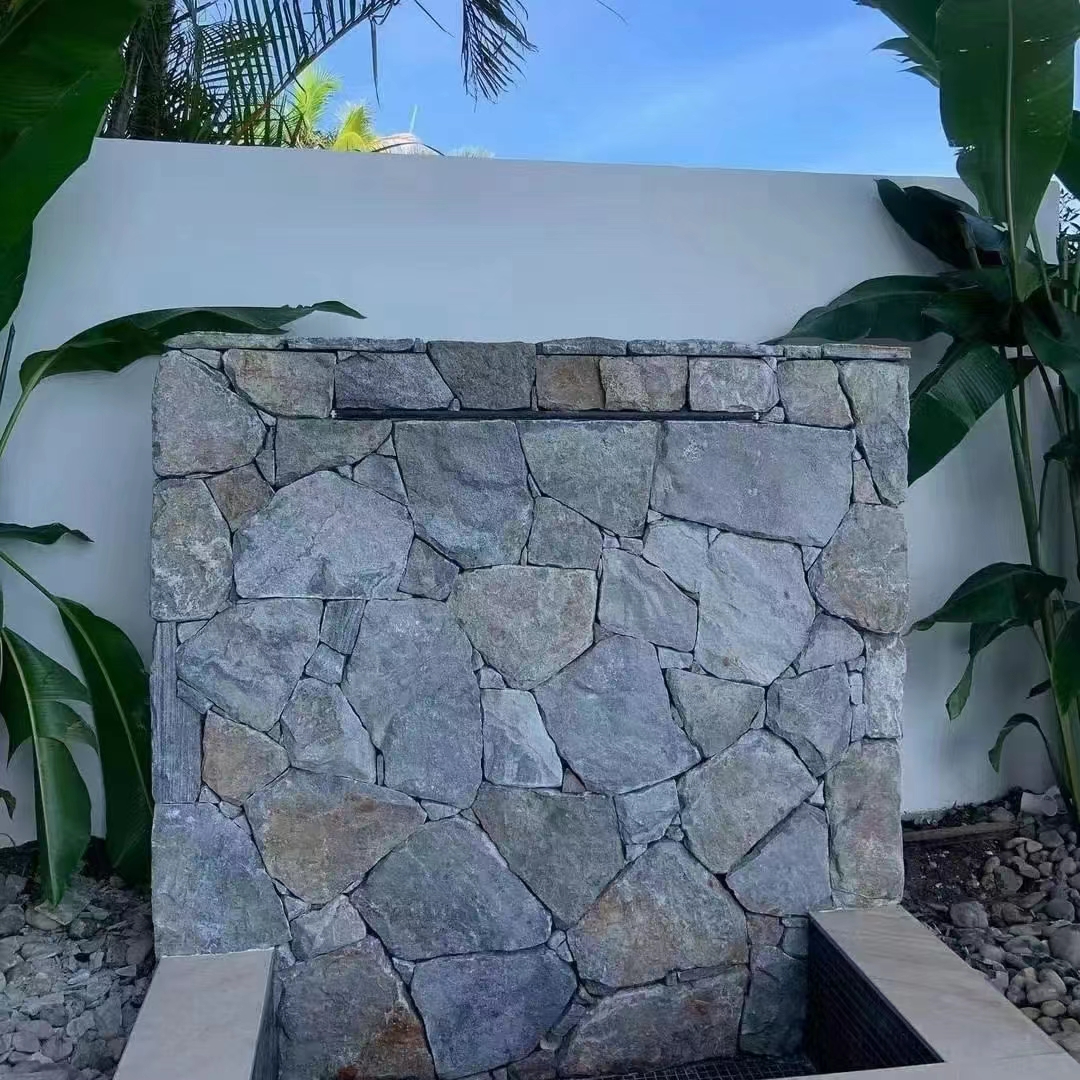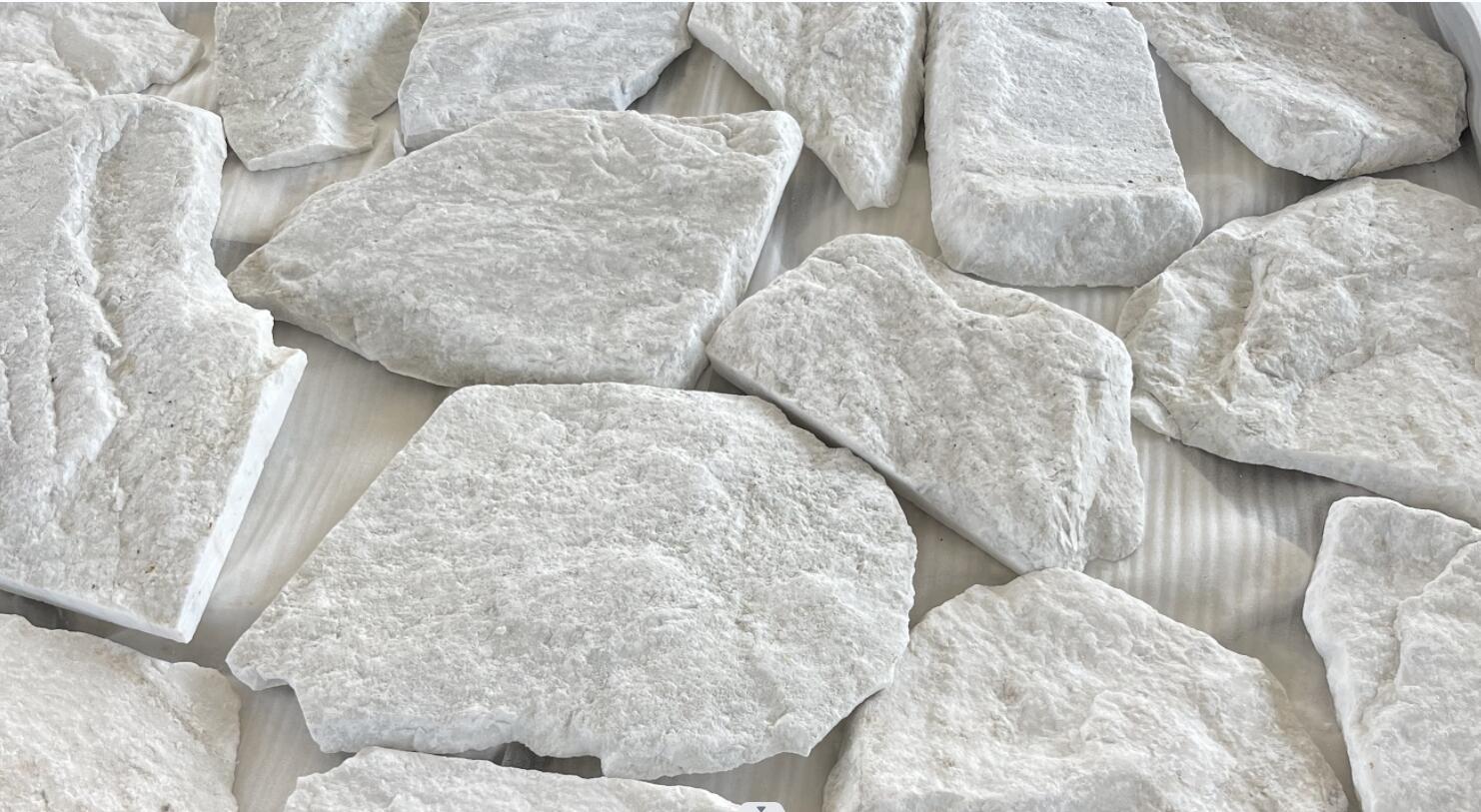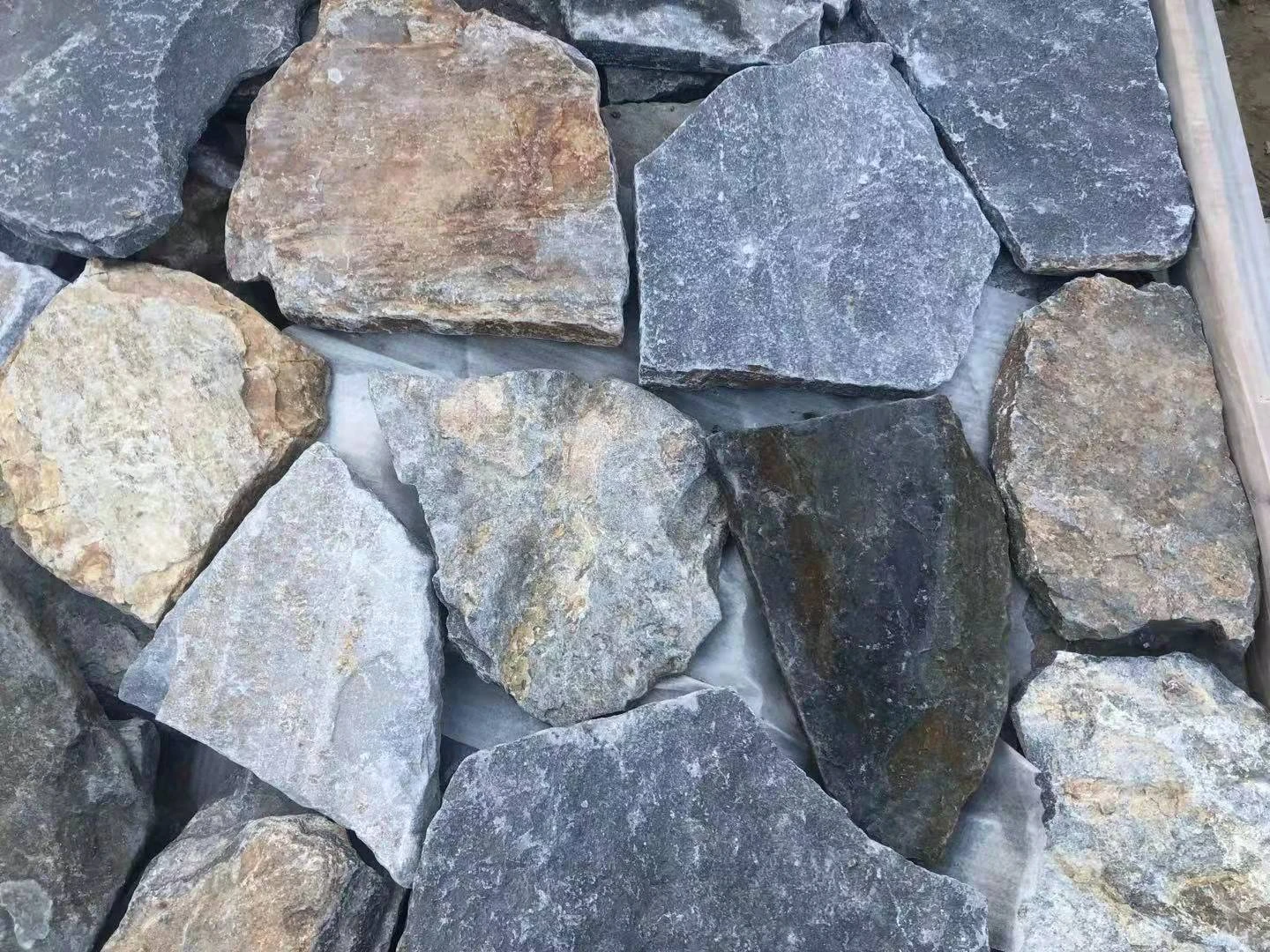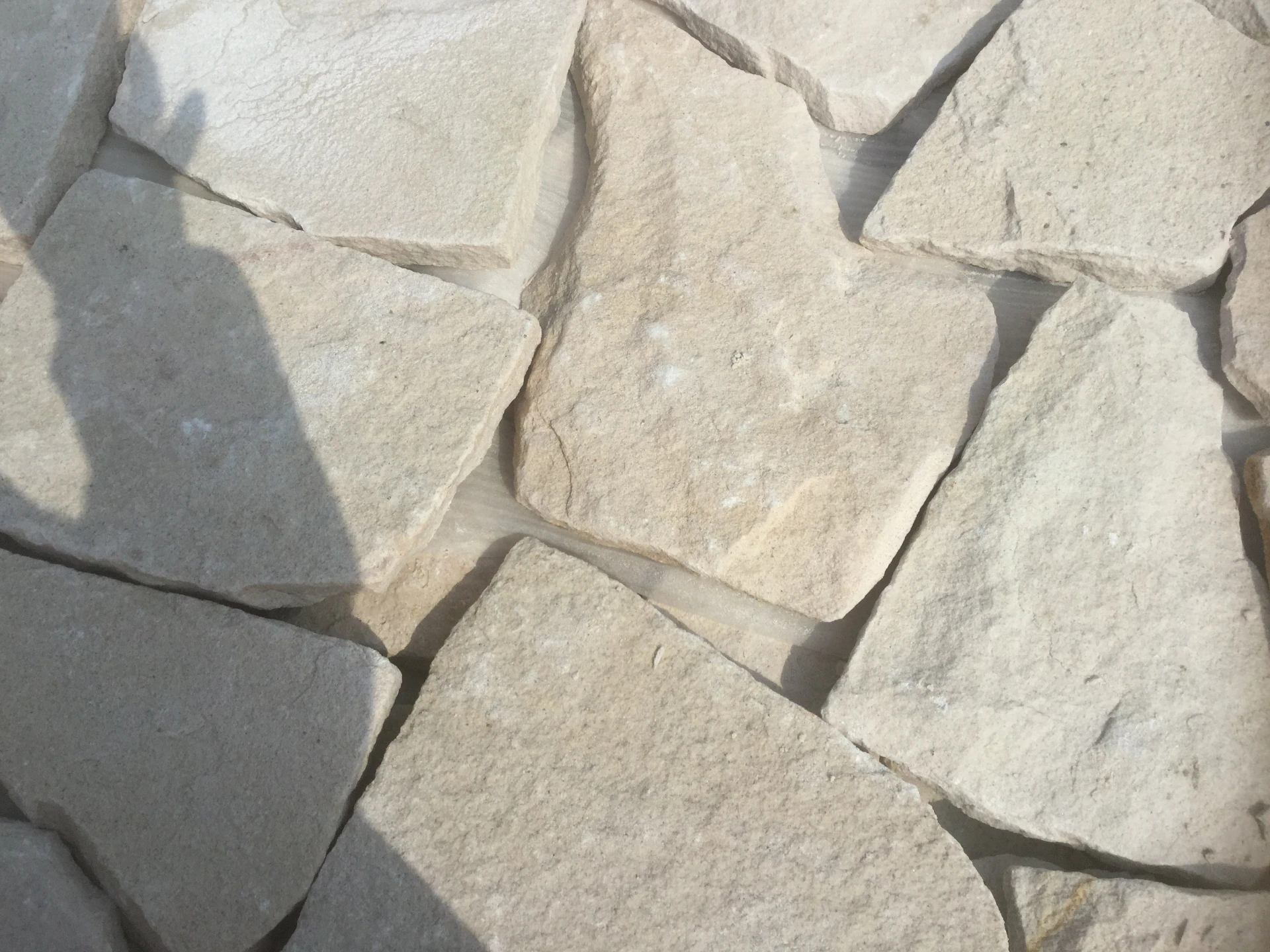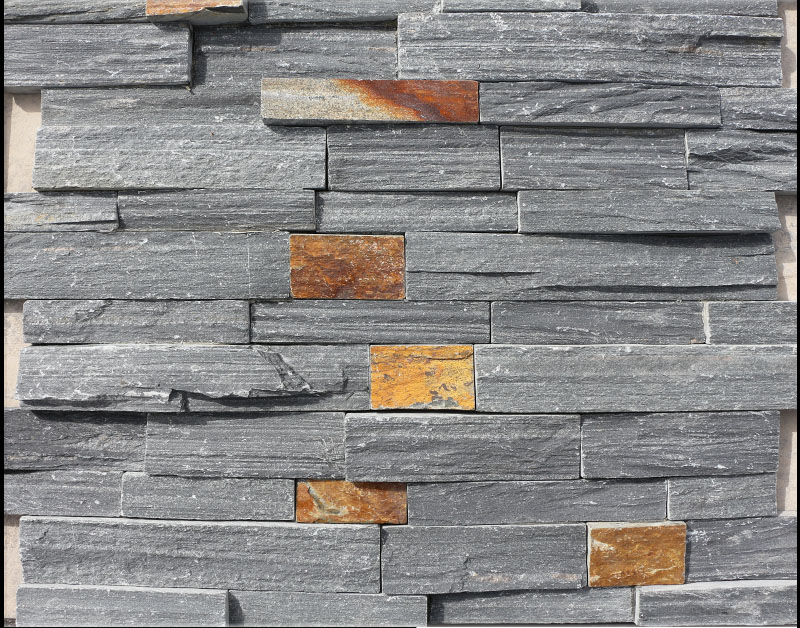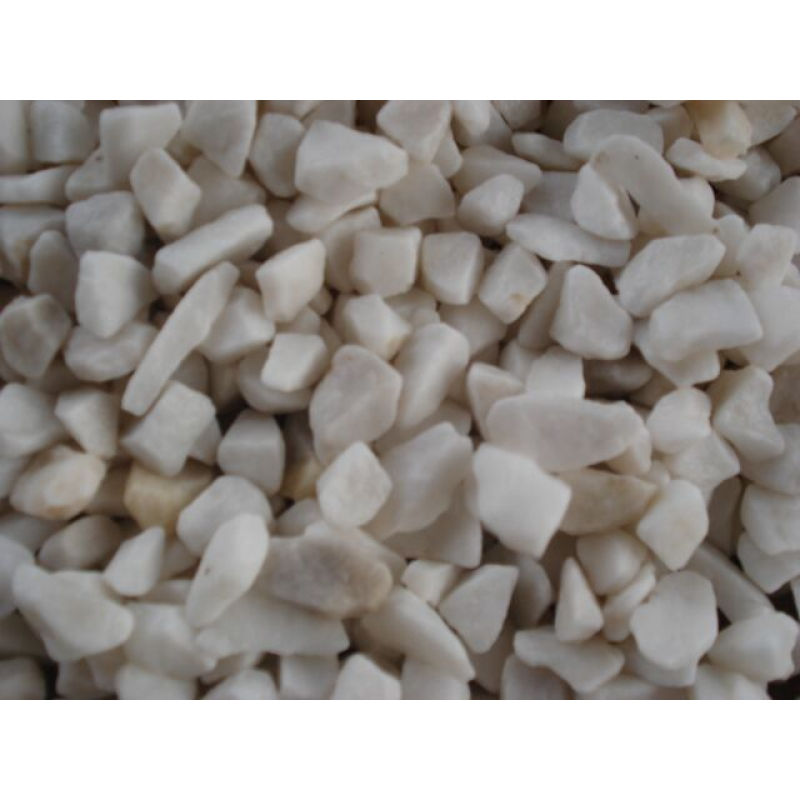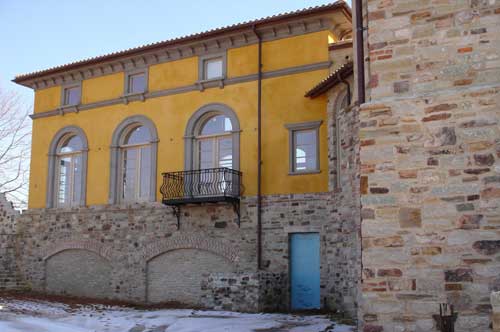
If you love the look of natural clach but are looking for a more affordable solution, faux stone offers the look and beauty of a stone finish without the price tag. What is stone veneer, and how will it improve your home’s appearance while keeping you well within budget?
Stone veneer is a layer of cut natural stone or stone substitute that’s attached to a surface to give the appearance of a stone finish. It isn’t intended to be weight bearing, but it will offer protection from the elements when used as siding.
Stone veneer covers a variety of stone finishes, including faux stone. It varies in thickness and the origin of materials.
The most affordable option of stone veneer, also known as manufactured or faux stone, is a combination of aggregates, Portland cement, and, for coloration, mineral oxides. This mixture is then placed into molds and cast into realistic looking stone finishes. This is what makes stone veneer easier to work with, and more affordable than real stone options. Faux stone, or manufactured stone, is a very convincing replacement for real stone.
Natural thin stone veneer is real stone that comes from a quarry, riverbed, or mountain. As the name implies, it’s cut into very thin slices, usually around one inch in thickness. These stones can be shaped and result in a sturdy, beautiful, and elegant finish for your home’s exterior, but are also a good choice for interior accents.
Also made of real, natural stone, full bed veneer finishes use the same process as natural thin stone veneer during production. Three to five inches in thickness, full bed veneer is sturdier, but a little harder to work with. That’s why this option, while beautiful and durable, is priced a bit above other options.
Stone has always been a beautiful and elegant choice for homes, no matter the design or location. Unfortunately for many homeowners, building with stone is expensive. Cutting, hauling, and shaping, weight and load bearing limitations, and fitting these stone blocks are all considerations that place the option of building or refinishing with stone out of reach for many homeowners.
There are plenty of benefits to choosing stone veneers for interior and exterior projects alike.
Because faux stone is thinner and far easier to shape and place, it’s a great choice for interior wall accents as well as exterior projects. With stone veneer, you get the look of stone without a significant impact on space.
Stone veneers are lighter than stone blocks, meaning they won’t add to your building’s weight bearing load. Despite being lighter, these finishes are durable and low-maintenance. Lightweight stone veneers are also less expensive to transport and use in projects.
Veneers save money with affordable production costs, as well as ease of installation. Adding a beautiful faux stone finish to your home will increase its curb appeal while adding protection, insulation, and weatherproofing for far less money than using full stone finishes.
Because faux stone is weather resistant, it requires much less maintenance than other siding options. This is an investment that adds more than beauty and elegance to your home. It’s an eco-friendly, fully recyclable, fire-resistant finish that will last for decades to come.
 Afraganach
  Albànianach
  Amharic
  Arabach
  Armenianach
  Azerbaijani
  Basgach
  Belarusianach
  Bengàlach
  Bosnianach
  Bulgàrianach
  Catalanach
  Cebuano
  Sìona
Sìona  Sìona (Taiwan)
  Corsicanach
  Croatianach
  Seacach
  Dànach
  Duitseach
  Sasannach
  Esperanto
  Estòinianach
  Fionnlaineach
  Frangach
  Frisianach
  Galicianach
  Georgianach
  Gearmailteach
  Grèigeach
  Gujarati
  Haitian Creole
  Hausa
Hausa  Hawaiianach
  Eabhrach
  Chan eil
  Miao
Miao  Hungàrianach
  Innis Tìleach
  igbo
igbo  And-Innseach
  Èireannach
  Eadailteach
  Iapanach
  Iabhaininnseach
  Kannada
  Kasakh
  Ciméireach
  Ruanda
  Corèanach
  Curdach
  Kyrgyz
  TBh
TBh  Laidinn
  Latbhianach
  Lithuanianach
  Luxembourgach
  Macedonianach
  Malgashi
  Malaidheach
  Malayalamach
  Malteseach
  Maori
Maori  Marathiach
  Mongolianach
  Myanmar
  Nepalach
  Lochlannach
  Lochlannach
  Occitan
  Pashto
  Persianach
  Pòlainneach
  Portugalach
  Punjabi
  Romànianach
  Ruiseanach
  Samoan
  Gàidhlig na h-Alba
  Serbianach
  Sasannach
  Shona
Shona  Sindeach
  Sinhala
  Slovacanach
  Slobhenianach
  Somali
  Spàinneach
  Sundais
  Swahilieach
  Suaineach
  Tagalogach
  Tajik
Tajik  Tamileach
  Tatarais
  Telugach
  Thaidheach
  Turcach
  Turkmen
  Ucràinis
  Urdu
Urdu  Uighur
  Uzbek
Uzbek  Bhietnam
  Cuimris