

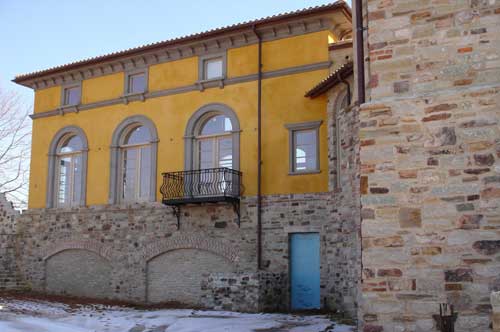
If you love the look of natural steen but are looking for a more affordable solution, faux stone offers the look and beauty of a stone finish without the price tag. What is stone veneer, and how will it improve your home’s appearance while keeping you well within budget?
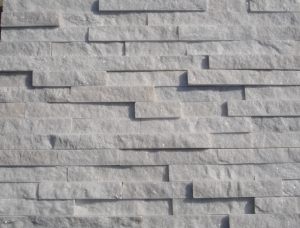
Stone veneer is a layer of cut natural stone or stone substitute that’s attached to a surface to give the appearance of a stone finish. It isn’t intended to be weight bearing, but it will offer protection from the elements when used as siding.
Stone veneer covers a variety of stone finishes, including faux stone. It varies in thickness and the origin of materials.
The most affordable option of stone veneer, also known as manufactured or faux stone, is a combination of aggregates, Portland cement, and, for coloration, mineral oxides. This mixture is then placed into molds and cast into realistic looking stone finishes. This is what makes stone veneer easier to work with, and more affordable than real stone options. Faux stone, or manufactured stone, is a very convincing replacement for real stone.
Natural thin stone veneer is real stone that comes from a quarry, riverbed, or mountain. As the name implies, it’s cut into very thin slices, usually around one inch in thickness. These stones can be shaped and result in a sturdy, beautiful, and elegant finish for your home’s exterior, but are also a good choice for interior accents.
Also made of real, natural stone, full bed veneer finishes use the same process as natural thin stone veneer during production. Three to five inches in thickness, full bed veneer is sturdier, but a little harder to work with. That’s why this option, while beautiful and durable, is priced a bit above other options.
Stone has always been a beautiful and elegant choice for homes, no matter the design or location. Unfortunately for many homeowners, building with stone is expensive. Cutting, hauling, and shaping, weight and load bearing limitations, and fitting these stone blocks are all considerations that place the option of building or refinishing with stone out of reach for many homeowners.
There are plenty of benefits to choosing stone veneers for interior and exterior projects alike.
Because faux stone is thinner and far easier to shape and place, it’s a great choice for interior wall accents as well as exterior projects. With stone veneer, you get the look of stone without a significant impact on space.
Stone veneers are lighter than stone blocks, meaning they won’t add to your building’s weight bearing load. Despite being lighter, these finishes are durable and low-maintenance. Lightweight stone veneers are also less expensive to transport and use in projects.
Veneers save money with affordable production costs, as well as ease of installation. Adding a beautiful faux stone finish to your home will increase its curb appeal while adding protection, insulation, and weatherproofing for far less money than using full stone finishes.
Because faux stone is weather resistant, it requires much less maintenance than other siding options. This is an investment that adds more than beauty and elegance to your home. It’s an eco-friendly, fully recyclable, fire-resistant finish that will last for decades to come.
 afrikanesch
  Albanesch
  Amharesch
  Arabesch
  Armenesch
  Aserbaidschan
  Baskesch
  wäissrussesch
  Bengalesch
  Bosnesch
  Bulgarescg
  katalanesch
  Cebuano
  China
China  China (Taiwan)
  korsesch
  Kroatesch
  Tschechesch
  Dänesch
  Hollänesch
  Englesch
  esperanto
  Estonesch
  Finnesch
  Franséisch
  friesesch
  Galizesch
  Georgesch
  Däitsch
  Griichesch
  Gujarati
  Haitescht Creole
  Haussa
  Hawaianesch
  Hebräesch
  Nee
Nee  Miao
Miao  Ungaresch
  Islännesch
  igbo
igbo  Indonesesch
  Iresch
  Italienesch
  Japanesch
  Javanesesch
  Kannada
  kasachesch
  Khmer
Khmer  Rwandaner
  Koreanesch
  kurdesch
  kirgisesch
  TB
TB  laténgesch
  Lettesch
  litauesch
  lëtzebuergesch
  Mazedonesch
  Malgashi
  Malaiesch
  Malajalam
  Maltesesch
  maoresch
  Marathi
  mongolesch
  Myanmar
  Nepalesesch
  Norweegesch
  Norweegesch
  Okzitanesch
  pashtu
  Persesch
  Polnesch
  Portugisesch
  pundschabi
  Rumänesch
  Russesch
  Samoanesch
  Schottesch Gaelesch
  serbesch
  Englesch
  Shona
Shona  Sindhi
  Sinhala
  Slowakesch
  Slowenesch
  somalesch
  Spuenesch
  Sundanesesch
  Swahili
  Schweedesch
  Tagalog
  Tadschikesch
  Tamil
Tamil  Tataresch
  Telugu
  Thai
Thai  tierkesch
  turkmenesch
  Ukrainesch
  Urdu
Urdu  Uighur
  Usbekesch
  Vietnamesesch
  Waliser




