In-ground patios and pathways have become an essential part of any residential landscape. Backyards, in particular, create lots of opportunity for stone and concrete accents to balance out plants and softscapes.
There are several different materials you can use for in-ground patios and pathways, but the three most common are slabs, pavers, Dan flagstone.
Here’s our pros and cons list for each material so you can make the best choice for your backyard.

When it comes time to landscape a yard, homeowners can become very quickly overwhelmed by the sheer number of choices they’re presented with:
What plants do you want? What season is it? Soil or mulch? Aggregate? Do you want a feature like a water feature atau lighting, and where would you like them? What type of wood and will it be a wooden structure?
It gets exhausting quickly, and most homeowners end up deferring to the experts they’ve hired to make the important decisions regarding design and function.
However, when it comes time to choose concrete, stone, and other hardscaping materials for in-ground patios and pathways, it’s important for residents to provide their input. In-ground hardscapes tend to be the most permanent additions to your yard.
In order to help you make your decision, we’ve put together a handy pros and cons guide to help you differentiate between common installation materials.

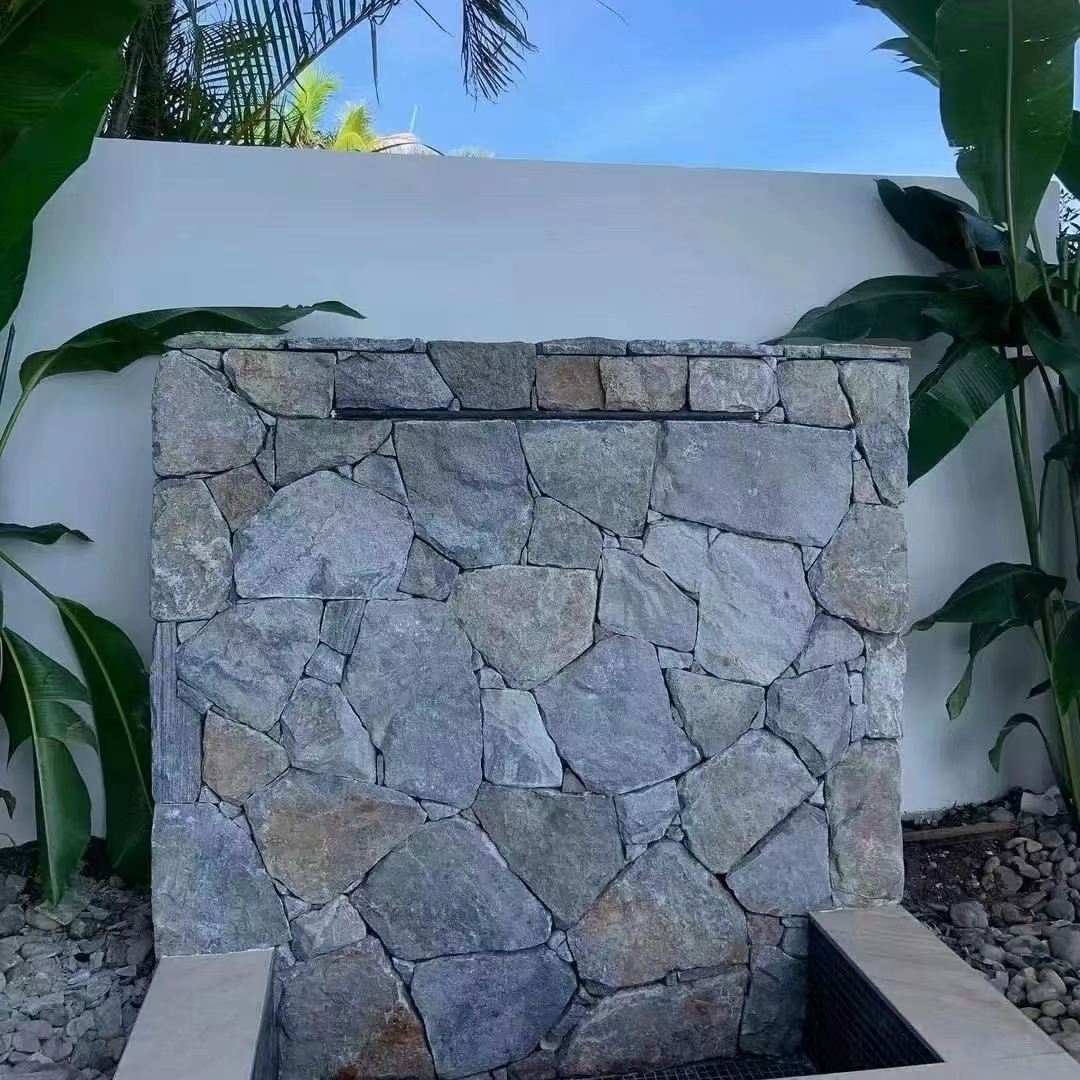
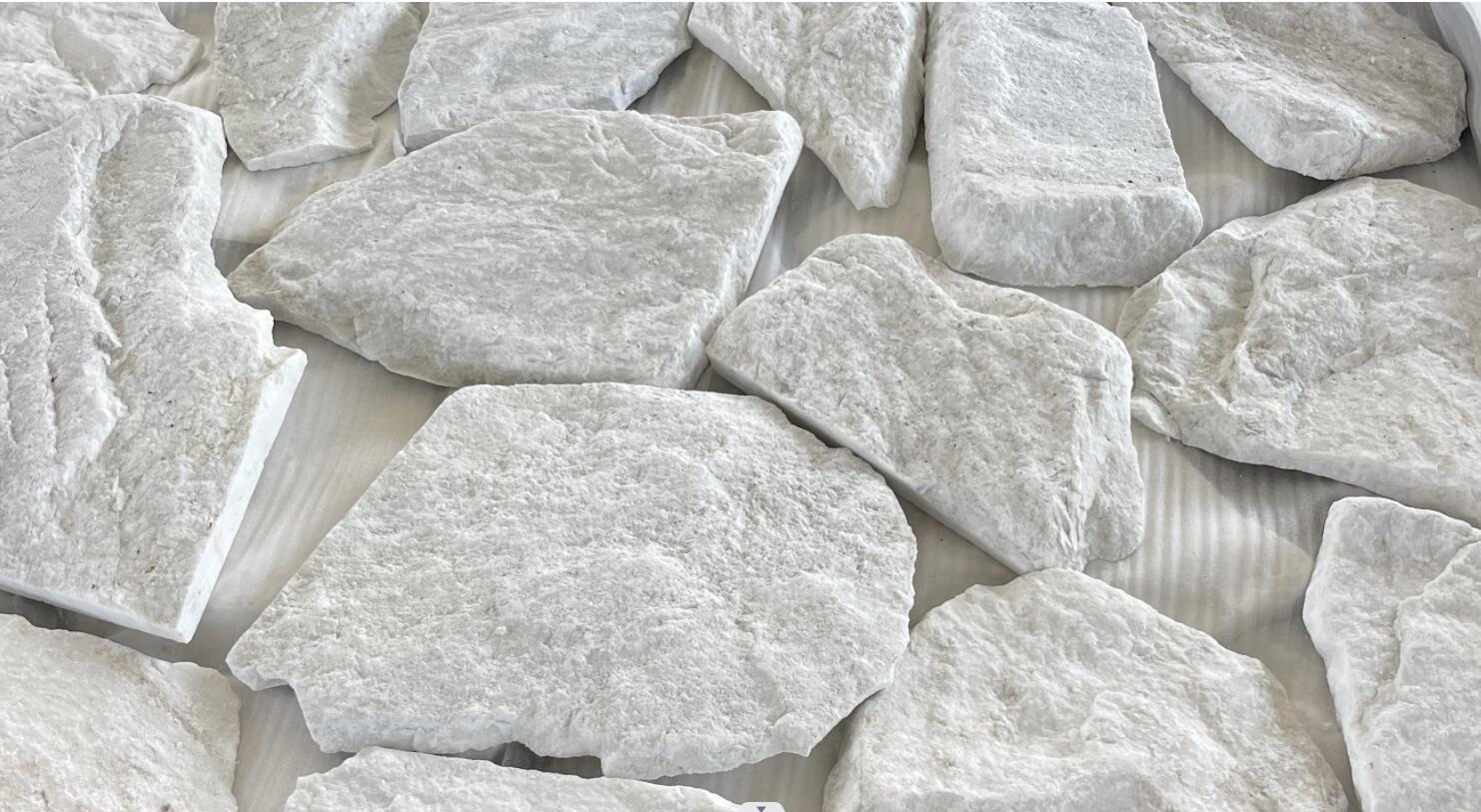
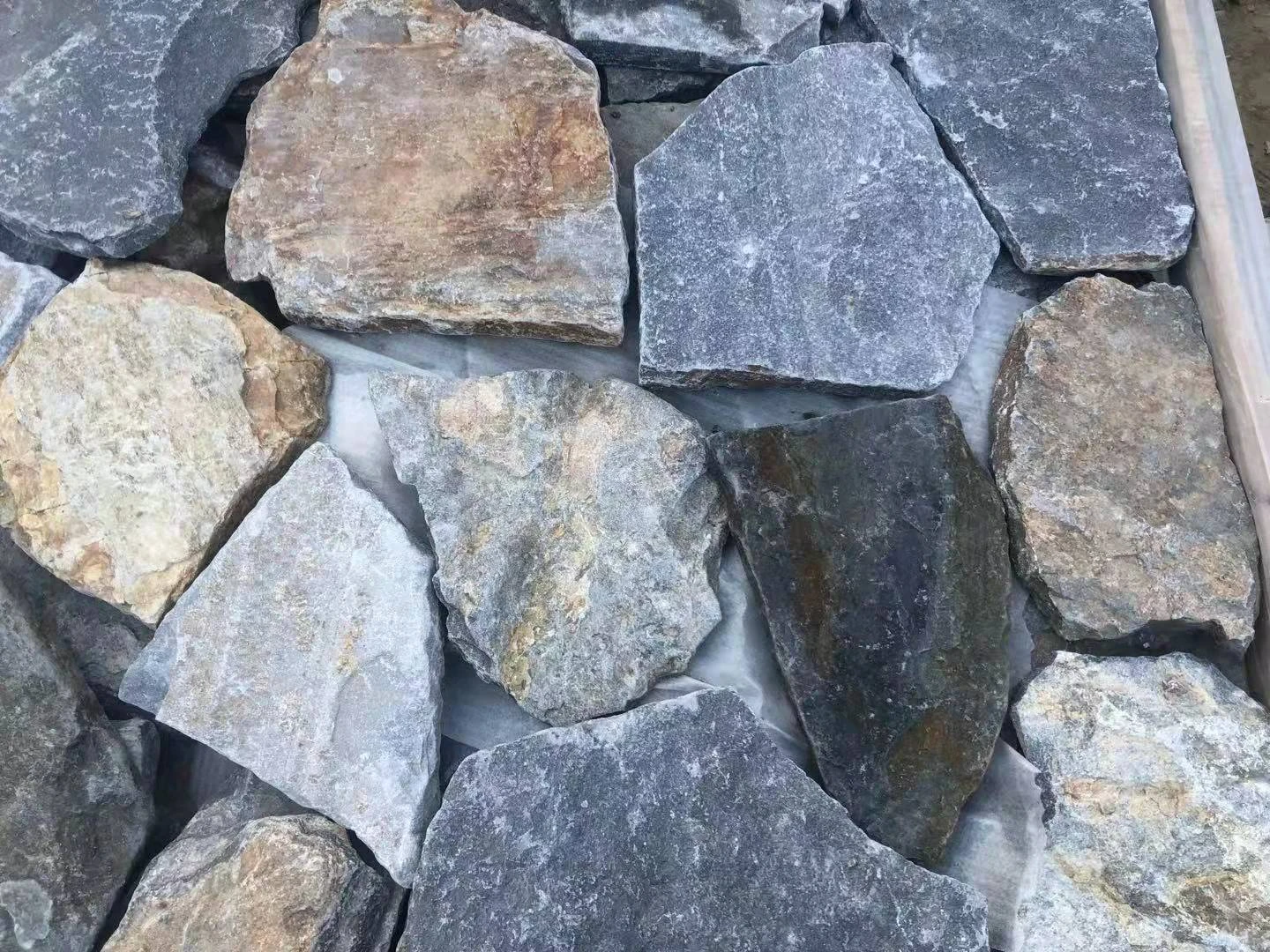
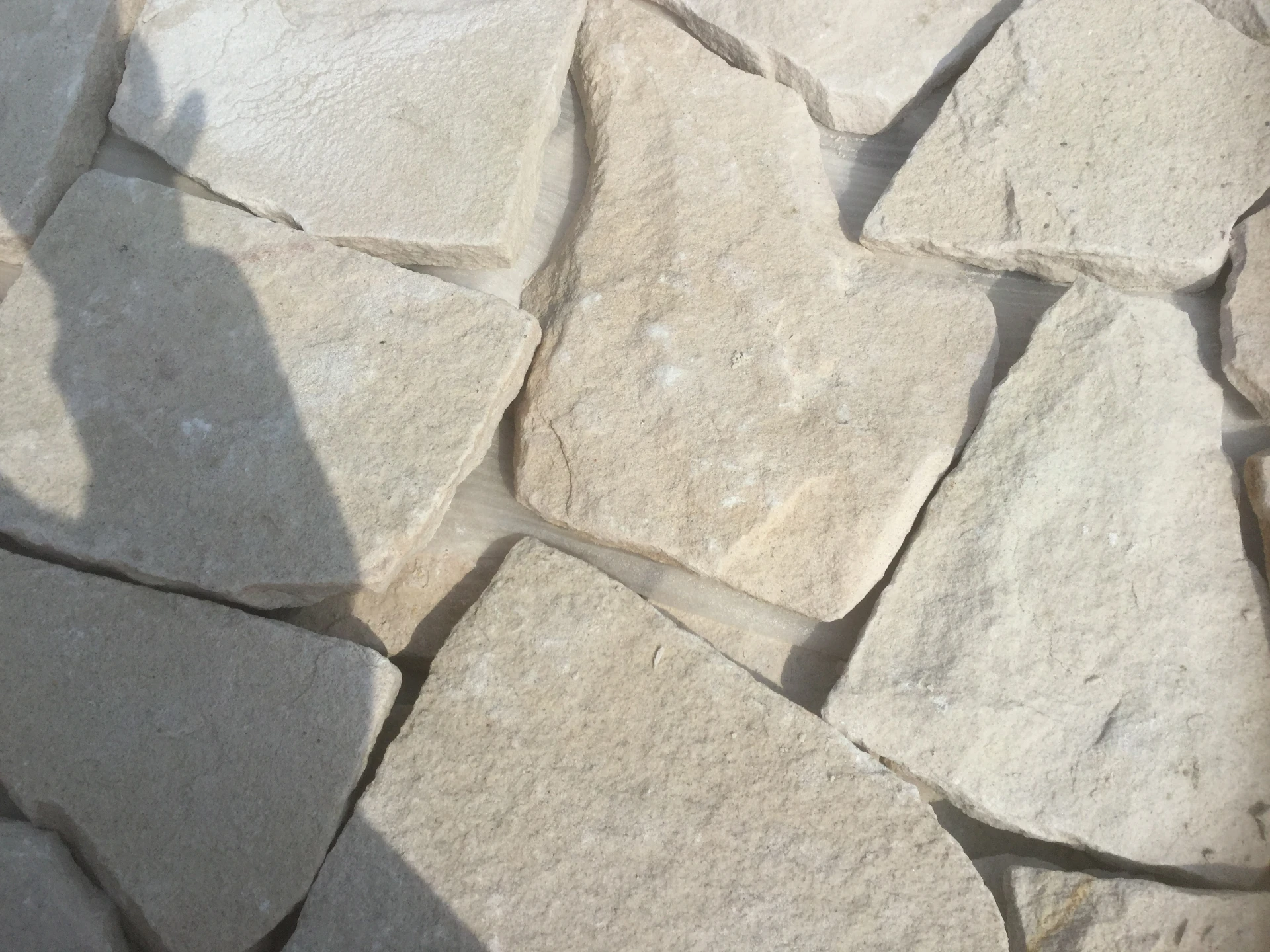
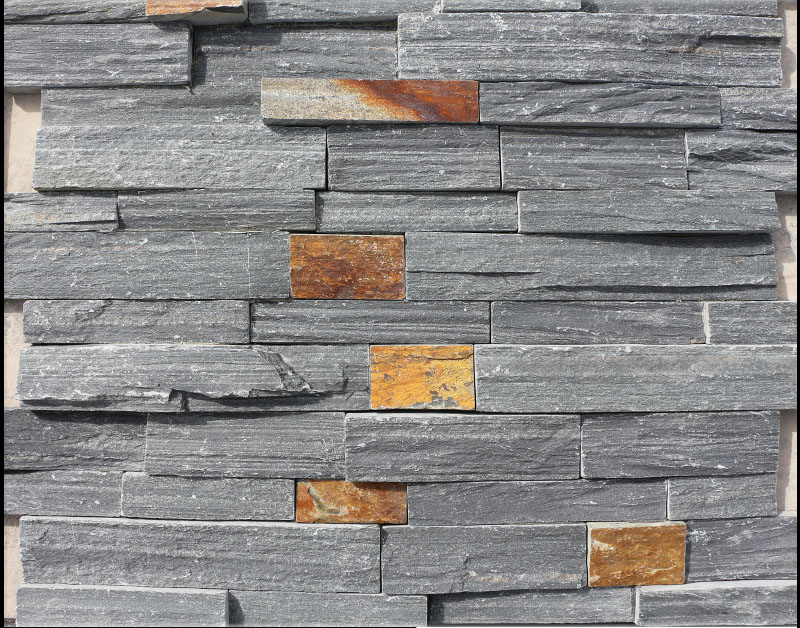
Batu ubin besar is solid stone that comes in a variety of natural colours and shapes. It’s quarried in solid pieces from sedimentary rocks like limestone, sandstone, bluestone, and slate.
Due to its weight, size, and colour variances, it tends to be more time consuming (and therefore more expensive) to install, but it’s simply unbeatable if you’re seeking a timeless, natural look.
If you choose flagstone for a patio or pathway, it’s important to remember that flagstone will have small spaces between each rock once it’s laid, allowing for water permeation.
However, you’ll want to choose a material to fill the cracks to mitigate pooling, and to prevent the legs of patio furniture from getting stuck. Some common choices include grass, soil, moss, or hardy groundcovers.
Flagstone can also come in a variety of earthy colours, including browns, reds, grays, and blues.

A flagstone patio with moss growing between the stones
Slabs are large (but thin) segmental concrete blocks. Their size and shape (usually rectangular or square) allow them to more easily intermingle with softscapes, helping bridge literal and figurative gaps in your landscape.

Unlike pavers and batu ubin besar, slabs can be laid with or without gaps between them. Pathways can be straight lines or gentle, detached curves, and patios can be spaced-out grids with groundcover or grass between them, or laid with no spaces to create uniform rectangular or square patios.
Slabs are a great choice for unusual or creative pathway and patio applications that intermingle with softscapes; however, their large size makes them prone to cracking if the ground beneath them shifts.

A high-end slab patio.
Pavers are small, segmental blocks with a wide array of applications. Their small size allows them to be used to create lots of shapes and patterns.

Pavers are interlocking, which makes them extremely strong and durable when installed properly. They’re extremely versatile and can even be used to make roads and driveways.
As pathways and patios, they can be installed in curves, which makes them ideal for circular patios and non-linear pathways. Pavers need to be compacted using a plate compactor after installation, and jointing sand must be swept thoroughly between the cracks to prevent soil buildup and weeds. Therefore, jointing sand should be reapplied once per year.
Pavers can be installed in a variety of different patterns. The most common patterns are running bond, herringbone, Dan ashler.
 Afrika
 bahasa Albania
 Amharik
 Arab
 orang Armenia
 Azerbaijan
 Basque
 Belarusia
 Benggala
 Bosnia
 Bulgaria
 Katalan
 Cebuano
 Cina
 Tiongkok (Taiwan)
 Korsika
 Kroasia
 Ceko
 Orang Denmark
 Belanda
 Bahasa inggris
 Esperanto
 Estonia
 Finlandia
 Perancis
 Frisian
 Galisia
 orang Georgia
 Jerman
 Orang yunani
 Gujarati
 Kreol Haiti
 hausa
 Hawaii
 Ibrani
 Tidak
 Miao
 Hongaria
 Islandia
 igbo
 bahasa Indonesia
 orang Irlandia
 Italia
 Jepang
 Jawa
 Kannada
 kazakh
 Khmer
 Rwanda
 Korea
 Kurdi
 Kirgistan
 TBC
 Latin
 Latvia
 Lithuania
 Luksemburg
 Makedonia
 Malgashi
 Melayu
 Malayalam
 Malta
 Maori
 Marathi
 Mongolia
 Myanmar
 Nepal
 Norwegia
 Norwegia
 orang oksitan
 Pashto
 Orang Persia
 Polandia
 Portugis
 Punjabi
 Rumania
 Rusia
 Samoa
 Gaelik Skotlandia
 Orang Serbia
 Bahasa inggris
 Shona
 Sindhi
 Sinhala
 Orang Slovakia
 Slovenia
 Somalia
 Orang Spanyol
 Sunda
 Swahili
 Orang Swedia
 Tagalog
 Tajik
 Tamil
 Tatar
 Telugu
 Thai
 Turki
 orang Turkmenistan
 Orang Ukraina
 Urdu
 Uighur
 Uzbekistan
 Orang Vietnam
 Welsh