

მოსაპირკეთებელი ქვები
Paving stones offer a perfect marriage of durability and design flexibility for outdoor spaces. These precision-cut units create stable, permeable surfaces that withstand heavy use while allowing creative patterns—from classic herringbone to modern geometric layouts. Their interlocking design distributes weight evenly, preventing cracks and enabling easy repairs by replacing individual stones.
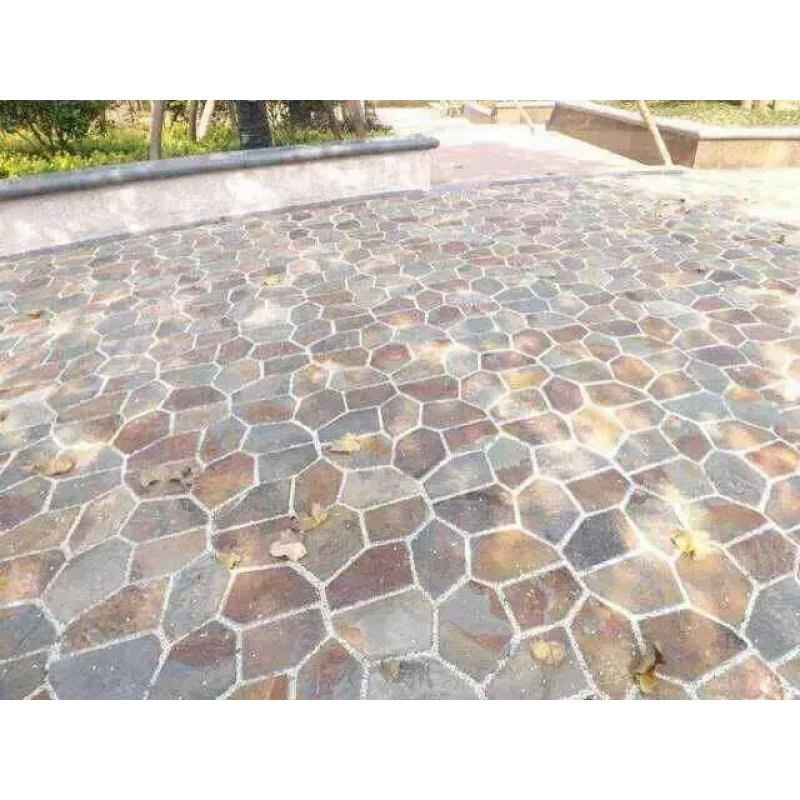
Irregular stones celebrate nature's untamed beauty, with organic shapes and textured surfaces that bring rustic character to landscapes. These freeform pieces excel in creating meandering pathways, dry-stack walls, or naturalistic garden borders. Their varied thickness and edges mimic time-worn stone found in nature, offering a harmonious transition between built environments and the outdoors.
Together, these stone solutions cater to diverse aesthetic visions—paving stones for structured elegance, irregular stones for organic authenticity. Both share exceptional weather resistance and longevity, making them ideal for transforming patios, walkways, and driveways into enduring, visually captivating features. Whether aiming for polished refinement or rugged charm, these materials elevate outdoor spaces with functionality and timeless appeal.
What is the purpose of paving stone?
Paving stones serve both functional and aesthetic roles in landscape and urban design. Primarily, they create durable, stable surfaces for foot and vehicle traffic while allowing proper water drainage through gaps between units—reducing runoff and erosion. Their interlocking design distributes weight evenly, making them ideal for driveways, walkways, and patios that require long-term resilience. Beyond utility, paving stones enhance visual appeal with diverse colors, textures, and patterns that elevate outdoor spaces. Unlike monolithic materials, individual stones can be replaced if damaged, minimizing maintenance costs. They also adapt well to uneven terrain and allow for creative layouts, from geometric precision to organic, freeform designs.
Why choose paving stone over concrete?
Paving stones outperform concrete in durability, flexibility, and design versatility. While concrete is prone to cracking from freeze-thaw cycles or ground movement, interlocking pavers shift slightly to accommodate stress, preventing major damage. Their modular nature allows targeted repairs—only affected stones need replacement, unlike concrete slabs that require full-section repouring. Aesthetically, pavers offer endless customization through mixed colors, shapes, and laying patterns, whereas concrete is limited to stamped or stained finishes that degrade over time. Permeable paver systems also support eco-friendly drainage, reducing water pooling. Though initially more expensive, their longevity and lower lifetime maintenance often make them a smarter investment.
What is the difference between irregular and regular flagstone?
The key distinction between irregular and regular flagstone lies in their shape, application, and aesthetic effect. Irregular flagstone, as the name suggests, features naturally uneven edges and organic forms, creating a rustic, freeform appearance reminiscent of stone found in nature. These pieces vary greatly in size and thickness, requiring skilled installation to fit together like a puzzle, often with wider grout lines that enhance their rugged charm. This type is ideal for informal landscapes, garden pathways, or dry-laid patios where a naturalistic look is desired.
 აფრიკელი
 ალბანური
 ამჰარული
 არაბული
 სომხური
 აზერბაიჯანული
 ბასკური
 ბელორუსული
 ბენგალური
  ბოსნიელი
 ბულგარული
 კატალონიური
 სებუანო
 ჩინეთი
 ჩინეთი (ტაივანი)
 კორსიკული
 ხორვატული
 ჩეხური
 დანიური
 ჰოლანდიური
 ინგლისური
 ესპერანტო
 ესტონური
 ფინური
 ფრანგული
 ფრიზიული
 გალისიური
 ქართული
 გერმანული
 ბერძენი
 გუჯარათი
 ჰაიტური კრეოლური
 ჰაუსა
ჰაუსა ჰავაიელი
 ებრაული
 არა
არა მიაო
მიაო უნგრული
 ისლანდიური
 იგბო
იგბო ინდონეზიური
 ირლანდიური
 იტალიური
 იაპონელი
 იავური
 კანადა
 ყაზახური
 ქმერული
 რუანდა
 კორეული
 ქურთული
 ყირგიზული
 ტუბერკულოზი
 ლათინური
 ლატვიური
 ლიტვური
 ლუქსემბურგული
 მაკედონელი
 მალღაში
 მალაიზია
 მალაიალამური
 მალტური
 მაორი
მაორი მარათჰი
 მონღოლური
 მიანმარი
 ნეპალური
 ნორვეგიული
 ნორვეგიული
 ოქსიტანური
 პუშტუ
პუშტუ სპარსული
 პოლონური
 პორტუგალიური
  პენჯაბური
 რუმინული
 რუსული
 სამოა
სამოა შოტლანდიური გალური
 სერბული
 ინგლისური
 შონა
შონა სინდი
სინდი სინჰალური
 სლოვაკური
 სლოვენური
 სომალიური
 ესპანური
 სუნდური
 სუაჰილი
 შვედური
 ტაგალო
 ტაჯიკური
 ტამილური
 თათრული
 ტელუგუ
 ტაილანდური
 თურქული
 თურქმენი
 უკრაინული
 ურდუ
ურდუ უიღური
 უზბეკური
 ვიეტნამური
 უელსური