

Paving Stones
Paving stones offer a perfect marriage of durability and design flexibility for outdoor spaces. These precision-cut units create stable, permeable surfaces that withstand heavy use while allowing creative patterns—from classic herringbone to modern geometric layouts. Their interlocking design distributes weight evenly, preventing cracks and enabling easy repairs by replacing individual stones.
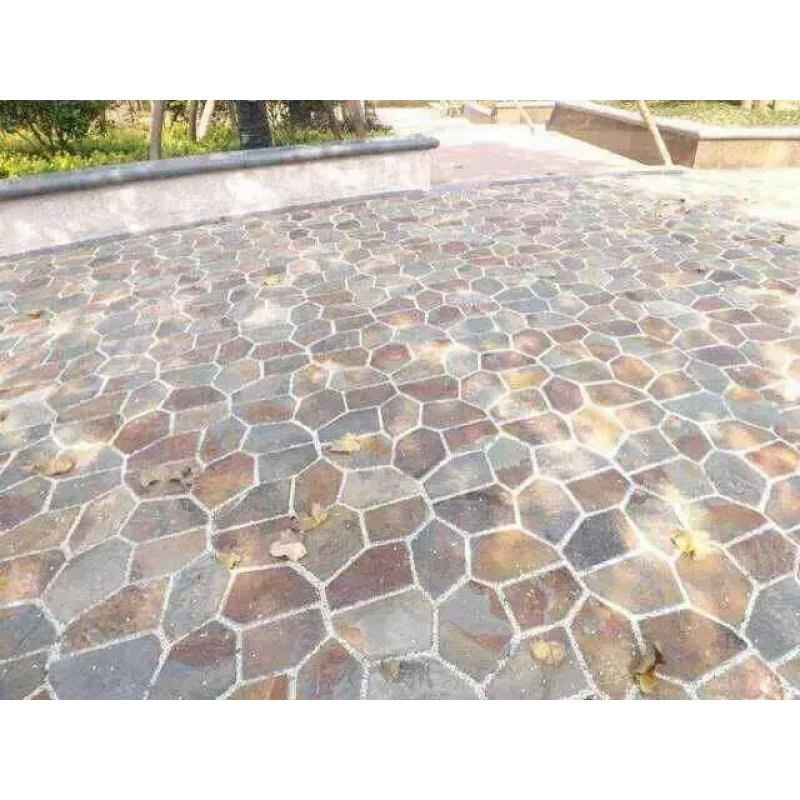
Irregular stones celebrate nature's untamed beauty, with organic shapes and textured surfaces that bring rustic character to landscapes. These freeform pieces excel in creating meandering pathways, dry-stack walls, or naturalistic garden borders. Their varied thickness and edges mimic time-worn stone found in nature, offering a harmonious transition between built environments and the outdoors.
Together, these stone solutions cater to diverse aesthetic visions—paving stones for structured elegance, irregular stones for organic authenticity. Both share exceptional weather resistance and longevity, making them ideal for transforming patios, walkways, and driveways into enduring, visually captivating features. Whether aiming for polished refinement or rugged charm, these materials elevate outdoor spaces with functionality and timeless appeal.
What is the purpose of paving stone?
Paving stones serve both functional and aesthetic roles in landscape and urban design. Primarily, they create durable, stable surfaces for foot and vehicle traffic while allowing proper water drainage through gaps between units—reducing runoff and erosion. Their interlocking design distributes weight evenly, making them ideal for driveways, walkways, and patios that require long-term resilience. Beyond utility, paving stones enhance visual appeal with diverse colors, textures, and patterns that elevate outdoor spaces. Unlike monolithic materials, individual stones can be replaced if damaged, minimizing maintenance costs. They also adapt well to uneven terrain and allow for creative layouts, from geometric precision to organic, freeform designs.
Why choose paving stone over concrete?
Paving stones outperform concrete in durability, flexibility, and design versatility. While concrete is prone to cracking from freeze-thaw cycles or ground movement, interlocking pavers shift slightly to accommodate stress, preventing major damage. Their modular nature allows targeted repairs—only affected stones need replacement, unlike concrete slabs that require full-section repouring. Aesthetically, pavers offer endless customization through mixed colors, shapes, and laying patterns, whereas concrete is limited to stamped or stained finishes that degrade over time. Permeable paver systems also support eco-friendly drainage, reducing water pooling. Though initially more expensive, their longevity and lower lifetime maintenance often make them a smarter investment.
What is the difference between irregular and regular flagstone?
The key distinction between irregular and regular flagstone lies in their shape, application, and aesthetic effect. Irregular flagstone, as the name suggests, features naturally uneven edges and organic forms, creating a rustic, freeform appearance reminiscent of stone found in nature. These pieces vary greatly in size and thickness, requiring skilled installation to fit together like a puzzle, often with wider grout lines that enhance their rugged charm. This type is ideal for informal landscapes, garden pathways, or dry-laid patios where a naturalistic look is desired.
 Moafrika
 Sealbania
 Seamharic
 Searabia
 Searmenia
 Se-Azerbaijani
 Sebasque
 Sebelarusia
 Benghali
  Sebosnia
 Se-Bulgaria
 Secatalan
 Sebuano
 China
China China (Taiwan)
 Corsican
 Secroatia
 Czech
Czech Sedanishe
 Se-Dutch
 Senyesemane
 Esperanto
 Seestonia
 Sefinnishe
 Sefora
 Sefrisia
 Segalician
 Segeorgia
 Sejeremane
 Segerike
 Segujarati
 Secreole sa Haiti
 hausa
hausa siwaiian
 Seheberu
 Che
Che Miao
Miao Se-Hungary
 Seiceland
 igbo
igbo Seindonesia
 irish
irish Setaliana
 Sejapane
 Se-Javanese
 Kannada
 kazakh
 Khmer
Khmer Rwanda
 Sekorea
 Sekurdish
 Sekyrgyz
 Lefuba
 Selatine
 Selatvia
 Selithuania
 Se-Luxembourgish
 Semacedonia
 Malgashi
 Semalay
 Semalayalam
 Semalta
 Semaori
 Marathi
 Mongolian
 Myanmar
 tsa Nepali
 Norwegian
 Norwegian
 Occitan
 Sepashto
 Sepersia
 Sepolishe
 Sepotoketsi
  Sepunjabi
 Seromania
 Serussia
 Sesamoa
 Segaeli sa Scotland
 Seserbia
 Senyesemane
 Seshona
 Sindhi
 Sesinhala
 Seslovak
 Seslovenia
 Somalia
 Sepanish
 Sesundanese
 Seswahili
 Seswedishe
 Setagalog
 Se-Tajik
 Setamil
 Setatare
 Setelugu
 Sethai
 Se-Turkey
 Turkmen
 Seukraine
 Seurdu
 Uighur
 Seuzbek
 Sevietnam
 Welsh
Welsh