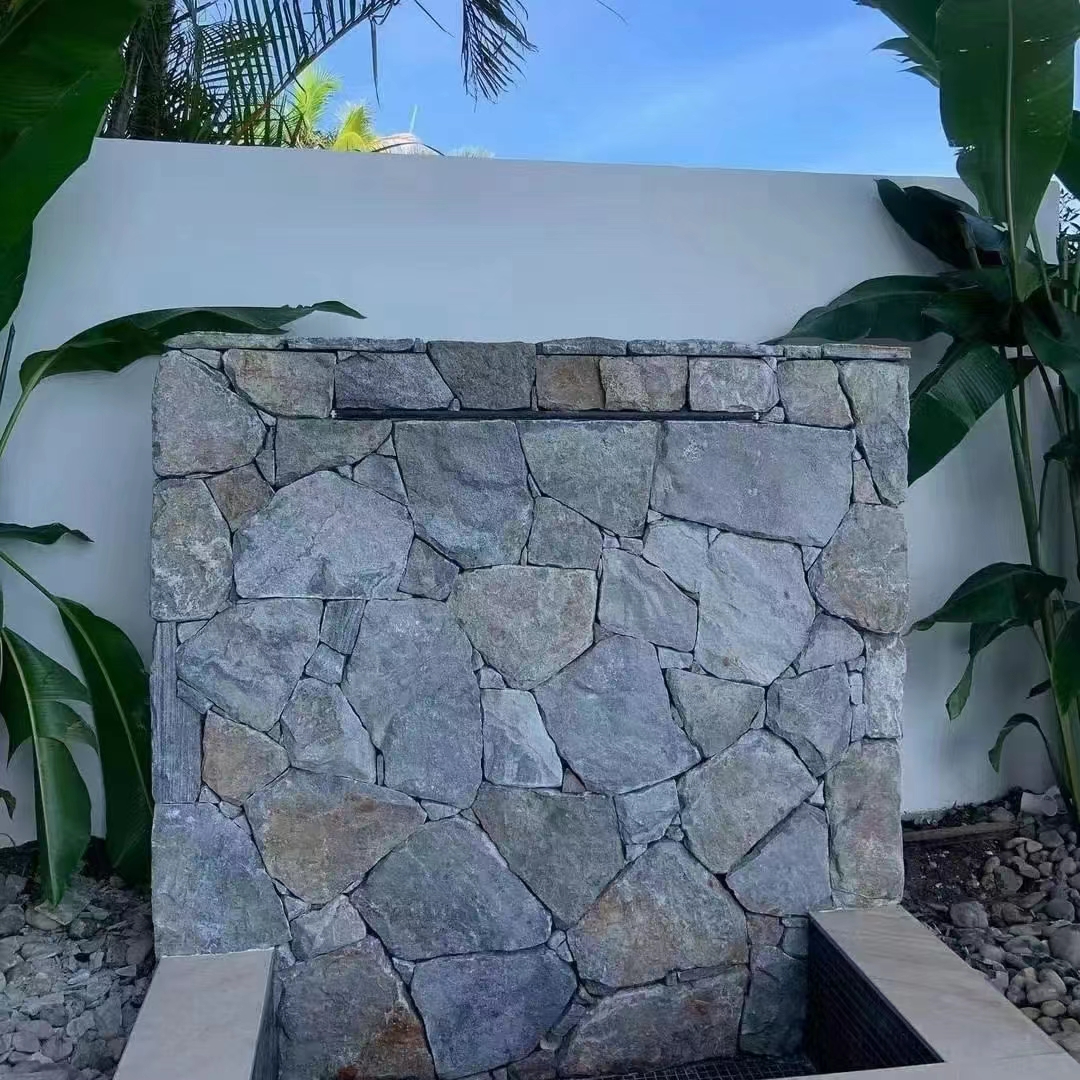
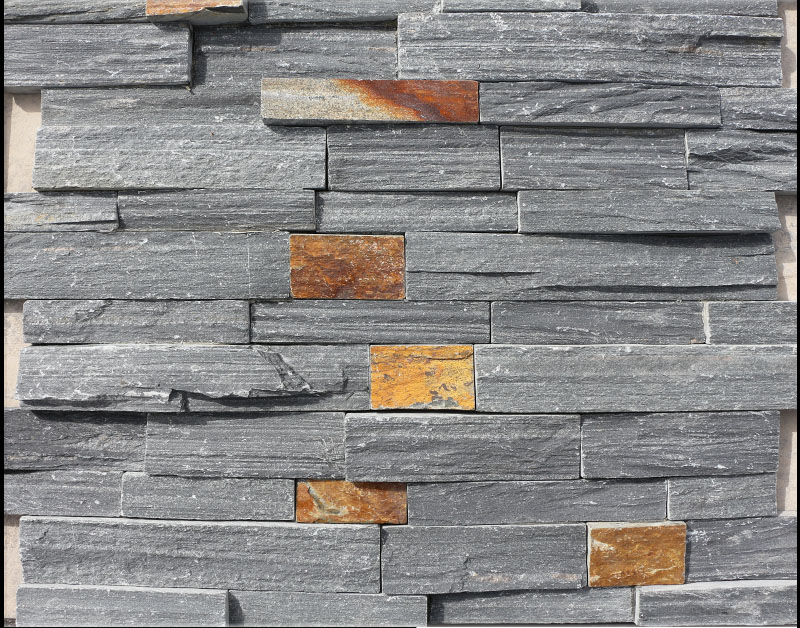
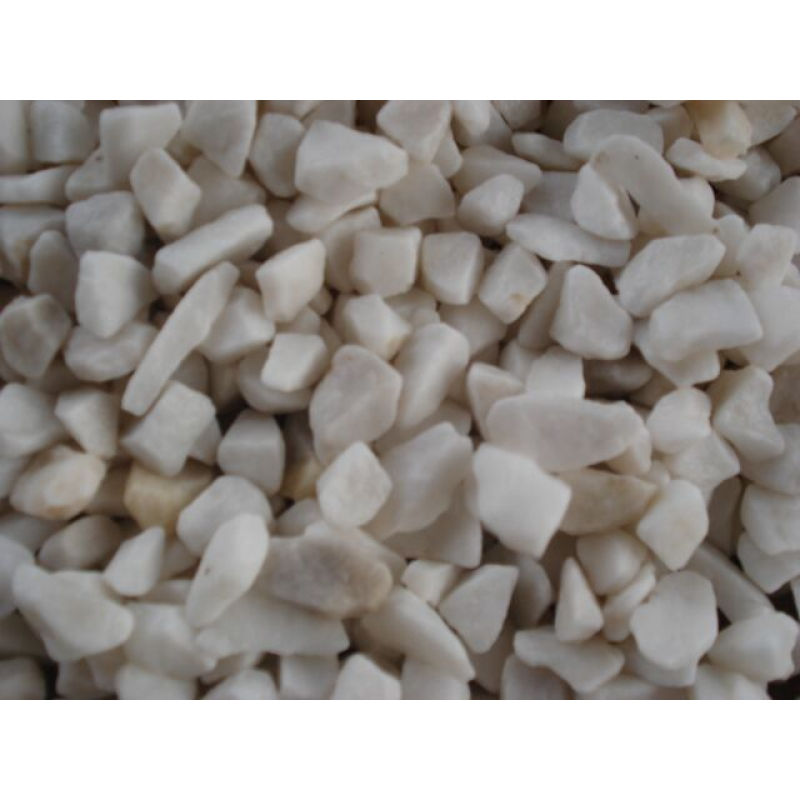
Advancements in technology have meant manufactured stone veneers can offer a realistic aesthetic, especially from a distance. There is also a wide variety of styles, patterns and colours to choose from whether you’re looking to try match the real thing or embrace the man-made appearance.
However, look more closely and the cultured stone veneer doesn’t stand up against the authenticity of natural stone. You’ll often spot several identical stones in the cladding and may even discover some of the stones have a hand-painted finish in an effort to achieve a unique look.
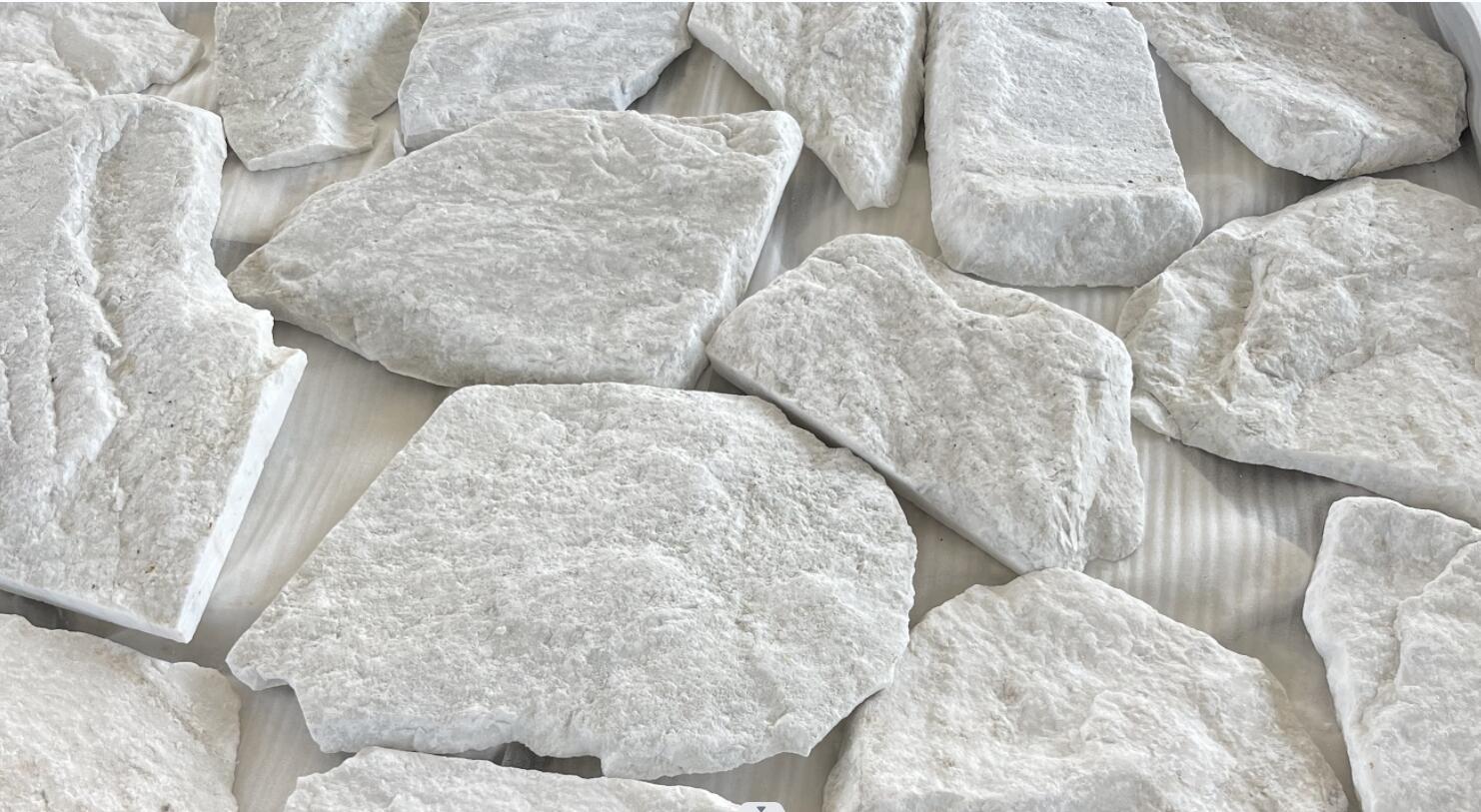
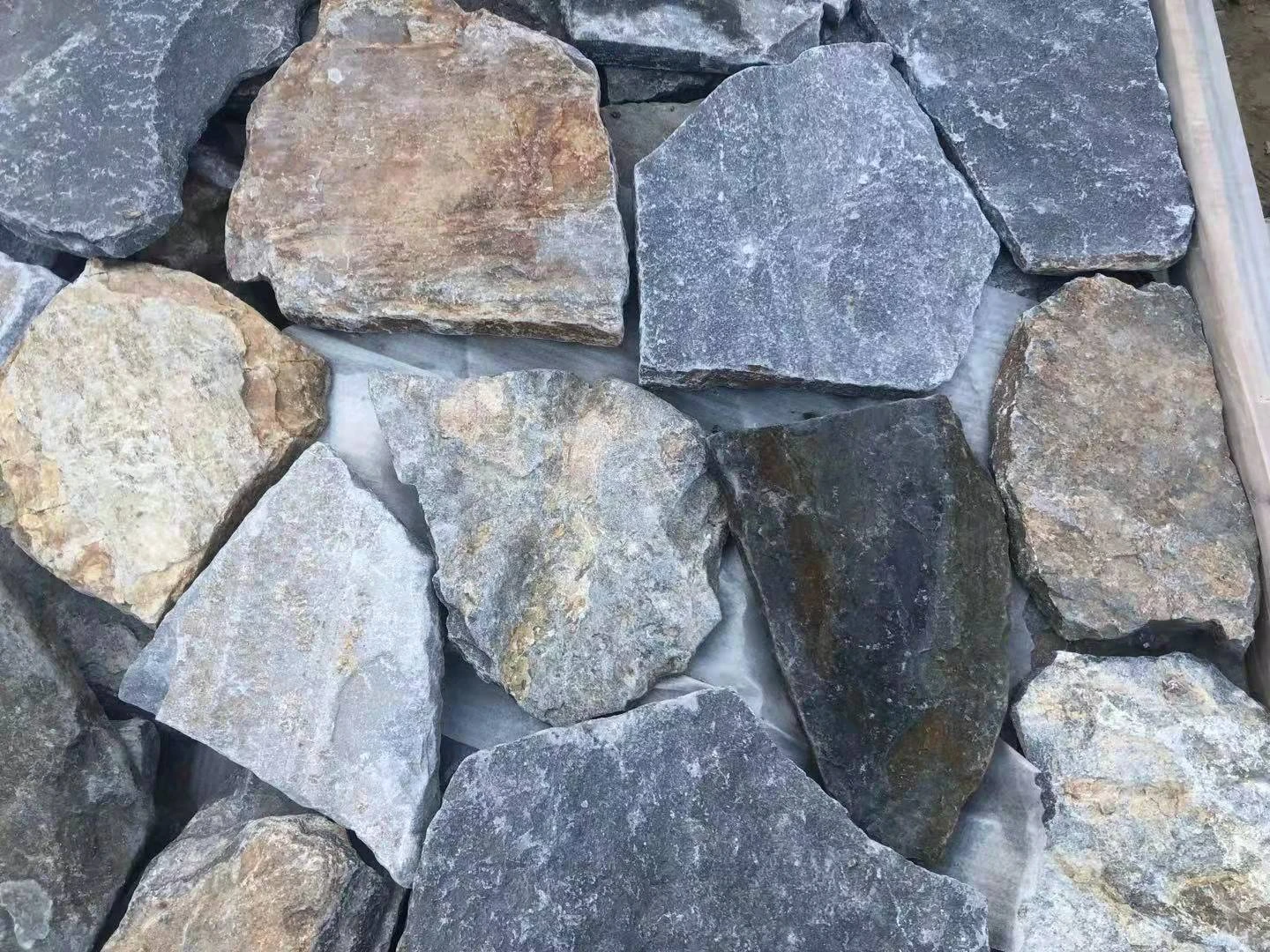
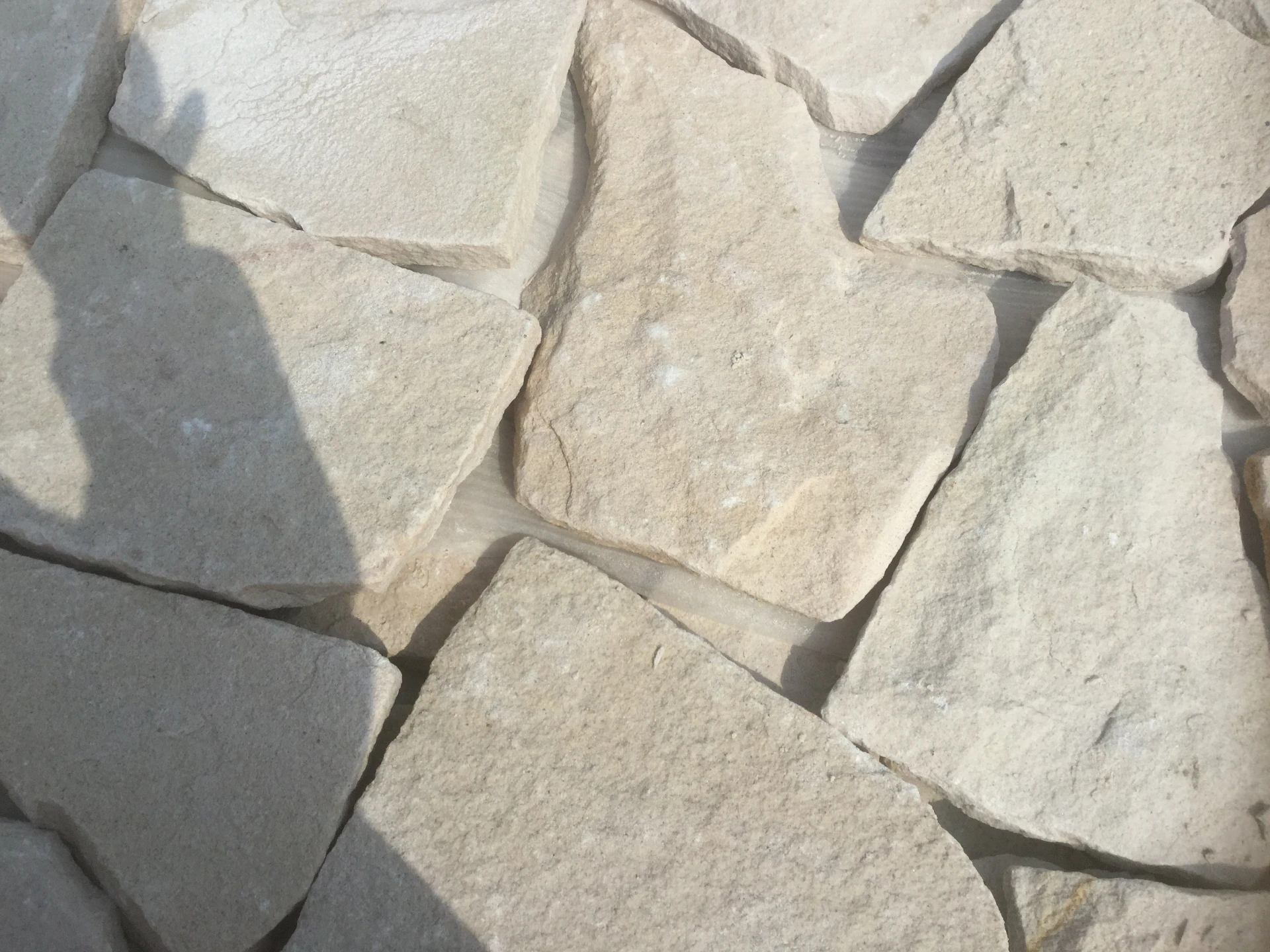
As natural stone veneer is a quarried product, there are no two pieces the same. The colour variations are rich and the texture beckons you to run your hand across the surface. These characteristics are what make this product unique and of an unrivalled appearance.
You may think there is a big difference in the cost of natural stone vs manufactured stone veneer. However, it may be smaller than you imagine.
As man-made cultured veneers have advanced in appearance, the cost-saving benefit of high-quality manufactured cladding products over natural stone has been virtually eliminated.
The costs to transport both natural stone and manufactured cultured stone veneer are relatively similar even though the man-made cladding is slightly more lightweight.
Depending on the type of cladding product you choose, the installation cost of manufactured stone can be slightly less due to the repetitive method of installation. It’s often considered as an easier option too and may be the best if you’re looking to tackle this project without a professional.
The maintenance cost of natural stone is generally less than the man-made product as it can easily be pressure washed clean. Most manufactured stone won’t be able to withstand high pressure or manual scrubbing so is more labour intensive.
One of the main considerations when choosing between natural stone vs manufactured stone cladding is the durability of the product. Both products are considered to fare well, however, there are some differences between the two’s performance long term.
As many of the natural stone cladding ranges are considered less porous than manufactured stone, this can enhance their durability. Manufactured stone can deteriorate over time, especially when exposed to natural elements such as rain, sunlight, dirt and wind.
Perhaps one of the main difference between natural stone veneer and manufactured stone cladding when it comes to durability is its performance under sunlight. As manufactured stone is typically tinted with paint, the colours are will fade and discolour after being exposed to light over a few years. This is particularly the case in outdoor applications. If colour is a driving factor in choosing a cladding material, natural stone veneer should be your first preference.
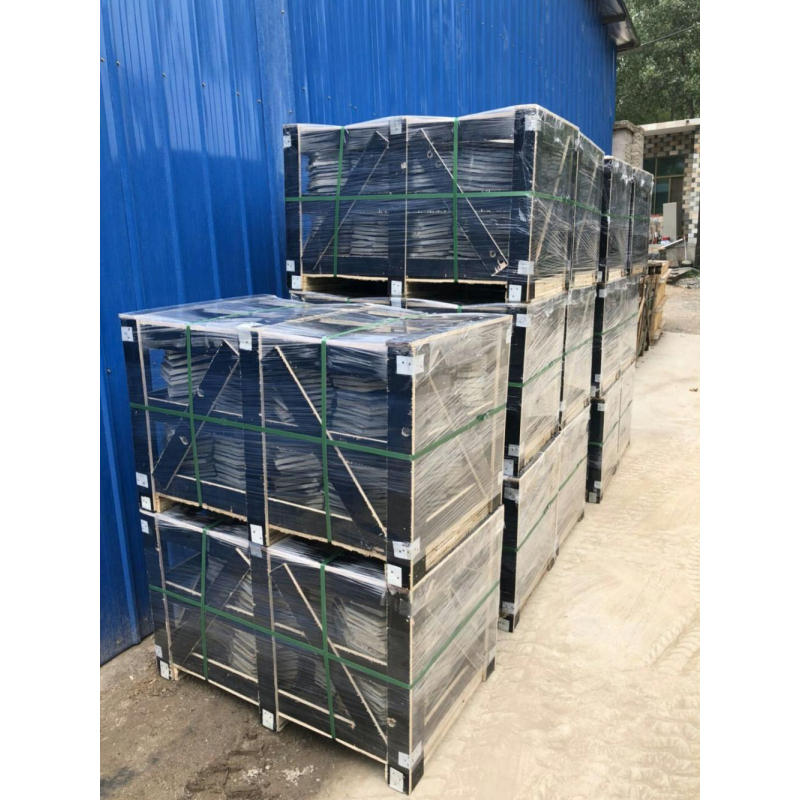
Both cladding materials are highly versatile whether you are using the stone to create an impact with a feature wall or to complete your façade.
One of the main advantages of using a manufactured stone veneer is that it can be fixed to a variety of substrates that don’t need to be structural such as masonry or wood frame. This is because they are the lightest option of the two.
However, man-made stone does come with a limitation of where the cladding is best installed. Exposure to particular elements such as harsh-chemicals can cause the veneer to deteriorate over time. Most manufactured stone veneers won’t be the best option to use in or around swimming pools, for example, as chlorine can cause the product to discolour and weaken. This could lead to water damage and affect the structural integrity of the substrate it is adhered to.
 아프리카 사람
  알바니아
알바니아  암하라어
암하라어  아라비아 말
  아르메니아 사람
  아제르바이잔
  바스크 사람
  벨로루시어
벨로루시어  벵골 사람
벵골 사람  보스니아어
보스니아어  불가리아 사람
  카탈로니아 사람
  세부아노어
세부아노어  중국
중국  중국(대만)
  코르시카어
코르시카어  크로아티아어
  체코 사람
체코 사람  덴마크 말
덴마크 말  네덜란드 사람
  영어
영어  에스페란토 말
  에스토니아 사람
  핀란드어
핀란드어  프랑스 국민
  프리지아어
프리지아어  갈리시아어
갈리시아어  그루지야 사람
  독일 사람
독일 사람  그리스 어
그리스 어  구자라트어
구자라트어  아이티 크리올어
  하우사
하우사  하와이 사람
  헤브라이 사람
  아니요
아니요  먀오족
먀오족  헝가리 인
헝가리 인  아이슬란드어
  이보
이보  인도네시아 인
  아일랜드의
아일랜드의  이탈리아 사람
  일본어
일본어  자바어
자바어  칸나다어
칸나다어  카자흐어
카자흐어  크메르어
크메르어  르완다
르완다  한국인
한국인  쿠르드어
쿠르드어  키르기스어
키르기스어  결핵
결핵  라틴어
라틴어  라트비아 사람
  리투아니아 사람
  룩셈부르크어
  마케도니아 어
  말가시
말가시  말레이 사람
  말라얄람어
말라얄람어  몰티즈
몰티즈  마오리족
마오리족  마라티어
마라티어  몽고 어
몽고 어  미얀마
미얀마  네팔어
네팔어  노르웨이 인
  노르웨이 인
  옥시탄
옥시탄  파슈토어
파슈토어  페르시아 인
  광택
광택  포르투갈 인
  펀자브어
펀자브어  루마니아 사람
  러시아인
러시아인  사모아어
사모아어  스코틀랜드 게일어
  세르비아 사람
  영어
영어  쇼나
쇼나  신디어
신디어  신할라어
신할라어  슬로바키아 사람
  슬로베니아
슬로베니아  소말리아어
소말리아어  스페인의
스페인의  순다어
순다어  스와힐리어
스와힐리어  스웨덴어
스웨덴어  타갈로그어
타갈로그어  타직어
타직어  타밀 사람
타밀 사람  타타르어
타타르어  텔루구어
텔루구어  태국어
태국어  터키어
터키어  투르크멘 말
  우크라이나 인
  우르두어
우르두어  위구르어
위구르어  우즈벡어
우즈벡어  베트남어
베트남어  웨일스 말
웨일스 말