

Advancements in technology have meant manufactured stone veneers can offer a realistic aesthetic, especially from a distance. There is also a wide variety of styles, patterns and colours to choose from whether you’re looking to try match the real thing or embrace the man-made appearance.
However, look more closely and the cultured stone veneer doesn’t stand up against the authenticity of natural stone. You’ll often spot several identical stones in the cladding and may even discover some of the stones have a hand-painted finish in an effort to achieve a unique look.
As natural stone veneer is a quarried product, there are no two pieces the same. The colour variations are rich and the texture beckons you to run your hand across the surface. These characteristics are what make this product unique and of an unrivalled appearance.
You may think there is a big difference in the cost of natural stone vs manufactured stone veneer. However, it may be smaller than you imagine.
As man-made cultured veneers have advanced in appearance, the cost-saving benefit of high-quality manufactured cladding products over natural stone has been virtually eliminated.
The costs to transport both natural stone and manufactured cultured stone veneer are relatively similar even though the man-made cladding is slightly more lightweight.
Depending on the type of cladding product you choose, the installation cost of manufactured stone can be slightly less due to the repetitive method of installation. It’s often considered as an easier option too and may be the best if you’re looking to tackle this project without a professional.
The maintenance cost of natural stone is generally less than the man-made product as it can easily be pressure washed clean. Most manufactured stone won’t be able to withstand high pressure or manual scrubbing so is more labour intensive.
One of the main considerations when choosing between natural stone vs manufactured stone cladding is the durability of the product. Both products are considered to fare well, however, there are some differences between the two’s performance long term.
As many of the natural stone cladding ranges are considered less porous than manufactured stone, this can enhance their durability. Manufactured stone can deteriorate over time, especially when exposed to natural elements such as rain, sunlight, dirt and wind.
Perhaps one of the main difference between natural stone veneer and manufactured stone cladding when it comes to durability is its performance under sunlight. As manufactured stone is typically tinted with paint, the colours are will fade and discolour after being exposed to light over a few years. This is particularly the case in outdoor applications. If colour is a driving factor in choosing a cladding material, natural stone veneer should be your first preference.
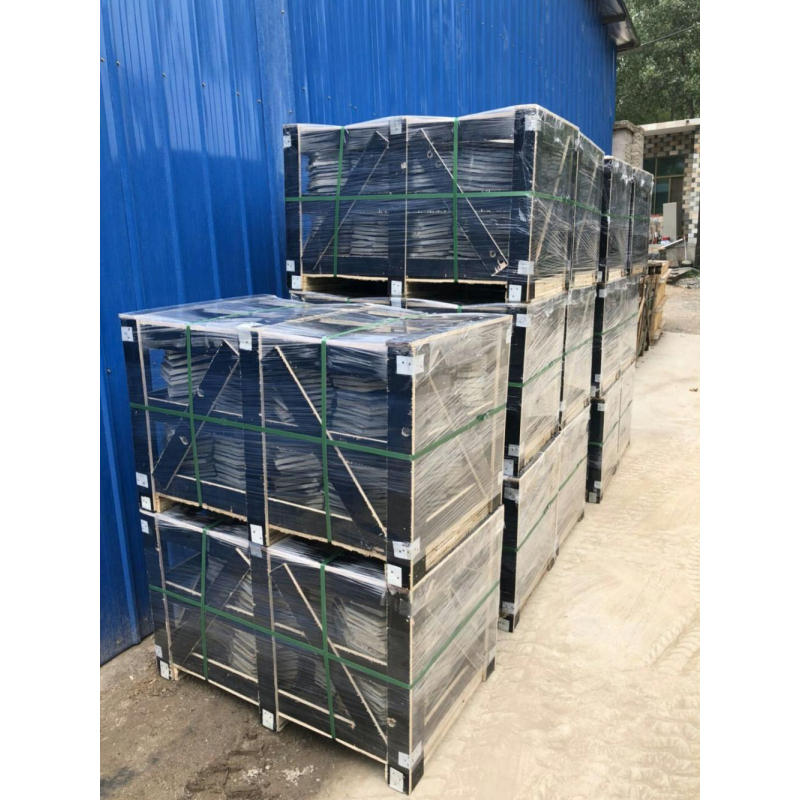
Both cladding materials are highly versatile whether you are using the stone to create an impact with a feature wall or to complete your façade.
One of the main advantages of using a manufactured stone veneer is that it can be fixed to a variety of substrates that don’t need to be structural such as masonry or wood frame. This is because they are the lightest option of the two.
However, man-made stone does come with a limitation of where the cladding is best installed. Exposure to particular elements such as harsh-chemicals can cause the veneer to deteriorate over time. Most manufactured stone veneers won’t be the best option to use in or around swimming pools, for example, as chlorine can cause the product to discolour and weaken. This could lead to water damage and affect the structural integrity of the substrate it is adhered to.
 Người châu Phi
  tiếng Albania
  tiếng Amharic
  tiếng Ả Rập
  tiếng Armenia
  Tiếng Azerbaijan
  Tiếng Basque
  Người Belarus
  tiếng Bengali
  tiếng Bosnia
  tiếng Bungari
  tiếng Catalan
  Cebuano
  Trung Quốc
  Trung Quốc (Đài Loan)
  Corsican
  tiếng Croatia
  tiếng Séc
  người Đan Mạch
  tiếng Hà Lan
  Tiếng Anh
  Quốc tế ngữ
  tiếng Estonia
  tiếng Phần Lan
  người Pháp
  tiếng Frisia
  tiếng Galicia
  tiếng Gruzia
  tiếng Đức
  người Hy Lạp
  Gujarati
  Tiếng Creole Haiti
  hausa
hausa  người Hawaii
  tiếng Do Thái
  Không
Không  Miêu
Miêu  người Hungary
  tiếng Iceland
  igbo
igbo  tiếng Indonesia
  người Ailen
  người Ý
  tiếng Nhật
  tiếng Java
  tiếng Kannada
  tiếng Kazakhstan
  tiếng Khmer
  người Rwanda
  Hàn Quốc
  người Kurd
  Tiếng Kyrgyzstan
  Lao
Lao  Latin
Latin  tiếng Latvia
  tiếng Litva
  Tiếng Luxembourg
  Tiếng Macedonia
  Malgashi
  Mã Lai
  Mã Lai
  cây nho
  người Maori
  Tiếng Marathi
  tiếng Mông Cổ
  Myanmar
  tiếng Nepal
  người Na Uy
  người Na Uy
  tiếng Occitan
  Tiếng Pa-tô
  tiếng Ba Tư
  Đánh bóng
  tiếng Bồ Đào Nha
  Tiếng Punjab
  người Rumani
  tiếng Nga
  Tiếng Samoa
  Tiếng Gaelic của Scotland
  tiếng Serbia
  Tiếng Anh
  Shona
Shona  tiếng Sindhi
  Sinhala
  Tiếng Slovak
  tiếng Slovenia
  tiếng Somali
  người Tây Ban Nha
  Tiếng Sundan
  tiếng Swahili
  tiếng Thụy Điển
  Tagalog
  Tiếng Tajik
  Tiếng Tamil
  Tatar
Tatar  tiếng Telugu
  tiếng Thái
  tiếng Thổ Nhĩ Kỳ
  người Thổ Nhĩ Kỳ
  tiếng Ukraina
  tiếng Urdu
  người Duy Ngô Nhĩ
  tiếng Uzbek
  Tiếng Việt
  người xứ Wales




