

Blog

-
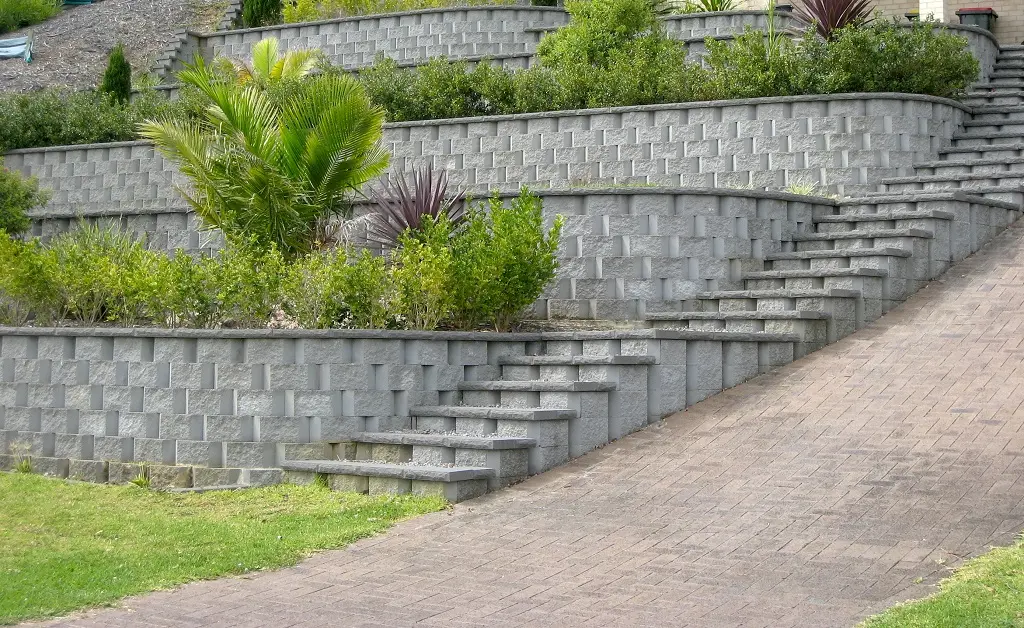 Retaining walls are built to hold back an embankment of soil from a lower area. They control erosion, create flat areas for use, and can be made from masonry, wood, or stone. You can expect to pay around $19 per square foot on a tighter budget. For those with a higher budget, expect to pay closer to $50 per square foot. On average, most people spend about $23 per square foot on their retaining wall.Pānuitia atu
-
 Mai i nga koeko ki te Parthenon, he maha nga mano tau e hanga ana te tangata ki te kohatu. I roto i nga kohatu taiao rongonui e whakamahia ana mo te hanga ko te basalt, te kowhatu, te travertine, me te papa. Ko nga kaitoi, kaitoha, he masonry ranei ka korero ki a koe he tino roa te kohatu taiao, he pai te utu mo te haumi.Pānuitia atu
-
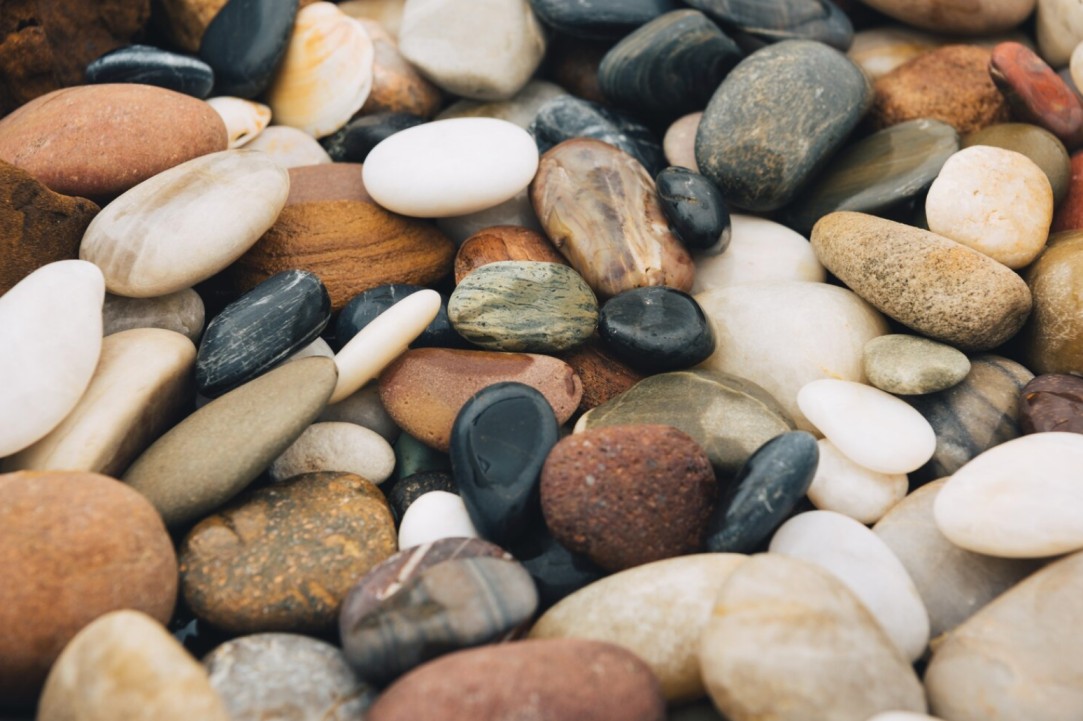 Ko te kohatu taiao te mea hanga tuatahi i roto i te hitori o te hoahoanga tangata, he mea nui ki te ao o ia ra. Ko nga hua o te Kohatu Taiao e whakamahia nuitia ana i roto i nga taunga rererangi, te tereina tereina, nga hotera teitei me etahi atu whare whanui nui, nga whare tari hokohoko, nga whare noho, nga urupa, nga tohu, me era atu.Pānuitia atu
-
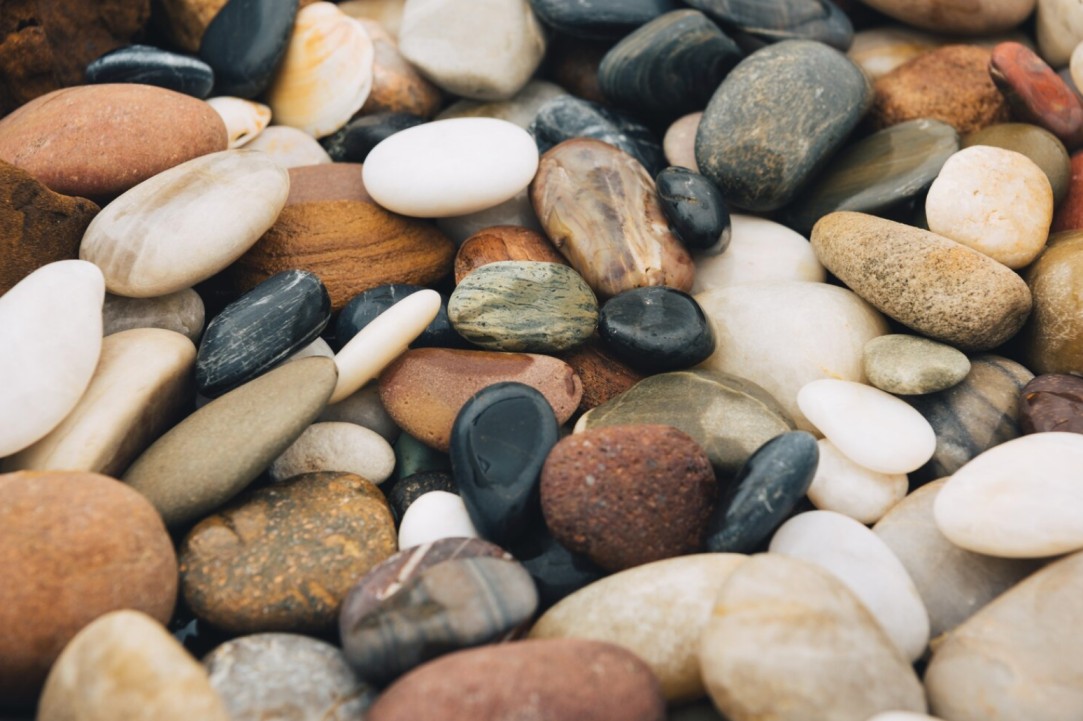 Ko nga toka ngiha i hanga mai i te magma, ka puta mai nga toka parataiao na te kino o te tinana, te matū me te waro, te huarere o nga toka ngiha, tae atu ki nga hua o te mahi nui a nga tipu me nga rauropi kararehe e noho ana i nga ipu wai nunui.Pānuitia atu
-
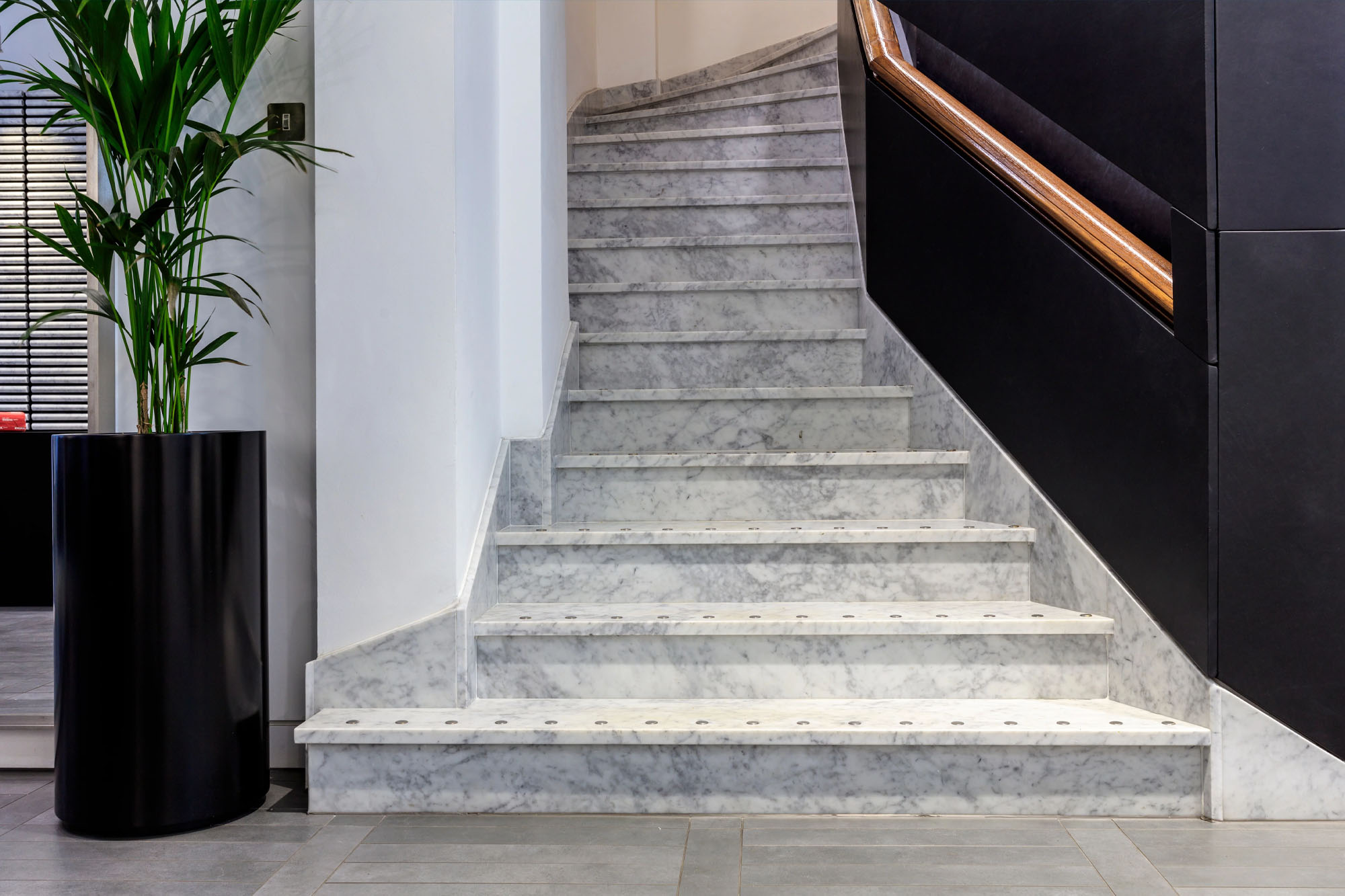 Why are some natural stones considered to be soft when they all appear to be hard? The answer lies within ‘relative’ hardness. Mohs scale of hardness was invented in 1812 and compares the relative hardness of ten minerals.Pānuitia atu
-
 Natural stone; It is defined as mineral, stone or organic matter that can be cut, polished, and therefore used in many forms. Natural stones are often used in jewelry and decorative ornaments.Pānuitia atu
-
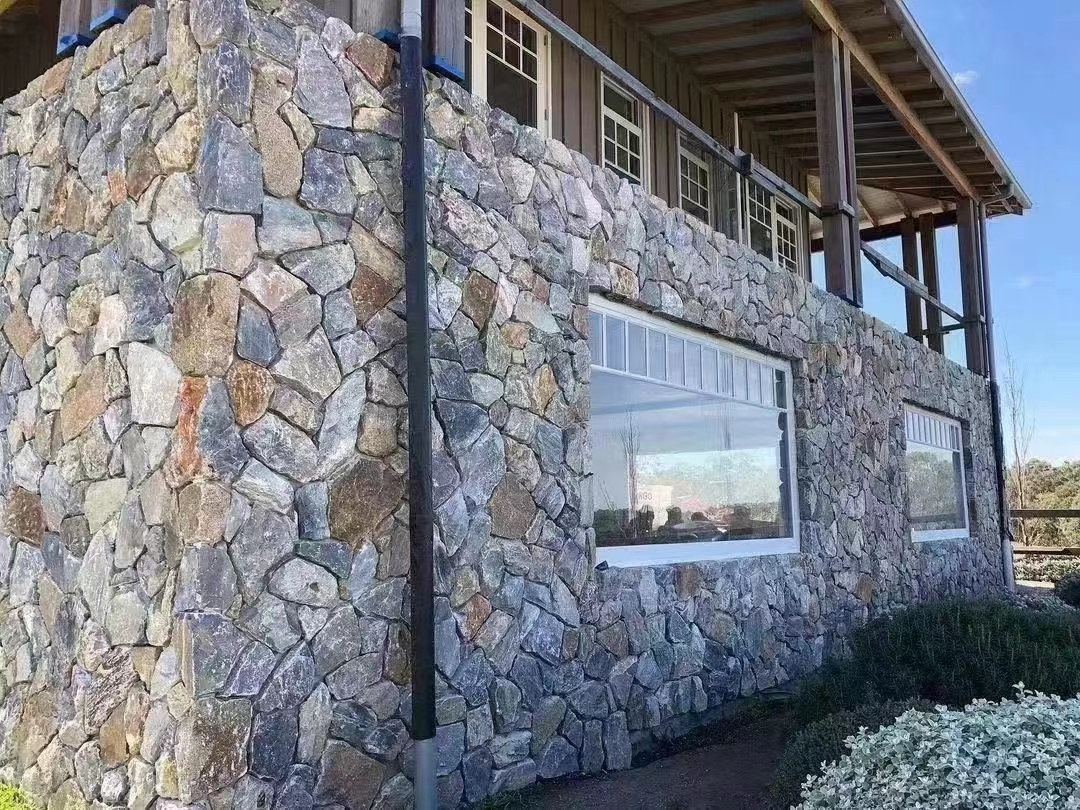 Do you love natural stone? Me too. Fans of natural stone countertops, tiles, fireplaces, walls, and building stone are natural allies to geologists. We all share a similar zeal for a glimmer of garnet and the sexy sparkle of marble. The two disciplines have different ways of organizing and thinking about stone, which makes sense because we’re interested in different things.Pānuitia atu
-
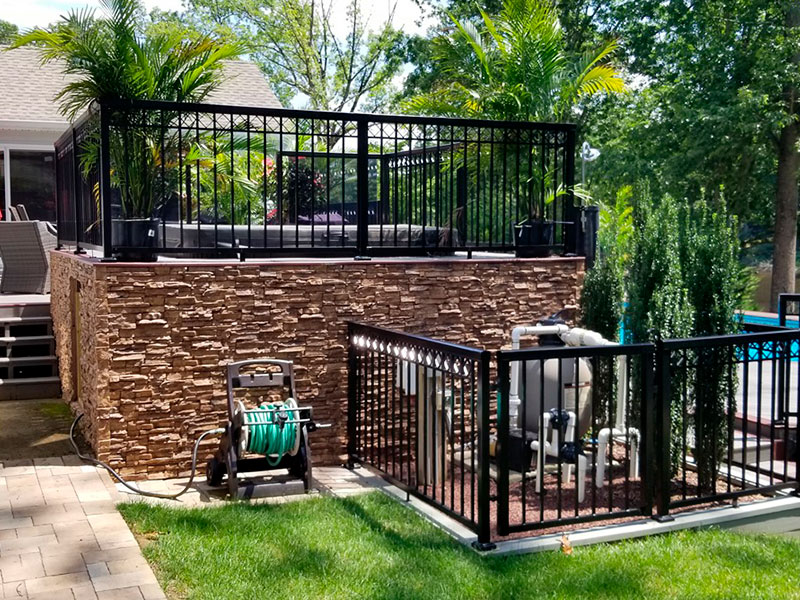 Ko te kowhatu taiao tetahi o nga rawa pai mo te taha o waho o te kaainga, engari ehara i te mea ko te whiriwhiri tika mo nga rangatira whare. He taumaha me te utu nui ki te whakauru. I muri mai, ka tae mai nga panui kowhatu kohatu o waho he mea iti ake, he maamaa, he maamaa hoki.Pānuitia atu
-
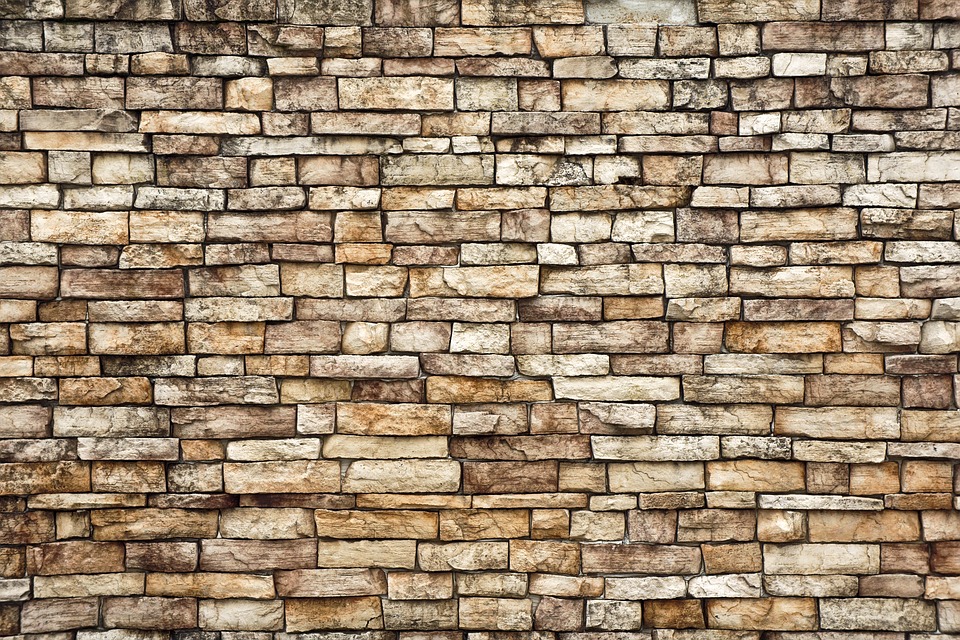 Ko te Ledgestone (e mohiotia ana ko te kowhatu pukapuka, he kowhatu tapae ranei) kei te rongonui i tenei wa, engari kua hoki mai tona ataahua i nga tau me nga tau.Pānuitia atu
-
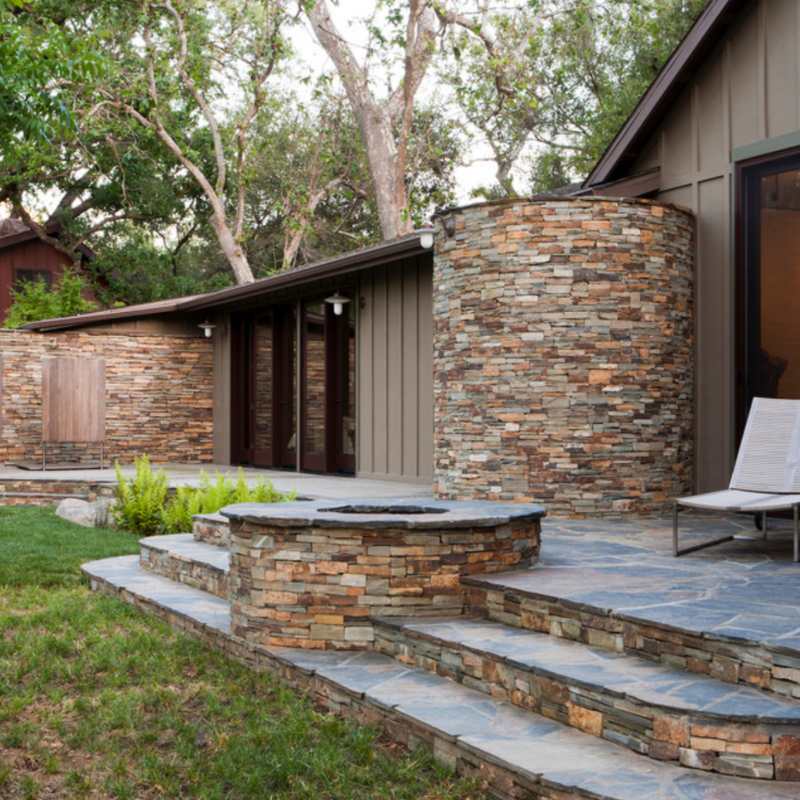 Kua rite ki te whakahou i to waahi o waho? Ahakoa mo to papa o mua, te waahi kai o waho, he pakitara nako noa ranei, whakamahia te pukapuka pukapuka kohatu hei kawe mai i te mauri o te taiao ki to waahi.Pānuitia atu
-
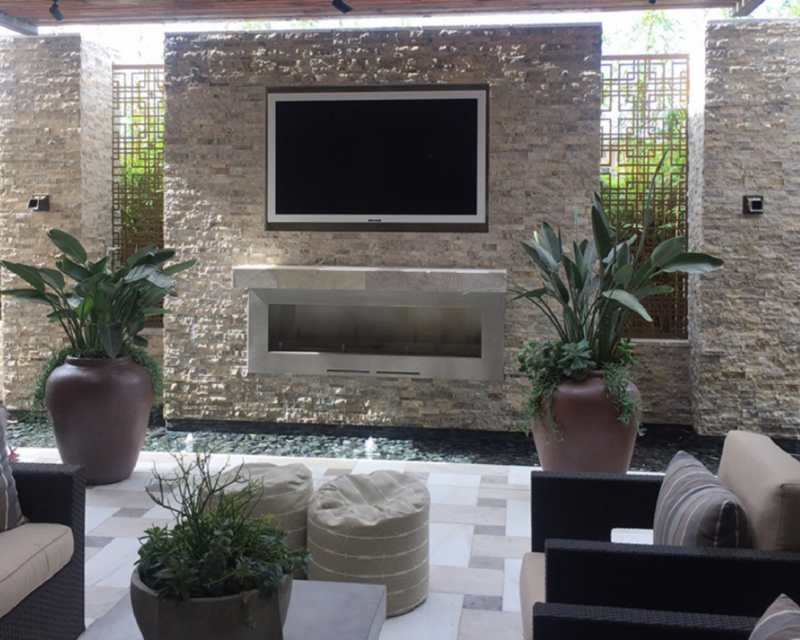 Mo te taapiri i te mahana me te ahua ki roto, ki waho hoki o to kaainga, kaore he mea penei i te kowhatu pukapuka pukapuka.Pānuitia atu
-
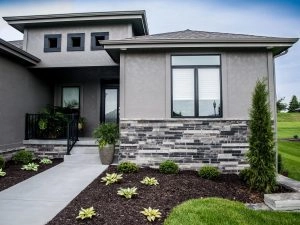 Ko te whakauru i nga kowhatu tapae ki roto i nga mahi whakaraerae o to kaainga ko tetahi o nga huarahi tino whai hua ki te whakapai ake i nga waahi noho o waho, o waho hoki o to whare. Ehara i te mea he tino rongonui, he ataahua, he wa roa - he ngawari hoki, he iti te tiaki, he mihi ki nga panui pukapuka kohatu kua tapapa a MSI.Pānuitia atu
 Awherika
 Albanian
 Amharic
 Arapi
 Arameina
 Azerbaijani
 Basque
 Belarusian
 Bengali
 Bosniana
 Bulgarian
 Katarana
 Cebuano
 Haina
 Haina (Taiwan)
 Korihika
 Koroatiana
 Czech
 Teniana
 Tatimana
 Ingarihi
 Esperanto
 Estonian
 Finnish
 Wīwī
 Frisian
 Kariri
 Georgian
 Tiamana
 Kariki
 Gujarati
 Haiti Creole
 hausa
 hawaii
 Hiperu
 Kao
 Miao
 Hungarian
 Tiorangi
 igbo
 Initonia
 Irish
 Itariana
 Hapanihi
 Hawaana
 Kannada
 Kazakh
 Khmer
 Rwandan
 Koreana
 Kurdish
 Kyrgyz
 TB
 Latina
 Latvian
 Lithuania
 Luxembourgish
 Makeronia
 Malgashi
 Malay
 Malayalam
 Marite
 Maori
 Mareti
 Mongolian
 Myanmar
 Nepali
 Norewai
 Norewai
 Occitan
 Pashto
 Pahia
 Porohia
 Potiti
 Punjabi
 Romanian
 Ruhia
 Hamoa
 Scottish Gaelic
 Serbian
 Ingarihi
 Shona
 Sindhi
 Sinhala
 Slovak
 Slovenian
 Somali
 Paniora
 Hatana
 Swahili
 Huitene
 Tagalog
 Tajik
 Tamil
 Tatara
 Telugu
 Thai
 Turiki
 Turkmen
 Iukereiniana
 Urdu
 Uighur
 Uzbek
 Vietnamese
 Welsh