

.jpg "Top 10 Momo Kohatu e whakamahia ana i roto i te hanga kohatu whenua")
Mai i nga koeko ki te Parthenon, he maha nga mano tau e hanga ana te tangata ki te kohatu. I roto i nga kohatu taiao rongonui e whakamahia ana mo te hanga ko te basalt, te kowhatu, te travertine, me te papa. Ko nga kaitoi, kaitoha, kaitoha ranei ka korero ki a koe kohatu maori he tino roa, he utu pai mo te haumi.
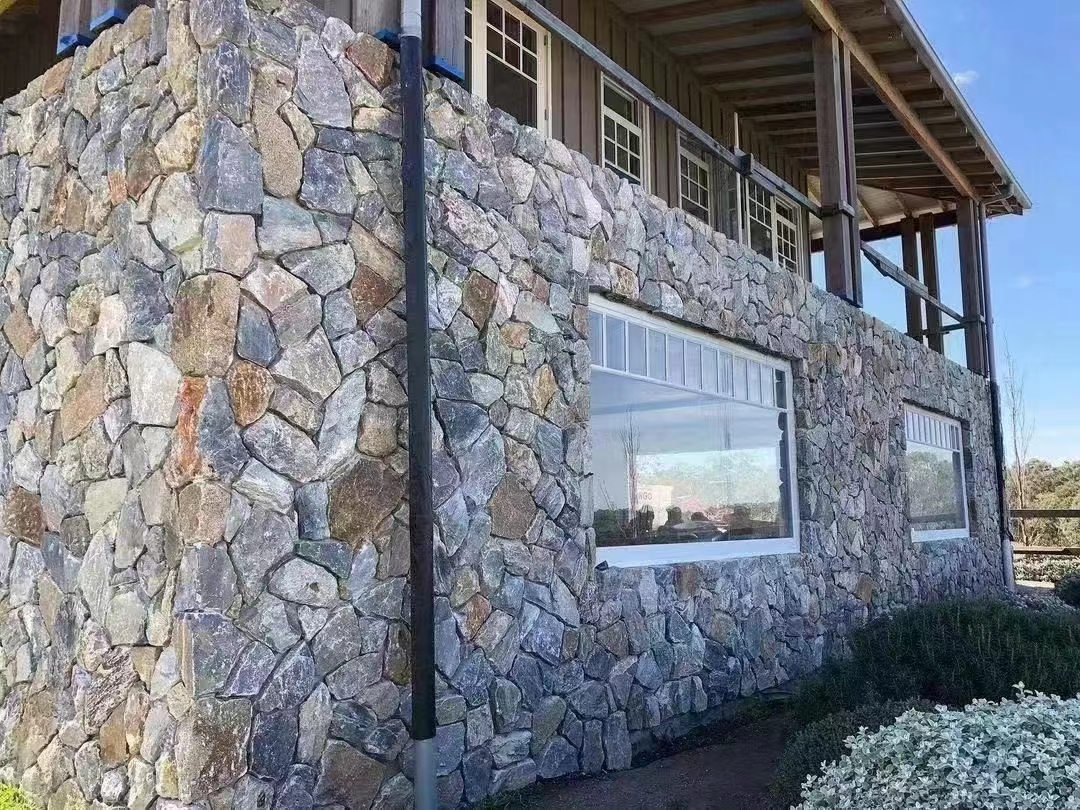
The technical characteristics of different stone such as porosity, compression strength, heat endurance thresholds, and frost resistance, will affect a stone’s application. Stones like basalt, granite, and sandstone fare well for massive construction projects like dams and bridges, whereas travertine, quartzite, and marble work better for interior construction and decoration.
In this blog, we’ll explore different stone types and uses to give you a broad overview of their unique qualities and applications.
While stone and rock are used interchangeably, they are different regarding internal structure and composition. Rocks form part of the earth’s crust and are found virtually everywhere, whereas stones are hard substances like limestone or sandstone extracted from rock, for example.
Ko te rereketanga nui ko te toka he nui ake ka pakaru ki te tiki i nga huānga kohuke, ka taea te sima te kowhatu hei hanga i nga waahanga pai mo te hanga. Ki te kore he toka, karekau he kowhatu.
Whether igneous, metamorphic, or sedimentary, rocks used for building materials contain different types of stone that can construct some of the most magnificent architectural feats. There are three main types of rock. Let’s examine them more closely.
Named after the Latin word for fire, Igneous rocks form when hot, molten magma solidifies below the earth’s surface. This type of rock is divided into two groups, intrusive or extrusive, depending on where the molten rock solidifies. Intrusive igneous rock crystallizes below the earth’s surface, and extrusive rocks erupt onto the surface.
Ko te toka ngiha mo te hanga ko enei momo kohatu:
Metamorphic rock starts as one type of rock but due to pressure, heat, and time, gradually transforms into a new rock type. Although it forms deep within the earth’s crust, it's often exposed on our planet’s surface after geological uplift and the erosion of rock and soil above it. These crystalline rocks tend to have a foliated texture.
Ko te toka metamorphic mo te hanga ko enei momo kohatu:
This rock is always formed in layers called “strata” and often contains fossils. Pieces of rock are loosened by weather, then transported to a basin or depression where the sediment is trapped, and lithification (compaction) takes place. The sediment is deposited in flat, horizontal layers, with the oldest layers on the bottom and younger layers on top.
Kei raro iho nei nga momo kohatu e tekau e whakamahia ana mo nga rau tau, ka noho tonu hei waahanga, ka whakamahia i roto i to tatou ao hou i enei ra.
This coarse-grained intrusive igneous rock is composed chiefly of quartz, feldspar, and plagioclase. Granite gets its signature color speckles from crystallization — the longer the molten rock has to cool, the larger the grains of color.
Available in white, pink, yellow, gray, and black, this building stone is lauded for its durability. As the earth’s most durable and common igneous rock, kiriweti he pai rawa te whiriwhiri mo nga papaa, monuments, papa, piriti, pou, me nga papa.
Te kirikiri he toka parataiao matarohia i mahia mai i te kirikiri kirikiri o te kiripaka me te feldspar. He pakari, he atete ki te huarere, he maha nga wa e whakamahia ana tenei kowhatu hanga whare mo te whakakii i nga whaa me nga pakitara o roto, tae atu ki nga taumanu maara, nga papanga whariki, nga tepu parani, me nga taha o te puna kaukau.
Ko tenei kowhatu he tae rite ki te onepu, engari ko te nuinga o nga tae he tan, he parauri, he hina, he ma, he whero me te kowhai. Mena he nui te kiripaka o roto, ka pakaruhia te kirikiri ka whakamahia hei puna mo te hanga karaihe.
He mea hanga mai i te konupora me te konupora, he hina te nuinga o tenei toka parataiao ngawari engari he ma, he kowhai, he parauri ranei. Mai i te tirohanga matawhenua, ka hangahia te kowhatu kowhatu i roto i te wai hohonu o te moana, i te whakaetonga wai ranei i te wa o te hanganga ana.
Ko tetahi ahuatanga motuhake o tenei toka ko te mea tuatahi ko te calcite, he mea hanga i te nuinga o nga mea na roto i te mahanga o nga rauropi hanga anga me te hanga kao. Ko te pākeho hei taonga hanga whare ka whakamahia i roto i nga tono hoahoanga mo nga pakitara, whakapaipai whakapaipai, me te whakakikorua.
Dark and heavy, this extrusive, igneous rock makes up most of the planet’s oceanic crust. Basalt is black, but after extensive weathering, may turn green or brown. Additionally, it contains some light-colored minerals like feldspar and quartz, but these are difficult to see with the naked eye.
He nui te rino me te konupora, ka whakamahia te basalt i roto i te hanganga ki te hanga poraka whare, toka toka, taera papa, kohatu rori, peera reriwe, me nga whakapakoko. 90% o nga toka puia katoa he basalt.
E arohaina ana, puta noa i nga wa katoa, mo tona ahuareka me te ataahua, ko te mapere he toka metamorphic ataahua ka puta i te wa e pa ana te kowhatu ki te pehanga teitei, te wera ranei. Ko te tikanga kei roto etahi atu kohuke penei i te quartz, graphite, pyrite, me nga waikura rino e hoatu ana ki a ia he momo tae mai i te mawhero ki te parauri, te hina, te matomato, te pango, te tae rereke ranei.
Na tona ahua ahurei me te ahua huatau, ko te mapere te kohatu tino pai mo te hanga tohu whakamaharatanga, te whakapaipai o roto, te tihi-tepu, te whakairo, me nga mea hou. Ko te mapere ma tino rongonui ka keria i Carrara, Itari.
Ko te Slate he toka parataiao pai, he rau, he toka parataiao i ahu mai i te toka toka i titoa mai i te uku, i te pungarehu puia ranei. Ko nga kohuke uku taketake i roto i te toka ka huri ki te mica ka pa ana ki te piki haere o te wera me te pehanga.
Gray in color, slate contains quartz, feldspar, calcite, pyrite, and hematite, among other minerals. It’s a desirable building stone that’s been utilized in construction since ancient Egyptian times. Today, it’s used as roofing, flagging, decorative aggregates, and flooring because of its attractiveness and durability.
Pumice is a porous igneous rock produced during volcanic eruptions. It forms so rapidly that its atoms don’t have time to crystallize, essentially rendering it a solidified foam. While it occurs in various colors like white, gray, blue, cream, green, and brown, it is almost always pale.
Ahakoa he kakano pai, he taratara te mata o tenei kohatu. Ka whakamahia te paura paura hei whakahiato i roto i te raima maamaa mo te whakamaarama, hei kohatu whakakoi, me nga momo hua ahumahi me nga kaihoko, me te kohatu whakakoi.
Ina whakarereketia te kirikiri whai rawa ki te kiripaka e te wera, te pehanga, me te mahi matū o te metamorphism, ka huri hei quartzite. I te wa o te mahi, ka hono tahi nga kirikiri kirikiri me te silica ciment, ka puta he kupenga kaha o nga kakano kiripaka honohono.
Ko te Quartzite he ma, he maama ranei te tae, engari ko etahi atu taonga e mauria ana e te wai o te whenua ka puta he tae o te kaakaariki, te puru, te rino-whero ranei. Koia tetahi o nga kohatu tino pai mo te hanga i nga papaa, papa, taera tuanui, me nga hikoi o te arawhata na te ahua o te mapere me te ahua o te kirikiri.
Travertine he momo kowhatu papake whenua i hangaia e nga putunga kohuke tata ki nga puna maori. Ko tenei toka parataiao he kiko, he kikorangi te ahua, ka tae mai i roto i nga atarangi o te ma, te tan, te kirīmi me te waikura. Ko tana kakano ahurei me ona tae whenua ataahua ka rongonui mo nga tono hanga.
This versatile stone variety is commonly used for indoor and outdoor flooring, spa walls, ceilings, facades, and wall cladding. It’s an affordable option compared to other natural stones like marble, yet still maintains a luxurious appeal.
Ko te gypsum reo-maroke, he ma, he maramara te nuinga o te wa o te alabaster me te witi whakakakahu pai.
Its small natural grain is visible when held up to the light. Because it’s a porous mineral, this stone can be dyed in a variety of colors.
It has been used for centuries to make statues, carvings, and other decorative and ornamental work. While the splendor of alabaster is undeniable, it is a soft metamorphic rock that’s only really suitable for indoor applications.
The many natural stone products on the market and their unique characteristics can make it challenging for contractors and homeowners to select the correct ones for their projects. If you’re new to the process, the first thing to consider is the location of the stone installation. For instance, the type of stones for floor applications will differ if it’s indoors or outdoors.
Then you’ll need to evaluate the stone’s durability, the fabricator’s warranty, and its grade. There are three grades of natural stone: commercial, standard, and first choice. Standard grade is a good fit for interior applications, like countertops, whereas commercial-grade, may be better for apartment or hotel projects where only a portion of slab is required, and large imperfections can be avoided.
There’s a lot to consider, right? As well-seasoned experts in the stone business, our team at Stone Center can help you with stone selection for residential and commercial stone projects, regardless of their scale. Why not start by taking a look at our extensive catalog of premium kohatu hanga?
 Awherika
  Albanian
  Amharic
  Arapi
Arapi  Arameina
  Azerbaijani
  Basque
  Belarusian
  Bengali
  Bosniana
  Bulgarian
  Katarana
  Cebuano
  Haina
Haina  Haina (Taiwan)
  Korihika
  Koroatiana
  Czech
Czech  Teniana
  Tatimana
  Ingarihi
  Esperanto
  Estonian
  Finnish
  Wīwī
Wīwī  Frisian
  Kariri
  Georgian
  Tiamana
  Kariki
  Gujarati
  Haiti Creole
  hausa
hausa  hawaii
  Hiperu
  Kao
Kao  Miao
Miao  Hungarian
  Tiorangi
  igbo
igbo  Initonia
  Irish
Irish  Itariana
  Hapanihi
  Hawaana
  Kannada
  Kazakh
  Khmer
Khmer  Rwandan
  Koreana
  Kurdish
  Kyrgyz
  TB
TB  Latina
  Latvian
  Lithuania
  Luxembourgish
  Makeronia
  Malgashi
  Malay
Malay  Malayalam
  Marite
  Maori
Maori  Mareti
  Mongolian
  Myanmar
  Nepali
  Norewai
  Norewai
  Occitan
  Pashto
  Pahia
Pahia  Porohia
  Potiti
  Punjabi
  Romanian
  Ruhia
Ruhia  Hamoa
Hamoa  Scottish Gaelic
  Serbian
  Ingarihi
  Shona
Shona  Sindhi
  Sinhala
  Slovak
  Slovenian
  Somali
  Paniora
  Hatana
  Swahili
  Huitene
  Tagalog
  Tajik
Tajik  Tamil
Tamil  Tatara
  Telugu
  Thai
Thai  Turiki
  Turkmen
  Iukereiniana
  Urdu
Urdu  Uighur
  Uzbek
Uzbek  Vietnamese
  Welsh
Welsh 




