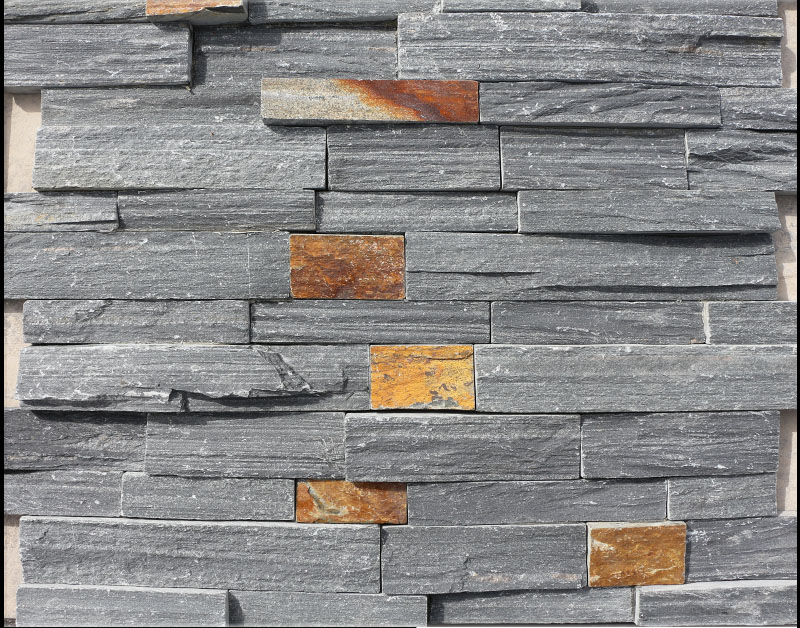
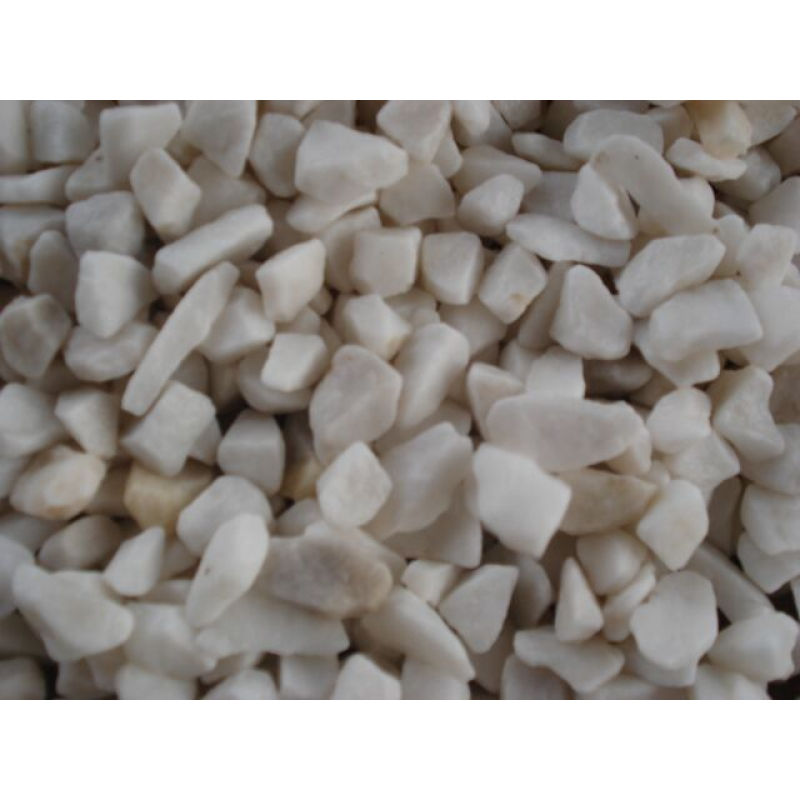
Natural stones have been used as a cladding material for literally thousands of years, revered for their extreme durability, long lifespan, unique colour tones and more. However, there are many excellent types of cladding on the market in New Zealand so you want to be sure it's the best choice for you before making that final decision.
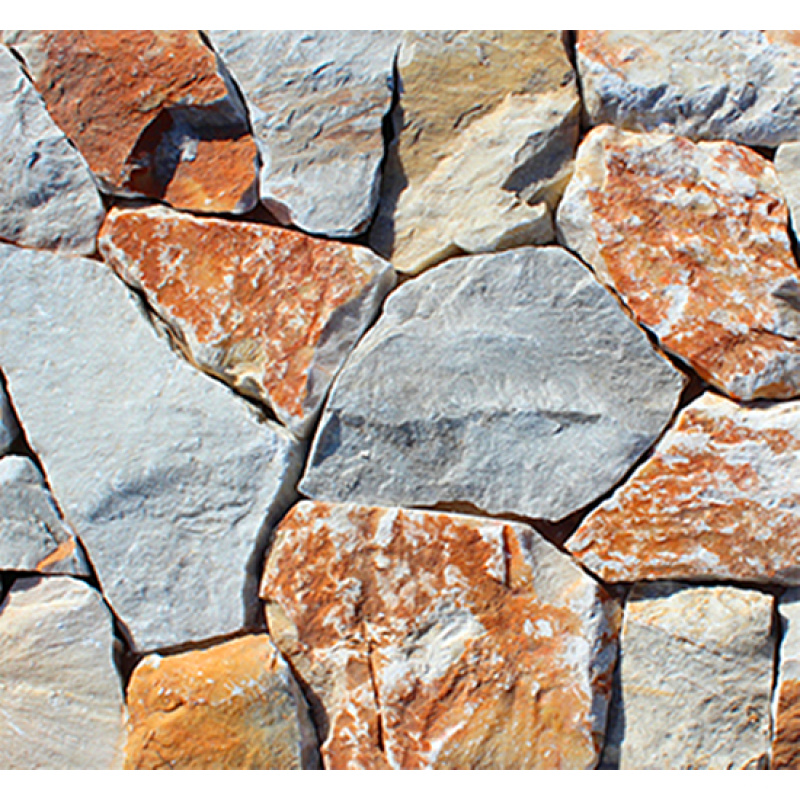
There are many benefits to choosing natural stone cladding for your home that range from functional and practical to aesthetic and stylistic.
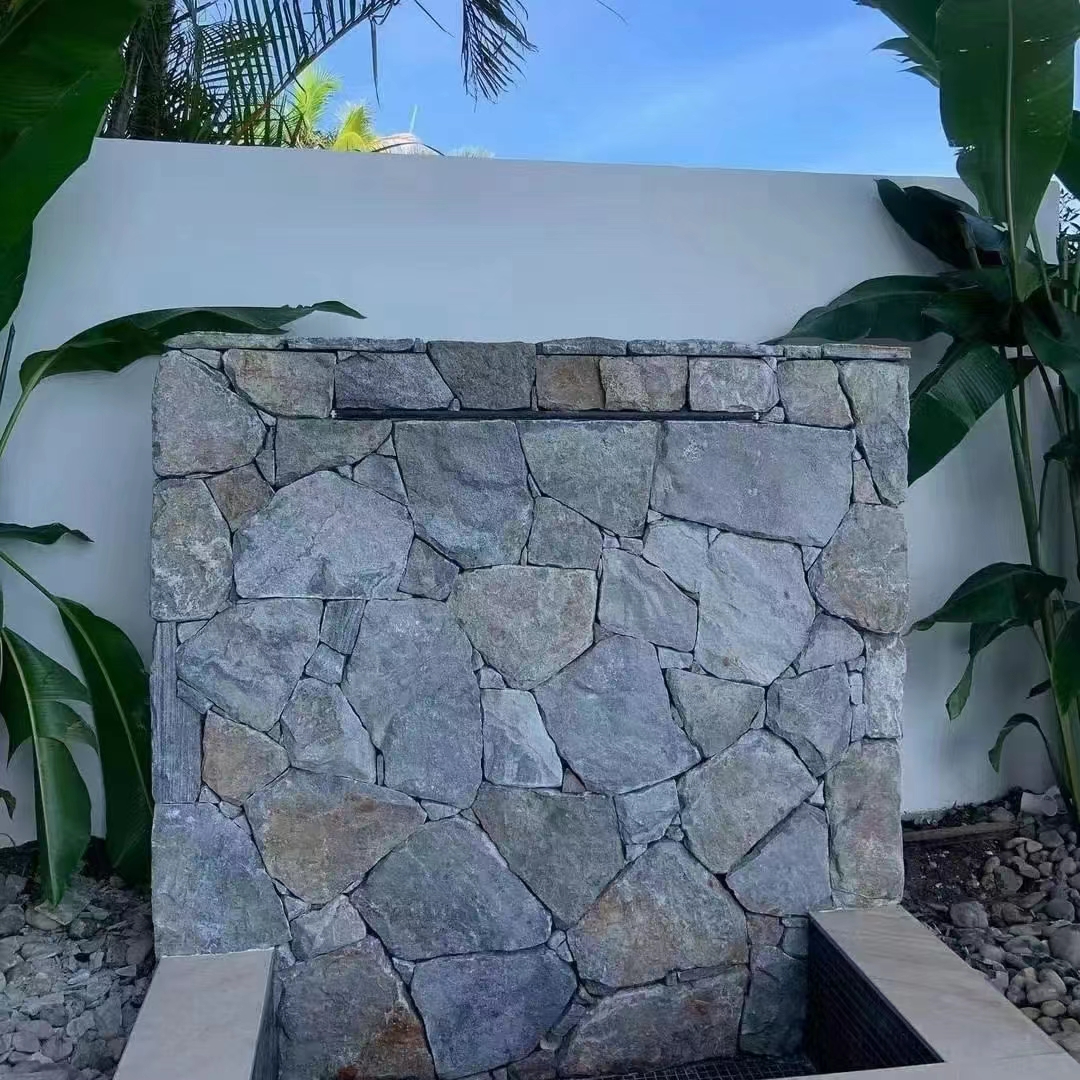
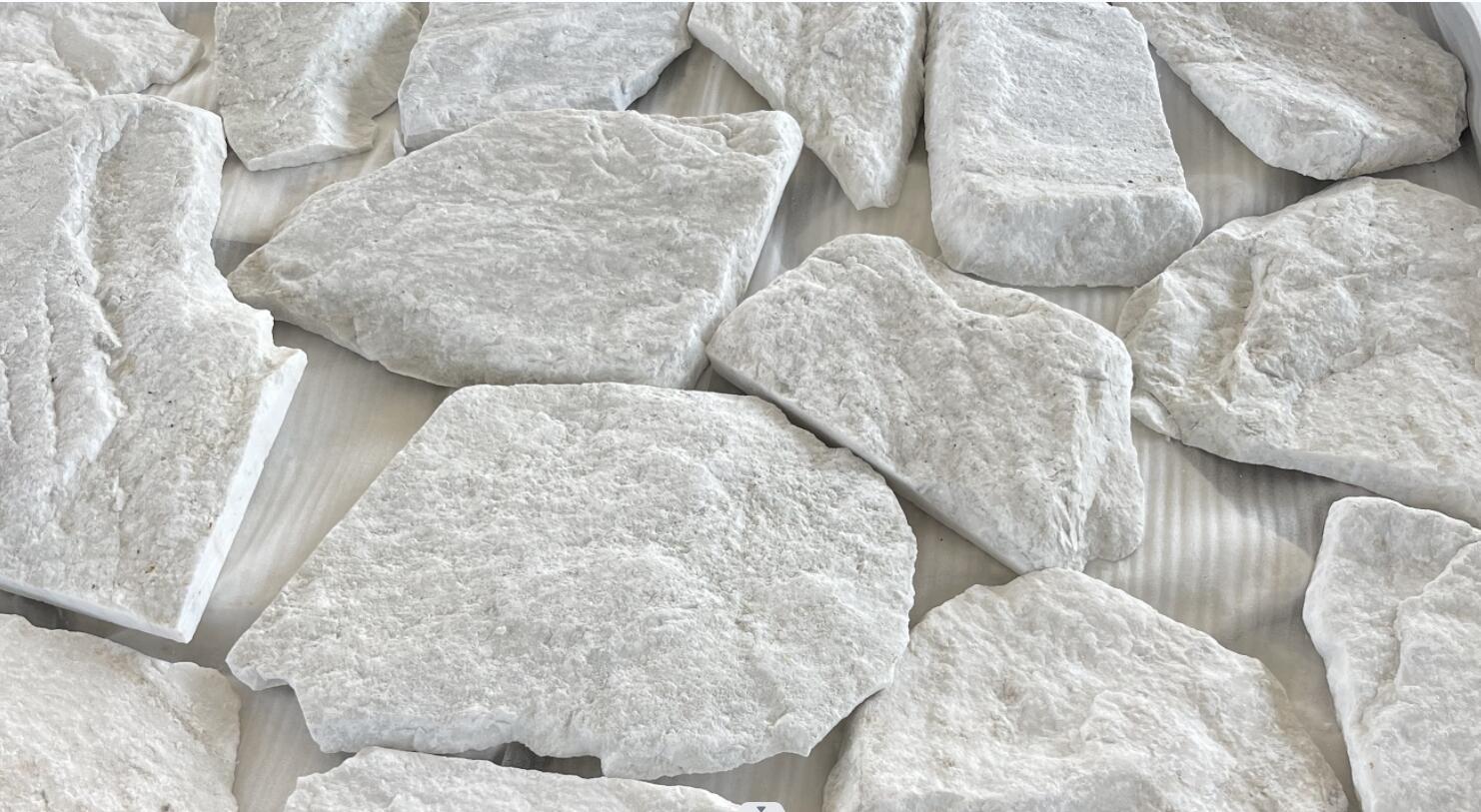
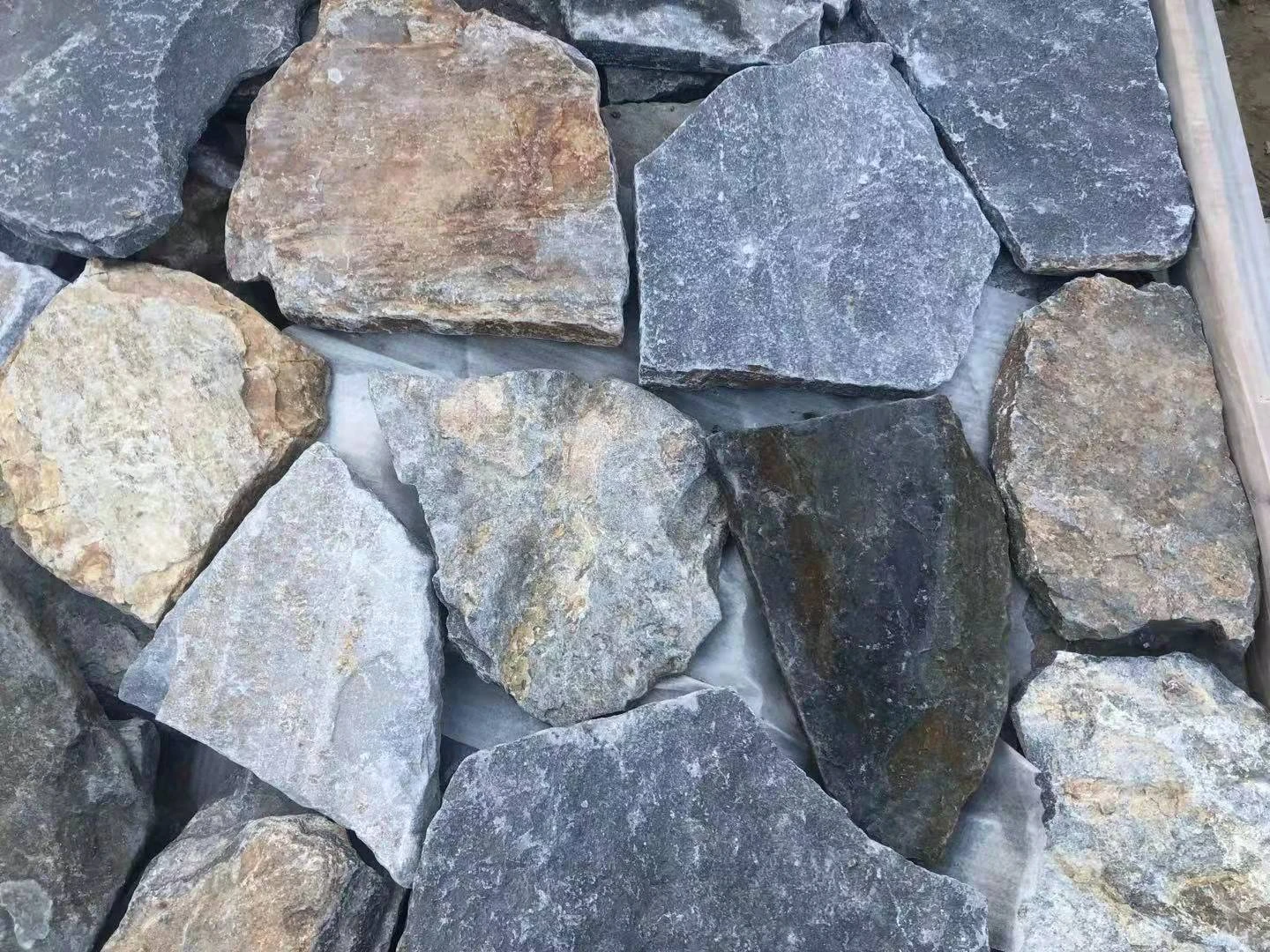
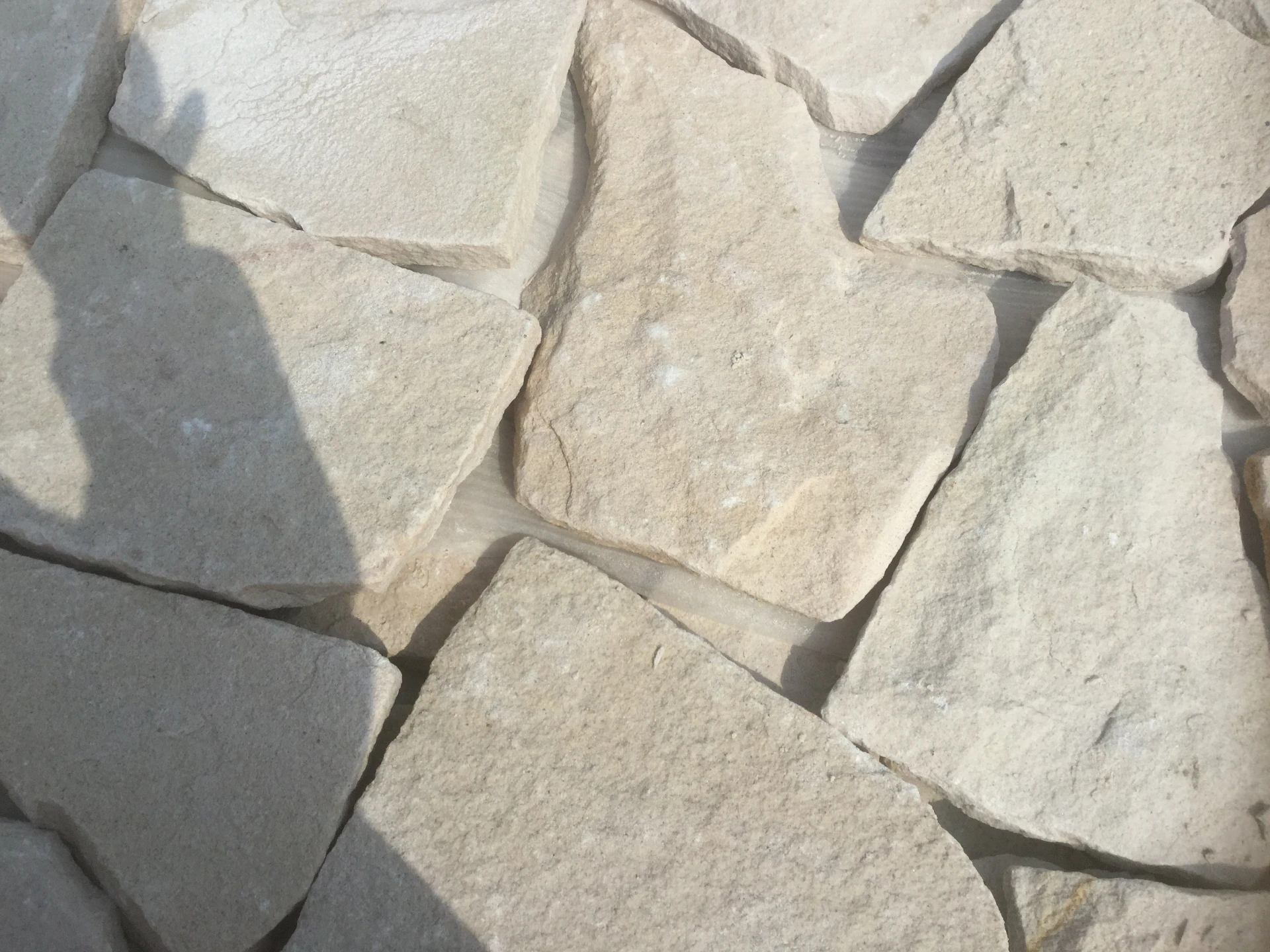
Nothing quite comes close to the look and appearance of natural stone cladding. Its raw texture, dense weight and timelessness instantly enhance a home's kerb appeal.
Stone is a strong, robust and durable material — qualities that make it ideal as cladding, a structural substrate, a feature wall or otherwise. It'll have no problems withstanding New Zealand's weather conditions including harsh rain, wind and UV exposure.
For those after a low-maintenance choice, stone cladding makes an ideal solution. Properly installed by experienced stonemasons or builders, it will require minimal maintenance saving you time, money and effort.
Stone provides thermal mass, absorbing heat during the day which will slowly be released in cooler periods during the evenings. This can help regulate indoor temperatures leading to better energy efficiency in buildings.
Natural stone cladding, while increasing in popularity, is still a fairly rare find in New Zealand which means its presence adds a unique point of difference for a home. This can increase the resale value of a property, leading to a potentially strong return on investment.
 Aferika
  Alapania
  Amharic
  Alapi
Alapi  Armenian
  Azerbaijani
  Basque
  Pelalusiana
  Bengali
  Bosnian
  Bulgarian
  Katalana
  Sepuano
  Saina
Saina  Saina (Taiwan)
  Kosikana
  Croatian
  Czech
Czech  Danish
  Siamani
  Igilisi
  Eseperano
  Estonian
  Finnish
  Falani
  Frisian
  Galician
  Georgian
  Siamani
  Greek
Greek  Gujarati
  Haiti Kereole
  Hausa
Hausa  Havaii
  Eperu
Eperu  Leai
Leai  Miao
Miao  Hungarian
  Icelandic
  igbo
igbo  Indonesian
  Aialani
  Italia
  Iapani
  Javanese
  Kannada
  Kasaka
  Khmer
Khmer  Rwanda
  Kolea
Kolea  Kutisa
  Kirikisi
  TB
TB  Latina
  Latvian
  Lituaniana
  Lusemipoukisi
  Macedonian
  Malgashi
  Malay
Malay  Malayalam
  Maltese
  Maoli
Maoli  Marathi
  Mokoliana
  Myanmar
  Nepali
  Norwegian
  Norwegian
  Occitan
  Pasato
  Persian
  Polish
  Portuguese
  Punitapi
  Lomani
  Lusia
Lusia  Samoa
Samoa  Sikotilani Gaelic
  Serbian
  Igilisi
  Shona
Shona  Sindhi
  Sinhala
  Slovak
  Slovenian
  Somali
  Sipaniolo
  Sundanese
  Swahili
  Swedish
  Tagalog
  Tajik
Tajik  Tamil
Tamil  Tatar
Tatar  Telugu
  Fa'a Thai
  Turkish
  tamaloloa Take
  Ukaraina
  Urdu
Urdu  Uighur
  Uzbek
Uzbek  Vietnamese
  Uelese