

Natural stones have been used as a cladding material for literally thousands of years, revered for their extreme durability, long lifespan, unique colour tones and more. However, there are many excellent types of cladding on the market in New Zealand so you want to be sure it's the best choice for you before making that final decision.
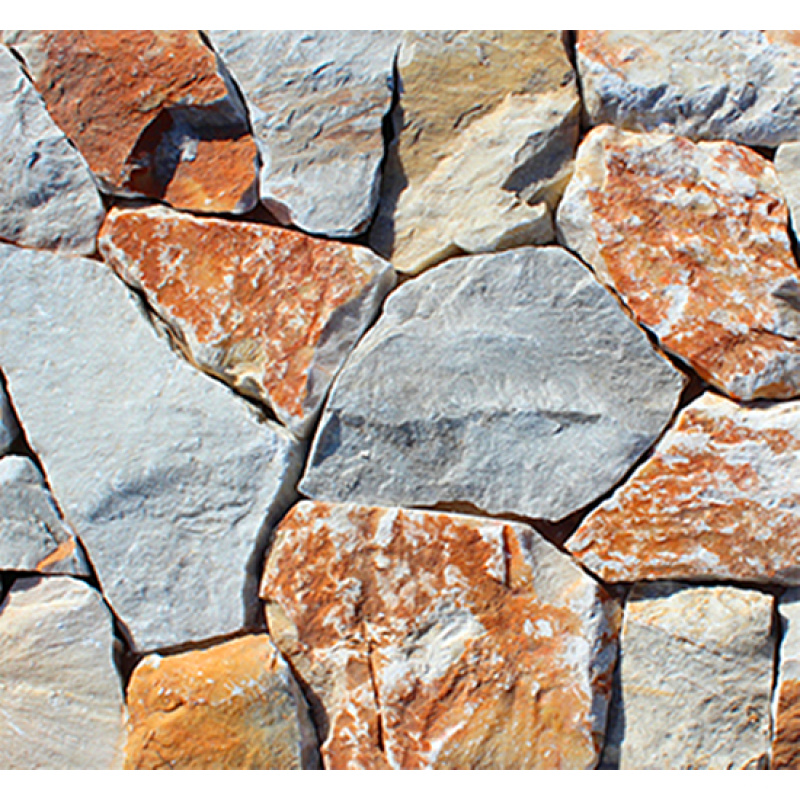
There are many benefits to choosing natural stone cladding for your home that range from functional and practical to aesthetic and stylistic.
Nothing quite comes close to the look and appearance of natural stone cladding. Its raw texture, dense weight and timelessness instantly enhance a home's kerb appeal.
Stone is a strong, robust and durable material — qualities that make it ideal as cladding, a structural substrate, a feature wall or otherwise. It'll have no problems withstanding New Zealand's weather conditions including harsh rain, wind and UV exposure.
For those after a low-maintenance choice, stone cladding makes an ideal solution. Properly installed by experienced stonemasons or builders, it will require minimal maintenance saving you time, money and effort.
Stone provides thermal mass, absorbing heat during the day which will slowly be released in cooler periods during the evenings. This can help regulate indoor temperatures leading to better energy efficiency in buildings.
Natural stone cladding, while increasing in popularity, is still a fairly rare find in New Zealand which means its presence adds a unique point of difference for a home. This can increase the resale value of a property, leading to a potentially strong return on investment.
 แอฟริกัน
  แอลเบเนีย
  อัมฮาริก
  ภาษาอาหรับ
  อาร์เมเนีย
  อาเซอร์ไบจัน
  บาสก์
บาสก์  เบลารุส
  เบงกาลี
  บอสเนีย
  บัลแกเรีย
  คาตาลัน
  เซบู
เซบู  จีน
จีน  จีน (ไต้หวัน)
  คอร์ซิกา
  โครเอเชีย
  เช็ก
เช็ก  ภาษาเดนมาร์ก
  ภาษาดัตช์
  ภาษาอังกฤษ
  เอสเปรันโต
  เอสโตเนีย
  ภาษาฟินแลนด์
  ภาษาฝรั่งเศส
  ฟริเซียน
  กาลิเซีย
  จอร์เจีย
  เยอรมัน
  กรีก
กรีก  คุชราต
  ชาวเฮติครีโอล
  เฮาซา
เฮาซา  ฮาวาย
ฮาวาย  ภาษาฮีบรู
  ไม่
ไม่  แม้ว
แม้ว  ภาษาฮังการี
  ไอซ์แลนด์
  อิกโบ
อิกโบ  ชาวอินโดนีเซีย
  ไอริช
ไอริช  ภาษาอิตาลี
  ญี่ปุ่น
  ชวา
ชวา  กันนาดา
  คาซัค
คาซัค  เขมร
เขมร  รวันดา
  เกาหลี
  เคิร์ด
  คีร์กีซ
  วัณโรค
  ละติน
ละติน  ลัตเวีย
  ลิทัวเนีย
  ภาษาลักเซมเบิร์ก
  มาซิโดเนีย
  มัลกาชิ
  มาเลย์
  มาลายาลัม
  ภาษามอลตา
  ชาวเมารี
  ภาษามราฐี
  มองโกเลีย
  พม่า
พม่า  เนปาล
เนปาล  ภาษานอร์เวย์
  ภาษานอร์เวย์
  อ็อกซิตัน
  ปาสโต้
  เปอร์เซีย
  ขัด
ขัด  โปรตุเกส
  ปัญจาบ
  โรมาเนีย
  ภาษารัสเซีย
  ซามัว
ซามัว  เกลิคสก๊อตแลนด์
  เซอร์เบีย
  ภาษาอังกฤษ
  โชนา
โชนา  สินธี
สินธี  สิงหล
สิงหล  สโลวัก
  ภาษาสโลเวเนีย
  โซมาเลีย
  สเปน
สเปน  ซุนดา
ซุนดา  สวาฮีลี
  ภาษาสวีเดน
  ตากาล็อก
  ทาจิก
ทาจิก  ทมิฬ
ทมิฬ  ตาตาร์
  เตลูกู
  แบบไทย
  ภาษาตุรกี
  เติร์กเมนิสถาน
  ภาษายูเครน
  ภาษาอูรดู
  อุยกูร์
  อุซเบก
  ภาษาเวียดนาม
  เวลส์
เวลส์ 




