

Blog

-
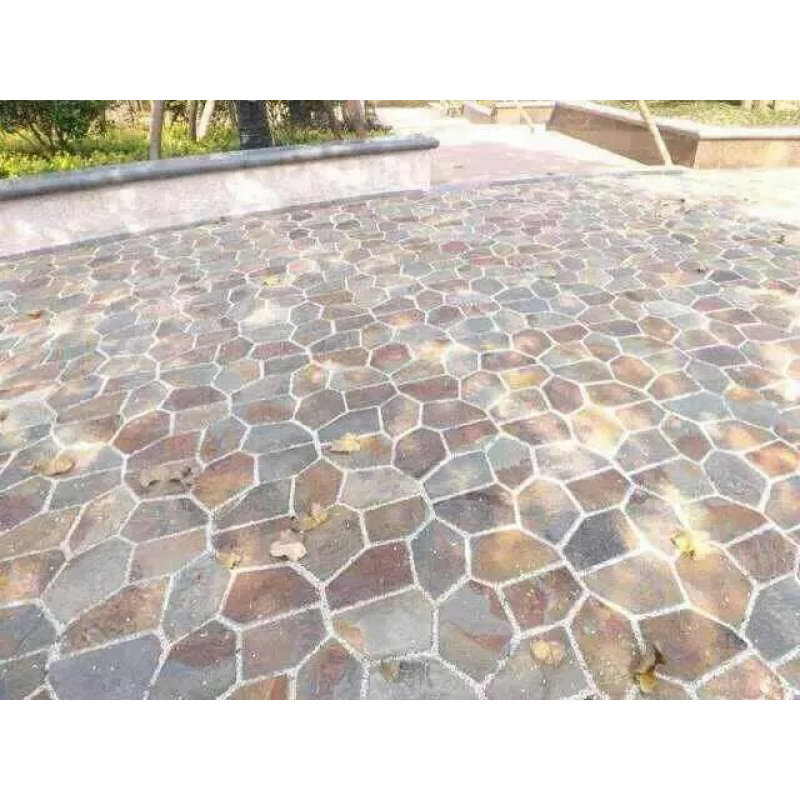 The veneer stone industry is doing its best to displace natural stone as the masonry covering of choice for home exterior cladding, fireplace surrounds, and all sorts of interior touches. How can you tell the two apart? Which stone product should you purchase and install for your home cladding, fireplace, wainscot, and other architectural details?Bala haholoanyane
 -
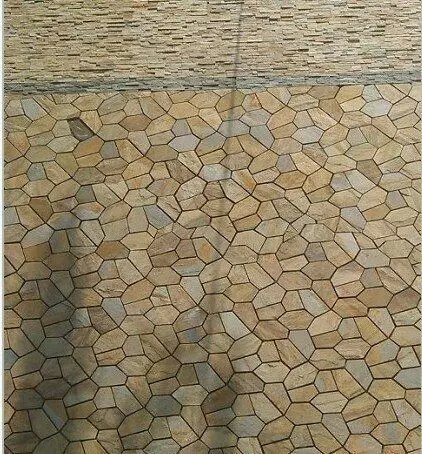 Think about the last edifice you saw covered in stone. Was it real stone or a veneer? How can you tell the difference? In the past, veneer stone could be detected by the eyeBala haholoanyane
 -
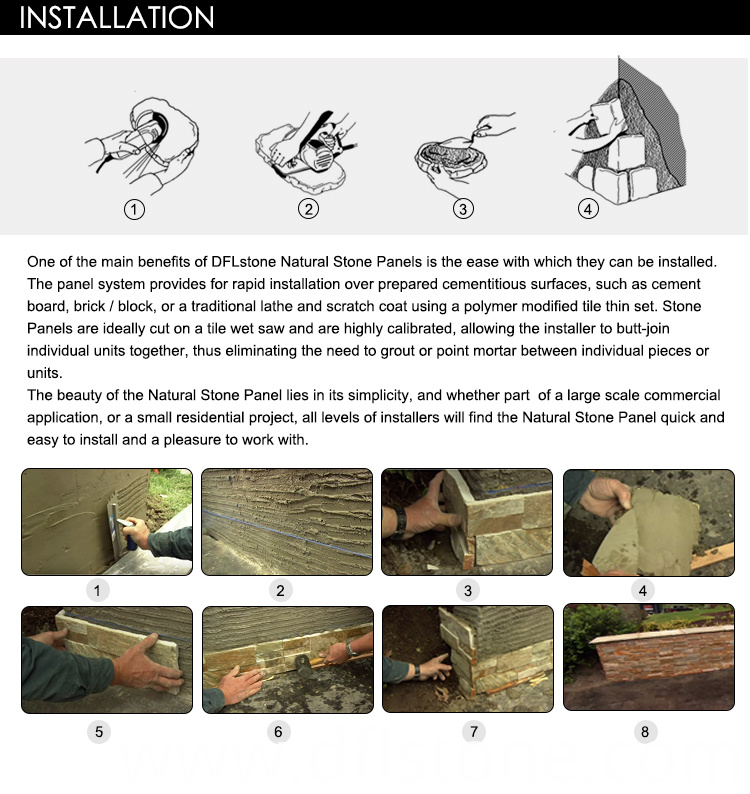 Natural stone is one of the most beautiful and oldest building materials. It’s used for everything from fireplaces to exterior siding and fences. However, as far as building materials go, natural stone is a bit on the expensive side. Because of that, stone veneer, also known as cast stone or faux stone, has become a viable alternative to natural stone.Bala haholoanyane
 -
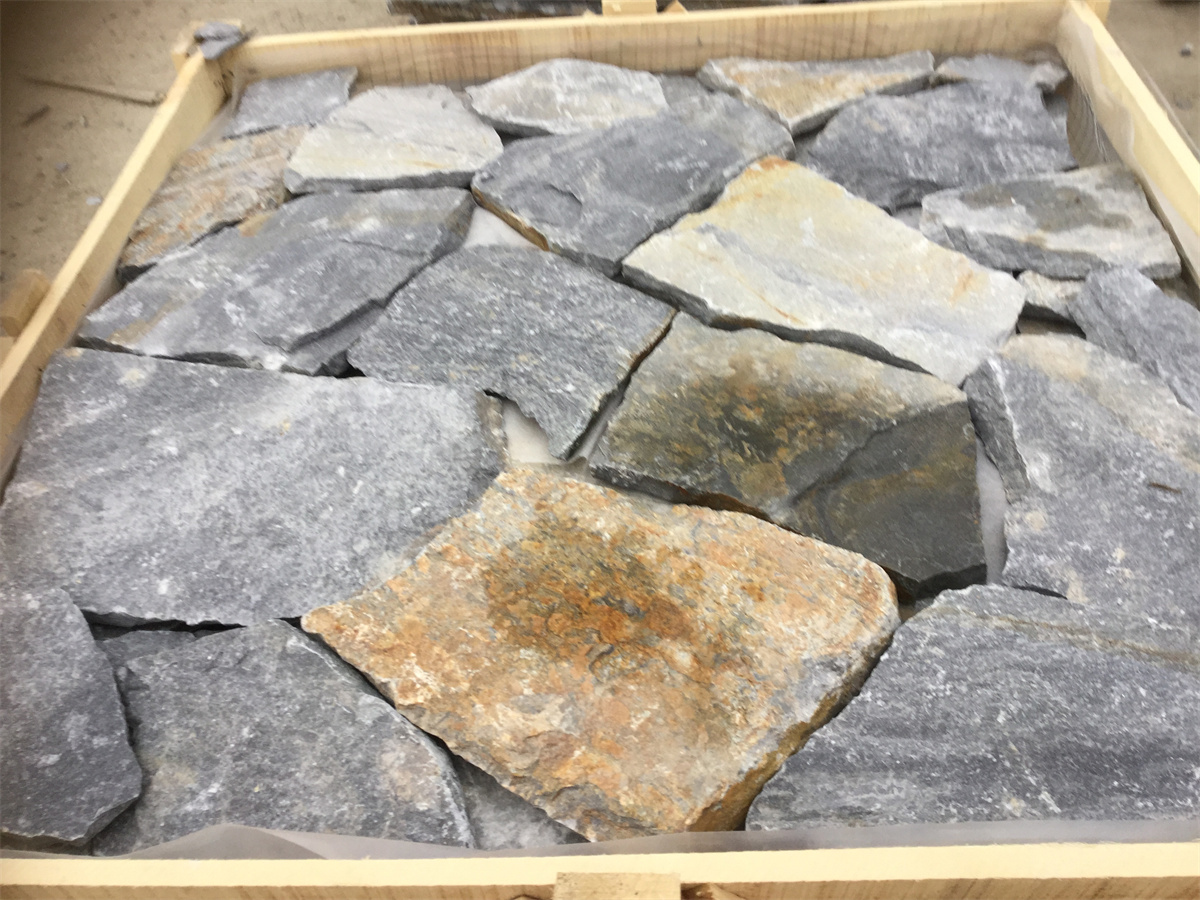 Both interior and external walls of a home may be covered with protective or ornamental coverings known as stone siding and stone veneer siding. Other siding choices, such as bricks and plastic sidings manufactured from PVC resin, offer a more natural appearance than natural stone sidings.Bala haholoanyane
 -
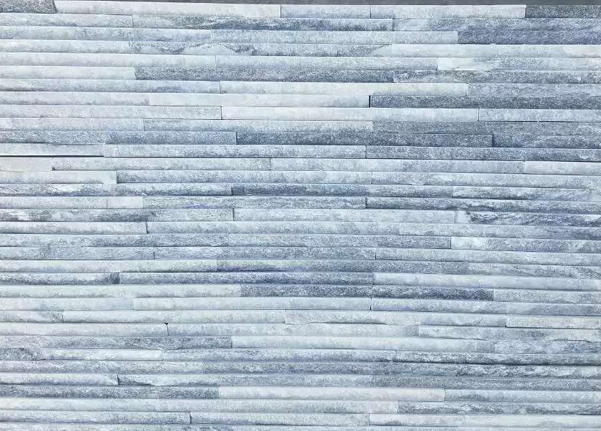 Natural stone veneer is cut or split from real stone that has formed over thousands of years, as in the case of round or flat New England fieldstone found in abandoned stone walls throughout New England, or gathered from surface stone quarries or farms and fields.Bala haholoanyane
 -
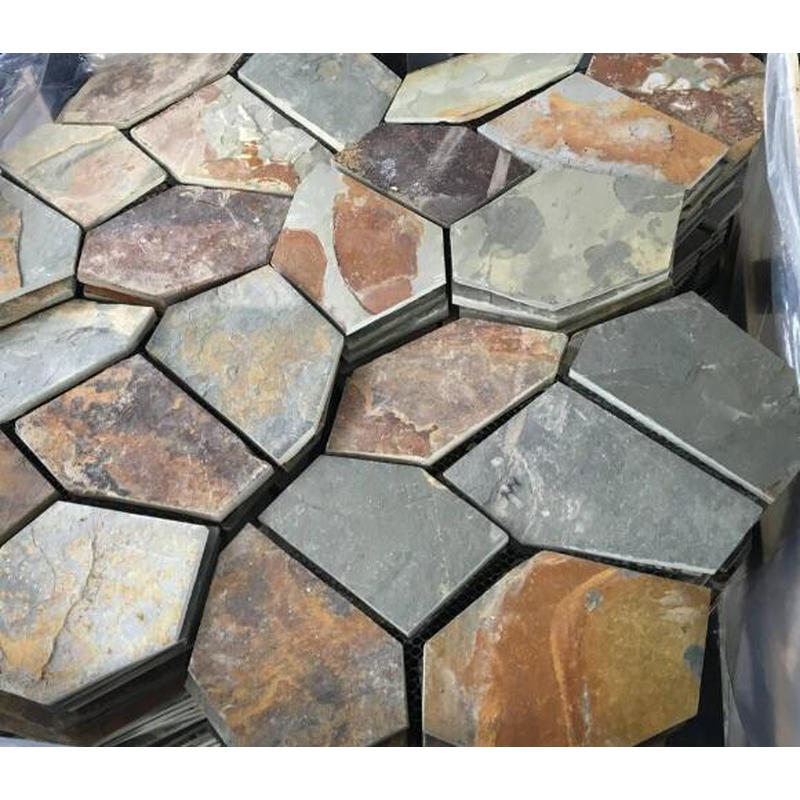 Manufactured Stone veneer, often referred to as manufactured stone, cultured stone, and architectural stone, is designed to replicate the look and feel of natural stone. To make stone veneer, manufacturers mix concrete with other additives, curing them in textured molds to look like natural stone. The cement provides stability, while the various additives provide lasting pigment. Generally, natural stone comes in two sizes: full blocks and veneer-style covers. When considering manufactured stone veneer vs. natural stone, the main difference is the weight. Natural stone is much heavier than manufactured stone veneer. Learn more about manufactured stone veneer here.Bala haholoanyane
 -
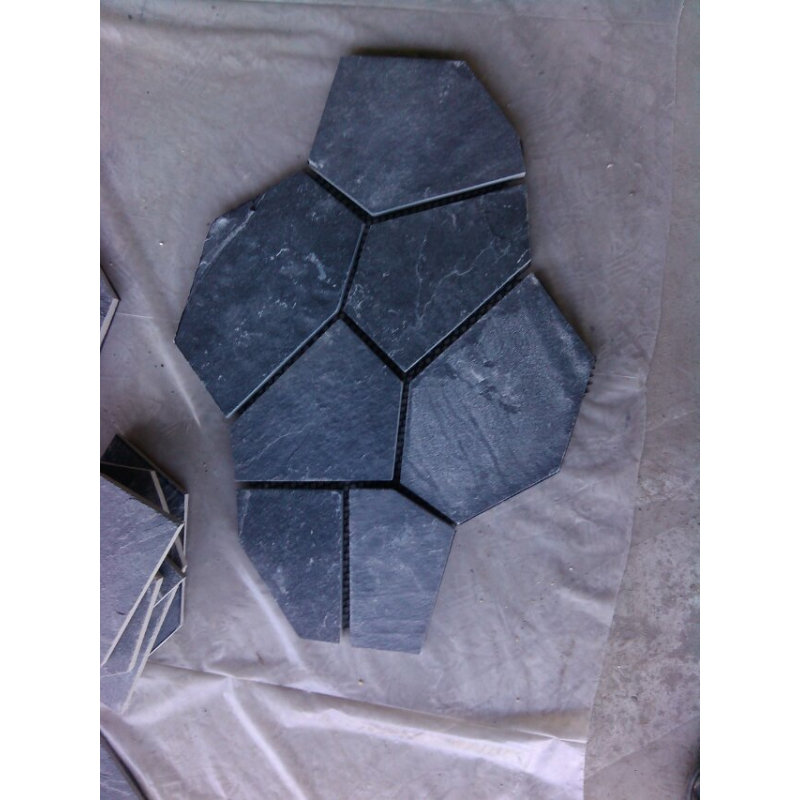 Advancements in technology have meant manufactured stone veneers can offer a realistic aesthetic, especially from a distance. There is also a wide variety of styles, patterns and colours to choose from whether you’re looking to try match the real thing or embrace the man-made appearance.Bala haholoanyane
 -
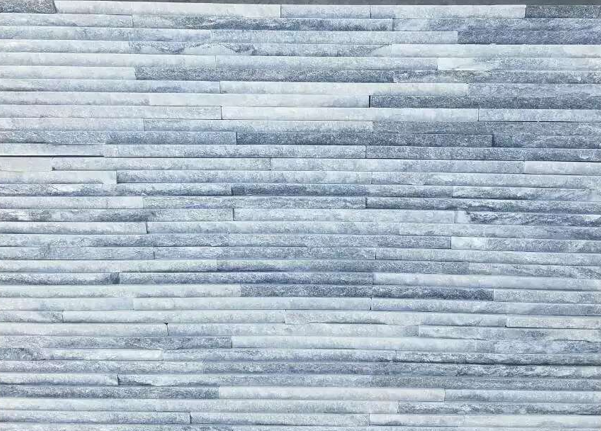 Natural stone cladding is an increasingly popular choice for new projects in New Zealand thanks to its alluring aesthetics and strong physical traits. But what exactly are the pros and cons of stone cladding and is it the best choice for all in this day and age?Bala haholoanyane
 -
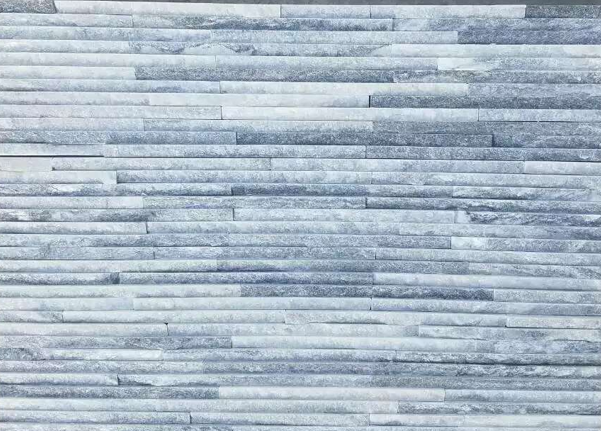 Whether you’ve been looking at different cladding options for home renovations, or to use for your new house, no doubt you would’ve come across the terms stone veneer & natural stone veneer. But what are stone veneers, & how do they differ from natural stone veer? What are the advantages in using each, & which is the option that you should go ahead with? Today, let’s explore more on each of these options.Bala haholoanyane
 -
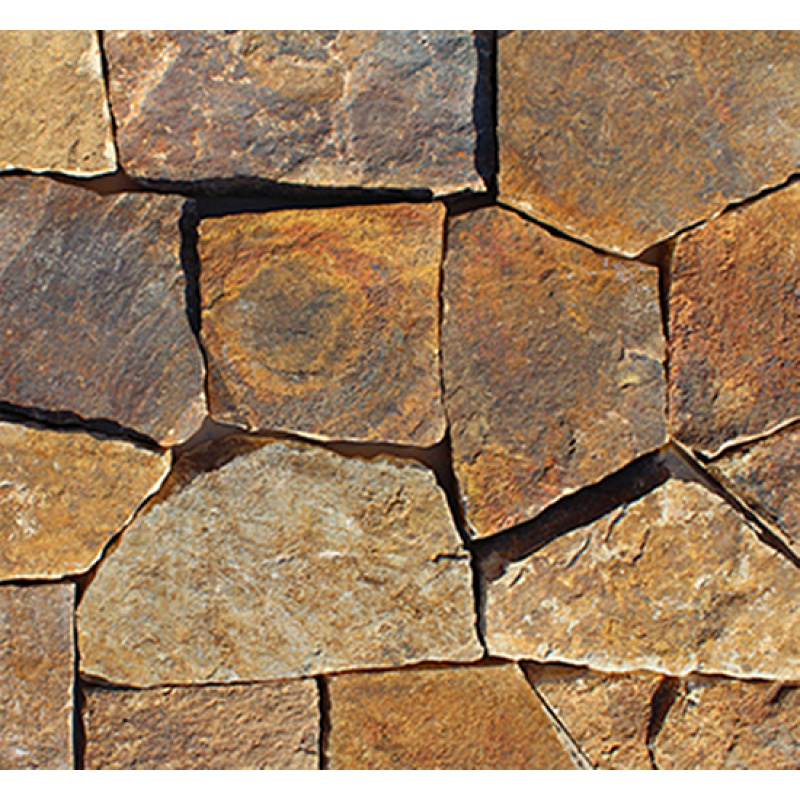 There are advantages and disadvantages of every building material dependant on your individual application. Here, we take a look at some of the pros and cons of natural stone cladding to help you decide if it’s a suitable material for your project.Bala haholoanyane
 -
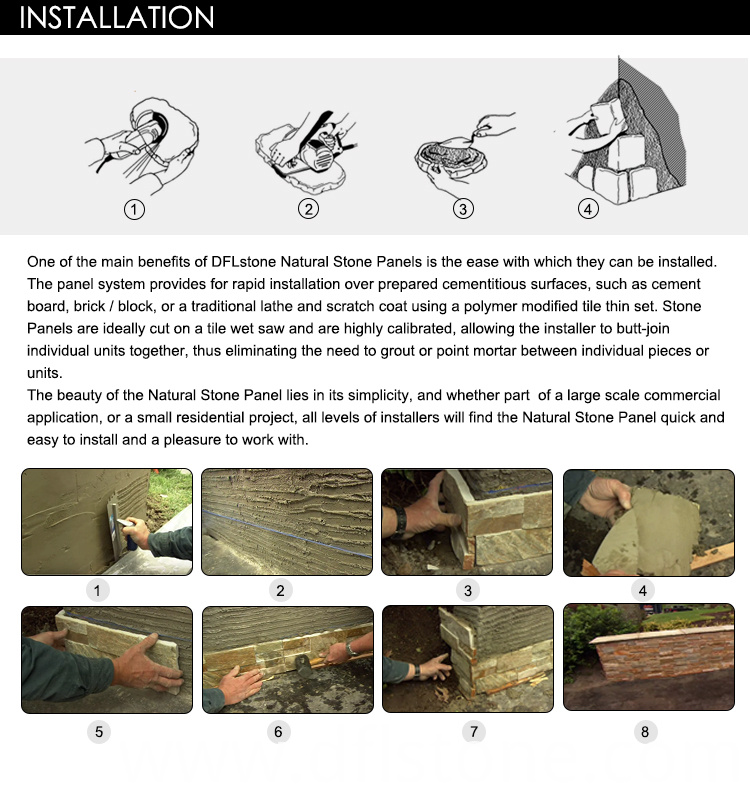 Natural stone veneer is a popular choice for home exterior and interior projects. It is a thin layer of stone that is applied to a surface to give the appearance of stone without the weight or thickness of a full stone. Natural stone veneer is easy to install and can be cut to size with a saw.Bala haholoanyane
 -
 There is something magically nostalgic about a stone house, sitting picturesquely on top of a hill or surrounded by a small forest. Stone houses have a historical legacy that goes back hundreds of years, from Medieval castles to farmhouses built by our ancestors. One of the most impressive benefits of a stone house is that it will last several lifetimes when it's properly constructed.Bala haholoanyane
 Moafrika
 Sealbania
 Seamharic
 Searabia
 Searmenia
 Se-Azerbaijani
 Sebasque
 Sebelarusia
 Benghali
  Sebosnia
 Se-Bulgaria
 Secatalan
 Sebuano
 China
China China (Taiwan)
 Corsican
 Secroatia
 Czech
Czech Sedanishe
 Se-Dutch
 Senyesemane
 Esperanto
 Seestonia
 Sefinnishe
 Sefora
 Sefrisia
 Segalician
 Segeorgia
 Sejeremane
 Segerike
 Segujarati
 Secreole sa Haiti
 hausa
hausa siwaiian
 Seheberu
 Che
Che Miao
Miao Se-Hungary
 Seiceland
 igbo
igbo Seindonesia
 irish
irish Setaliana
 Sejapane
 Se-Javanese
 Kannada
 kazakh
 Khmer
Khmer Rwanda
 Sekorea
 Sekurdish
 Sekyrgyz
 Lefuba
 Selatine
 Selatvia
 Selithuania
 Se-Luxembourgish
 Semacedonia
 Malgashi
 Semalay
 Semalayalam
 Semalta
 Semaori
 Marathi
 Mongolian
 Myanmar
 tsa Nepali
 Norwegian
 Norwegian
 Occitan
 Sepashto
 Sepersia
 Sepolishe
 Sepotoketsi
  Sepunjabi
 Seromania
 Serussia
 Sesamoa
 Segaeli sa Scotland
 Seserbia
 Senyesemane
 Seshona
 Sindhi
 Sesinhala
 Seslovak
 Seslovenia
 Somalia
 Sepanish
 Sesundanese
 Seswahili
 Seswedishe
 Setagalog
 Se-Tajik
 Setamil
 Setatare
 Setelugu
 Sethai
 Se-Turkey
 Turkmen
 Seukraine
 Seurdu
 Uighur
 Seuzbek
 Sevietnam
 Welsh
Welsh