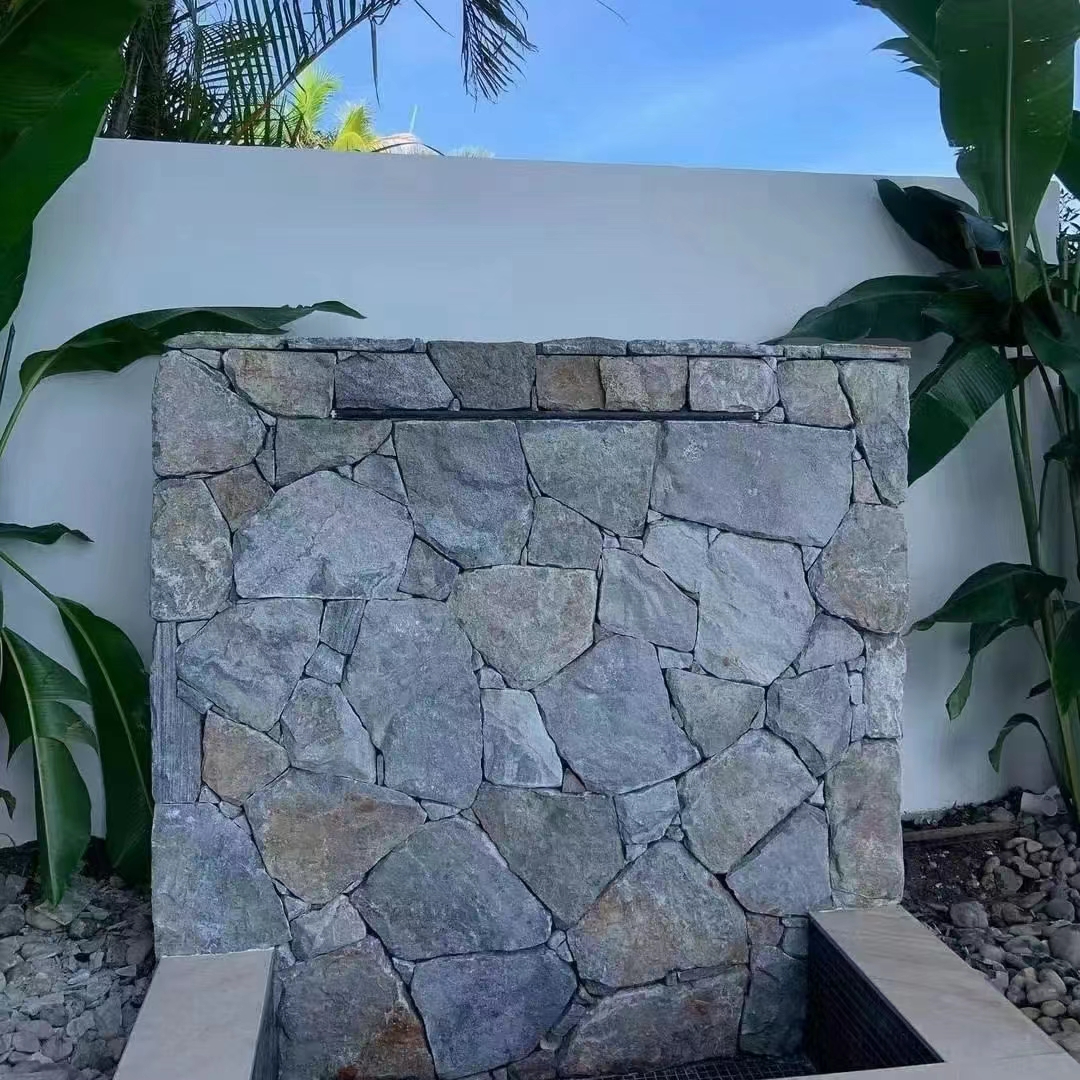
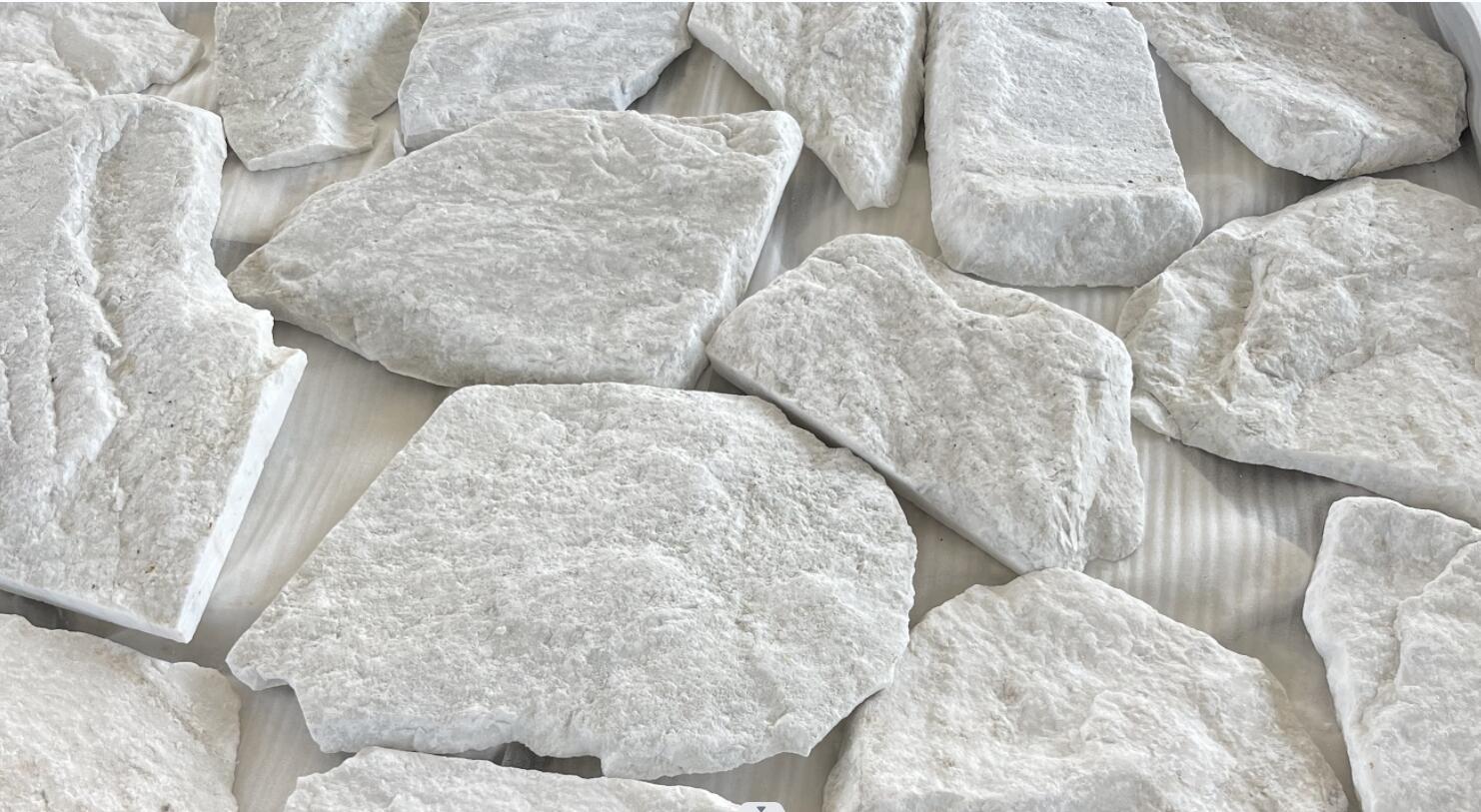
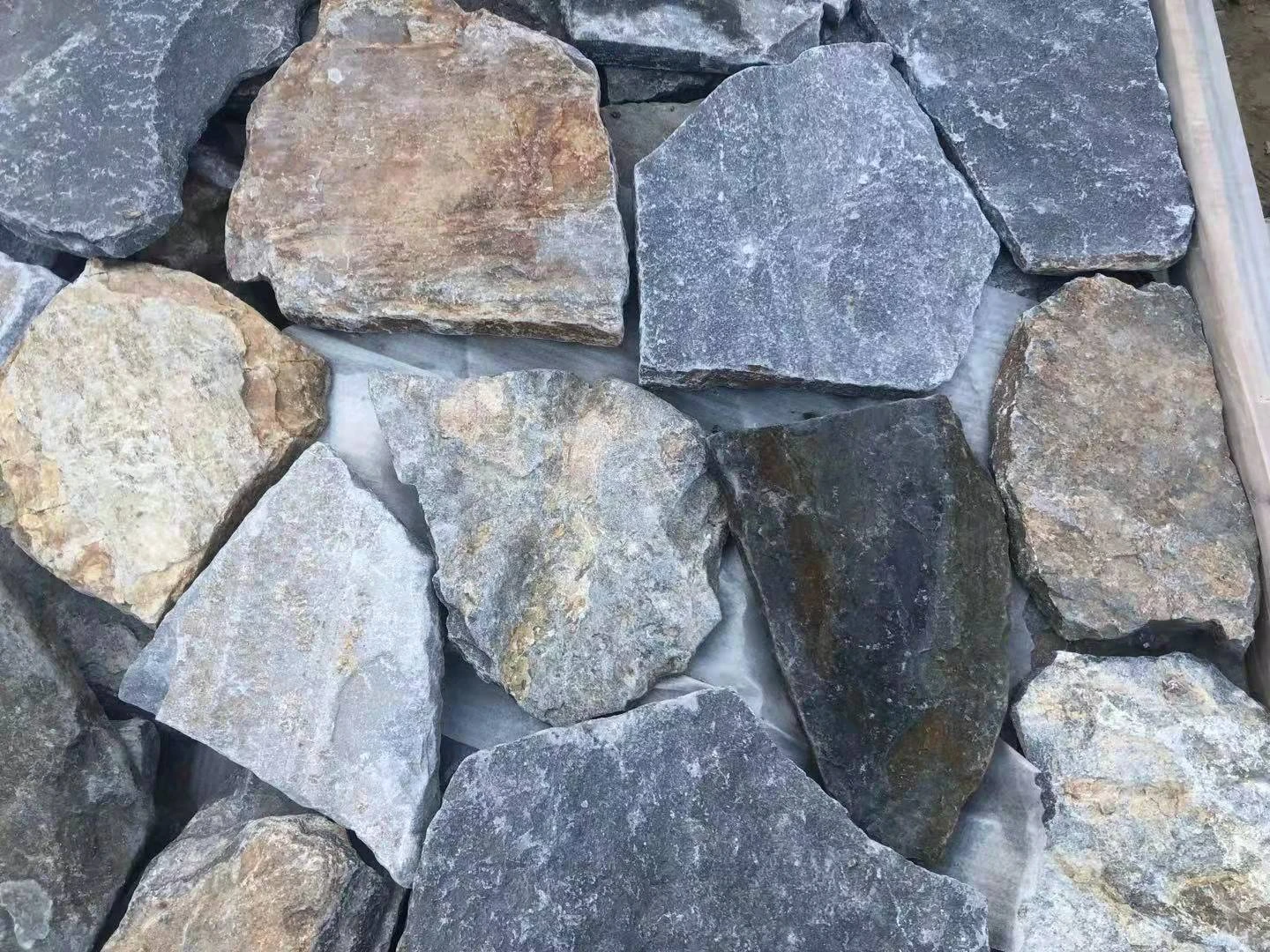
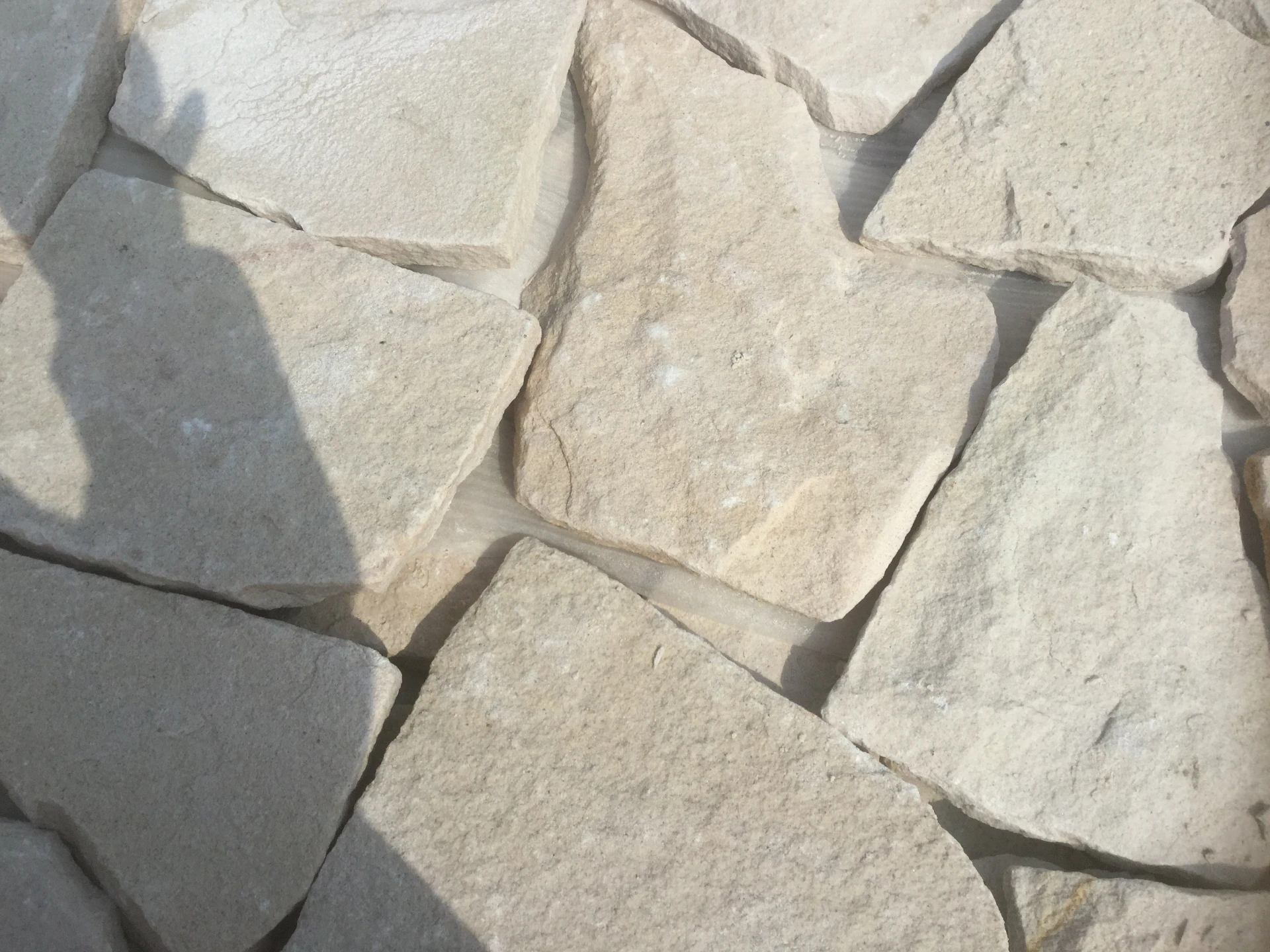
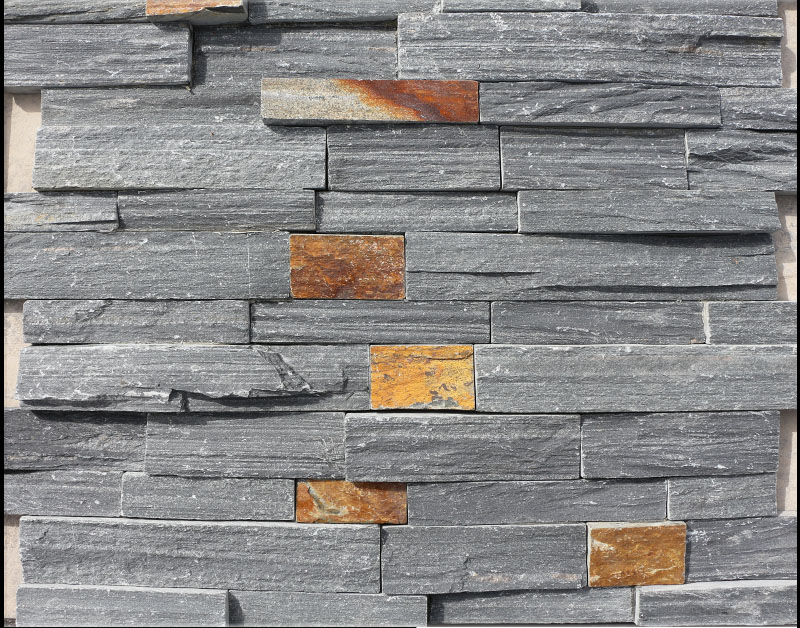
Çıkıntı Taşı is one of the truly classic stone styles that has withstood the test of time with only slight refinements along the way. In its most basic sense, Ledge Stone is a pattern of stonework utilizing horizontal joints. The pattern is typically made up of individually stacked pieces of stone where the horizontal ledge is more defined than the vertical joins. Traditionally this look was achieved by laying the stone piece by piece by hand. While this technique is tried and true, it is also very time consuming, labor intensive, and expensive if paying a mason or specialist to complete the work.
Ledge Stone is great for many applications. It can be applied to exterior projects such as outdoor kitchens, retaining walls, exterior feature walls and even pools and water features. It is also a popular accent for front porches and columns.
Dış Duvar İçin Güzel Doğal Yığma Taş Sistemleri
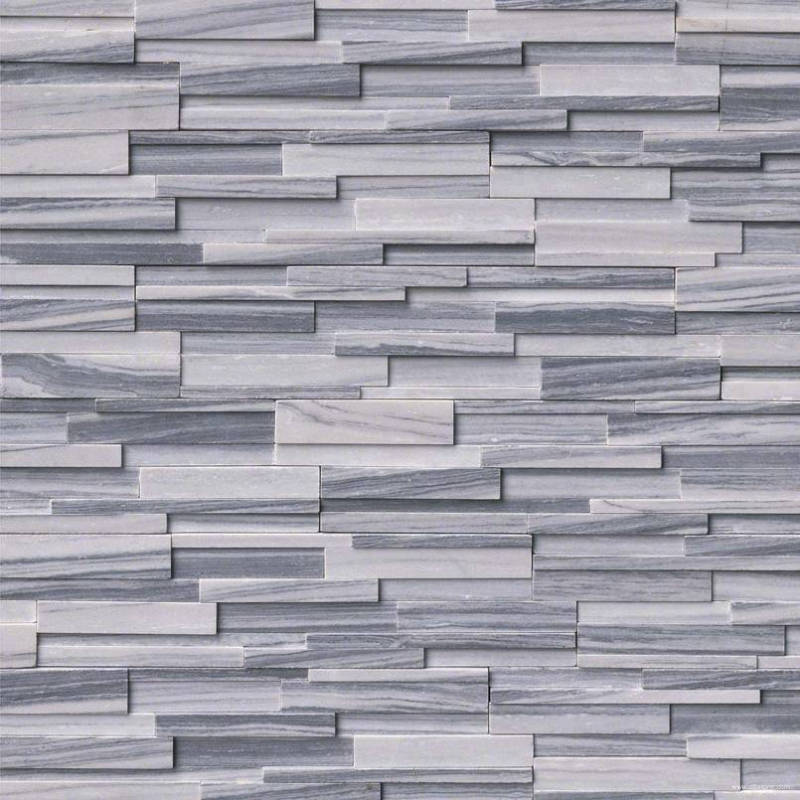
For as many exterior uses, there are just as many, if not more interior uses. Ledge Stone looks great on fireplaces, backsplashes and even in bathrooms to give a spa like feel to the space. It is also great to use in sunrooms to bring a little of the outdoors in.
The other appealing feature of Ledge Stone is its diversity and ability to fit into most décor schemes. As a result of the emphasis on the horizontal joints, the stone stays traditional but the layout can lend to a somewhat contemporary feel. It is a nice blend of the old and new, traditional yet modern. The height and shape of the individual pieces in a ledgestone will also dictate how modern or traditional it appears.
Overall, Ledge Stone is a great option when considering a hard surface wall finish and is a look that has stood the test of time, both literally and in the design sense. Today we have options to make it an affordable reality in our own homes!
 Afrikalı
  Arnavut
  Amharca
  Arapça
  Ermeni
  Azerice
  Bask
Bask  Belarusça
  Bengalce
  Boşnakça
  Bulgarca
  Katalanca
  Cebuano
  Çin
Çin  Çin (Tayvan)
  Korsikalı
  Hırvat
  Çek
Çek  Danimarka
  Flemenkçe
  İngilizce
  Esperanto
  Estonyalı
  Fince
Fince  Fransızca
  Frizce
  Galiçyaca
  Gürcü
Gürcü  Almanca
  Yunan
Yunan  Gujarati dili
  Haiti Kreyolu
  Hausa
Hausa  Hawaii dili
  İbranice
  Hayır
Hayır  Miao
Miao  Macarca
  İzlandaca
  İbo
İbo  Endonezya dili
  İrlandalı
  İtalyan
  Japonca
  Cava
Cava  Kannadaca
  Kazak
Kazak  Kmer
Kmer  Ruanda
  Koreli
  Kürt
Kürt  Kırgız
  verem
verem  Latince
  Letonca
  Litvanyalı
  Lüksemburgca
  Makedonca
  Malgaşi
  Malayca
  Malayalam
  Malta dili
  Maori
Maori  Marathi
  Moğolca
  Myanmar
  Nepalce
  Norveççe
  Norveççe
  Oksitanca
  Peştuca
  Farsça
  Lehçe
Lehçe  Portekizce
  Pencap
  Romen
Romen  Rusça
Rusça  Samoalı
  İskoç Galcesi
  Sırpça
  İngilizce
  Shona
Shona  Sindhi
  Sinhala
  Slovak
  Slovence
  Somalili
  İspanyol
  Sundan dili
  Svahili
  İsveççe
  Tagalogca
  Tacikçe
  Tamilce
  Tatar
Tatar  Telugu
  Tay dili
  Türkçe
  Türkmence
  Ukrayna
  Urduca
  Uygur
Uygur  Özbekçe
  Vietnam
  Galce
Galce