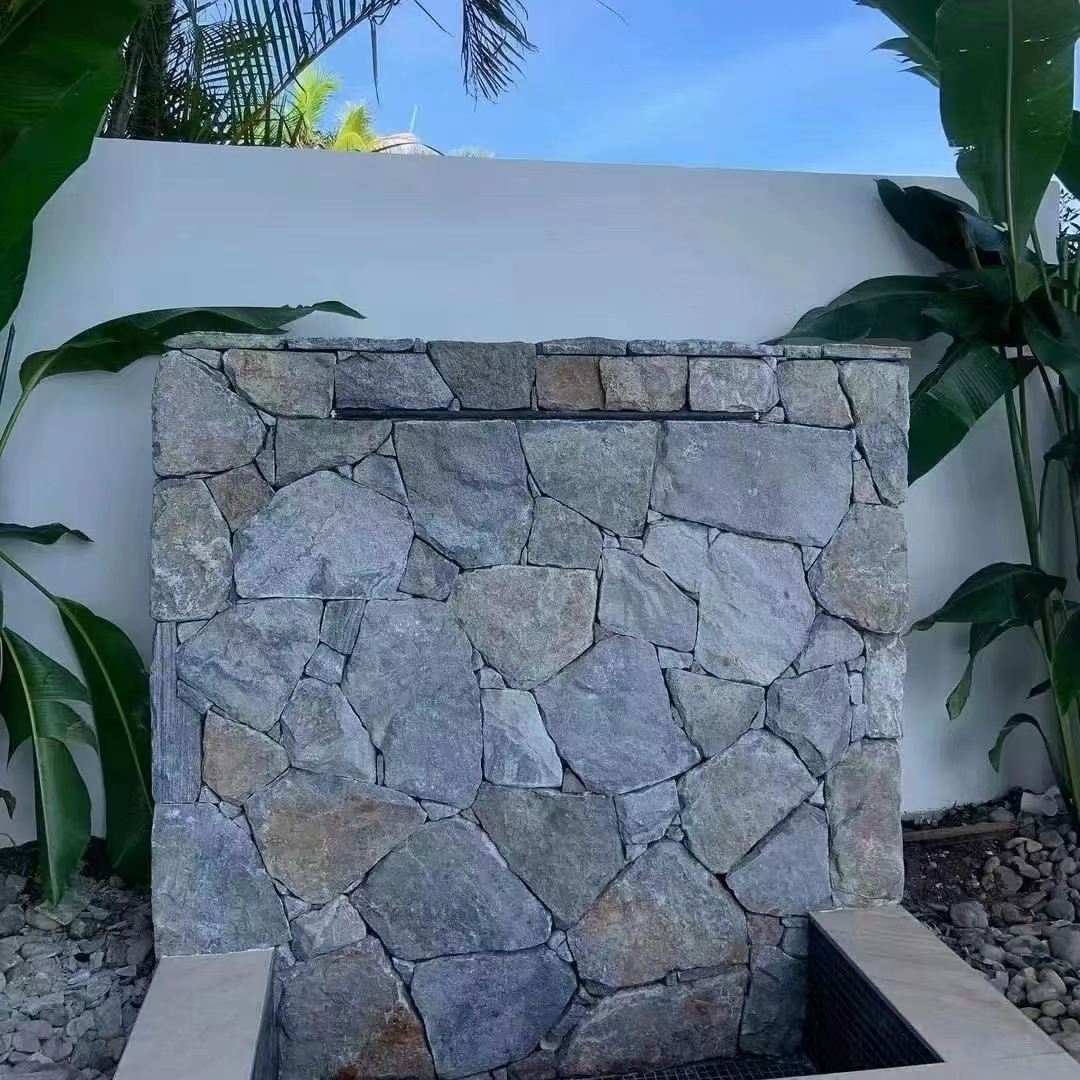
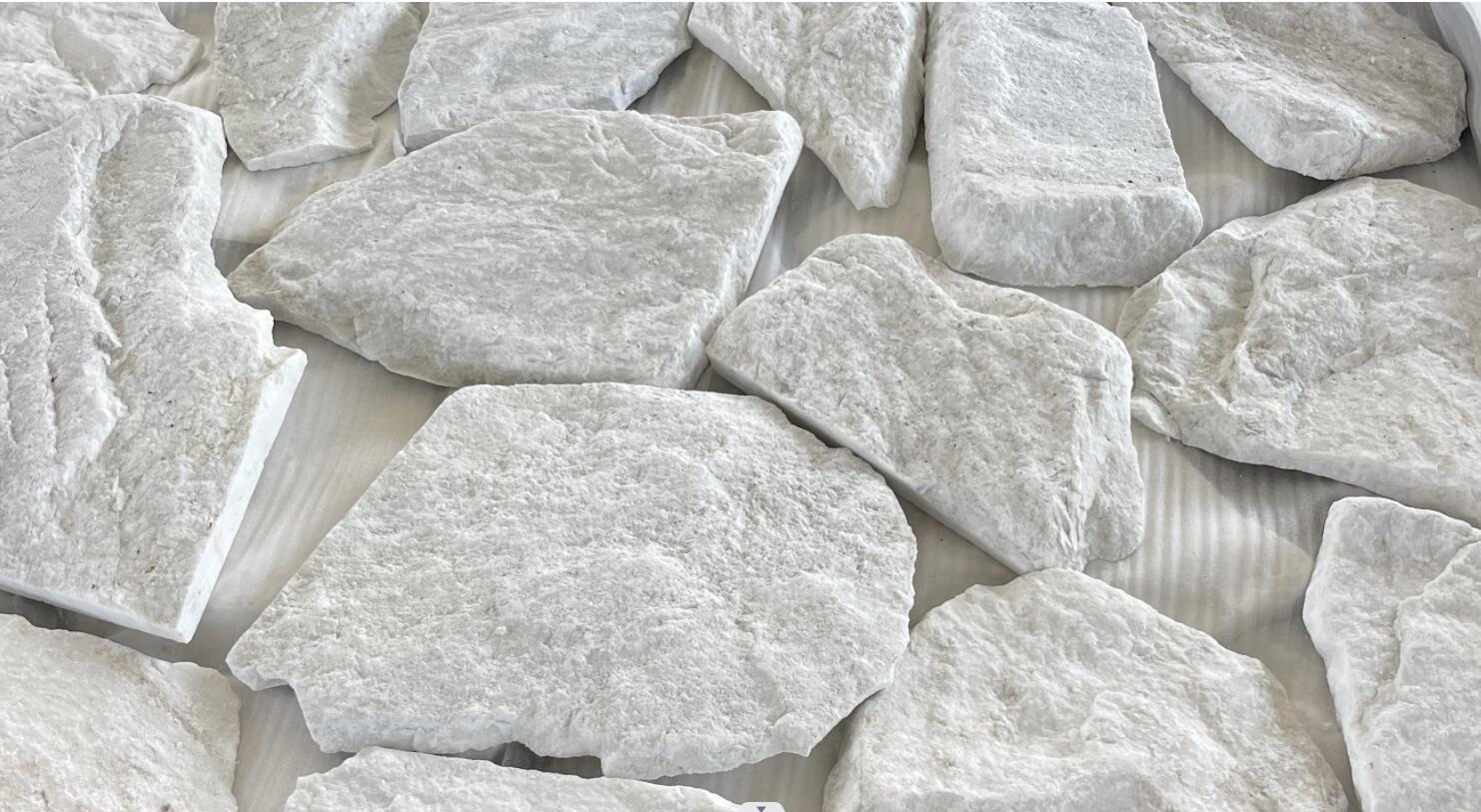
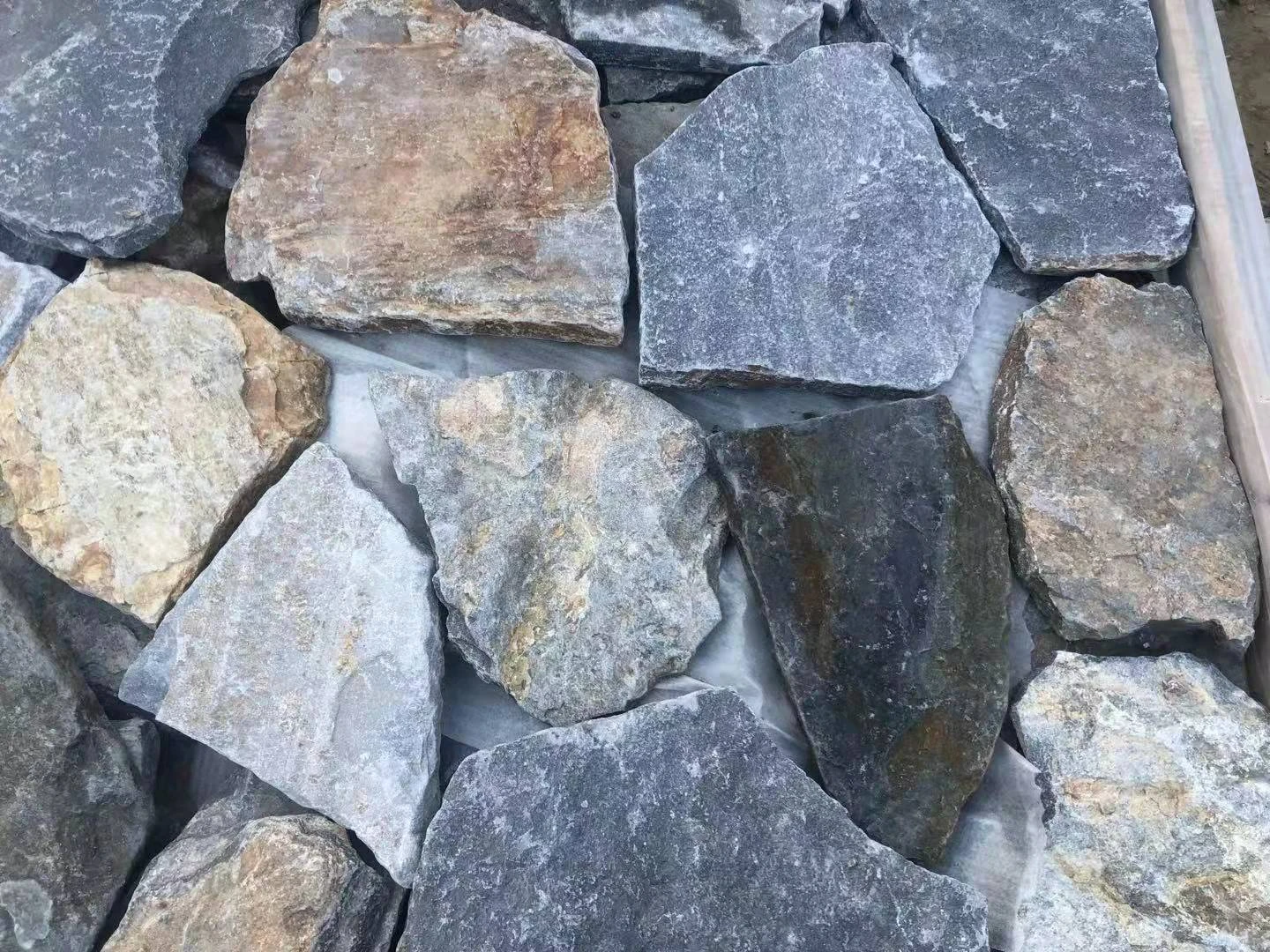
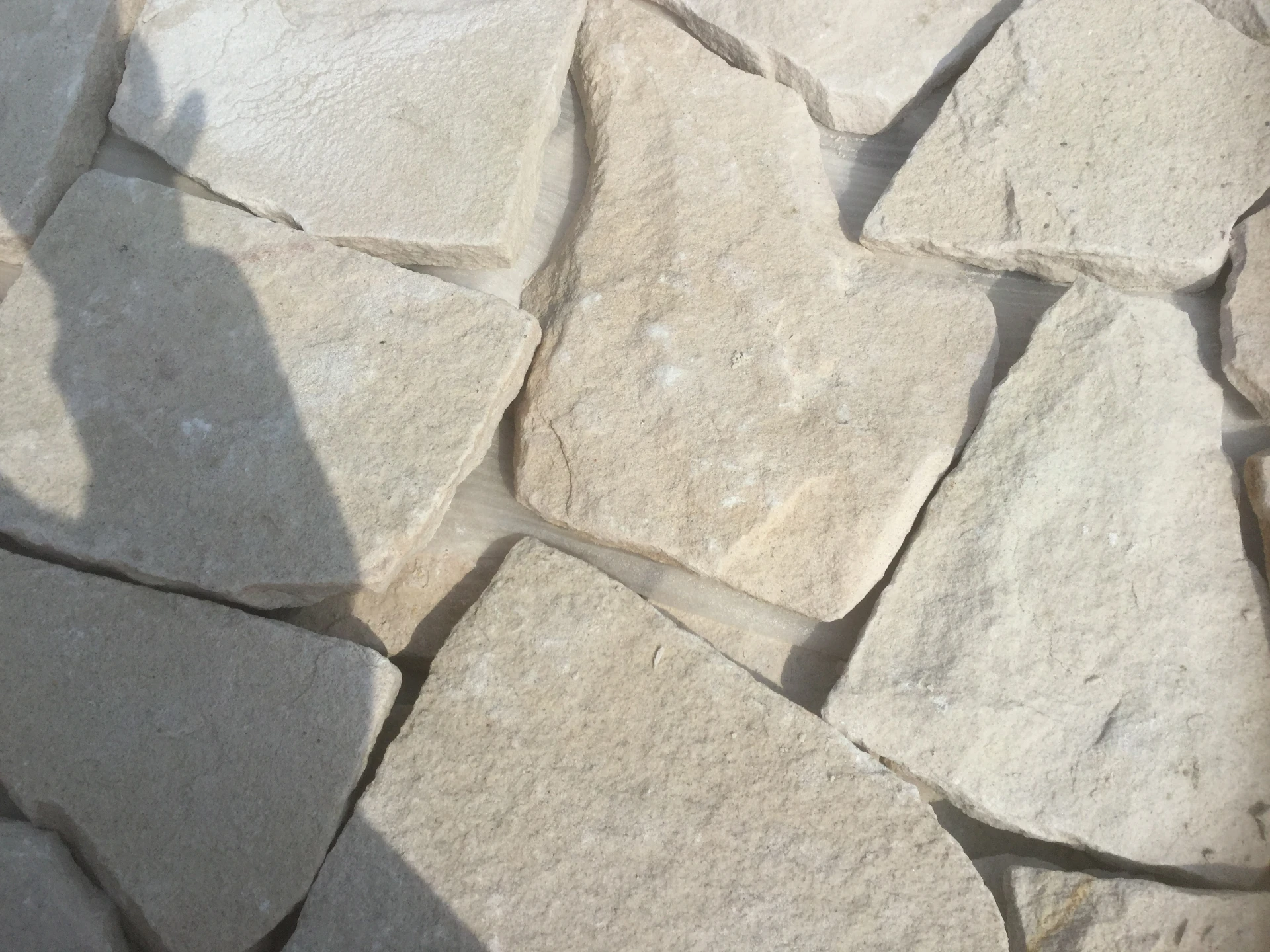
Think about the last edifice you saw covered in stone. Was it real stone or a veneer? How can you tell the difference? In the past, veneer stone could be detected by the eye; but now, the veneer stone industry and masonry are in fierce competition, because the two products have never been more identical. Manufactured stone veneer is rapidly becoming the top choice for exterior cladding, fireplaces, and other interior accents.
If you’re thinking of adding stone to your home, then you need to consider the pros and cons of both real stone and veneer stone. Which one is better for you?

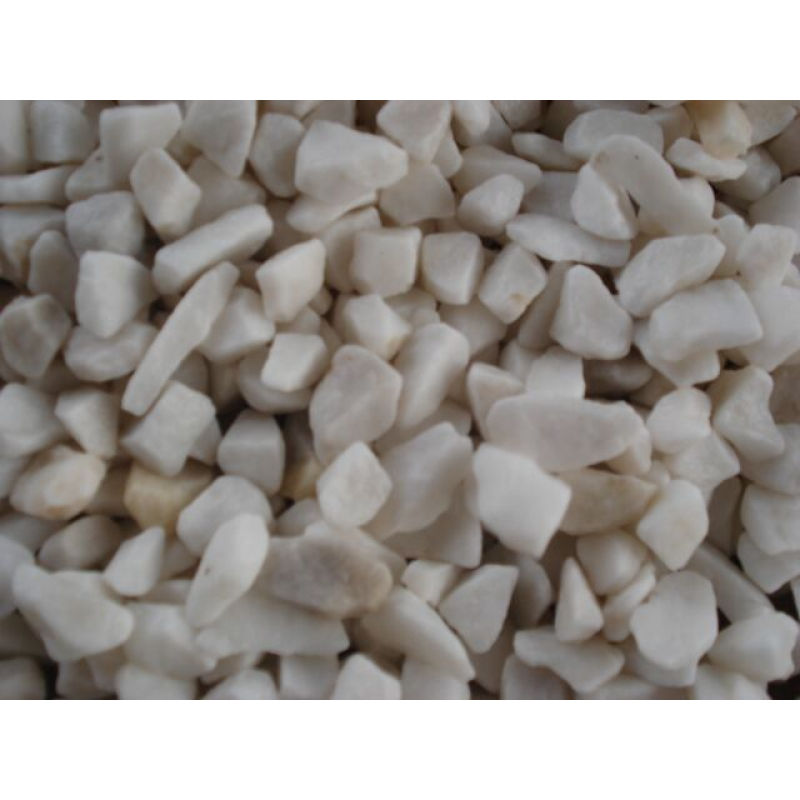
Real stone is natural, 100% straight from the earth and out of the quarry. Nothing is added or removed. Fieldstone or quarried stone is the common choice and can be cut to desired thickness to decorate your house however you wish. For example, you might use river stones in a flower bed or driveway, while blocks are used for creating a fence or wall.
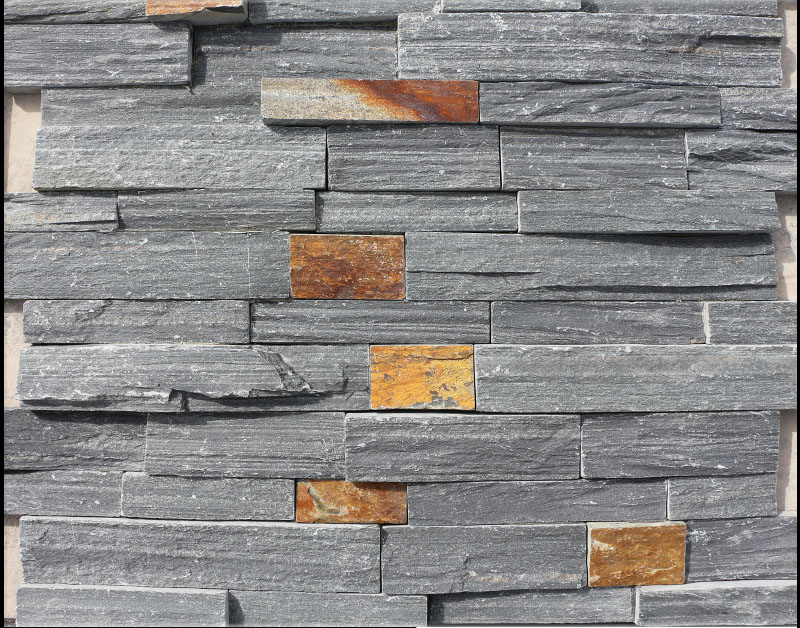
In block form, any type of stone is available. Veneer-cut stones are either ledgestone or fieldstone.
Veneer stone is created by blending together Portland cement, iron oxides, and other aggregates and baking the mixture in molds to make it look like stone. Cement stabilizes the product, and iron oxide adds the stone-like pigments. The bestsellers are fieldstone, ledgestone, and sandstone.
Buyers tend to mix up veneer stone and faux veneer stone, a kind of high-density polymer that is closer to Styrofoam than actual stone.
Let’s have a look at the differences between real stone and veneer stone.
While real stone can be used to build entire structures, this is rarely seen in modern architecture. Furthermore, real stone, like slate, is very brittle and will shattered under too much pressure.
Any type of veneer stone will be far too weak to use structurally. While veneer stone can support its own weight, it wasn’t designed to take on any additional weight.
Within the consumer market, real stone typically has two sizes to choose from: full-size blocks and cover stones. The full-size is meant to provide coverage and is the size of one to two retaining wall blocks. The other size is when real stone is sliced with a giant wet saw to serve as veneer. These slabs measure about 3/4-inch to 1 ¾-inches thick. The face size depends on the type and form of the stone, but the maximum is usually around a diameter of 18-inches.
Natural stone is much heavier than veneer stone. To put this into perspective, a single natural veneer fieldstone weighs around 13 pounds per square foot, while manufactured veneer stone will weigh less than 5 pounds per square foot.
On the other hand, veneer stone starts at 2-inches in thickness and can go as thick as 8-inches. Face sizes of manufactured veneer stone maxes out at 14-inches in diameter. If you’re looking for thinner, lighter stone, then the manufactured option might be better for you.
As expected, the affordability of manufactured veneer stones does come with some drawbacks. While veneer stone is light and can be cut rather thick, when it comes to appearance, the patterning and colors can be repetitive and dull—nothing like the uniqueness of real slab rock. Additionally, you need to consider the cost of replacing veneer stone, since colors will fade over time.
Meanwhile, real stone doesn’t fade in sunlight and can have numerous colors, patterns, and textures to give your residence great curbside appeal.
One of the considerations for choosing natural stone versus manufactured stone veneer cladding is the differences in long-term performance and durability. Natural stone is far less porous than manufactured veneer stone, meaning that the latter option can begin to deteriorate over time. Rain, sunlight, dirt and wind erosion will affect manufactured veneer stone much more than real stone.
Real stone can be installed a number of ways. Some prefer to bind stones together with concrete or grout. Masons might smooth the stone or add metal lath and a scratch coat for texture. Keep in mind that real stone cannot be installed directly to drywall or other thin construction materials. Natural stone is also difficult to cut without special tools.
Manufactured veneer stone is much easier to install that real stone, because it is lightweight, porous and thus less of a chore to cut. Yet, it can be installed with the same methods—lath, scratch coat, grout, or mortar.
Which is right for you? Weigh the differences carefully. There are pros and cons attached to both natural and manufactured veneer stone. Do you want a laborious installation or lower cost? Longevity and durability? Or are you looking for a lighter option that still looks beautiful? Depending on your needs and wants, you should now be able to determine whether veneer stone or natural stone is right for your home.
Are you ready to choose? Or would you like more information on real stone or veneer stone? Get in touch with us by filling out the contact form.
Want to learn more about whole home remodeling in PA?
 Người châu Phi
 tiếng Albania
 tiếng Amharic
 tiếng Ả Rập
 tiếng Armenia
 Tiếng Azerbaijan
 Tiếng Basque
 Người Belarus
 tiếng Bengali
 tiếng Bosnia
 tiếng Bungari
 tiếng Catalan
 Cebuano
 Trung Quốc
 Trung Quốc (Đài Loan)
 Corsican
 tiếng Croatia
 tiếng Séc
 người Đan Mạch
 tiếng Hà Lan
 Tiếng Anh
 Quốc tế ngữ
 tiếng Estonia
 tiếng Phần Lan
 người Pháp
 tiếng Frisia
 tiếng Galicia
 tiếng Gruzia
 tiếng Đức
 người Hy Lạp
 Gujarati
 Tiếng Creole Haiti
 hausa
 người Hawaii
 tiếng Do Thái
 Không
 Miêu
 người Hungary
 tiếng Iceland
 igbo
 tiếng Indonesia
 người Ailen
 người Ý
 tiếng Nhật
 tiếng Java
 tiếng Kannada
 tiếng Kazakhstan
 tiếng Khmer
 người Rwanda
 Hàn Quốc
 người Kurd
 Tiếng Kyrgyzstan
 Lao
 Latin
 tiếng Latvia
 tiếng Litva
 Tiếng Luxembourg
 Tiếng Macedonia
 Malgashi
 Mã Lai
 Mã Lai
 cây nho
 người Maori
 Tiếng Marathi
 tiếng Mông Cổ
 Myanmar
 tiếng Nepal
 người Na Uy
 người Na Uy
 tiếng Occitan
 Tiếng Pa-tô
 tiếng Ba Tư
 Đánh bóng
 tiếng Bồ Đào Nha
 Tiếng Punjab
 người Rumani
 tiếng Nga
 Tiếng Samoa
 Tiếng Gaelic của Scotland
 tiếng Serbia
 Tiếng Anh
 Shona
 tiếng Sindhi
 Sinhala
 Tiếng Slovak
 tiếng Slovenia
 tiếng Somali
 người Tây Ban Nha
 Tiếng Sundan
 tiếng Swahili
 tiếng Thụy Điển
 Tagalog
 Tiếng Tajik
 Tiếng Tamil
 Tatar
 tiếng Telugu
 tiếng Thái
 tiếng Thổ Nhĩ Kỳ
 người Thổ Nhĩ Kỳ
 tiếng Ukraina
 tiếng Urdu
 người Duy Ngô Nhĩ
 tiếng Uzbek
 Tiếng Việt
 người xứ Wales