Think about the last edifice you saw covered in stone. Was it real stone or a veneer? How can you tell the difference? In the past, veneer stone could be detected by the eye; but now, the veneer stone industry and masonry are in fierce competition, because the two products have never been more identical. Manufactured stone veneer is rapidly becoming the top choice for exterior cladding, fireplaces, and other interior accents.
If you’re thinking of adding stone to your home, then you need to consider the pros and cons of both real stone and veneer stone. Which one is better for you?

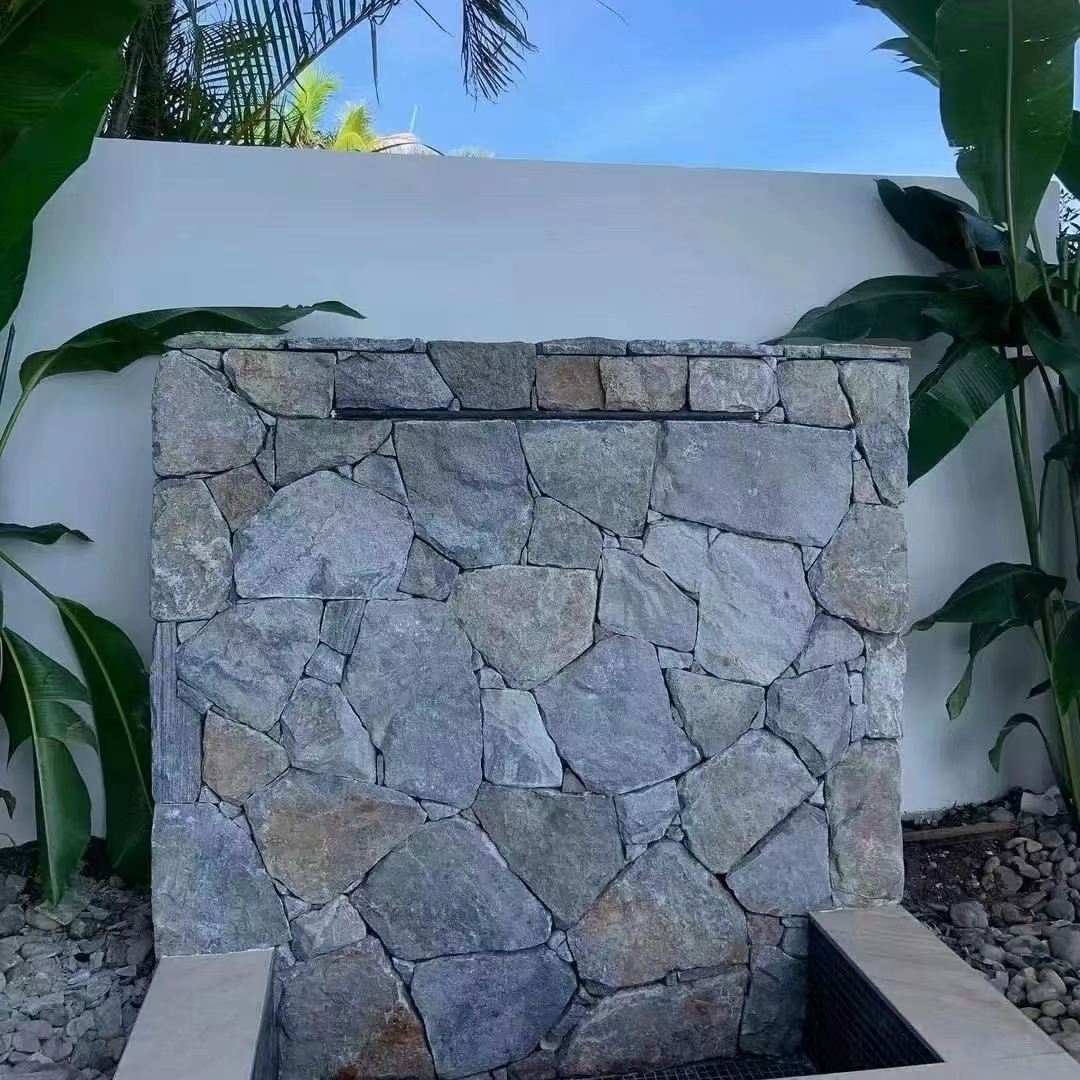
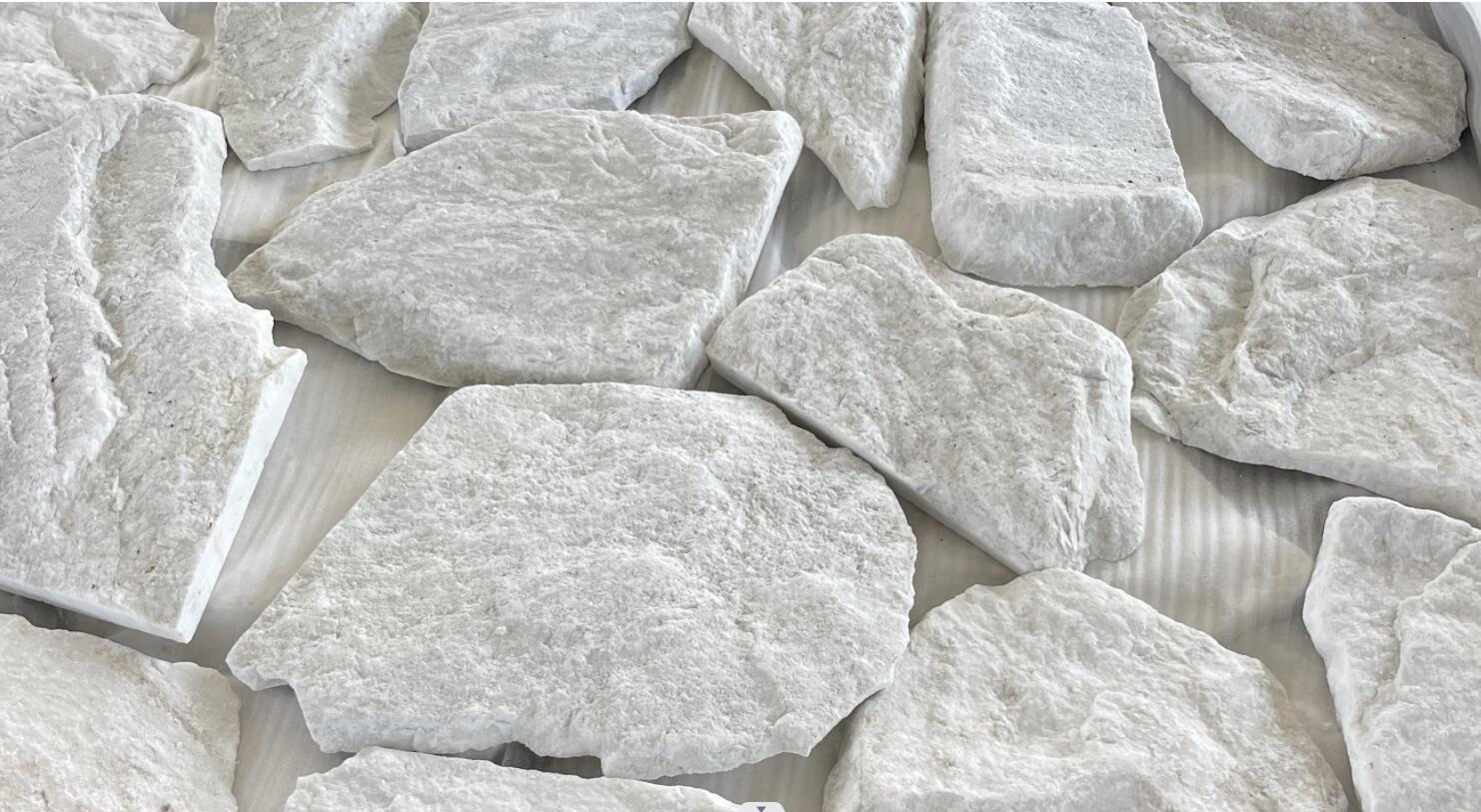
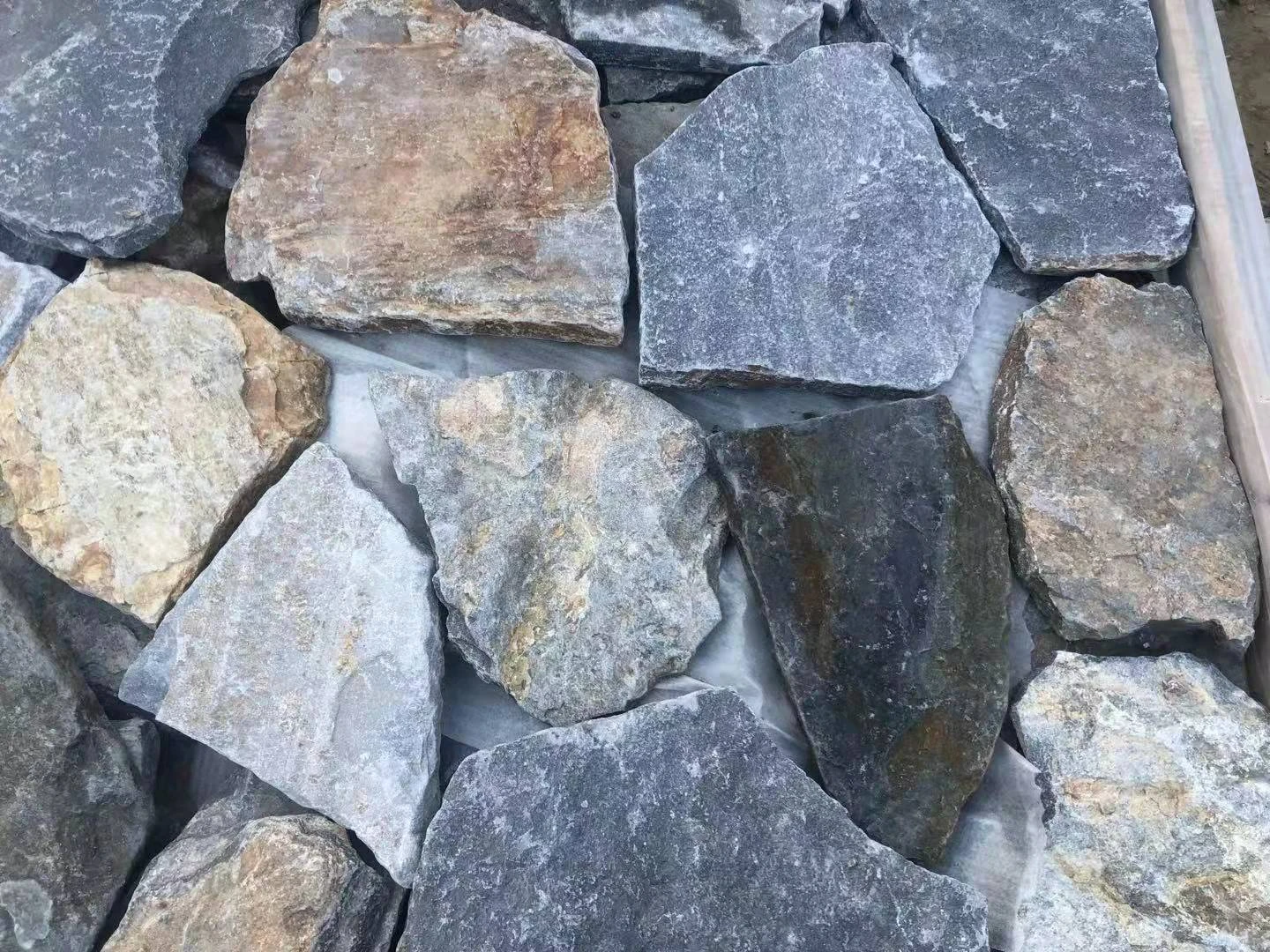
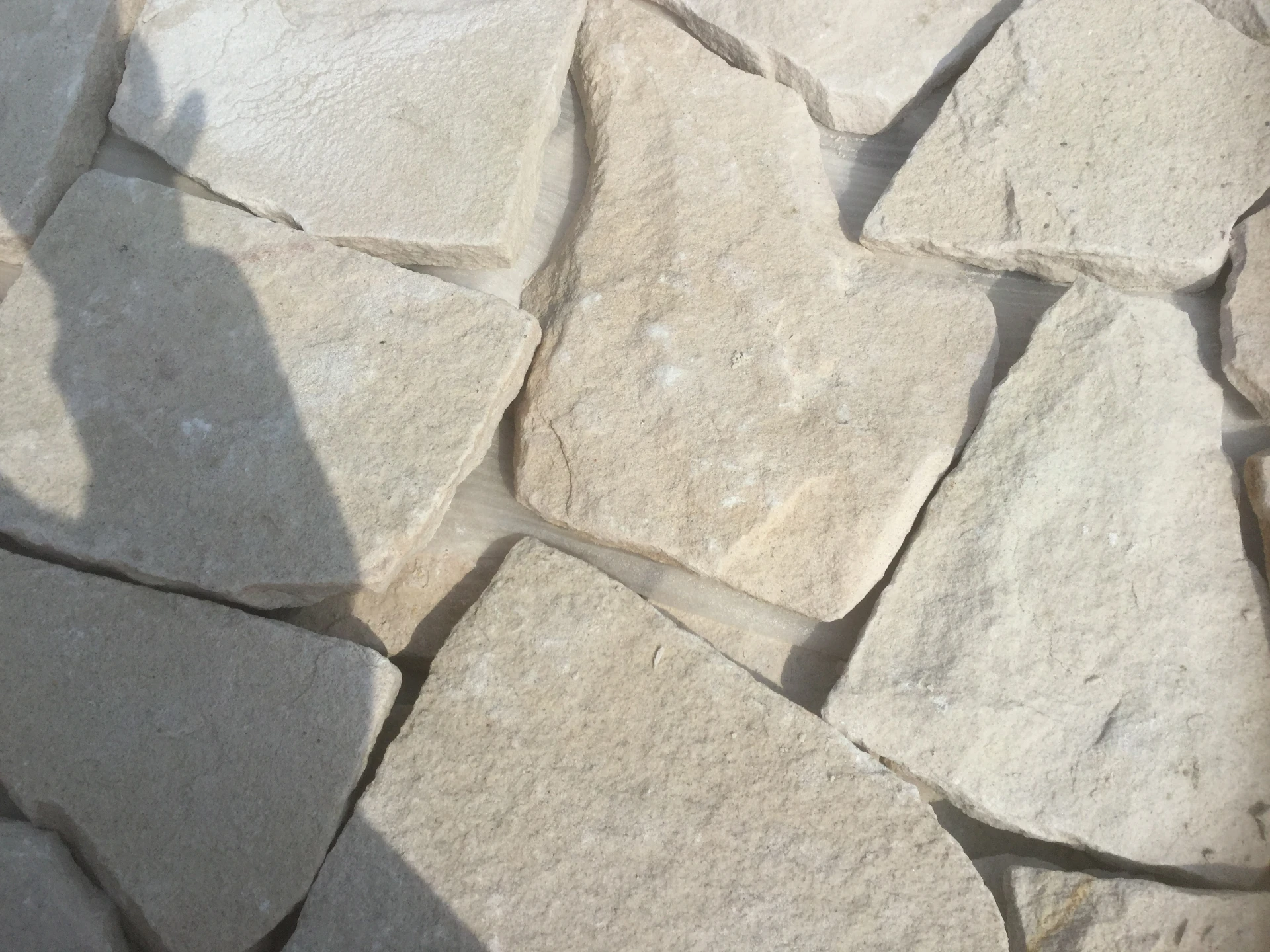
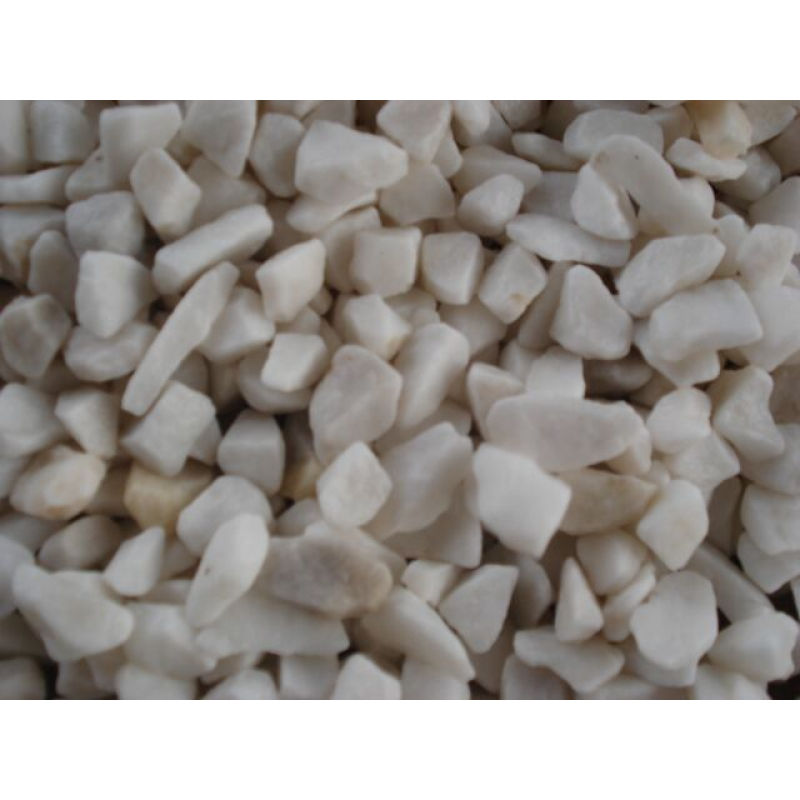
Real stone is natural, 100% straight from the earth and out of the quarry. Nothing is added or removed. Fieldstone or quarried stone is the common choice and can be cut to desired thickness to decorate your house however you wish. For example, you might use river stones in a flower bed or driveway, while blocks are used for creating a fence or wall.
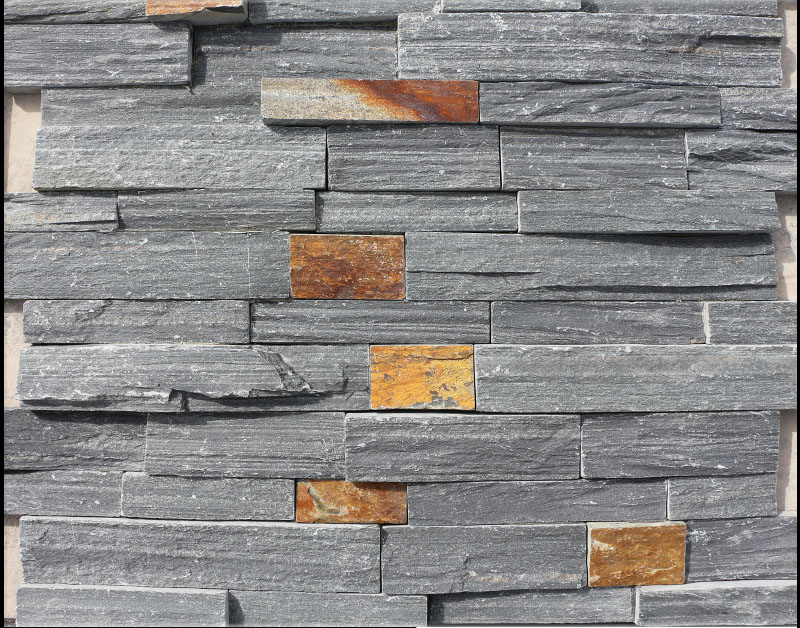
In block form, any type of stone is available. Veneer-cut stones are either ledgestone or fieldstone.
Veneer stone is created by blending together Portland cement, iron oxides, and other aggregates and baking the mixture in molds to make it look like stone. Cement stabilizes the product, and iron oxide adds the stone-like pigments. The bestsellers are fieldstone, ledgestone, and sandstone.
Buyers tend to mix up veneer stone and faux veneer stone, a kind of high-density polymer that is closer to Styrofoam than actual stone.
Let’s have a look at the differences between real stone and veneer stone.
While real stone can be used to build entire structures, this is rarely seen in modern architecture. Furthermore, real stone, like slate, is very brittle and will shattered under too much pressure.
Any type of veneer stone will be far too weak to use structurally. While veneer stone can support its own weight, it wasn’t designed to take on any additional weight.
Within the consumer market, real stone typically has two sizes to choose from: full-size blocks and cover stones. The full-size is meant to provide coverage and is the size of one to two retaining wall blocks. The other size is when real stone is sliced with a giant wet saw to serve as veneer. These slabs measure about 3/4-inch to 1 ¾-inches thick. The face size depends on the type and form of the stone, but the maximum is usually around a diameter of 18-inches.
Natural stone is much heavier than veneer stone. To put this into perspective, a single natural veneer fieldstone weighs around 13 pounds per square foot, while manufactured veneer stone will weigh less than 5 pounds per square foot.
On the other hand, veneer stone starts at 2-inches in thickness and can go as thick as 8-inches. Face sizes of manufactured veneer stone maxes out at 14-inches in diameter. If you’re looking for thinner, lighter stone, then the manufactured option might be better for you.
As expected, the affordability of manufactured veneer stones does come with some drawbacks. While veneer stone is light and can be cut rather thick, when it comes to appearance, the patterning and colors can be repetitive and dull—nothing like the uniqueness of real slab rock. Additionally, you need to consider the cost of replacing veneer stone, since colors will fade over time.
Meanwhile, real stone doesn’t fade in sunlight and can have numerous colors, patterns, and textures to give your residence great curbside appeal.
One of the considerations for choosing natural stone versus manufactured stone veneer cladding is the differences in long-term performance and durability. Natural stone is far less porous than manufactured veneer stone, meaning that the latter option can begin to deteriorate over time. Rain, sunlight, dirt and wind erosion will affect manufactured veneer stone much more than real stone.
Real stone can be installed a number of ways. Some prefer to bind stones together with concrete or grout. Masons might smooth the stone or add metal lath and a scratch coat for texture. Keep in mind that real stone cannot be installed directly to drywall or other thin construction materials. Natural stone is also difficult to cut without special tools.
Manufactured veneer stone is much easier to install that real stone, because it is lightweight, porous and thus less of a chore to cut. Yet, it can be installed with the same methods—lath, scratch coat, grout, or mortar.
Which is right for you? Weigh the differences carefully. There are pros and cons attached to both natural and manufactured veneer stone. Do you want a laborious installation or lower cost? Longevity and durability? Or are you looking for a lighter option that still looks beautiful? Depending on your needs and wants, you should now be able to determine whether veneer stone or natural stone is right for your home.
Are you ready to choose? Or would you like more information on real stone or veneer stone? Get in touch with us by filling out the contact form.
Want to learn more about whole home remodeling in PA?
 非洲人
 阿尔巴尼亚语
 阿姆哈拉语
 阿拉伯
 亚美尼亚语
 阿塞拜疆语
 巴斯克
 白俄罗斯语
 孟加拉
 波斯尼亚语
 保加利亚语
 加泰罗尼亚语
 宿务语
 中国
 中国(台湾)
 科西嘉岛
 克罗地亚语
 捷克语
 丹麦语
 荷兰语
 英语
 世界语
 爱沙尼亚语
 芬兰
 法语
 弗里斯兰语
 加利西亚语
 格鲁吉亚语
 德语
 希腊语
 古吉拉特语
 海地克里奥尔语
 豪萨
 夏威夷人
 希伯来语
 没有
 苗族
 匈牙利
 冰岛的
 伊博语
 印度尼西亚
 爱尔兰语的
 意大利语
 日本人
 爪哇语
 卡纳达语
 哈萨克语
 高棉语
 卢旺达
 韩国人
 库尔德
 吉尔吉斯斯坦
 结核病
 拉丁
 拉脱维亚语
 立陶宛语
 卢森堡语
 马其顿语
 马尔加什
 马来语
 马拉雅拉姆语
 马耳他语
 毛利人
 马拉地语
 蒙
 缅甸
 尼泊尔语
 挪威
 挪威
 奥克语
 普什图语
 波斯语
 抛光
 葡萄牙语
 旁遮普语
 罗马尼亚语
 俄语
 萨摩亚人
 苏格兰盖尔语
 塞尔维亚
 英语
 绍纳语
 信德语
 僧伽罗语
 斯洛伐克语
 斯洛文尼亚语
 索马里
 西班牙语
 巽他语
 斯瓦希里语
 瑞典
 他加禄语
 塔吉克
 泰米尔语
 鞑靼人
 泰卢固语
 泰国
 土耳其
 土库曼语
 乌克兰
 乌尔都语
 维吾尔
 乌兹别克语
 越南语
 威尔士语