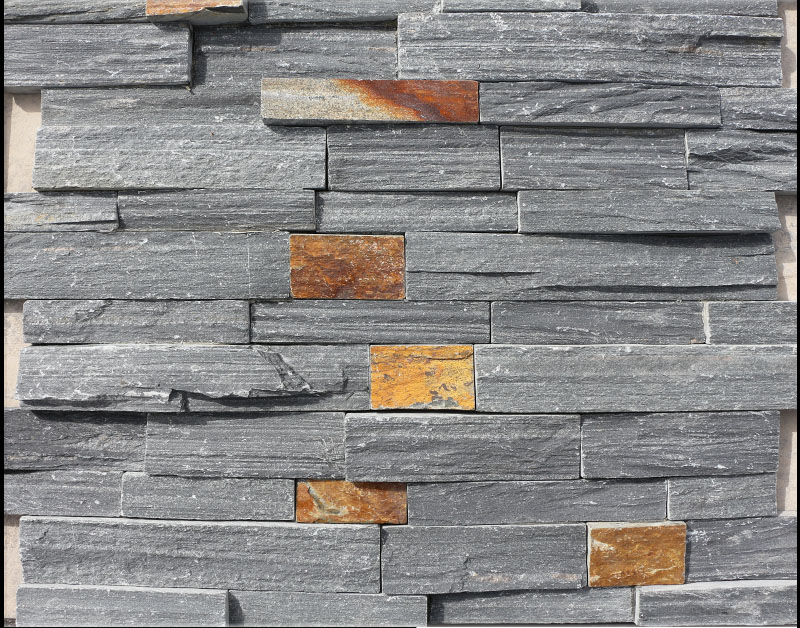
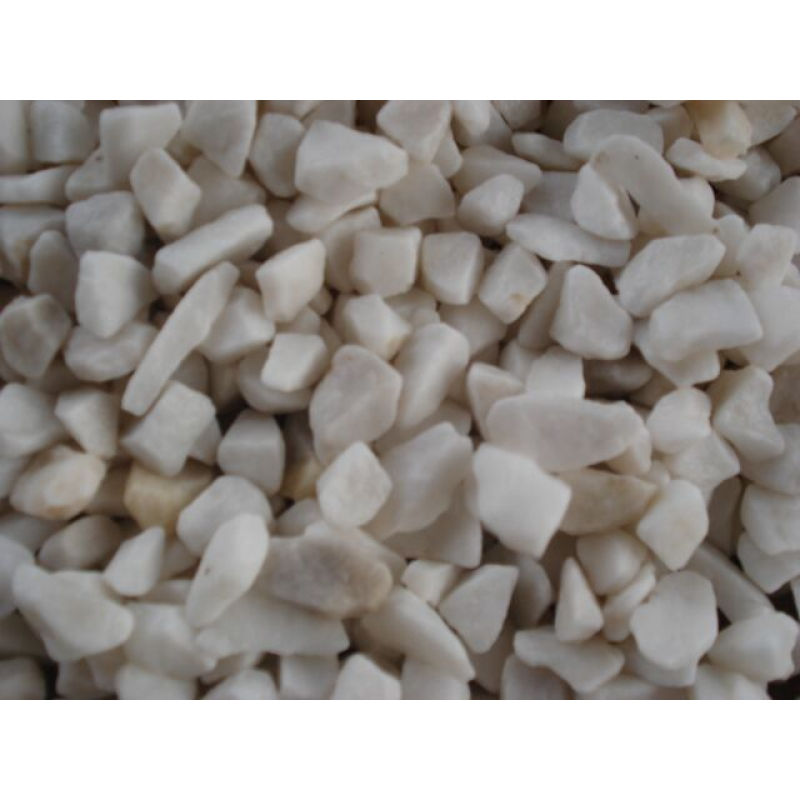
Stone cladding is durable, attractive, and low maintenance. Here’s what you need to know about this stone alternative.
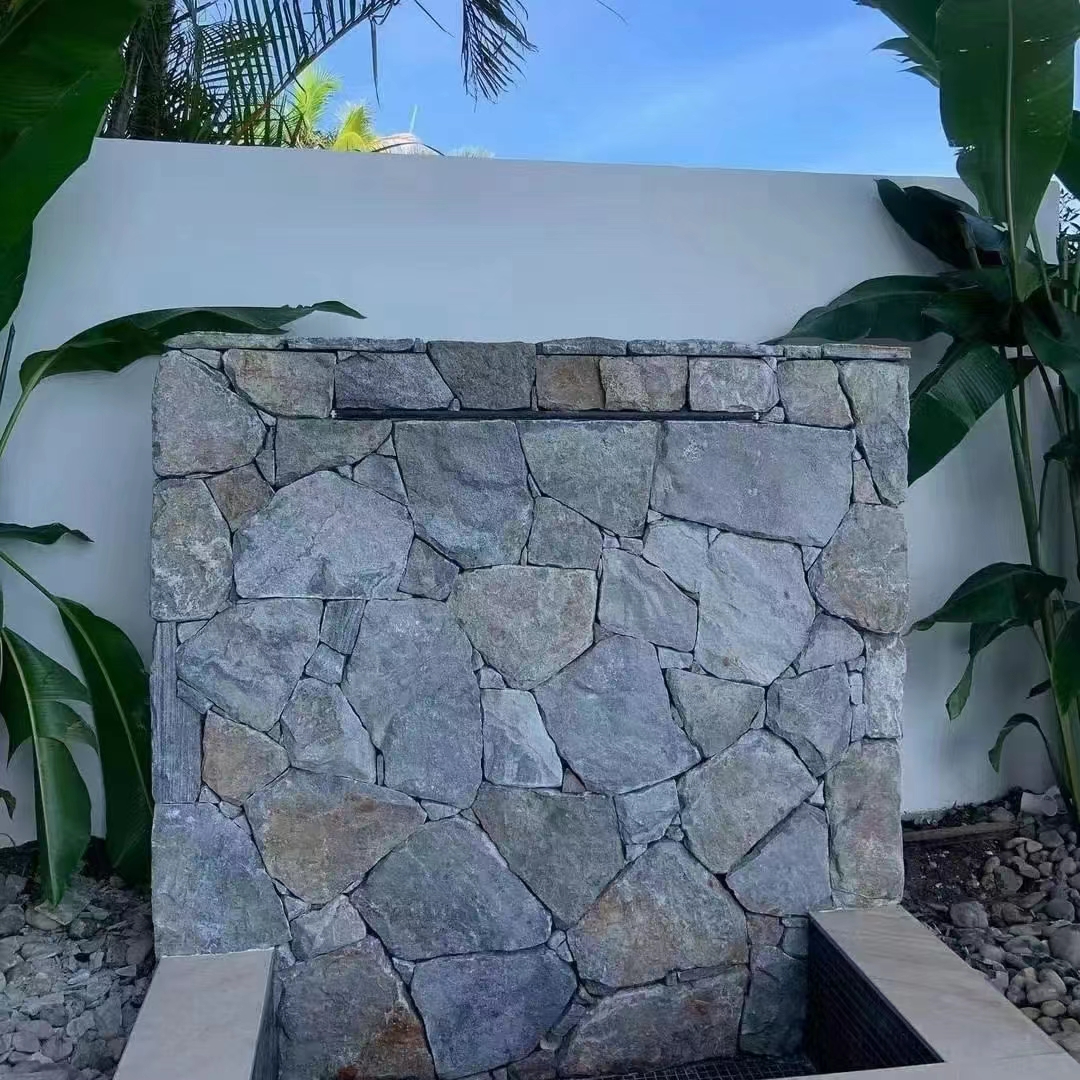
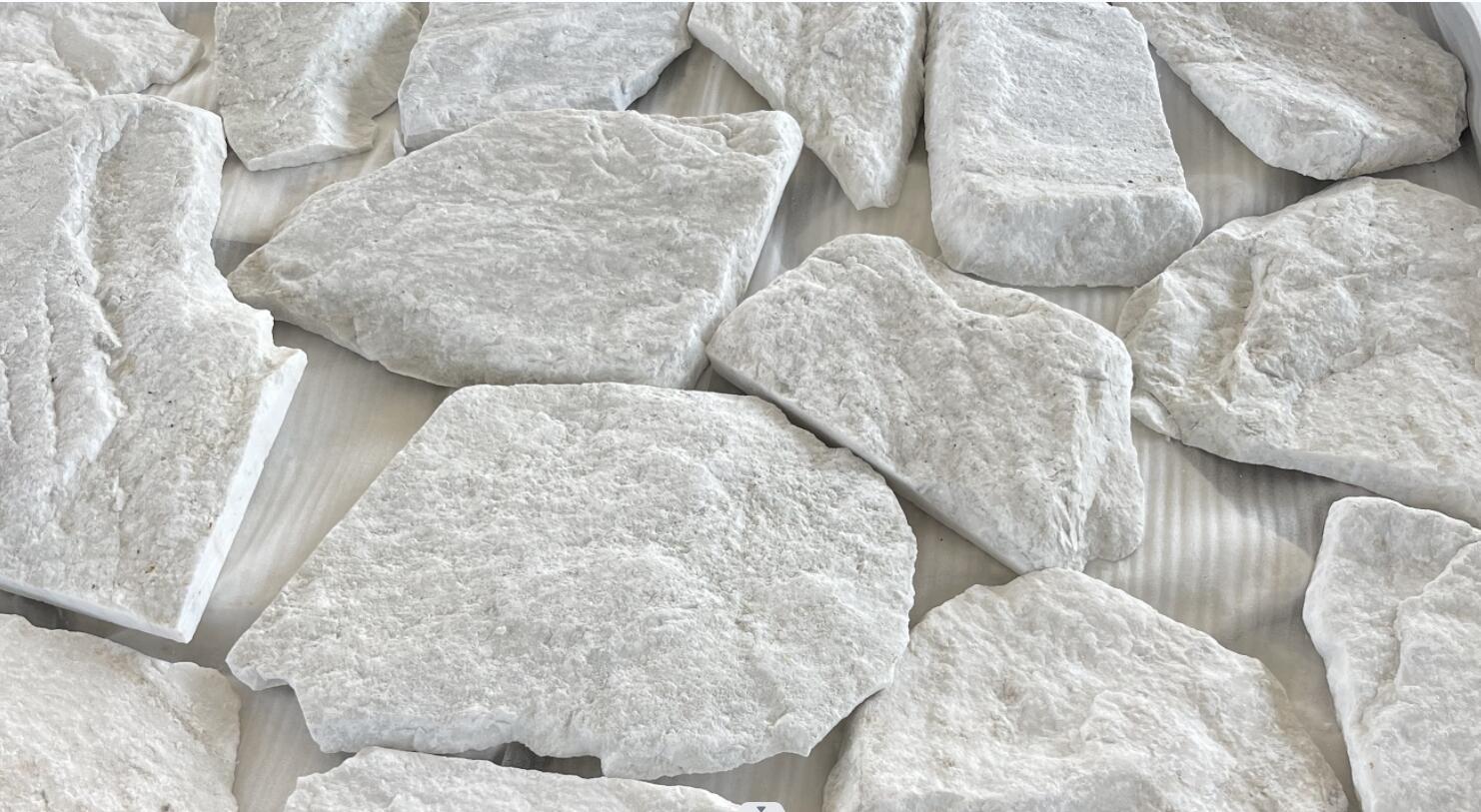
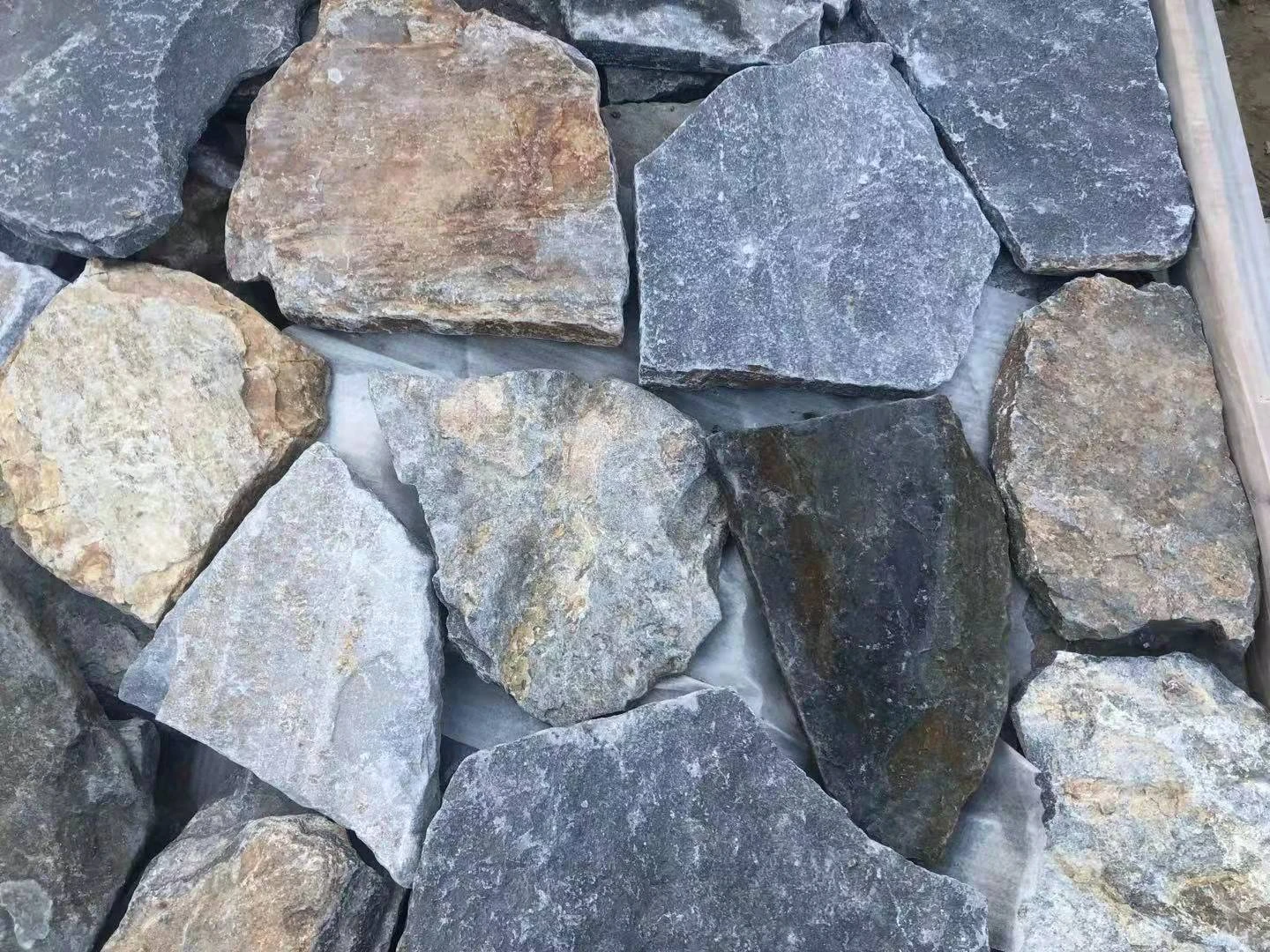
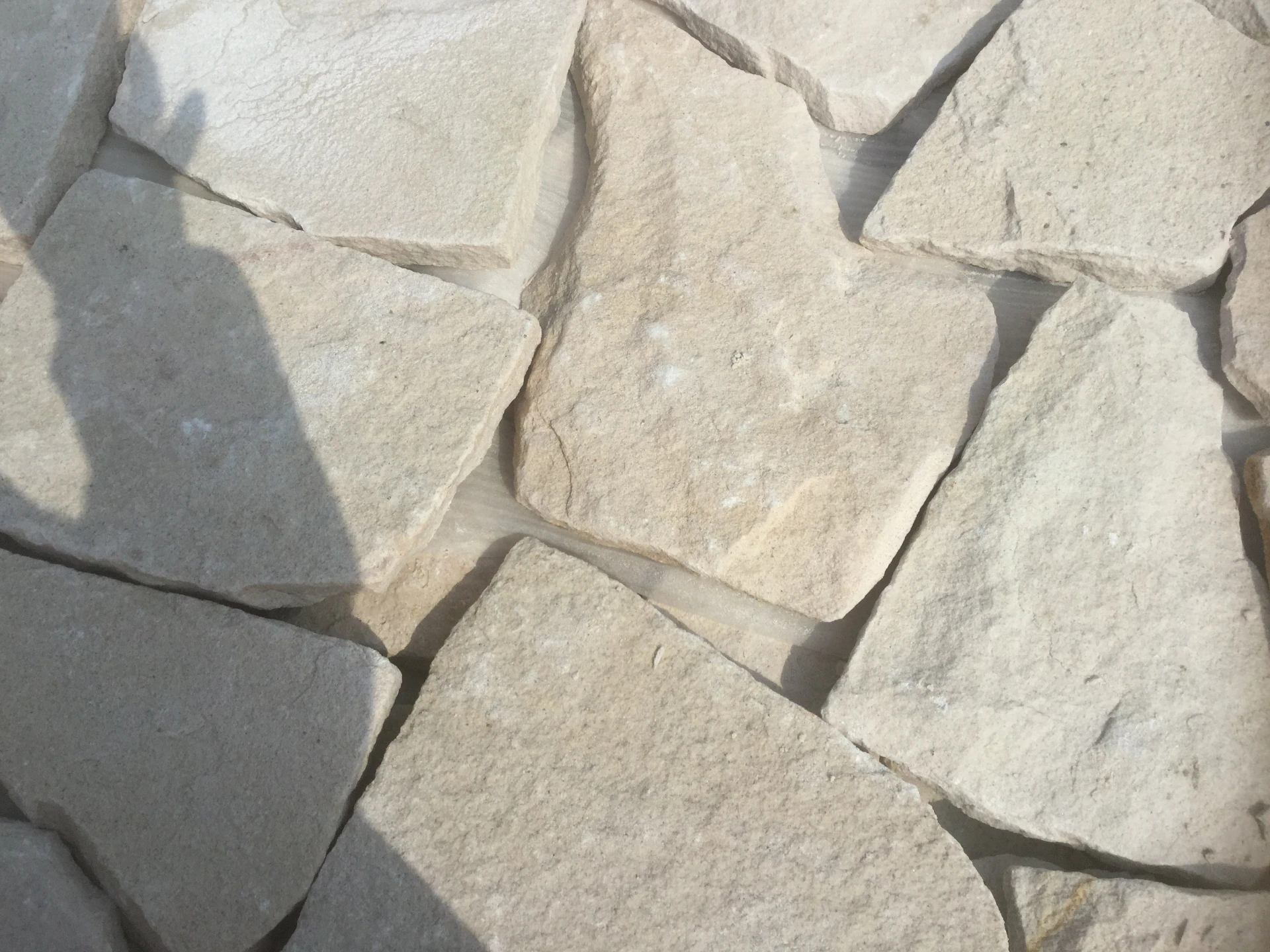
Stone cladding is also known as stacked stone or stone veneer. It can be made from actual stone or artificial, so-called engineered stone. It’s available in a wide variety of finishes that look like slate, brick, and many other stones. It’s a fast and affordable way to get the look of stone on a wall without the cost or time of a masonry installation.
Stiennen beklaaiïng hat in protte foardielen boppe oare boumaterialen en, yn guon gefallen, boppe mitselstiennen konstruksje.
• Lightness: Stone cladding is easier to carry and install than natural stone, and it places less pressure on the existing structure. It generally weighs considerably less than natural stone.
• Insulation: Stone cladding is weather-resistant and protective. It helps a building stay warm in winter and cool in summer. Reinforcing the cladding with a steel or aluminum framework, called a honeycomb, makes it able to resist earthquakes and high winds.
• Minimal maintenance: Like stone, stone cladding requires little upkeep to look good for many years.
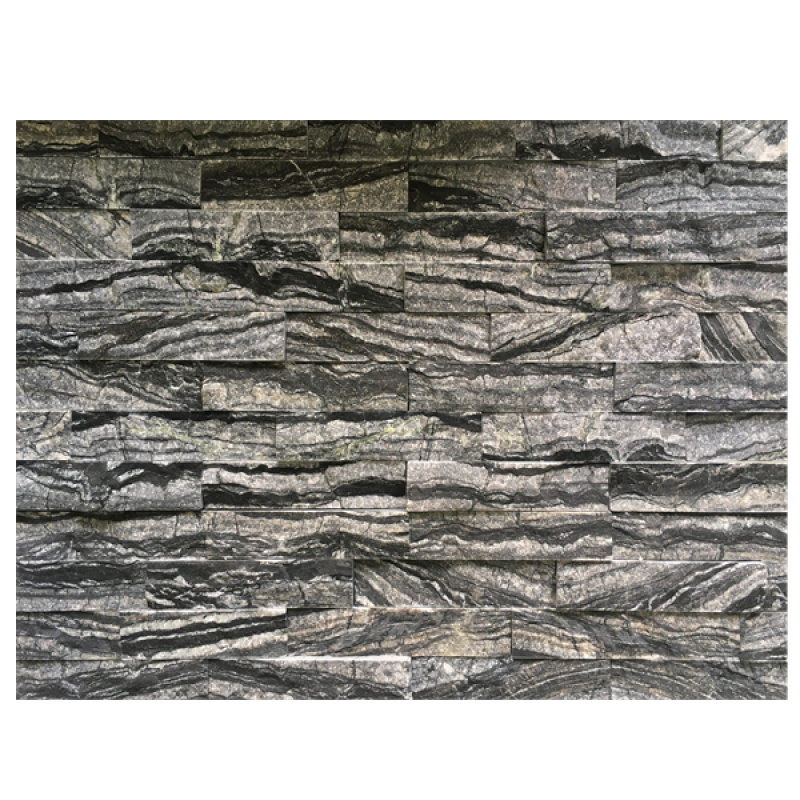
• Ease of installation: Lightweight cladding is easier to install than stone. It doesn’t require the same heavy equipment that a masonry installation does. This doesn’t mean you can install it yourself, however. Hanging stone cladding requires experience and skill.
• Esthetics: Stone gives any building an elegant look. Cladding can look like quartz, granite, marble, or any natural stone. It also comes in a wide choice of colors. Because you can install it anywhere, stone cladding gives you endless ways to design with stone.
Undercut ankers
Dit is de gewoane metoade foar grutte ynstallaasjes. Yn in undercut anker systeem, de installateurs boarje gatten yn 'e efterkant fan' e stien, ynfoegje in bolt en fix de cladding horizontaal. Dit is in goede metoade foar soffits en dikkere panielen.
Kerf metoade
Yn dizze metoade snije installateurs grooves oan de boppe- en ûnderkant fan 'e stien. De stien stiet op in slot oan 'e ûnderkant fan' e cladding paniel mei in twadde clasp oan de top. Dit is in rappe, maklike ynstallaasjemetoade dy't poerbêst is foar lytsere ynstallaasjes en tinner panielen.
Beide ynstallaasjemetoaden brûke in iepen-joint-ûntwerp. Om it uterlik fan echte stien te imitearjen, wize ynstallearders de romten tusken de gewrichten mei masonry grout.
• Entry areas
• Bathrooms
• Kitchens
• Sheds
• Freestanding garages
• Patios
• Mailboxes
Wylst stiennen beklaaiïng yn in protte gefallen poerbêst is, is it net ideaal foar elke ynstallaasje. It hat ek wat neidielen dat stien net.
• It’s not as durable as a masonry installation.
• Some veneers allow moisture to seep into the joints.
• It can crack under repeated freeze-and-thaw cycles.,
• Unlike natural stone, it is not a sustainable building material.
 Afrikaanske
  Albaneesk
  Amhaarsk
  Arabysk
  Armeensk
  Azerbeidzjaansk
  Baskysk
  Wytrussysk
  Bengaalsk
  Bosnysk
  Bulgaarsk
  Katalaansk
  Cebuano
  Sina
Sina  Sina (Taiwan)
  Korsikaansk
  Kroatysk
  Tsjechysk
  Deensk
  Nederlânsk
  Ingelsk
  Esperanto
  Estysk
  Finsk
Finsk  Frânsk
  Frysk
Frysk  Galyskysk
  Georgysk
  Dútsk
Dútsk  Gryksk
  Gujaratysk
  Haïtiaansk Kreaolsk
  Hausa
Hausa  Hawaïaansk
  Hebrieuwsk
  Nee
Nee  Miao
Miao  Hongaarsk
  Yslânsk
  igbo
igbo  Yndonesysk
  Iersk
Iersk  Italiaansk
  Japansk
  Javaansk
  Kannada
  Kazachsk
  Khmer
Khmer  Rwandan
  Koreaansk
  Koerdysk
  Kirgizysk
  TB
TB  Latyn
Latyn  Letsk
Letsk  Litousk
  Lúksemboarchsk
  Masedoanysk
  Malgashi
  Maleisk
  Malayalam
  Malteesk
  Maori
Maori  Maratysk
  Mongoalsk
  Birma
Birma  Nepaleesk
  Noarsk
  Noarsk
  Oksitaansk
  Pashtu
  Perzysk
  Poalsk
  Portegeesk
  Pûndjaabsk
  Roemeensk
  Russysk
  Samoan
  Skotsk Gaelic
  Servysk
  Ingelsk
  Shona
Shona  Sindysk
  Sinhala
  Slowaaksk
  Sloveensk
  Somalysk
  Spaansk
  Soendaneesk
  Swahily
  Sweedsk
  Tagaloch
  Tajik
Tajik  Tamyl
Tamyl  Tatar
Tatar  Telugu
  Taisk
Taisk  Turksk
  Turkmeensk
  Oekraynsk
  Urdu
Urdu  Uighur
  Uzbek
Uzbek  Fietnameesk
  Welsh
Welsh