Choosing the right stone or paver for your new hardscaping element is dependent on a number of factors. Homeowners must consider their personal taste, the selection available, and more to create a functional and aesthetically pleasing space.
In order to make your decision a little easier when it comes time to discuss your requirements to a hardscaping professional, like the ones at Three Seasons, knowing the pros and cons of natural stone and pavers can go a long ways towards helping the decision making process.
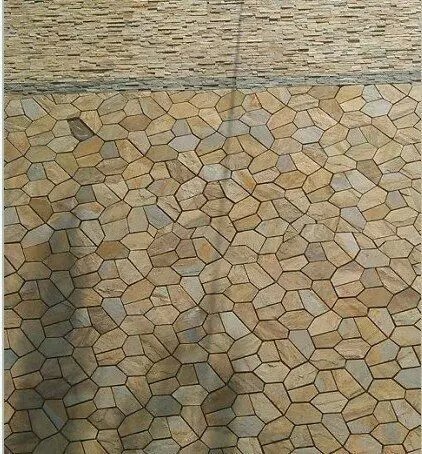
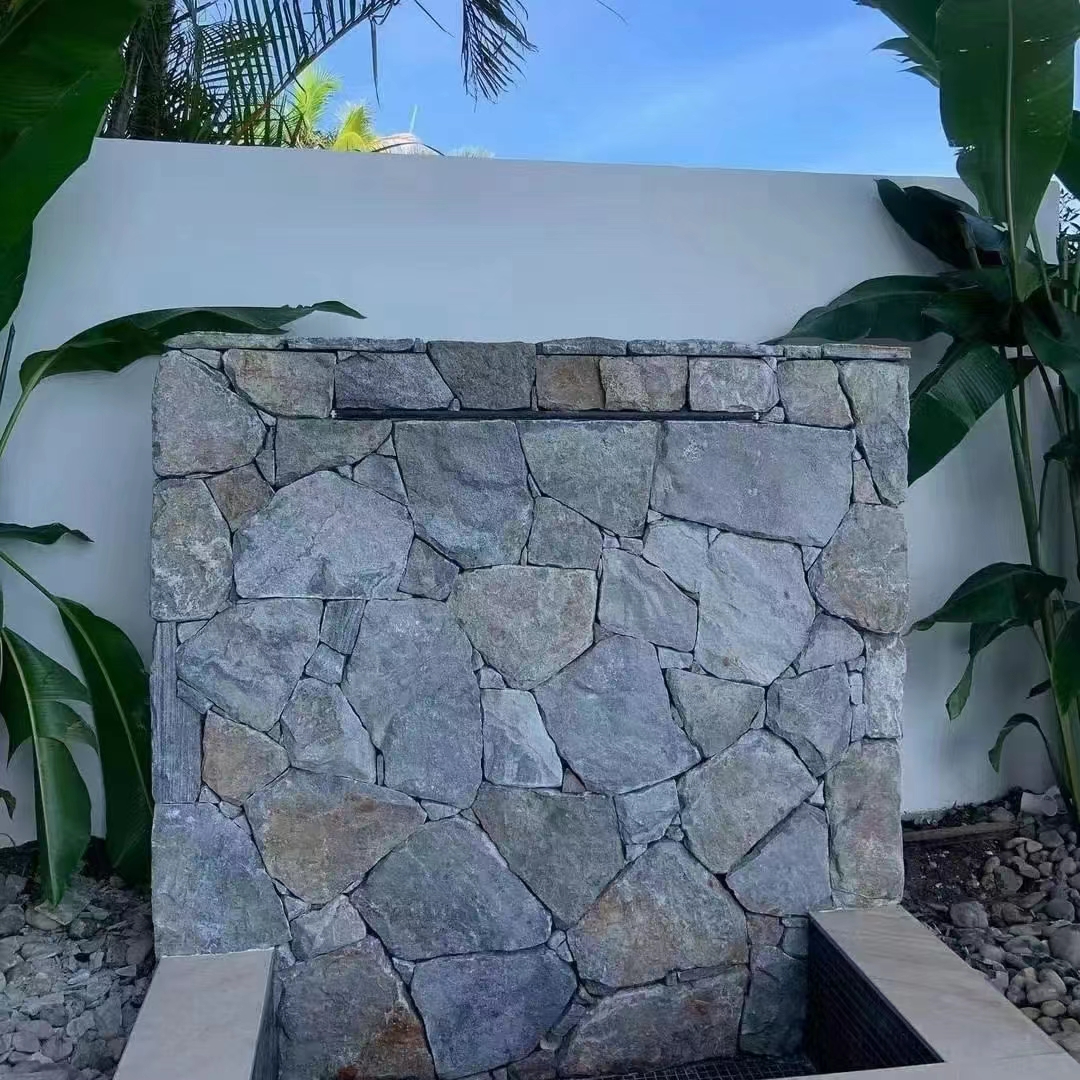
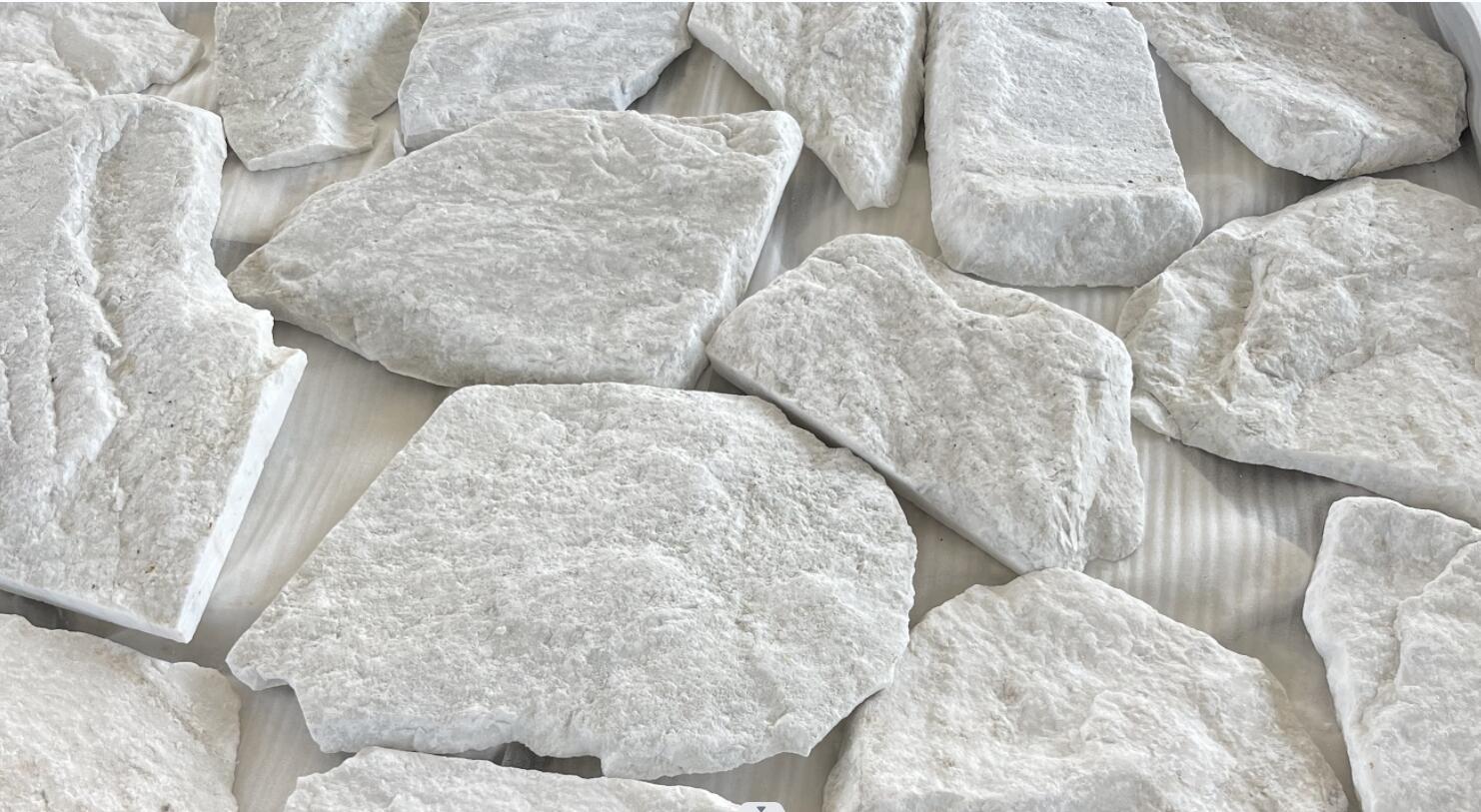
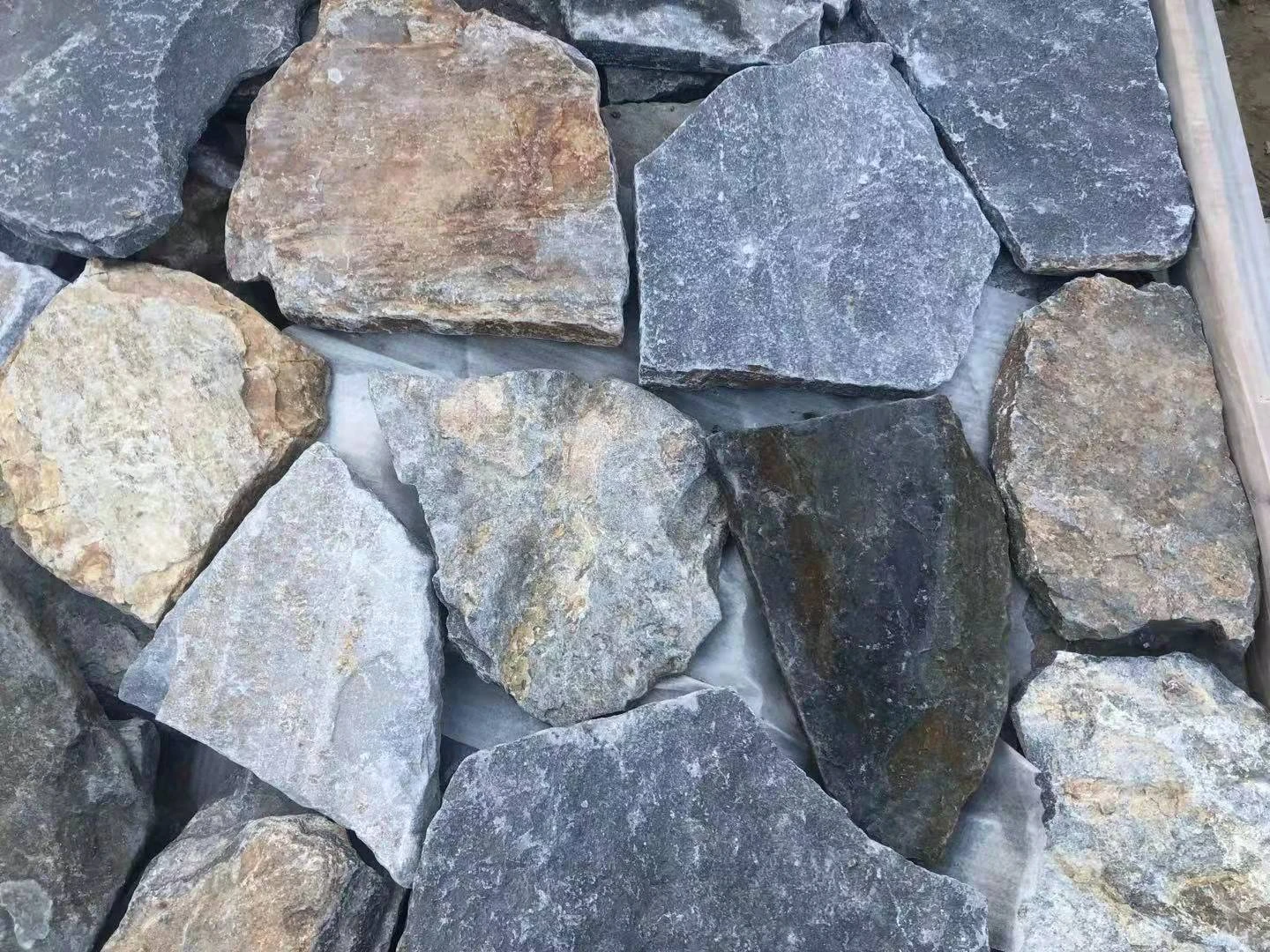
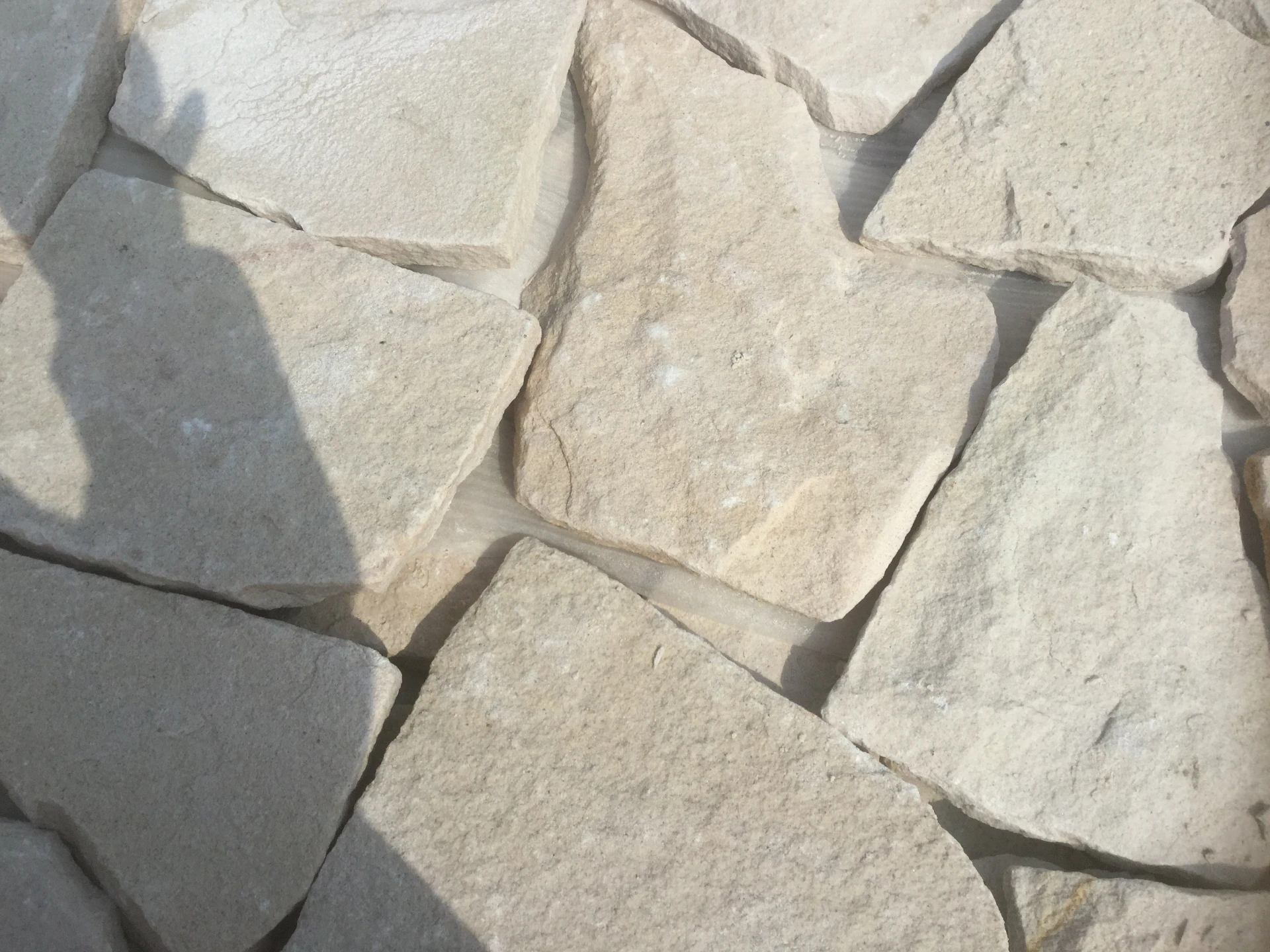
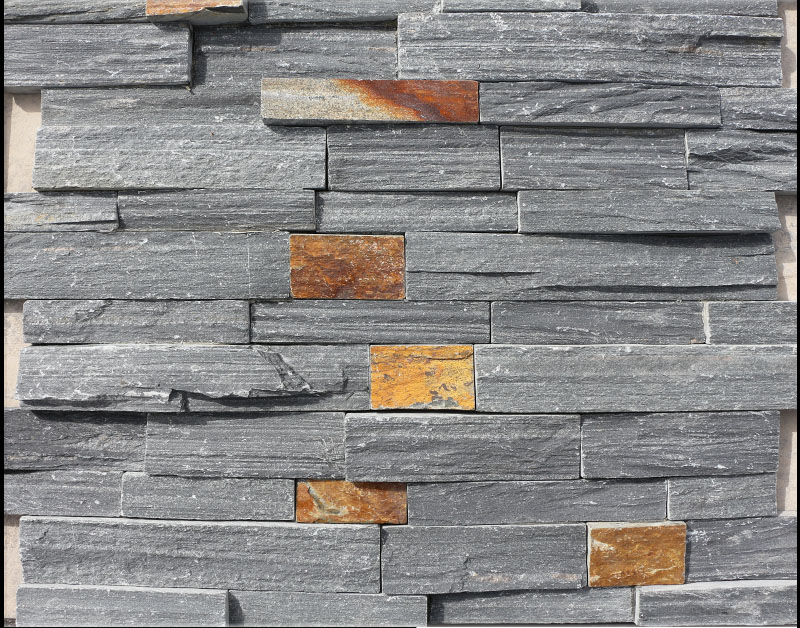
Among the positive aspects of natural stone is that it comes in a wide variety of materials including slate, limestone, travertine, bluestone, and flagstone. Also, natural stone is generally a go-to product for homeowners who want an earthy, all-natural look for their hardscape.
One other positive item is that natural stone can come in both regular and irregular shapes. However, the more irregular the stones are, the further apart they will have to be placed, as they will not naturally fit together. This can help give the hardscaping element a more organic appearance.
Natural stone is more expensive to purchase and install. This is because natural stone has to be quarried and transported from their quarry site. In addition, it is more difficult for installers to work with natural stone, due to it being uneven in thickness. This creates higher labor costs than you would see with installing uniform pavers.
Stones that are set in concrete can crack and repairs may be needed in the future.
Pavers are less labor-intensive and usually less expensive to install. Since they are the same size and thickness from one paver to the next, they are easy to lay and can be set using either gravel or sand. No mortar is required when pavers are used.
Pavers also come in a variety of colors and appearances, some of which can actually mimic the look of natural stone. Additionally, pavers have more durability than their natural stone counterparts. Because pavers are manufactured in a wide range of sizes and patterns, it is easier to create patterns, edging, and intricate, colorful designs.
Homeowners with busy brick patterns on their homes may want to stray away from pavers, because the resulting overall look could be one that seems “cluttered” from a standpoint of aesthetics.
One important thing to consider is that maintaining paver hardscaping elements can be more work than ones built using natural stone. Another example of consideration is that over time, pavers can separate and cause an uneven surface. Furthermore, grass and weeds can grow in the areas between the pavers, causing additional weeding to be needed to maintain a neat appearance.
Hardscaping elements built from natural stone or pavers may make all the difference to the look of your property and can add value to your home as well. By taking some of the information provided within this article, you will be able to make a more informed decision when deciding between a paver or natural stone element for your hardscape.
 Afrika
  bahasa Albania
  Amharik
  Arab
Arab  orang Armenia
  Azerbaijan
  Basque
  Belarusia
  Benggala
  Bosnia
  Bulgaria
  Katalan
  Cebuano
  Cina
Cina  Tiongkok (Taiwan)
  Korsika
  Kroasia
  Ceko
Ceko  Orang Denmark
  Belanda
  Bahasa inggris
  Esperanto
  Estonia
  Finlandia
  Perancis
  Frisian
  Galisia
  orang Georgia
  Jerman
  Orang yunani
  Gujarati
  Kreol Haiti
  hausa
hausa  Hawaii
  Ibrani
  Tidak
Tidak  Miao
Miao  Hongaria
  Islandia
  igbo
igbo  bahasa Indonesia
  orang Irlandia
  Italia
  Jepang
  Jawa
Jawa  Kannada
  kazakh
  Khmer
Khmer  Rwanda
  Korea
Korea  Kurdi
Kurdi  Kirgistan
  TBC
TBC  Latin
Latin  Latvia
  Lithuania
  Luksemburg
  Makedonia
  Malgashi
  Melayu
  Malayalam
  Malta
Malta  Maori
Maori  Marathi
  Mongolia
  Myanmar
  Nepal
Nepal  Norwegia
  Norwegia
  orang oksitan
  Pashto
  Orang Persia
  Polandia
  Portugis
  Punjabi
  Rumania
  Rusia
Rusia  Samoa
Samoa  Gaelik Skotlandia
  Orang Serbia
  Bahasa inggris
  Shona
Shona  Sindhi
  Sinhala
  Orang Slovakia
  Slovenia
  Somalia
  Orang Spanyol
  Sunda
Sunda  Swahili
  Orang Swedia
  Tagalog
  Tajik
Tajik  Tamil
Tamil  Tatar
Tatar  Telugu
  Thai
Thai  Turki
Turki  orang Turkmenistan
  Orang Ukraina
  Urdu
Urdu  Uighur
  Uzbekistan
  Orang Vietnam
  Welsh
Welsh